The recent emergence of “Pokopia” has shed new light on the perplexing biological structure of the iconic Pokémon, Ditto. Players have been captivated by Ditto’s unconventional methods of item management, prompting a reevaluation of what was previously understood about Pokémon physiology. This deep dive into Ditto’s unique characteristics reveals a fascinating interplay between its physical form and its remarkable storage capabilities, leading to the intriguing hypothesis that its satchel and stomach are, in essence, indistinguishable.
Unraveling Ditto's Peculiar Storage System in Pokopia
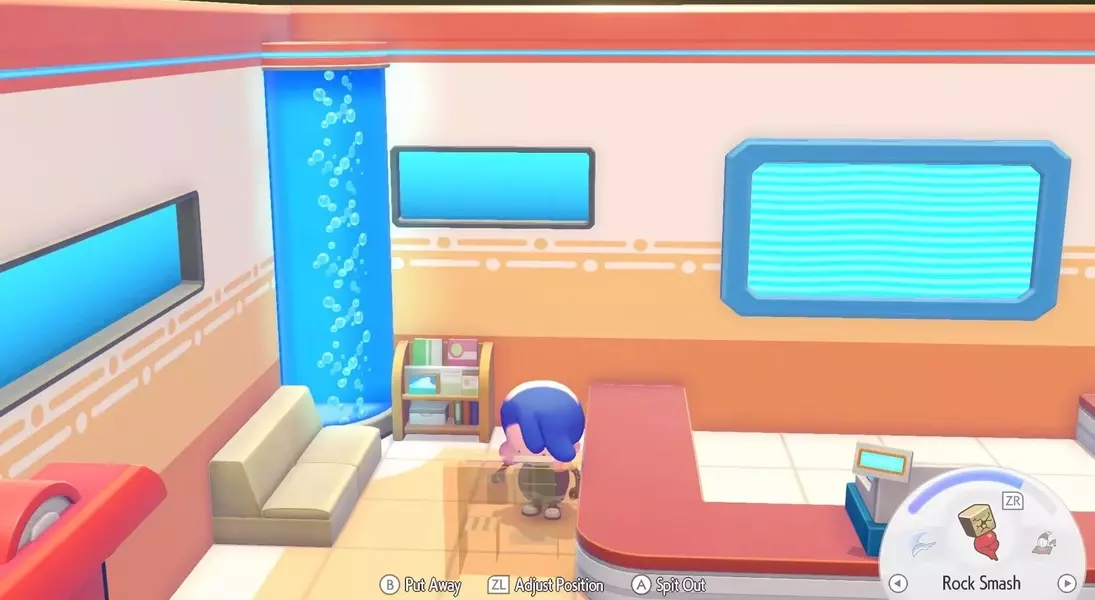
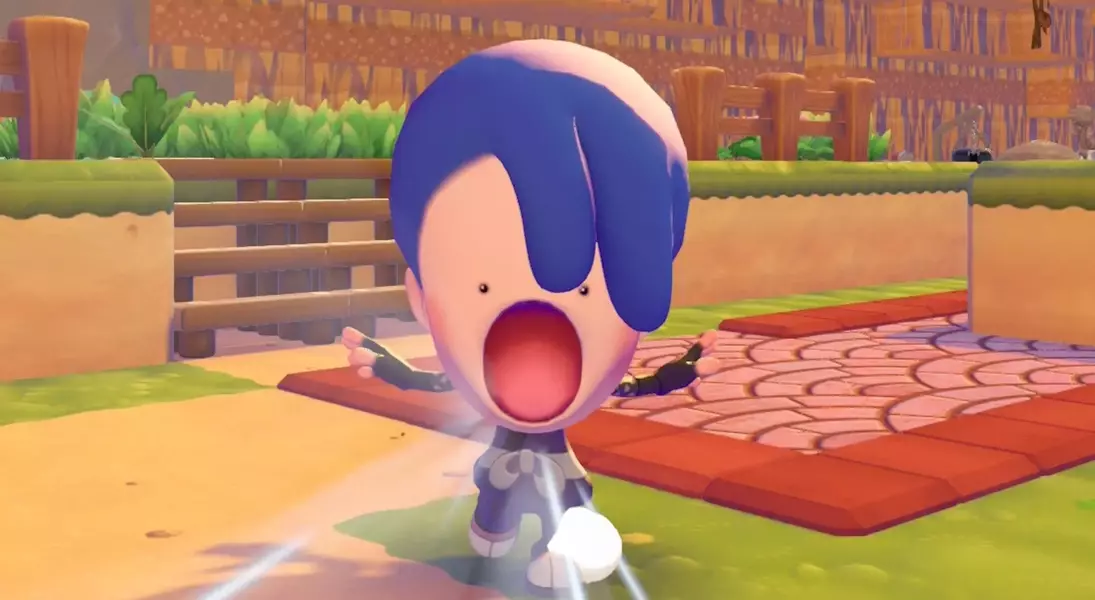
In the vibrant world of “Pokopia,” the shape-shifting Pokémon, Ditto, transformed to resemble its trainer, presents a captivating anomaly in biological mechanics. Observers have noted that Ditto frequently employs a stylish satchel for item storage and retrieval. However, a more curious behavior involves Ditto utilizing its “Stockpile” move, wherein items are directly ingested into its stomach, only to be regurgitated when required. This process lacks a discernible pattern, as Ditto seemingly arbitrarily decides whether an item goes into the satchel or its digestive system. For instance, a magazine rack might be stored in the satchel but later retrieved from its gut for decorative purposes. Similarly, while a single berry might find its way into the satchel, multiple berries are often inhaled directly, bypassing the need for manual handling or conventional bags. This peculiar dual storage system suggests a remarkable fluidity between Ditto's external and internal capacities.
This observation leads to a compelling logical deduction regarding Ditto’s anatomy. The items found within Ditto's belly and its satchel are consistently identical, and there are no apparent restrictions on how items are stored or retrieved from either location. Therefore, it stands to reason that Ditto’s satchel is, in fact, an extension of its stomach. Consequently, when Ditto increases its inventory capacity, it is simultaneously expanding its stomach. This implies that Ditto’s stomach can exist beyond its physical confines and possesses an extraordinary organizational structure, capable of neatly compartmentalizing similar items without consuming additional space. This revelation challenges the established biological understanding within the Pokémon universe, hinting at Ditto possessing an internal pocket dimension, akin to a spatial anomaly. Such a capability far surpasses the mundane storage feats of characters like Leon Kennedy, suggesting Ditto could effortlessly accommodate vast quantities of objects, from lumber to furniture, within its seemingly infinite internal expanse. “Pokopia” thus compels us to reconsider the foundational principles of Pokémon biology, emphasizing that a true understanding may lie not in evolutionary studies but in the enigmatic depths of Ditto’s stomach.
The unique anatomical and storage characteristics of Ditto, as revealed in “Pokopia,” offer a profound reinterpretation of biological possibilities within the gaming universe. This phenomenon invites us to ponder the boundaries of conventional biology and consider how fictional worlds can stretch our imagination. It encourages us to look beyond the obvious and appreciate the creative liberty taken in character design, where even a simple act of storing items can become a fascinating study in speculative biology. This narrative challenges us to question what we perceive as normal and embrace the extraordinary, much like Ditto seamlessly merging its satchel and stomach into a single, boundless storage entity.
