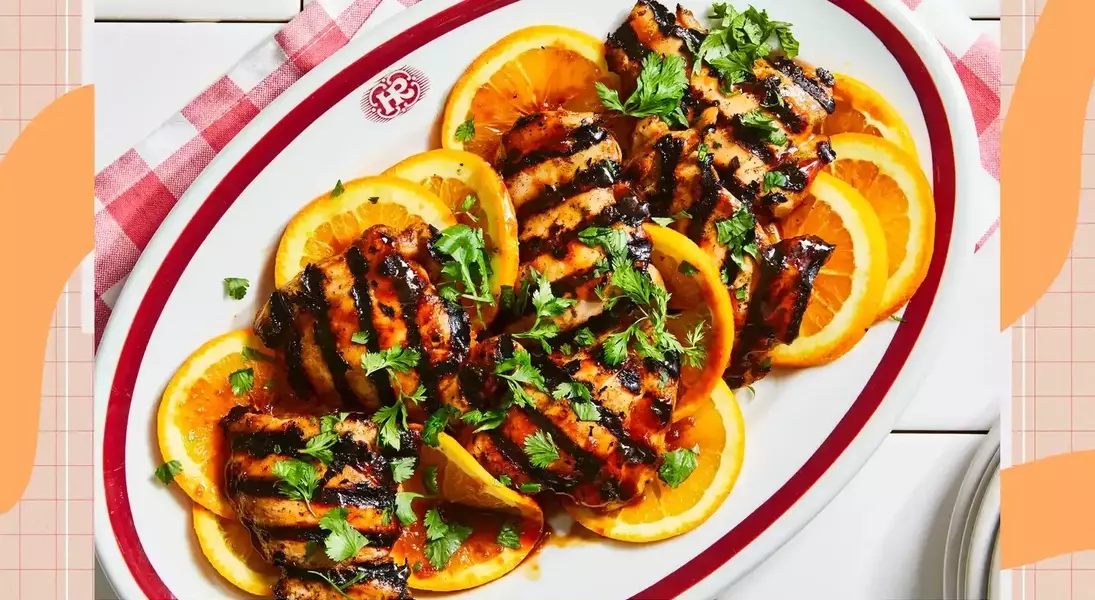
Chef Judy Joo emphasizes the remarkable impact of citrus juices in elevating chicken dishes, describing them as an accessible yet potent 'secret seasoning.' She points out how various citrus fruits, such as lime for its sharp tang, lemon for its classic appeal, grapefruit for a refined note, and yuzu for an ethereal floral lift, can dramatically transform the culinary experience. Orange juice, a personal favorite of Joo's, is particularly lauded for its inherent sweetness, which not only imparts a radiant, golden hue to chicken but also facilitates beautiful caramelization, making every bite a delight. This versatile ingredient also tenderizes the meat and enhances the absorption of other seasonings, contributing to both flavor and texture. Beyond simple marinades, orange juice can be creatively incorporated into pan sauces and glazes, proving its utility across a spectrum of recipes.
Citrus marinades offer more than just a burst of flavor; they are instrumental in improving the chicken's texture and overall palatability. The acidic components in citrus, such as citric acid, gently break down muscle fibers, resulting in a more tender and digestible piece of meat, a benefit scientifically supported by studies on beef. Moreover, citrus acts as an excellent flavor conduit, allowing herbs and spices to permeate the chicken more effectively. From a health perspective, citrus fruits are rich in Vitamin C, a powerful antioxidant that supports immune function, collagen production, and iron absorption. While Vitamin C can be sensitive to heat, strategic cooking methods or post-cooking application of fresh marinade can help retain these nutritional advantages, making citrus a smart choice for both taste and well-being.
To achieve optimal results, it is crucial to understand the proper techniques for marinating chicken with citrus and to avoid common pitfalls. Chef Joo cautions against over-marinating, stressing that while citrus rapidly tenderizes, excessive exposure can lead to a mushy, undesirable texture, similar to the process of making ceviche. A marinating time of about 30 minutes is often sufficient to infuse the chicken with robust flavors without compromising its integrity. Additionally, the natural sugars in orange juice can cause quicker browning or burning during cooking, necessitating careful monitoring, especially when roasting or grilling. Joo advises balancing the bright acidity of citrus with other elements like salt, fat, or a touch of sweetness to ensure a harmonious flavor profile that highlights, rather than overpowers, the dish. Experimentation with diverse citrus varieties, from Korean-inspired gochujang glazes with orange juice to yuzu-infused butters and grapefruit salsas, opens up a world of creative possibilities, promising innovative and healthy culinary creations.
Embracing citrus in cooking is a journey towards vibrant flavors and enhanced dining experiences. The adaptability of citrus juices, capable of brightening countless dishes, is an invitation for every cook to explore beyond conventional boundaries. By understanding the science behind their tenderizing and flavor-enhancing properties, and by skillfully balancing their intense notes, one can unlock a new realm of culinary creativity. This approach not only promises delicious and nutritious meals but also encourages a continuous, joyful exploration of ingredients and techniques, fostering a positive and enriching relationship with food preparation.
