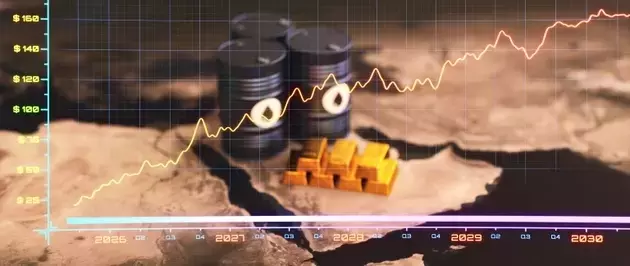
A notable surge in energy costs, primarily driven by geopolitical tensions in the Middle East, has recently propelled the Consumer Price Index upwards, signaling a period of inflationary pressure. The March CPI report highlighted a substantial 0.9% increase, with energy prices identified as the primary catalyst. This rise comes amidst a backdrop of otherwise contained core inflation figures, which registered a modest 0.2%.
Historically, significant energy shocks tend to permeate various sectors of the economy, particularly impacting nondurable goods and other related industries. Evidence from past events indicates that the full integration of these energy-induced price escalations into the broader inflation landscape can take up to eight months. Consequently, this sustained inflationary outlook is expected to significantly influence the Federal Reserve's stance on interest rates, making rate cuts in the near term highly improbable, with policy adjustments potentially being discussed at the June meeting.
Understanding and adapting to these economic shifts is crucial for financial stability and growth. The persistent nature of energy-driven inflation necessitates strategic planning and proactive measures to mitigate its impact on daily life and the broader economic framework. By remaining vigilant and informed, individuals and institutions can better navigate these challenging economic waters, fostering resilience and continued prosperity.
