In the expansive realm of 3D adventure gaming, a genre now commonplace, there was a pivotal era when innovation reigned supreme. Developers grappled with the challenge of guiding players through intricate worlds, introducing novel gameplay mechanics. Amidst this wave of creativity, a luminescent fairy named Navi emerged as a crucial companion, leading players through the captivating world of The Legend of Zelda: Ocarina of Time. As Nintendo recently announced a remake of this iconic N64 classic, a compelling argument arises: the developers should preserve its original brilliance without alteration.
Re-evaluating Navi's Impact in ‘Ocarina of Time’ and Her Lingering Legacy
Navi, the enigmatic fairy companion in The Legend of Zelda: Ocarina of Time, has long been a polarizing figure among gamers. While her frequent interjections and repetitive advice earned her the ire of many, a deeper examination reveals her indispensable contributions to the game's groundbreaking mechanics and emotional core. At a time when 3D adventure games were a nascent concept, Navi served as an intuitive, if sometimes exasperating, guide, simplifying complex interactions and enriching the player's experience.
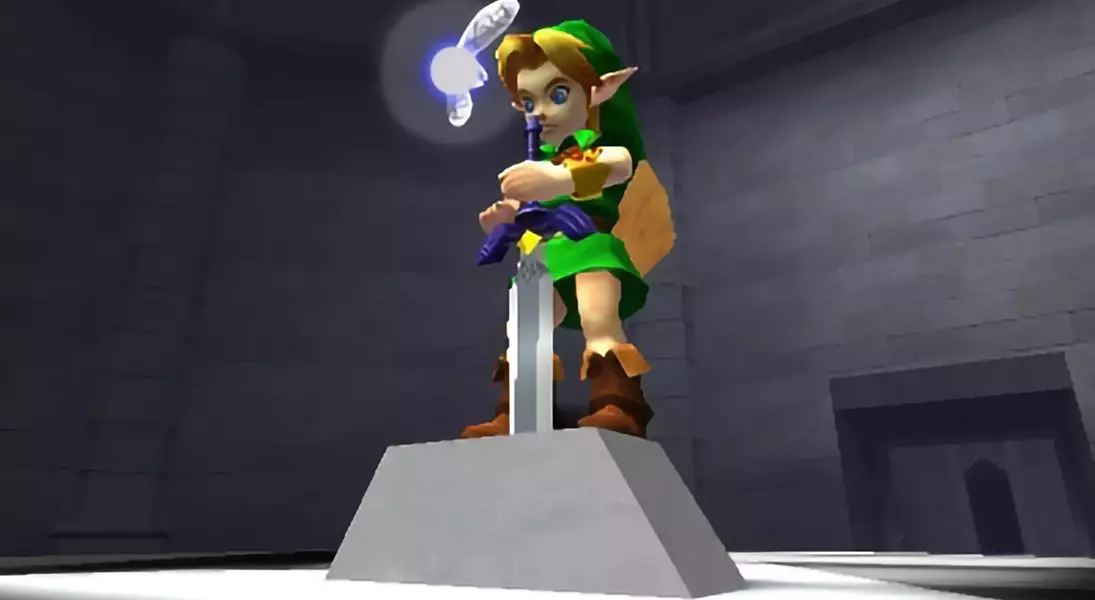
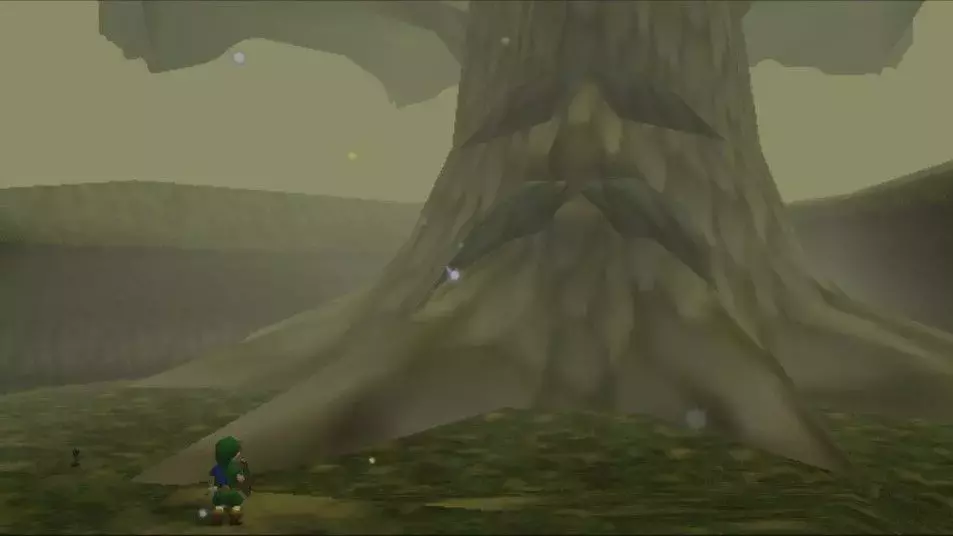
From the outset, Navi's role was pivotal. She was the first to awaken Link to his destiny, leading him to the ancient Great Deku Tree and initiating his epic quest to safeguard Hyrule from the sinister Ganondorf. Throughout this arduous journey, Navi provided constant encouragement, assisted in targeting adversaries during combat—a revolutionary feature for its era—and elucidated the rich lore of the expansive world. Her unwavering presence, from the game's prologue to its climactic conclusion, underscores her significance, offering clarity and support in moments of uncertainty.
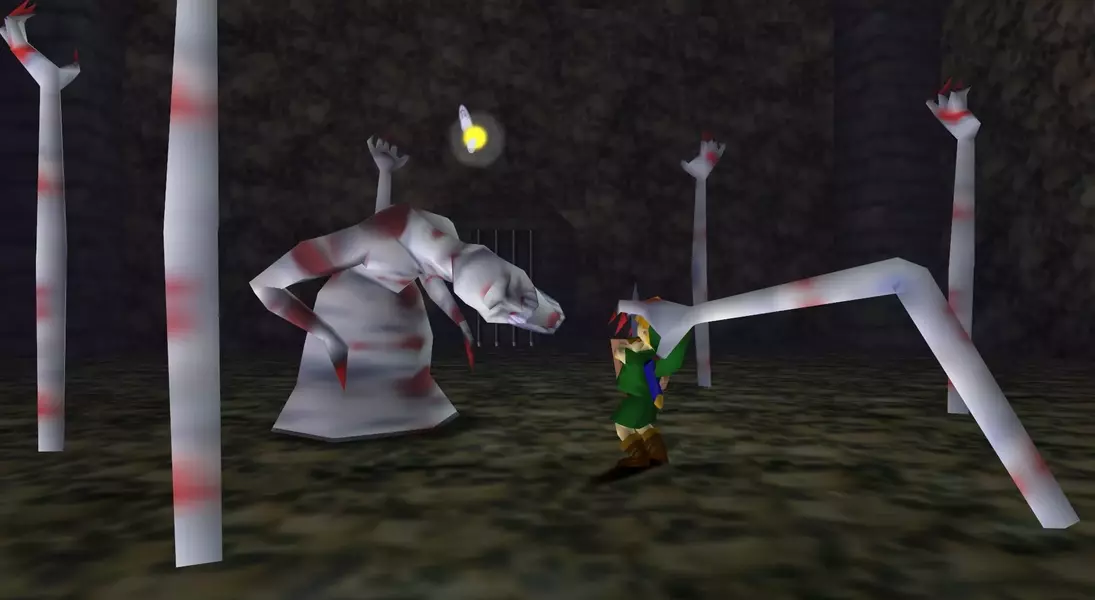
Despite these critical functions, players often recall her most annoying habits: her untimely cries and interruptions during tense battles or crucial exploration. Yet, these minor inconveniences pale in comparison to her overarching utility. Navi's targeting system transformed combat, enabling fluid strafing and precise attacks, a stark contrast to the unwieldy camera controls prevalent in early 3D titles. Her ability to highlight distant points of interest also imbued Hyrule with a sense of depth and interactivity, enriching the environmental design and verticality of its dungeons.
Beyond her mechanical contributions, Navi formed an unbreakable bond with Link. Her reappearance after Link's seven-year slumber, and Ganondorf's deliberate attempt to separate them during their final confrontation, emphasized the profound connection they shared. Her silent departure at the game's end symbolized Link's maturation and independence, a poignant conclusion to their shared journey.
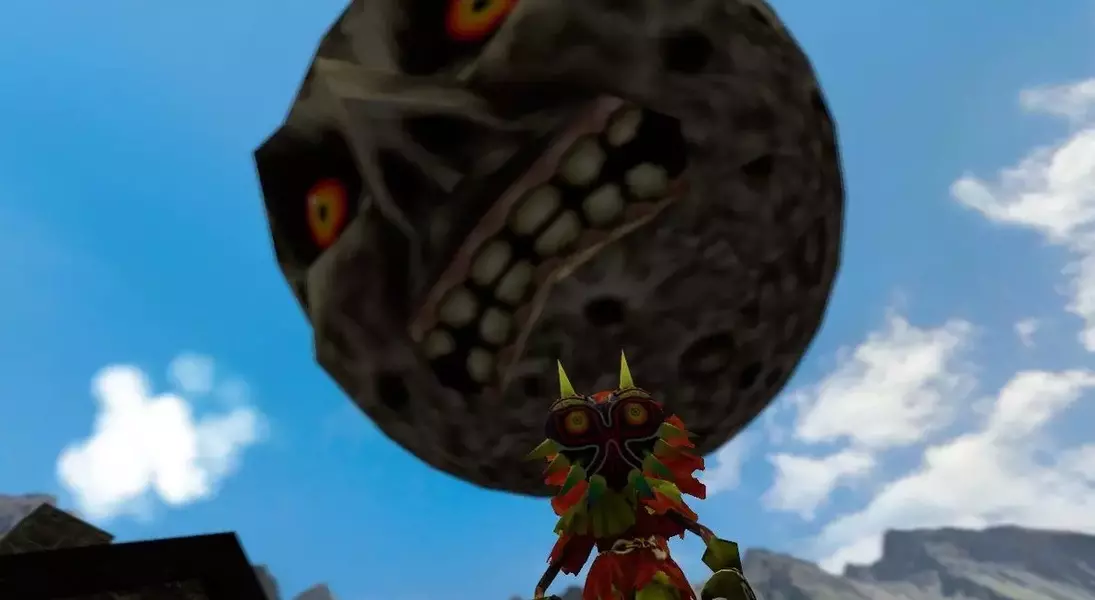
However, Navi's story does not end there. In the unexpected sequel, Majora's Mask, Link embarks on a new quest in an unfamiliar land, not merely to avert an impending apocalypse, but to find a lost, invaluable friend. While many players focused on the world-saving narrative, the underlying search for his missing companion is arguably for Navi. Her absence left a void, suggesting that despite her imperfections, she was an integral part of Link's growth and a foundational element of his adventuring spirit. Navi transcended her role as a mere tutorial, becoming a symbol of loyalty and guidance that propelled The Legend of Zelda into the third dimension with unparalleled success.
Navi's enduring presence in The Legend of Zelda: Ocarina of Time prompts us to reflect on the nature of guidance and companionship in digital worlds. Her initial reception, often marred by frustration, gradually gives way to an appreciation for her foundational role. She wasn't just a mechanic; she was a narrative device that underscored Link's journey from a naive Kokiri boy to a seasoned hero. Her ultimate departure, then, represents a necessary evolution, a moment where the protege outgrows the mentor. This narrative arc, coupled with her innovative contributions to gameplay, solidifies Navi's status as a character who, despite her flaws, deserves not derision, but profound gratitude for shaping one of gaming's most celebrated masterpieces. Her legacy serves as a reminder that even the most irritating companions can harbor the deepest impact, transforming a game into an unforgettable experience.
