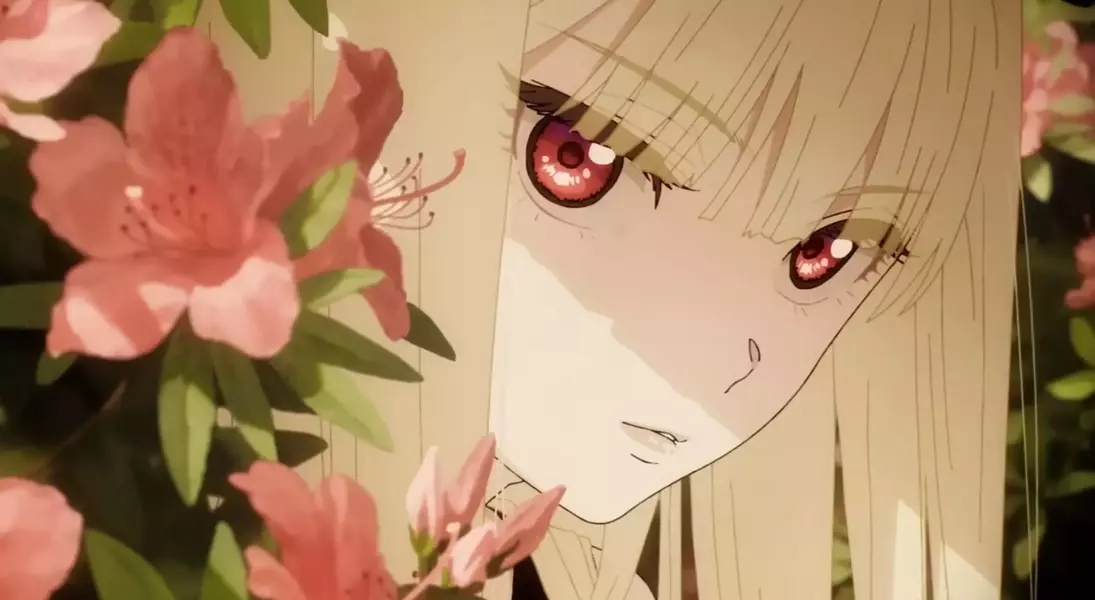
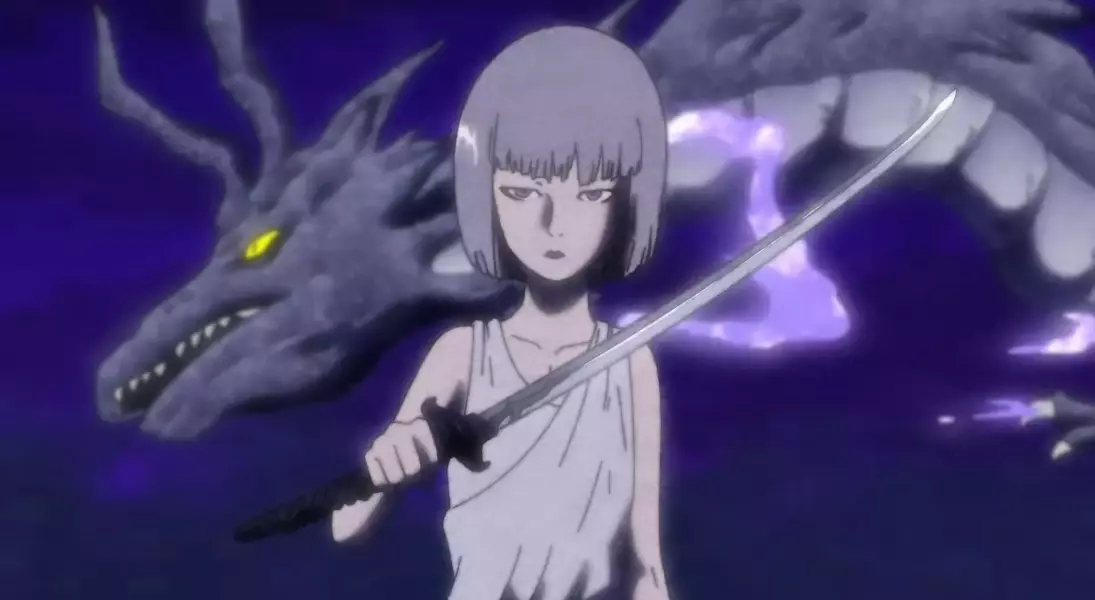
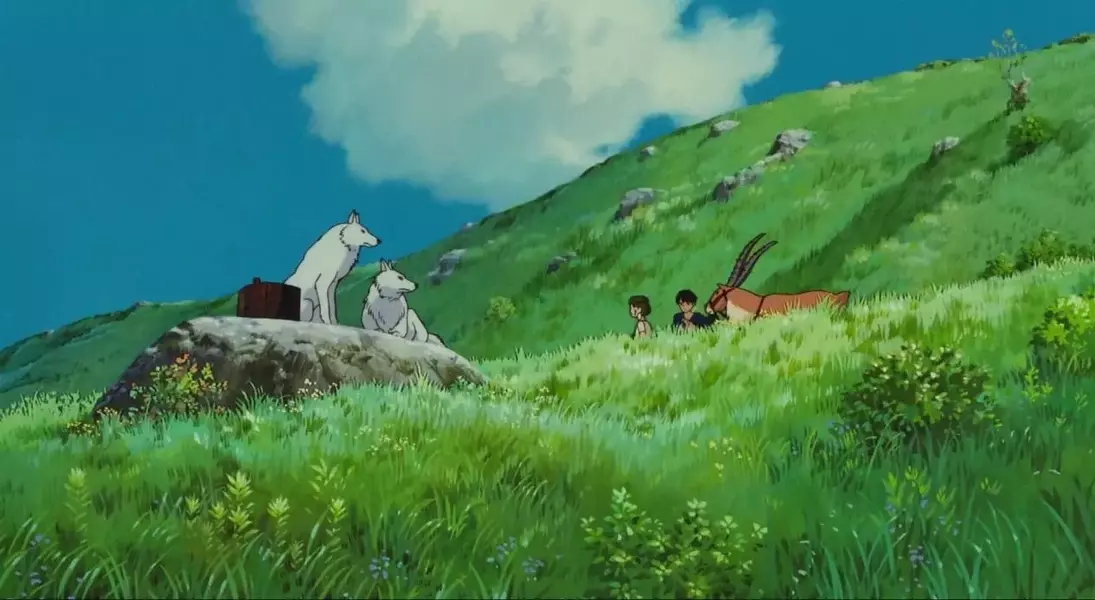
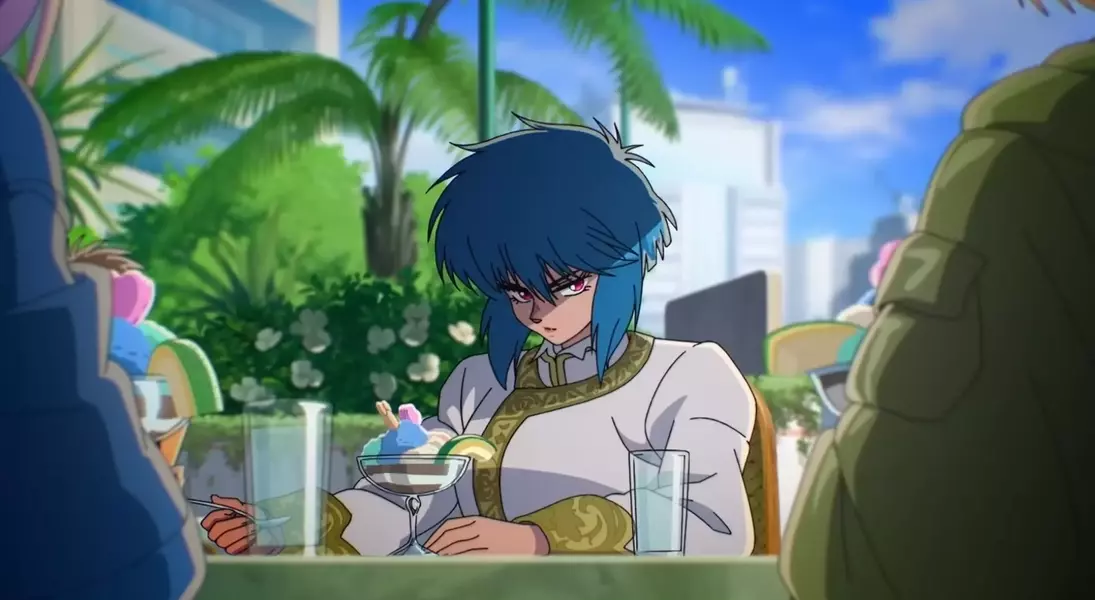
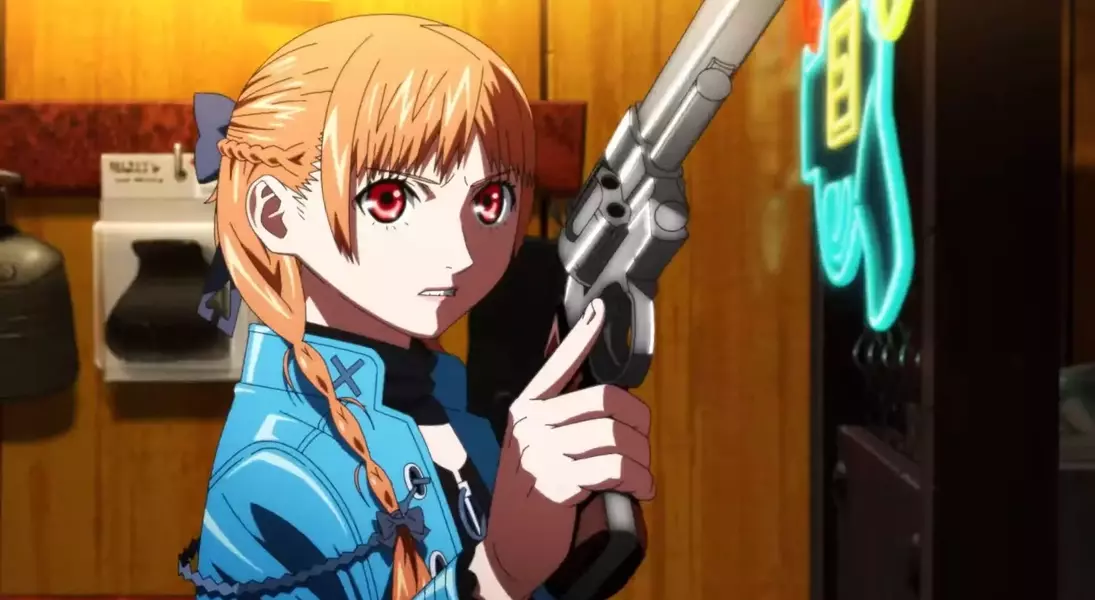
This year's Anime Expo surprisingly emphasized the enduring value of traditional hand-drawn animation amidst the prevalence of digital production methods. A significant number of creators, including renowned figures like Yoshitaka Amano and the minds behind Science Saru's new 'The Ghost in the Shell,' underscored the profound connection and artistic integrity that human touch brings to animated works. Their insights reveal a deeper philosophical appreciation for the imperfections and unique qualities inherent in handcrafted art, suggesting a potential shift in audience preference towards more 'tangible' forms of entertainment, reminiscent of the vinyl record revival in music.
During the recent Anime Expo in Los Angeles, a recurring sentiment among various directors and artists was the profound significance they still attach to animation created by hand. Despite the widespread adoption of digital tools that have streamlined and modernized the anime production process, many believe that the essence of human artistry remains irreplaceable. This perspective was particularly evident in discussions with Yoshitaka Amano, known for his distinctive art style, and the creative team developing the latest adaptation of 'The Ghost in the Shell.'
Amano, when discussing his upcoming project 'ZAN,' expressed a strong conviction that artificial intelligence, while a powerful tool, cannot replicate the fundamental act of creation 'from zero to one.' He articulated that true originality stems exclusively from human ingenuity. Furthermore, he elaborated on the idea that perceived 'imperfections' in hand-drawn animation are not flaws to be eradicated but rather intrinsic elements that embody humanity itself. These subtle variations contribute to the character and authenticity of the artwork, distinguishing it from perfectly rendered, yet potentially soulless, digital creations.
Similarly, the creators of 'The Ghost in the Shell' shared a deliberate choice to employ older, hand-drawn techniques, not out of nostalgia, but for thematic resonance. Director Mokochan and executive animation director Shuuhei Handa explained their intention to emphasize the subtle nuances of human body movement and an 'analog style' to align with the series' exploration of what it means to be human. This approach diverges from the trend of maximizing modern technological capabilities, instead prioritizing a more organic and emotionally resonant visual experience that viewers can intimately connect with the artist's presence in each frame.
Even though digital methods now facilitate faster and cleaner animation, with artists largely using styluses on tablets rather than pencils on paper, the core act of drawing frame by frame persists. However, the current discourse transcends the debate between paper and pixels. Instead, it centers on whether audiences can still perceive and appreciate the human artistry embedded within the work, and how different production techniques might influence this perception. This renewed focus suggests that while technology evolves, the intrinsic value of human craftsmanship continues to captivate both creators and viewers alike.
The embrace of visible craftsmanship is particularly intriguing in an era dominated by polished, frictionless digital media. Amano posited that a growing demand for hand-drawn anime exists, especially among younger audiences who encounter it as something novel rather than antiquated. This phenomenon mirrors the resurgence of vinyl records, where enthusiasts often cite a 'livelier' and 'warmer' listening experience, alongside the tangible engagement required. It implies that perhaps the deliberate 'friction' and palpable effort evident in hand-drawn animation offer a refreshing contrast to the seamless but impersonal nature of much contemporary entertainment, leading audiences to crave the unmistakable mark of a human creator.
