My fascination with creepy doll narratives began in childhood, deeply influenced by works such as R. L. Stine's Night of the Living Dummy, and further fueled by films like Child’s Play and Puppet Master. Stephen King’s chilling X-Files episode “Chinga” also solidified this interest. It wasn't until I immersed myself in the classic television series, The Twilight Zone, that I recognized the profound influence of a particular episode on this horror subgenre. This seminal installment, considered the most unsettling of the series, is freely available on Tubi, offering a glimpse into the origins of many terrifying doll stories.
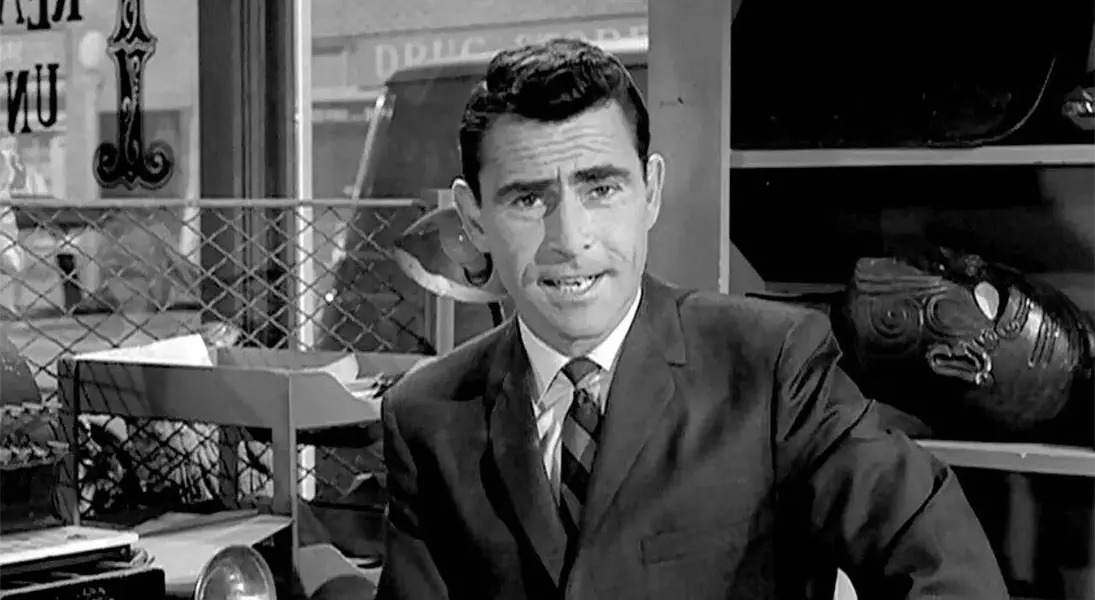
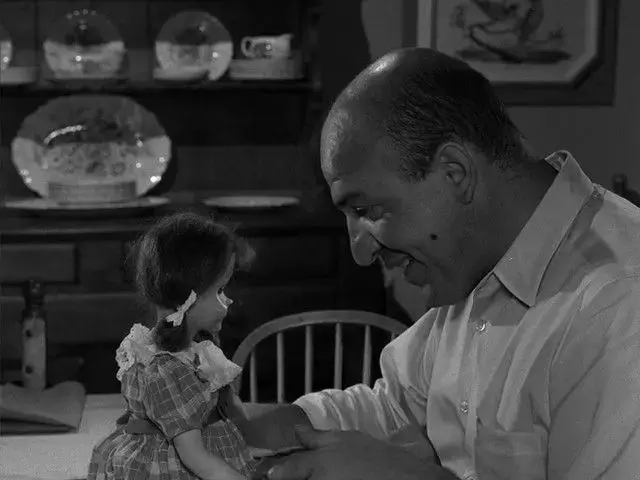
The Twilight Zone, an anthology television series created and primarily written by Rod Serling, originally aired from 1959 to 1964. Spanning five seasons and 156 episodes, the black-and-white series masterfully blended science fiction and horror, leaving an indelible mark on both genres. This influence is particularly evident in the living doll horror subgenre, which includes modern classics like Child's Play and Annabelle, all stemming from one exceptionally disturbing episode. The episode, titled “Living Doll,” introduces Christie, a young girl living in a fractured family with her mother Annabelle and her new stepfather Erich. Erich, portrayed as a bitter and insecure man, struggles with his inability to have children and openly rejects Christie's affection, asserting that he is not her father. The family's dysfunction escalates when Annabelle purchases a new doll, Talky Tina, an acquisition Erich resents due to its cost, leading to a heated argument in front of Christie and the doll.
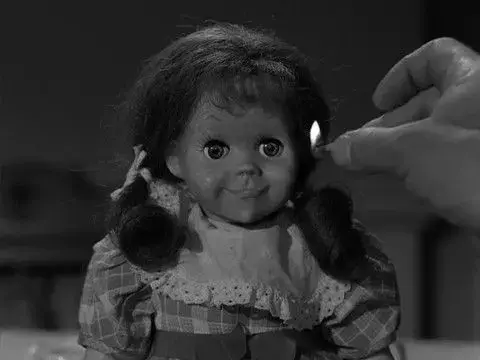
When wound, Tina utters the seemingly innocent phrase, “My name is Talky Tina, and I love you very much.” However, when Erich, out of curiosity, winds the doll while alone, it chillingly declares, “My name is Talky Tina and I don’t think I like you.” With each subsequent encounter, Tina’s pronouncements grow more menacing, escalating to, “My name is Talky Tina, and I’m beginning to hate you.” Initially, Erich suspects his wife is orchestrating these events to humiliate him. As his paranoia intensifies, convinced the doll is an malevolent entity, he attempts to destroy it, yet Tina inexplicably reappears in Christie’s bed, driving Erich further into erratic behavior. While the concept of killer dolls has ancient roots, “Living Doll” played a crucial role in popularizing and solidifying many of the genre’s enduring tropes, inspiring countless subsequent works. Don Mancini, the creator of Chucky, has openly acknowledged the episode as a significant influence on his iconic killer doll. The impact of “Living Doll” is also palpable in the Annabelle film series and M3GAN. R. L. Stine, known for his Goosebumps series, was greatly affected by The Twilight Zone, particularly by “Talky Tina,” though episodes like “The Dummy” and “Caesar and Me,” which feature living ventriloquist dummies, likely had a more direct influence on Night of the Living Dummy. While those episodes are compelling, “Living Doll” retains a uniquely terrifying quality.
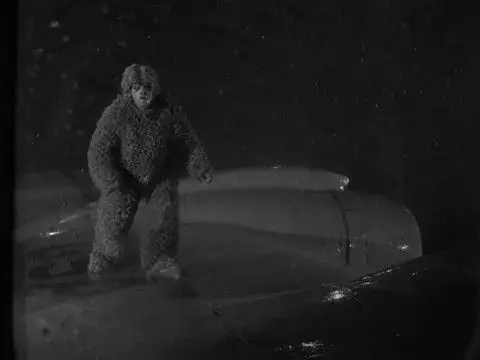
“Living Doll” maintains its status as the most unsettling Twilight Zone episode for several compelling reasons. Its concise 20-minute runtime contributes to its effectiveness, and the narrative cleverly intertwines Erich's escalating paranoia with the doll's sinister presence, crafting a universally resonant story of psychological dread. Fundamentally, baby dolls possess an inherent creepiness that transcends time, and Talky Tina, with her vacant expression and childlike voice, remains genuinely frightening. The episode's black-and-white cinematography further enhances her eerie appeal. Unlike many classic Twilight Zone episodes that sometimes falter due to outdated special effects or anticlimactic monster reveals, “Living Doll” has aged remarkably well. For instance, in “Nightmare at 20,000 Feet,” William Shatner’s palpable paranoia is undermined by the visual of a rather unconvincing gremlin. However, “Living Doll” bypasses such pitfalls, its enduring power rooted in the timeless unease evoked by dolls. It’s a profoundly unsettling story, grounded in realistic human characters and featuring a villain that continues to inspire terrifying figures in horror. Therefore, if you've ever been plagued by nightmares of Chucky or Annabelle, you owe a debt of gratitude to Talky Tina and the masterful storytelling of Rod Serling.
