
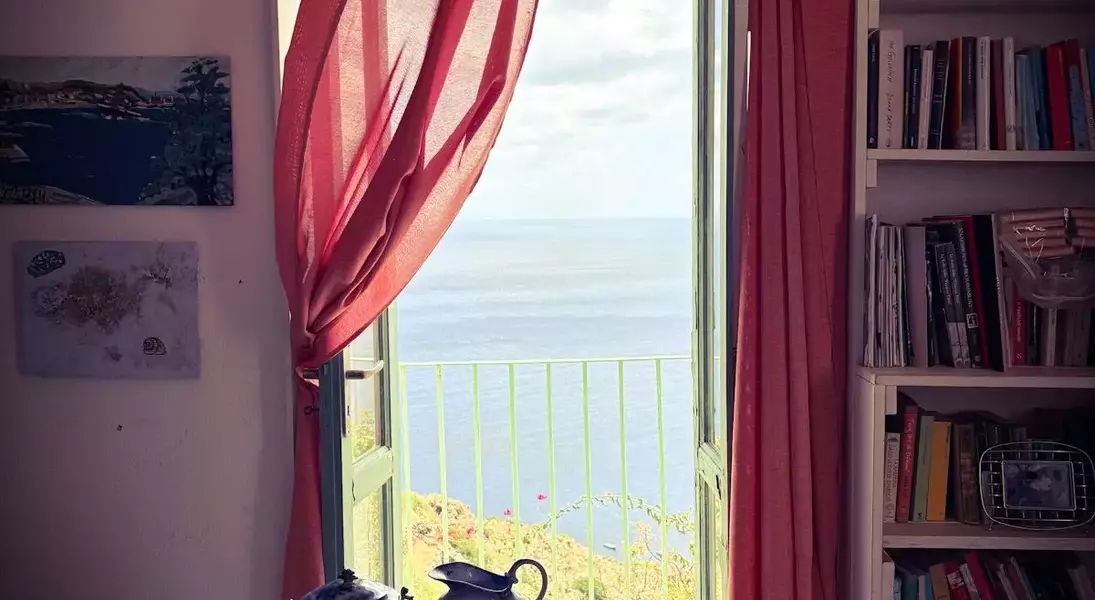
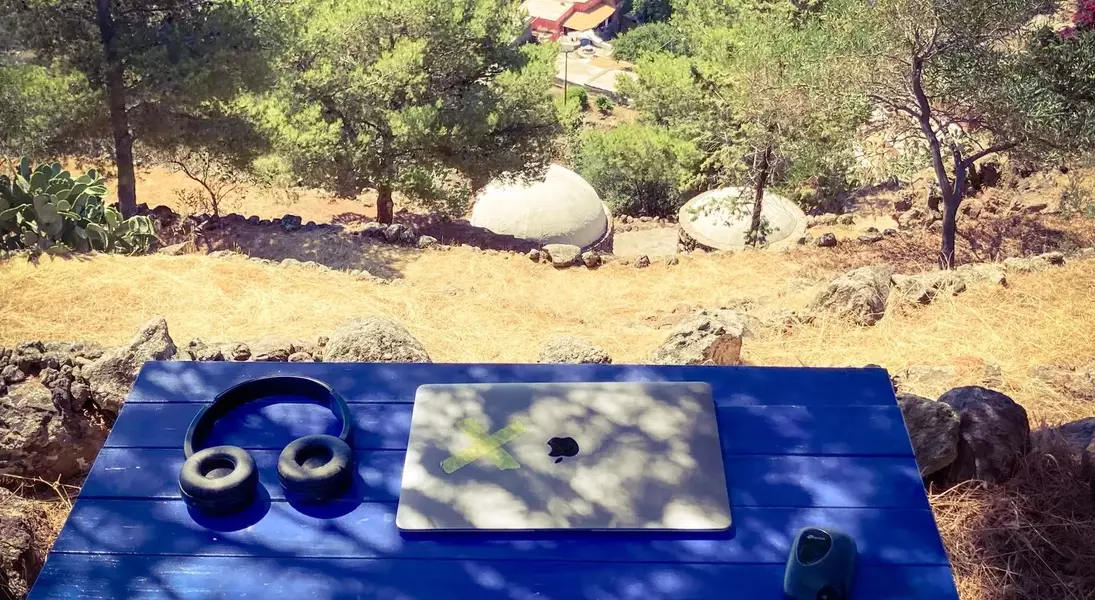
For over three decades, the enchanting island of Alicudi, a secluded jewel within the Mediterranean's Aeolian archipelago, served as a cherished sanctuary for a family. This unique retreat, accessible only by boat and donkey, demanded a strenuous journey up 450 steps to a home nestled within a dormant volcanic crater. It was a place where creativity flourished, deep personal connections were forged, and the absence of modern distractions fostered a profound sense of introspection. The island home became a symbol of independence for the author's mother, a writer, providing her with a sacred space for thought and work. For the author, it represented a balm against the complexities of city life and adolescence, a steadfast presence that offered solace and an opportunity for self-discovery.
However, the narrative takes a poignant turn with the unexpected sale of this beloved ancestral home. This decision, made without the collective farewell the author yearned for, brought to light the transient nature of physical spaces and the enduring power of emotional attachments. The loss was not merely of a structure but of a shared history, a unique intergenerational pact, and a tangible link to a significant chapter of their lives. Despite the initial shock and a sense of betrayal, the experience ultimately offered a profound lesson on the importance of acknowledging transitions and openly communicating feelings within a family, transforming the inheritance from a physical dwelling into a deeper understanding of human connection and the necessity of communal mourning.
Alicudi: A Remote Haven for Creativity and Connection
The island of Alicudi, a part of the Aeolian Islands, is described as a difficult-to-reach but profoundly rewarding destination that became a cherished family retreat for 34 years. Its car-free, road-free environment, accessible only by numerous steps, made it an arduous journey but one that purified the soul, shedding the stresses of urban existence. For the author's mother, a writer, the island home was her "room of one's own," a place where she could immerse herself in her work, often drawing inspiration from the island itself. The author, too, found this remote haven to be a space for personal growth and a refuge from the distractions of the outside world, learning to appreciate the stillness and boredom that sparked creativity.
This secluded island facilitated a unique bonding experience between the author and her mother, particularly during challenging periods. The demanding journey to the house, involving flights, boat rides, and donkey-laden climbs, underscored the value of the quiet solitude it offered. The sun-drenched rooms, the scent of jasmine, and the gentle sea breeze created an atmosphere conducive to introspection and emotional nourishment. It was a place where the typical compromises of married life faded, and where the mother, who often found it challenging to express empathy in daily life, could truly open up and show her love, making the island an indispensable part of their shared emotional landscape and a testament to the power of dedicated personal space.
The Bittersweet Farewell: Lessons in Loss and Legacy
The deeply felt silence and primal atmosphere of Alicudi fostered intense emotions, serving as a backdrop for both love and longing. The author vividly recalls arriving at the island, often in periods of emotional turmoil, and finding immediate solace in her mother's presence and the comforting embrace of the home. This unique environment allowed for a release of accumulated stress, often manifesting as physical ailments, which were then tenderly cared for by her mother. The island, with its emotionally nurturing qualities, provided a space where their differences peeled away, allowing for a more profound connection and a clearer expression of love, particularly from the mother, who found it easier to be generous there.
The unexpected sale of the family home on Alicudi, a place imbued with generations of memories and a tacit understanding of female lineage, came as a profound shock to the author. Despite her parents' justifiable desire for a new, more accessible home, the lack of a collective farewell left a deep emotional void. The author's struggle to process this abrupt change highlighted the intangible value of the home—not just as a physical structure, but as a crucible for personal identity and familial bonds. This experience underscored a crucial lesson: the importance of acknowledging and ritualizing goodbyes, ensuring that all feelings are held and expressed before cherished parts of life irrevocably disappear, a legacy she now intends to pass on to her own children.
