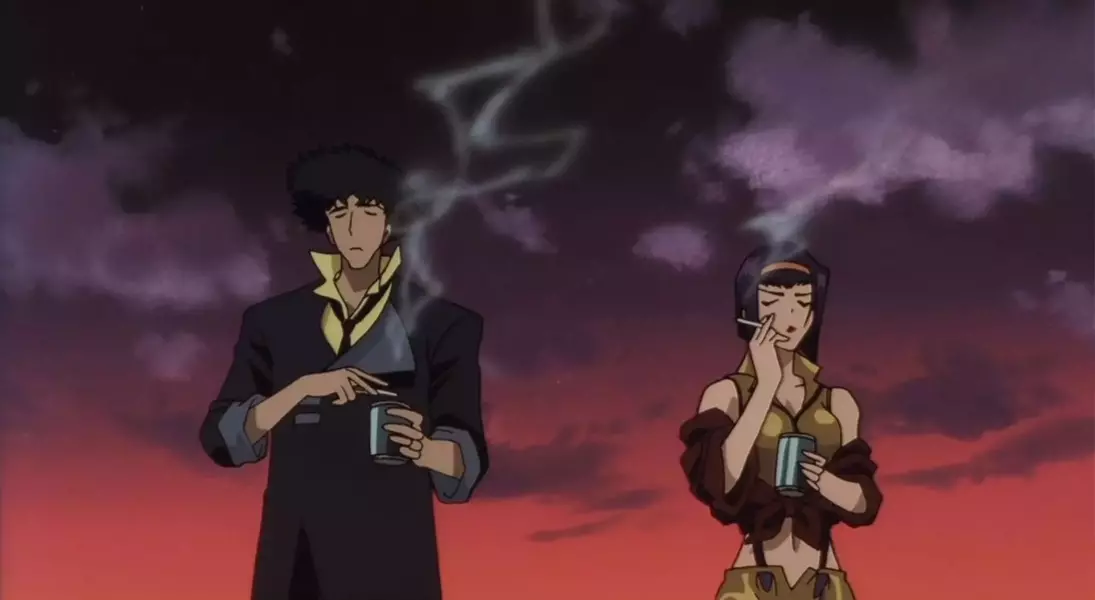
Few animated series manage to etch themselves into cultural memory with the same indelible clarity as Cowboy Bebop. Decades following its initial broadcast, the show's memorable dialogue continues to echo with fans, from Jet Black's resigned acceptance of the past to Faye Valentine's sharp combat wisdom, and the fatalistic mantra, "whatever happens, happens." Shinichirō Watanabe's 1998 space western skillfully cloaks profound melancholy beneath a veneer of cool. Each witty remark, cigarette puff, intense firefight, and intimate late-night discussion underscores a pervasive sense that its protagonists are perpetually attempting to outrun an inescapable history. Among them, Spike Spiegel uniquely embodies this internal conflict.
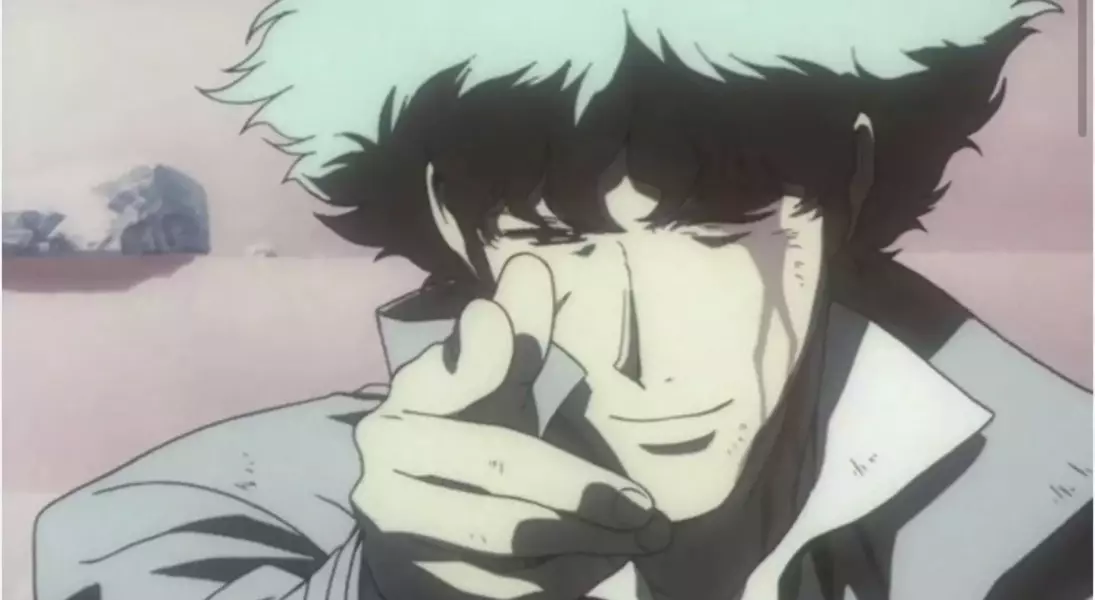
Voiced with remarkable skill by Steve Blum in the English adaptation, Spike is a bounty hunter who faces peril with an almost nonchalant demeanor. He drifts from one assignment to the next, burdened by the unresolved echoes of a tumultuous life he left behind. His relaxed confidence, dry wit, and uncanny knack for escaping dangerous predicaments make him an easily endearing figure. Yet, an inherent detachment always surrounds him, as if a part of Spike remains inextricably bound to his past. Blum's portrayal beautifully captures this duality, imbuing Spike with the gritty charm of a noir protagonist while occasionally allowing glimpses of the underlying weariness to surface. Even as Spike delivers a quip or strolls into another gunfight, Blum conveys a sense that he carries unspoken burdens—a crucial aspect of the character that gains increasing significance as the series progressively unveils the truths Spike has been evading.
Spike's Existential Search: Beyond Mere Survival
The profound sorrow embedded in Spike's character culminates in one of his most pivotal final declarations. This moment serves as a poignant reminder of the figures inhabiting the world of Cowboy Bebop and the series' deliberate avoidance of conventional happy endings. Spike's poignant exchange with Faye aboard the Bebop, just before his fateful confrontation with Vicious, succinctly captures the very essence of the entire series. His assertion, "I'm not going there to die. I'm going to find out if I'm really alive," initially sounds like another effortlessly cool line, a casual remark reinforcing his characteristic indifference. However, its placement within the climactic final episode illuminates the extent to which his life has been lived in a gray area, oscillating between genuine existence and mere endurance. Spike has borne the immense weight of his past for years, yet he never quite discovered a way to truly release it.
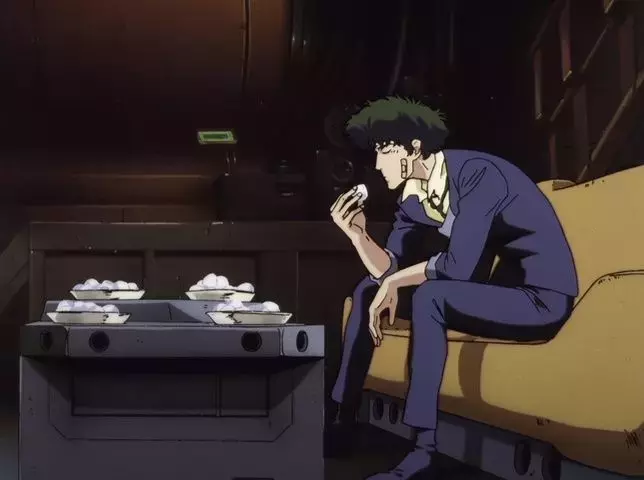
The most evident interpretation of Spike's journey is that he long ago forfeited the life he so desperately desired but could never fully attain. His intricate bond with Julia concludes even before the narrative commences, and the person he once was appears almost as distant as the Red Dragon organization from which he narrowly escaped. While the Bebop offers him a semblance of a renewed, more fulfilling existence in the aftermath of considerable heartbreak, Spike never fully commits to this new chapter. He inhabits a form of purgatory, surrounded by companions who genuinely care for him, yet his emotions remain tethered to a past he steadfastly claims is firmly behind him.
The Unyielding Burden: Memory, Regret, and Trauma
This internal conflict is precisely what elevates the series finale beyond a mere stylish confrontation. Spike's ultimate objective isn't to simply settle a score with Vicious; rather, he seeks to discover if any remnants of his former self still persist. His past has become an oppressive weight, and despite his outward displays of indifference, he has carried this burden throughout the entire series with little resolution. Spike's ultimate fate after his encounter with Vicious lends profound gravity to Cowboy Bebop's renowned closing phrase, "You're gonna carry that weight." While several episodes feature impactful climactic notes before the credits, such as the iconic "See you Space Cowboy," few resonate with the emotional force of this final declaration. This "weight" encompasses more than just grief; it represents the collective burdens shared by all the inhabitants of the Bebop: memory, regret, trauma, affection, and solitude—all the elements people bear when they are unable to move forward. Spike spent years convincing himself that none of these things truly mattered. His final action, in a peculiar sense, shatters that carefully constructed facade.
The concept resonates powerfully in contemporary times. Cowboy Bebop masterfully portrays the unique exhaustion experienced by individuals who aren't necessarily unhappy, yet aren't truly living either. They work, they eat, they share jokes with friends, and they keep themselves occupied. They endure. However, a part of them remains trapped in a past iteration of their lives, perpetually pondering what might have been if circumstances had unfolded differently, without ever genuinely progressing. Therefore, Spike's choice to confront his past is not heroic in a conventional sense, but rather an act of profound liberation. He finally ceases his relentless flight long enough to face the very force that has defined him, even if doing so entails sacrificing everything. This is why the quote retains its poignant impact nearly three decades later. Spike isn't questioning his survival through the night; he is questioning whether he has truly been alive all along. And Cowboy Bebop, in all its melancholic, jazz-infused brilliance, leaves us with the stark truth that merely existing to survive and truly living are two fundamentally distinct experiences.
