In the desolate landscapes of post-apocalyptic narratives, the survival of humanity extends beyond mere physical existence to the preservation and reinterpretation of art and culture. This exploration delves into how stories like "28 Years Later: The Bone Temple" and "Station Eleven" portray the unexpected and profound ways that music, literature, and performance become anchors for identity, community, and hope in worlds ravaged by catastrophe. These tales collectively ponder which fragments of our cultural heritage will withstand societal collapse and what new meanings they will acquire for those who endure.
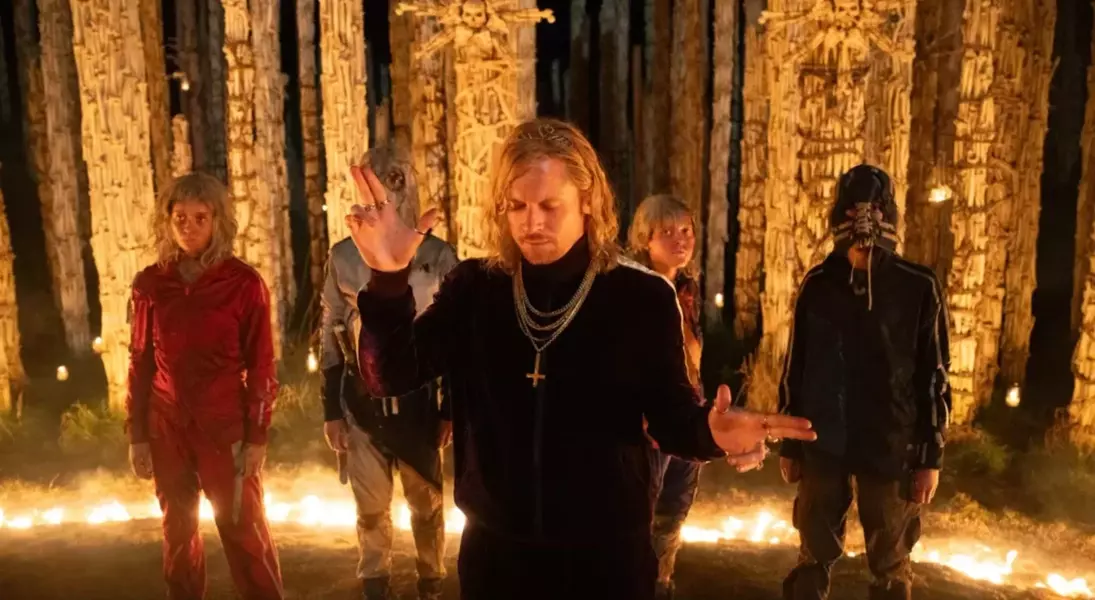
Dr. Ian Kelson, a peculiar figure in "28 Years Later: The Bone Temple," epitomizes this theme. Amidst his grim daily task of constructing a monumental ossuary to honor victims of the Rage virus, Kelson finds solace and a connection to the past through his cherished vinyl collection. His impromptu sing-alongs to Duran Duran while tending to the deceased, or his spirited dances to "Rio" with the infected Samson, illustrate music's potent ability to offer comfort and continuity. This personal ritual culminates in a dramatic scene where Kelson orchestrates a heavy metal spectacle, donning goth attire and performing to Iron Maiden's "The Number of the Beast," captivating a new generation of followers with its raw power. This performance, though born of duress, underscores how art can be repurposed, creating new social structures and belief systems in the absence of established norms.
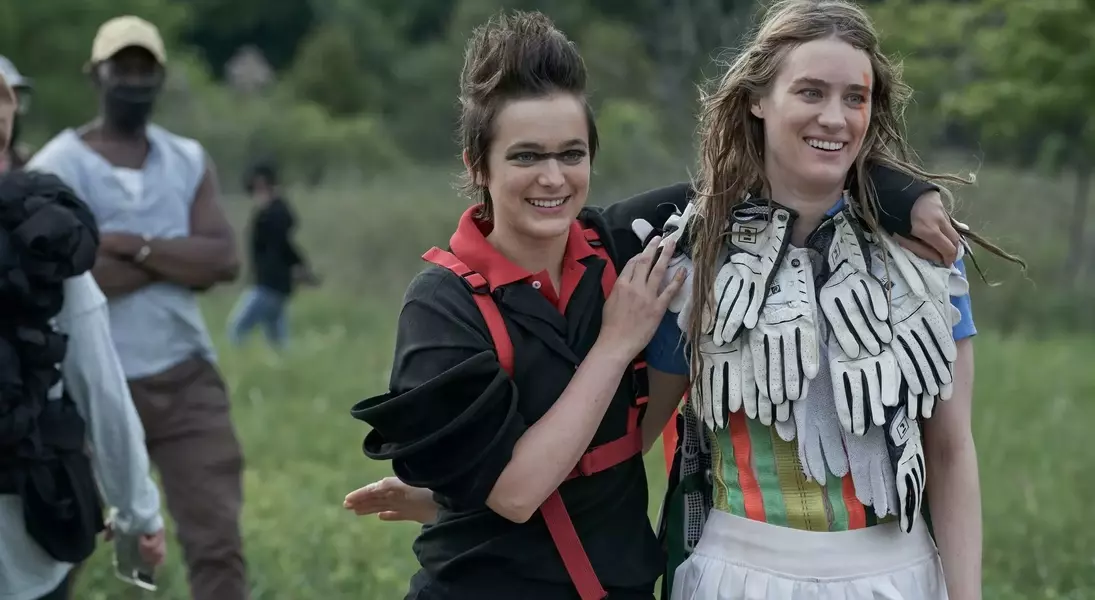
Similarly, "Station Eleven," an adaptation of Emily St. John Mandel's novel, showcases the Traveling Symphony, a nomadic theater troupe performing Shakespeare across a pandemic-stricken Midwest. Their dedication to art is encapsulated in their motto, "survival is insufficient," borrowed from "Star Trek: Voyager." This philosophy suggests that human existence demands more than just staying alive; it requires spiritual and cultural nourishment. The troupe's performances inspire onlookers, drawing them into a new collective identity as actors and patrons of the arts. This narrative highlights how the enduring power of storytelling, even in its most classic forms, can galvanize communities and offer a sense of purpose and belonging in a fractured world.
Both narratives also touch upon the arbitrary nature of what cultural artifacts survive and resonate. Just as Kelson's captor, Jimmy, fixates on "Teletubbies," "Station Eleven's" protagonist, Kirsten, finds deep meaning in a comic book she received just as civilization crumbled. These seemingly random objects become profound cultural touchstones, not necessarily for their inherent artistic merit, but for the profound context in which they were encountered. The stories suggest that in a post-apocalyptic world, the value of art is less about its original intent and more about its capacity to provide solace, provoke thought, or simply offer a shared experience in a world hungry for connection.
Many other artistic works explore this fertile ground, from Will Smith's character in "I Am Legend" finding comfort in Bob Marley's music to the imaginative recounting of "Star Wars" scenes in "Reign of Fire." These examples consistently demonstrate that art, in its myriad forms, serves as a crucial emotional and intellectual lifeline. It offers a means of processing trauma, reimagining identity, and even establishing new social orders. Ultimately, Kelson's dramatic concert, though it did not save his life, stands as a testament to the idea that even in the face of ultimate demise, the act of creating and experiencing art is a powerful, perhaps even essential, component of the human spirit's resilience.
