
Nintendo's iconic green dinosaur, Yoshi, holds a unique and somewhat perplexing position in the gaming world. While universally adored and recognized, the quality and ambition of his solo ventures often fall short compared to his initial breakout success. This piece delves into the contrasting experiences of Yoshi's gaming career, from the groundbreaking 'Yoshi's Island' to a series of titles that, despite some innovative elements, frequently leave players wanting more. It sparks a conversation about Nintendo's approach to developing games for its younger audience and the potential for a character as charming as Yoshi to star in consistently stellar titles.
Unpacking Yoshi's Gaming Evolution: A Mixed Bag of Innovation and Indifference
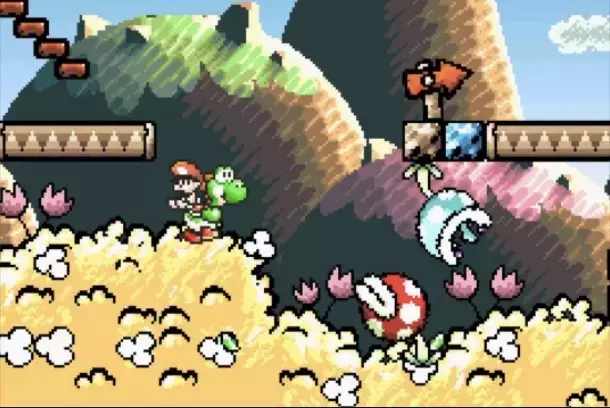
The tale of Yoshi, Nintendo's distinctive dinosaur, is one marked by both brilliance and a peculiar lack of consistent commitment from its creator. Introduced initially as Mario's companion in the Super Nintendo classic, 'Super Mario World,' Yoshi quickly endeared himself to players with his unique abilities and endearing charm. This popularity culminated in the release of 'Super Mario World 2: Yoshi's Island' in 1995. Developed by Nintendo's top talents, including visionaries like Shigeru Miyamoto and Takashi Tezuka, this game transcended typical platformers. It was a masterclass in creative design, featuring a whimsical, crayon-art aesthetic, innovative gameplay mechanics like flutter jumps and egg-tossing, and a surprisingly deep challenge. 'Yoshi's Island' brilliantly captured the essence of childhood, presenting Mario and Luigi as infants, and set a high bar for what a Yoshi-centric game could be.
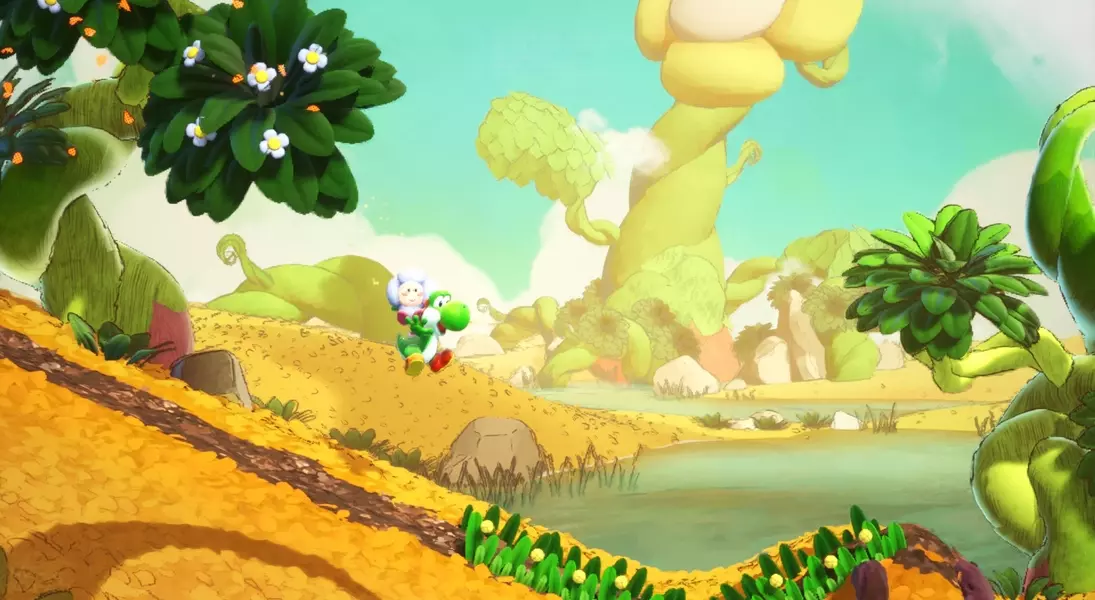
However, the vibrant future that 'Yoshi's Island' seemed to promise for the character never fully materialized. Post-1995, Yoshi's standalone games often veered into experimental territory or were entrusted to less experienced development teams, resulting in a series of titles that, while sometimes innovative, frequently lacked the polish and depth of his earlier triumph. Games like 'Yoshi's Story' on the N64, 'Yoshi's Universal Gravitation' for the Game Boy Advance with its tilt controls, and the touchscreen-focused 'Yoshi Touch & Go' on the DS, showcased fleeting glimpses of potential but struggled to achieve lasting impact. More recent entries, such as 'Yoshi's Woolly World' and 'Yoshi and the Mysterious Book,' developed by Good-Feel, adopted a handcrafted visual style and more forgiving gameplay, catering to younger audiences. While these titles improved in quality, they often conveyed a sense of limited ambition, never quite recapturing the magic of his seminal work.
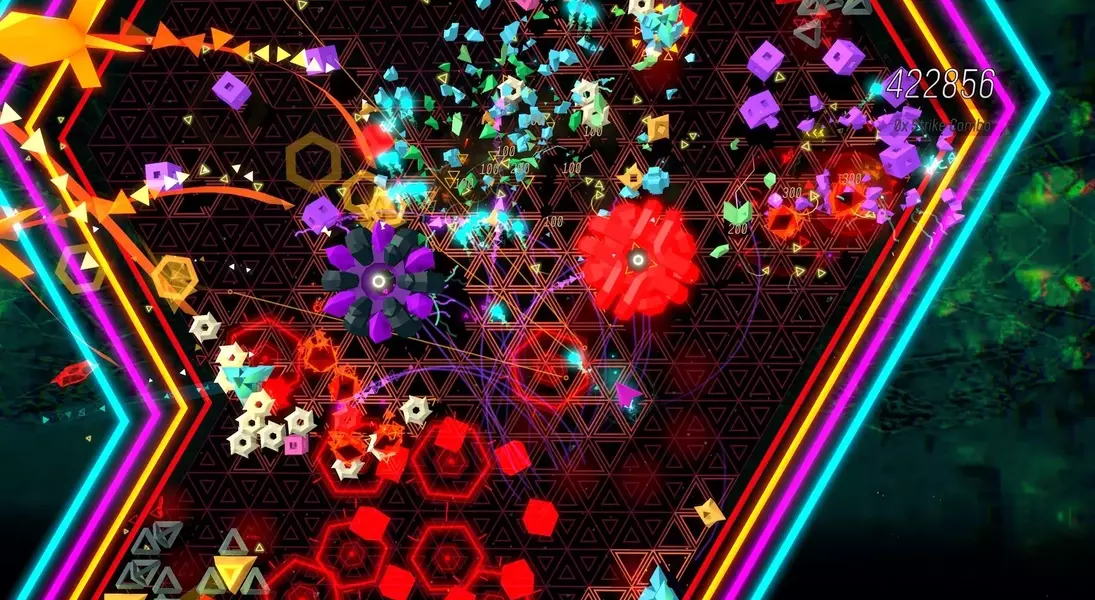
Alongside Yoshi's journey, the article also spotlights 'Sektori,' a critically acclaimed abstract twin-stick shooter from former Housemarque developer Kimmo Lahtinen, which has garnered an impressive 93 on Metacritic for the Switch 2 version. This title channels the energy of 'Geometry Wars' and Jeff Minter's works, offering a vibrant and engaging experience. For music enthusiasts, Koji Kondo's 'Flower Field BGM' from 'Yoshi's Island' is celebrated for its masterful use of the SNES sound chip, conjuring a beautifully plaintive harmonica melody over a funky shuffle. Additionally, 'Super Mario World 2: Yoshi's Island' is revisited as a Nintendo classic, hailed as one of the greatest platformers ever, combining hectic physical comedy, tactile joy, and a prescient sketchbook aesthetic that was decades ahead of its time.
The journey of Yoshi's solo career presents a fascinating paradox. A character so universally loved and recognized, yet one whose potential has rarely been fully realized since his standout title. This narrative prompts us to consider the fine line between innovation and dilution in game development, particularly when catering to diverse player bases. It underscores the idea that even for a character as charming and iconic as Yoshi, consistent creative investment is crucial for sustained excellence. While Nintendo undoubtedly excels at creating engaging experiences for young players, the lingering sentiment is that these titles could, and perhaps should, reach for higher artistic and gameplay aspirations, ensuring that every Yoshi adventure lives up to the character's inherent appeal.
