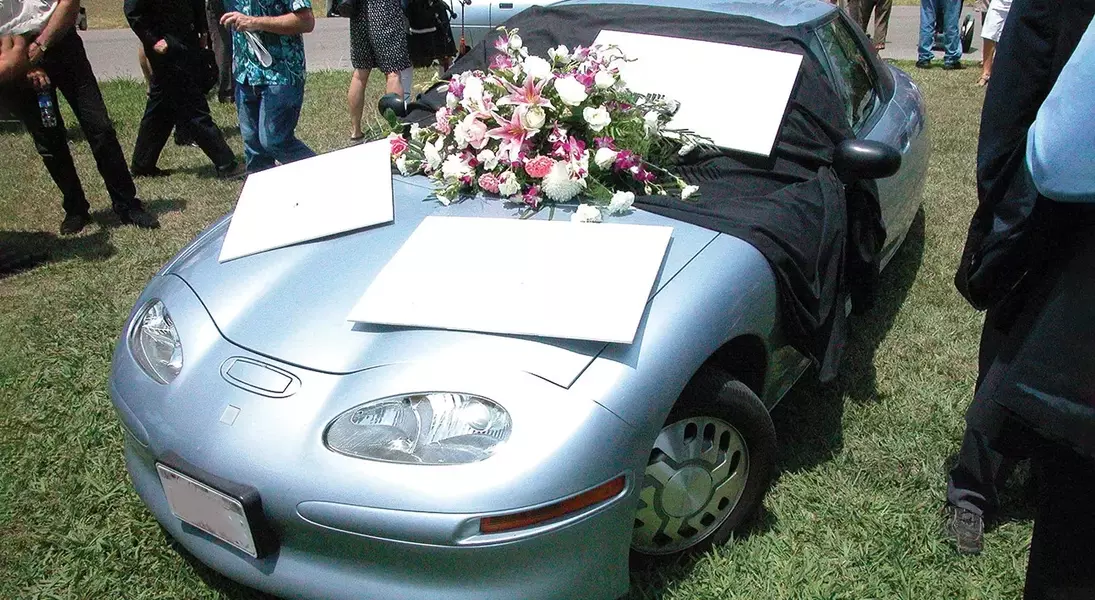
Two decades ago, as global events caused fuel costs to surge, a feature documentary entered the cinematic landscape, posing a provocative question: “Who Killed the Electric Car?” This film delved into the reasons behind the disappearance of early electric vehicles, particularly General Motors' innovative EV1, which was introduced in 1996 only to be withdrawn and dismantled years later. The documentary, a directorial debut for environmental advocate Chris Paine, aimed to uncover the forces that led to the premature demise of these pioneering automobiles, igniting a fervent debate about the future of sustainable transportation and corporate accountability.
Filmmaker Chris Paine, a vocal environmentalist and former lessee of an EV1, was motivated by a desire to understand the reasons for the vehicle's withdrawal. He rallied support from fellow enthusiasts and industry figures, bringing on board esteemed actor Martin Sheen as the narrator, who generously donated his earnings to charitable causes. The production also saw the involvement of Dean Devlin, known for his work on “Independence Day,” who honored his father's affection for the EV1 by connecting the team with influential personalities such as Mel Gibson, an ardent supporter of the car. Notable figures like Ed Begley Jr., Ralph Nader, and Phyllis Diller also contributed their perspectives to the film, enriching its narrative with diverse viewpoints.
The journey of “Who Killed the Electric Car?” gained significant momentum when Sony Pictures Classics acquired distribution rights in late 2005, just before its premiere at the Sundance Film Festival. Following the success of his documentary on Enron, Alex Gibney was brought on as a consulting producer, offering valuable insights that shaped the film's final cut. His input, though leading to a significant structural revamp and the departure of an editor, ultimately strengthened the documentary's compelling narrative. After a successful debut at Sundance, the film's trailer was strategically placed before screenings of the acclaimed documentary “An Inconvenient Truth,” amplifying its visibility and drawing a robust response from General Motors, which attempted to discredit its findings. The documentary officially premiered in theaters on June 28, 2006, receiving critical acclaim for its impactful and thought-provoking content, and garnered a Writers Guild of America Award nomination for Paine.
Despite the initial somber tone regarding the fate of electric vehicles, the documentary concluded with a glimmer of optimism, featuring a brief glimpse of the nascent Tesla Roadster prototype. This inclusion proved to be prescient, as Elon Musk's company would later play a monumental role in the resurgence and widespread adoption of electric vehicles. A 2011 sequel further explored the evolving landscape, ultimately acknowledging that electric vehicles were not truly 'killed' but rather temporarily sidelined until technological advancements and market conditions made them economically viable. As Paine reflected, the film posed a crucial question, perhaps incomplete at the time, but undeniably instrumental in shaping the conversation around the future of automotive technology.
