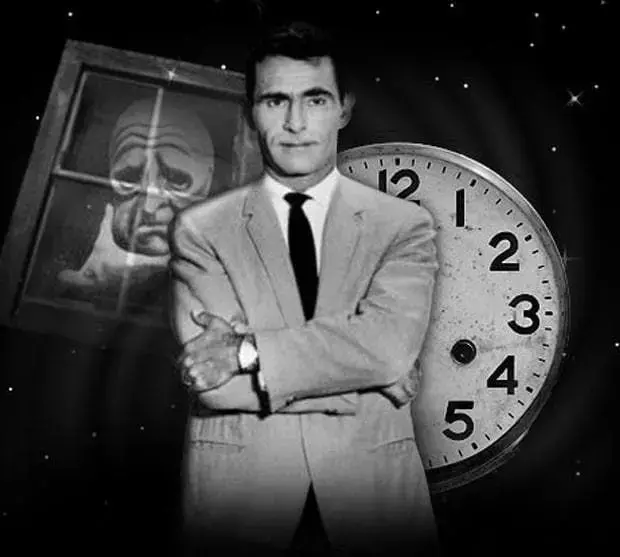
"The Twilight Zone," a landmark series in television history, owes much of its enduring appeal to the captivating opening monologues delivered by its creator and host, Rod Serling. These eloquent introductions transcend mere scene-setting, serving as profound gateways into the show's unique blend of science fiction, fantasy, and morality tales. Serling's presence, often breaking the fourth wall, masterfully primes the audience for the extraordinary journeys ahead, distinguishing each episode with an unforgettable prelude and epilogue.
These narrative devices do more than just introduce a story; they are integral to the series' identity, enriching the viewer's experience by offering philosophical insights or thematic hints. They prepare the mind for shifts in perception, often hinting at the subversion of expectations or the exploration of complex human conditions that lie within the "fifth dimension." By crafting these compelling openings, Serling not only defined a television classic but also established a benchmark for evocative storytelling, ensuring that each venture into the Twilight Zone was both anticipated and deeply felt.
The Art of the Uncanny: Serling's Thematic Introductions
Rod Serling's introductions to "The Twilight Zone" are renowned for their uncanny ability to set a distinctive mood, often employing misdirection or subtle philosophical musings that deepen the impact of the upcoming narrative. These monologues are not simply recitations but carefully constructed pieces of rhetoric designed to engage the viewer's intellect and emotions, preparing them for the unexpected turns and profound lessons that define the series. They stand as a testament to Serling's exceptional storytelling prowess, using language to build suspense, provoke thought, and establish the unique atmosphere of each episode.
Consider "It's a Good Life," where Serling cleverly introduces a seemingly idyllic town only to reveal its sinister undercurrent controlled by a child with terrifying mental powers. Or "Deaths-Head Revisited," where his powerful condemnation of Nazi atrocities transforms a historical setting into a moral battlefield. Even in simpler setups like "Nothing in the Dark," Serling's concise yet poignant words elevate a tale of an old woman's fear into a universal reflection on mortality. These examples highlight how Serling's monologues are more than mere plot summaries; they are critical components that shape the audience's understanding and emotional response, making each episode a memorable exploration of the human psyche.
Reflecting Society: Timeless Messages from the Fifth Dimension
Many of "The Twilight Zone" openings resonate deeply because they tap into universal human experiences and societal concerns, often reflecting or even foreshadowing contemporary issues. Serling skillfully uses the speculative nature of the show to comment on moral, ethical, and political dilemmas, making his monologues relevant across generations. His ability to distill complex ideas into accessible narratives within these brief introductions is a cornerstone of the show's lasting appeal, inviting viewers to ponder deeper meanings long after the credits roll.
"The Obsolete Man" exemplifies this by presenting a dystopian future where intellectualism is suppressed, a powerful allegory for censorship and totalitarianism that remains chillingly pertinent today. Similarly, "Walking Distance" explores themes of nostalgia and the passage of time, with Serling's introduction framing a relatable human desire to revisit the past, only to confront the impossibility of truly returning home. These monologues, through their astute observations and evocative language, transform each episode into a mirror reflecting societal anxieties and personal introspection. They cement "The Twilight Zone" not just as entertainment, but as a series that consistently challenges and enlightens its audience through its artful and thought-provoking narratives.
