


In an age before digital streaming platforms, when viewers meticulously scheduled their lives around specific broadcast times, the early episodes of a television series held immense importance. They were crucial in introducing the show's premise and characters, ensuring that even those who missed the premiere could seamlessly join the narrative flow. This foundational approach was particularly evident in the renowned series The X-Files, which ingeniously balanced its overarching alien conspiracy plots with captivating standalone stories.
The Genesis of a Phenomenon: How 'Squeeze' Shaped The X-Files' Identity
The journey of The X-Files began with its iconic duo, the firm believer Agent Mulder (portrayed by David Duchovny) and the skeptical Agent Scully (played by Gillian Anderson), as they delved into their initial cases involving alleged alien abductions and experimental alien aircraft. These early episodes laid the groundwork for the show's central extraterrestrial lore. However, it was the third episode, titled "Squeeze," that truly defined the series' multifaceted appeal. Airing on September 24, 1993, and penned by Glen Morgan and James Wong, "Squeeze" marked a significant departure, presenting the show's first 'Monster of the Week' installment.
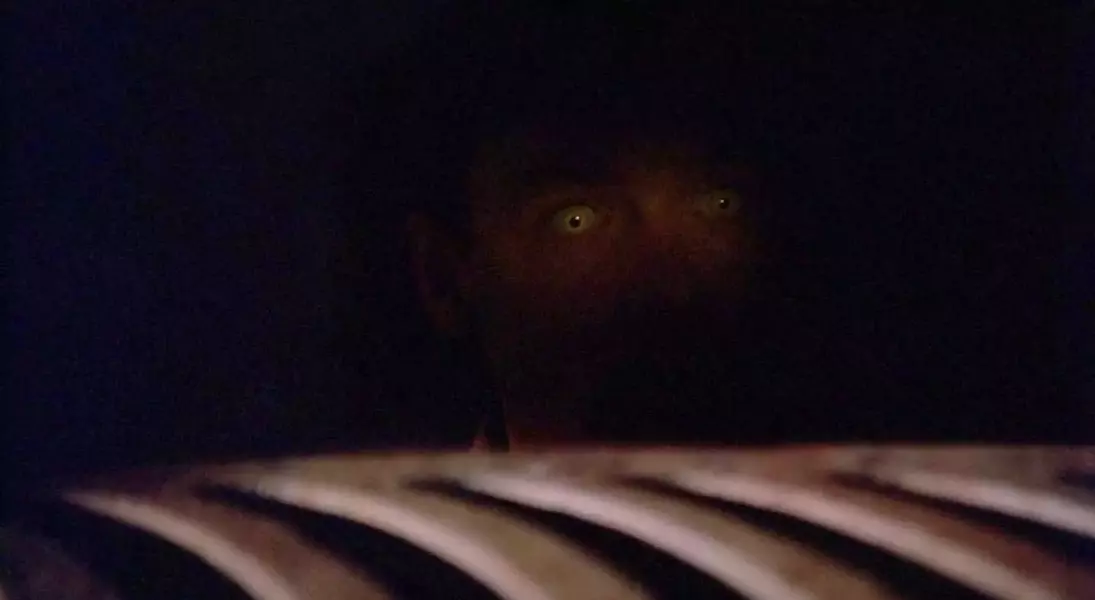
The chilling narrative of "Squeeze" unfolds in Baltimore, where a series of bizarre and seemingly impossible murders baffle authorities. Victims are found with their livers brutally removed, and the assailant leaves no discernible entry points into the crime scenes. Agent Mulder's investigation reveals a disturbing pattern of similar killings spanning decades, suggesting a perpetrator with an unnaturally long lifespan. Their pursuit leads them to Eugene Victor Tooms (played by Doug Hutchison), a man whose unnerving composure and peculiar demeanor raise suspicions. Despite his ability to pass a polygraph test, the agents' instincts prove correct: Tooms is a grotesque creature capable of contorting his body into unimaginable spaces, sustaining himself by consuming human livers before entering a 30-year hibernation cycle. The episode's success in crafting a unique and terrifying antagonist, characterized by Tooms' unsettling yellow eyes glimpsed through narrow vents, left an indelible mark on early viewers and set a remarkably high standard for future standalone episodes.
The profound impact of "Squeeze" on The X-Files cannot be overstated. While the show's overarching conspiracy theories were undoubtedly a major draw, a substantial portion of its enduring run consisted of these self-contained procedural investigations into paranormal phenomena across the United States. Had these standalone episodes failed to resonate with audiences, the series would likely not have achieved its eleven-season longevity. Morgan and Wong's masterful crafting of a tense, creepy, and intriguing narrative, coupled with Doug Hutchison's chilling portrayal of Tooms as an eerily detached and mysterious entity, ensured its success. "Squeeze" not only served as a critical benchmark for the quality of future 'Monster of the Week' stories but also solidified the series' unique identity. While a select few subsequent episodes, such as "The Host" and "Home," occasionally surpassed its brilliance, "Squeeze" remained the quintessential example of how to execute a compelling standalone mystery within the X-Files universe, guaranteeing that any episode that came close to its caliber would be considered a decent installment of the beloved show.
