Nintendo's approach to game design often features a fascinating cycle where concepts from earlier titles are reinterpreted and expanded upon in newer releases. This constant evolution creates a rich tapestry of interconnected gameplay mechanics that hardcore fans delight in discovering. The recent release of "Yoshi and the Mysterious Book" serves as a prime example, offering a surprising homage to the "Super Mario Galaxy" series while simultaneously revealing the deeper historical roots of its unique planetary platforming. This continuous dialogue between past and present titles is a testament to Nintendo's enduring creativity and its commitment to refining beloved gameplay experiences.
By tracing the lineage of gravitational mechanics from the 2D adventures of Yoshi to the sprawling 3D cosmos of Mario, we uncover how seemingly novel ideas are often iterative developments. This article delves into how this latest Yoshi game not only echoes the spacefaring themes of "Galaxy" but also harks back to even earlier experiments in altered gravity gameplay. It underscores a fundamental aspect of Nintendo's design philosophy: an ongoing conversation where foundational elements are continuously revisited, reimagined, and integrated into contemporary contexts, providing both nostalgia and fresh innovation for players across generations.
Yoshi's Cosmic Journey: Echoes of Galaxy's Gravitational Play
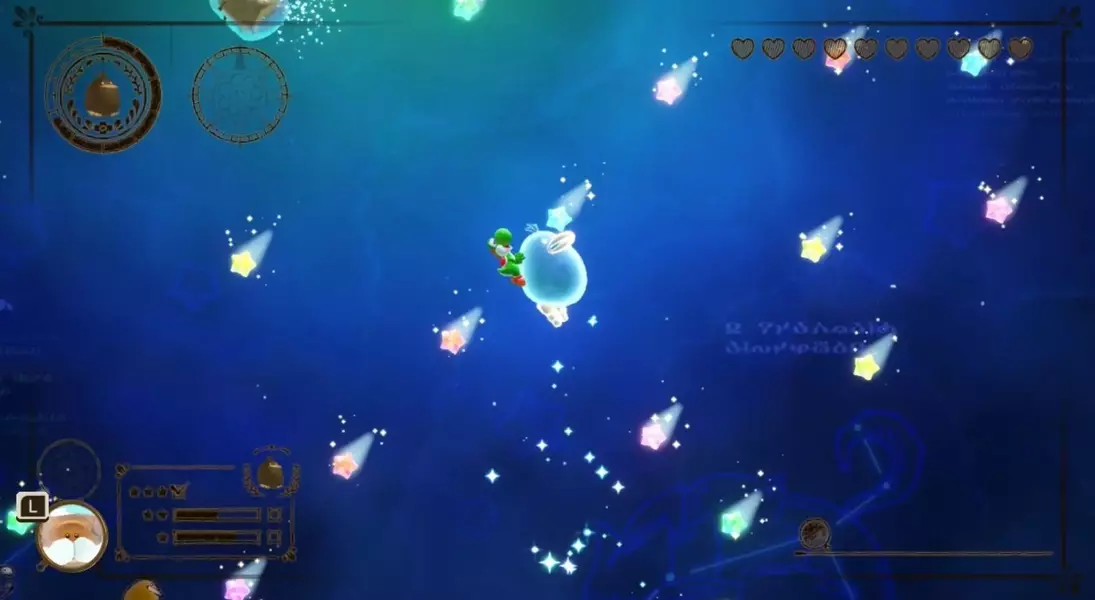
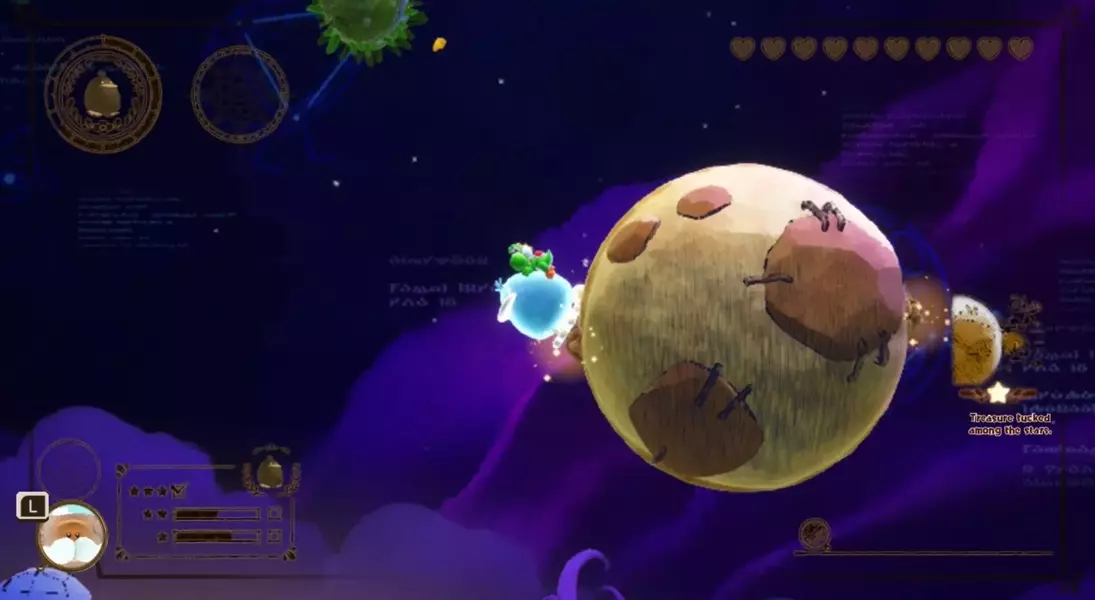
Nintendo's latest offering, "Yoshi and the Mysterious Book," surprisingly culminates in a cosmic adventure, with Yoshi venturing into outer space to explore the Moon as its final biome. This unexpected shift from terrestrial landscapes to a celestial setting provides a clear nod to the "Super Mario Galaxy" series. The game's design incorporates levels where Yoshi navigates between small planets, utilizing the gravitational pull of each to jump across, a mechanic that strongly evokes the iconic planet-hopping gameplay of the 3D Mario titles. Furthermore, the inclusion of collectible Star Bits, familiar gems from Mario's galaxy explorations, explicitly links Yoshi's latest escapade to its space-themed predecessors, creating an aesthetic and thematic continuity.
Within this celestial environment, a specific level centered around Raphael the Raven further solidifies the connection to the "Galaxy" series. Here, players experience a 2D interpretation of the gravity-defying movement, allowing Yoshi to run around the surfaces of miniature planets. This design choice effectively immerses players in a '2D Galaxy' experience, reminiscent of the narrative within Rosalina's storybooks. The visual and interactive elements, such as Raphael consuming Star Bits, are direct references that make the player feel as though they are exploring a different dimension of the same cosmic universe, showcasing how Nintendo skillfully blends established motifs into new gameplay contexts, maintaining a consistent yet fresh experience across its diverse franchises.
Tracing the Origins of Planetary Platforming: From Yoshi's Island to Modern Classics
While "Super Mario Galaxy" is widely credited for popularizing planetary platforming, the concept has a much longer and more intricate history within Nintendo's extensive catalog, with "Super Mario World 2: Yoshi's Island" serving as a crucial precursor. Released in 1995, "Yoshi's Island" pioneered the idea of navigating between small planets and utilizing their distinct gravitational fields in its fifth world. This 2D platforming challenge, culminating in a memorable boss fight against Raphael the Raven, laid the foundational blueprint for the gravity-based mechanics that would later become a hallmark of the "Galaxy" games. The direct influence is evident, with "Super Mario Galaxy 2's" Digga-Leg boss fight even mirroring the structure and strategy of the Raphael battle from "Yoshi's Island," demonstrating a clear evolutionary path.
The lineage of space-themed platforming extends even further back to "Super Mario Land 2: 6 Golden Coins," released in 1992. This Game Boy title featured a "Space World" level that ingeniously experimented with altered gravity, allowing Mario to perform significantly higher jumps. While it didn't involve running around spherical planets, it marked Nintendo's early exploration into how platforming mechanics could be innovated within a cosmic setting. This sequential development, from "Super Mario Land 2" to "Yoshi's Island" and then to "Super Mario Galaxy," illustrates a continuous design conversation over decades. These early innovations not only shaped subsequent game titles but also influenced broader media, including "The Super Mario Galaxy Movie," underscoring the enduring legacy and cyclical nature of groundbreaking ideas within Nintendo's creative universe.
