



Twenty-six years ago, the landscape of television comedy underwent a significant transformation with the debut of 'Malcolm in the Middle.' This groundbreaking series, alongside contemporaries like 'Titus' and the British 'The Office,' challenged traditional multi-camera sitcom formats, adopting a more cinematic and fast-paced approach. The show's creator, Linwood Boomer, recounts the ambitious vision behind its creation, including the challenging task of finding a child actor capable of carrying extensive monologues and breaking the fourth wall. The article also delves into the show's casting triumphs, such as the discovery of Frankie Muniz and the unexpected brilliance of Bryan Cranston, whose improvisational genius profoundly shaped his character, Hal. Boomer's reflections extend to the series' conclusion, his departure from the show, and his subsequent philanthropic endeavors, highlighting the profound personal and professional journey intertwined with 'Malcolm in the Middle.'
'Malcolm in the Middle' distinguished itself by eschewing the conventional multi-camera setup and studio audience prevalent in sitcoms since the 1950s. Instead, it embraced a single-camera, film-like production style, lending it a distinctive visual and narrative fluidity. This innovative approach allowed for dynamic camera work and more complex staging, breaking away from the theatrical feel of its predecessors. A pivotal element of the show's unique charm was Malcolm's direct address to the audience, a narrative device that offered an intimate window into his thoughts and frustrations. This technique, which allowed the protagonist to 'talk back' to his circumstances, was crucial for Linwood Boomer in making his autobiographical childhood experiences, which he initially found too melancholic, accessible and humorous to viewers.
The casting process for 'Malcolm in the Middle' presented considerable hurdles, particularly in finding the ideal actor for the title role. Boomer initially believed that locating a 12-year-old with the acting prowess, comedic timing, and emotional depth required for Malcolm's character would be nearly impossible. However, the search culminated swiftly with the discovery of Frankie Muniz, whose audition tape from New York instantly impressed the creative team. Muniz's extraordinary natural talent and ability to handle the script's technical demands were described as 'supernaturally gifted,' a sentiment that solidified his selection just two days into casting. This remarkable find laid the cornerstone for the series' success, allowing the ambitious narrative and character-driven comedy to flourish.
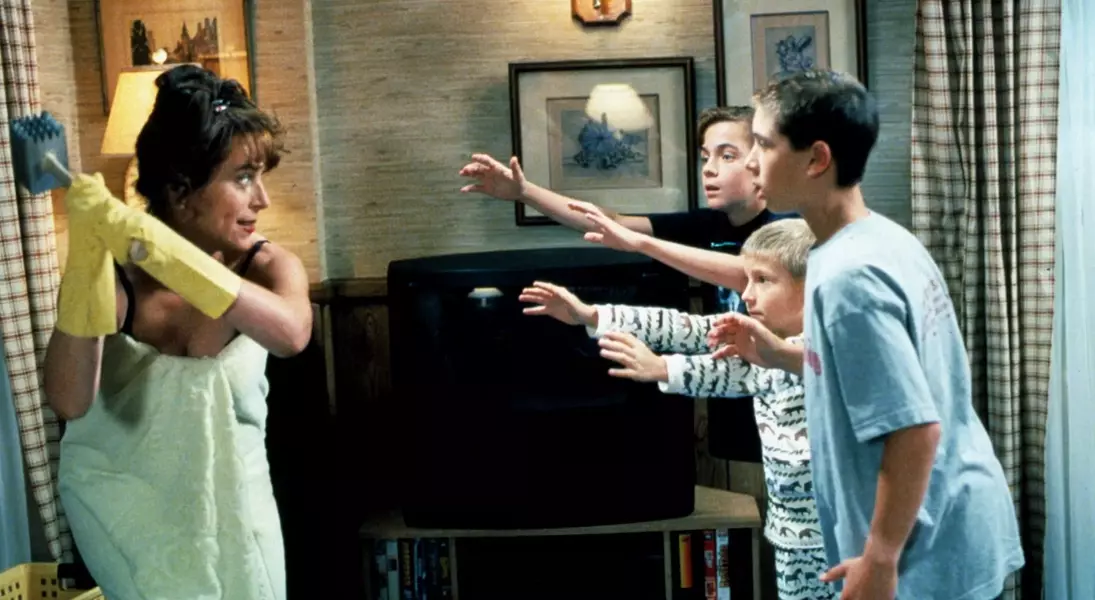
Beyond Muniz, the ensemble cast played a crucial role in the show's enduring appeal. Justin Berfield's portrayal of Reese, delivering absurd lines with a deadpan conviction, perfectly captured the character's comedic essence. Erik Per Sullivan, despite his young age, brought an authentic and natural acting ability to Dewey, demonstrating a rare depth for a child performer. Christopher Masterson imbued Francis with a compelling mix of idealism and flawed judgment, making his rebellious character surprisingly endearing. The choice of Jane Kaczmarek for the role of Lois was equally critical. Despite considering other prominent actresses like Jennifer Coolidge, Kaczmarek's unparalleled chemistry with Bryan Cranston and her profound understanding of the character's nuanced blend of maternal frustration and underlying charm ultimately secured her the part. Her ability to convey Lois's constant struggle with four boisterous sons and limited resources, while maintaining a captivating presence, was deemed 'unquantifiable' by Boomer.
Bryan Cranston's casting as Hal, the family patriarch, was perhaps the most revelatory. Initially envisioned as a more detached figure, Cranston's unique personality and willingness to embrace outlandish scenarios transformed Hal into an incredibly dynamic and beloved character. Boomer noted that Cranston's internal world seemed so rich that he often appeared to be 'building a rocketship in his head,' leading to a character who was constantly surprised by external interactions. This improvisational spirit unleashed new creative possibilities for the writers, who challenged Cranston with increasingly absurd situations, such as being covered in live bees. Hal's memorable introduction, featuring Lois shaving his back—a detail inspired by Boomer's own childhood memories of his parents—underscored the show's blend of relatable familial quirks with exaggerated comedic elements. This dynamic interplay between the actors' personalities and the written roles was instrumental in shaping the show's distinctive comedic voice.
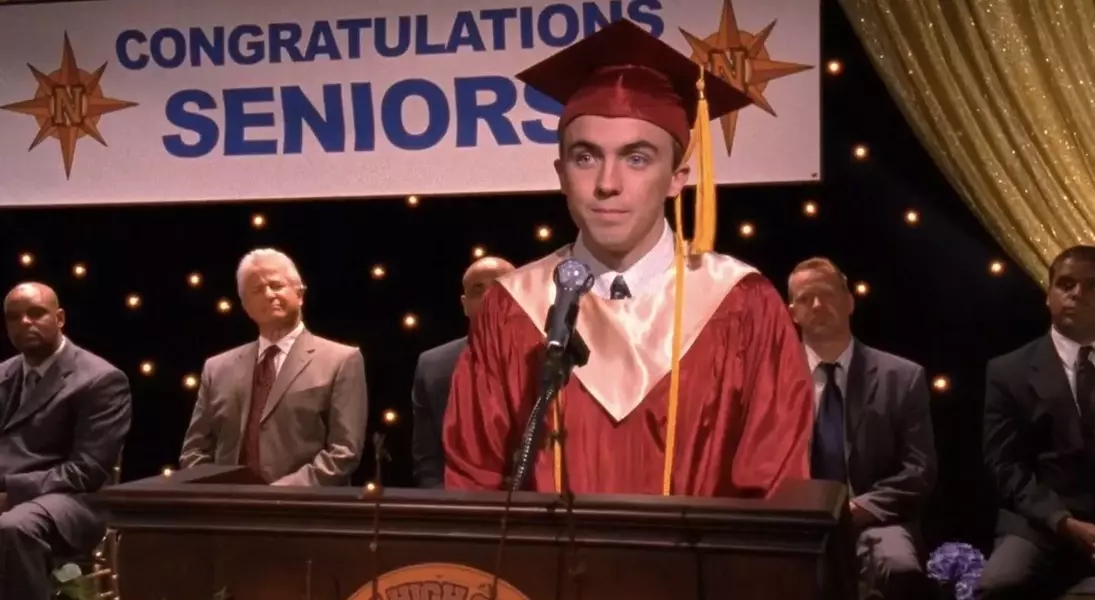
As the series progressed, the physical maturation of the child actors necessitated adjustments in the show's narrative tone. Boomer observed that while the mischievous antics of 12-year-olds were perceived as playful rebellion, similar behaviors from 16-year-olds could be seen as genuinely problematic. This shift required toning down the more destructive hijinks of characters like Malcolm and Reese in later seasons to maintain the show's lighthearted comedic essence. The series eventually concluded after seven seasons, primarily due to declining ratings. Boomer, who had stepped away from the demanding production schedule before the final season, returned to direct the finale. His objective for the conclusion was to defy conventional sitcom endings, where characters often face tragic or ironic fates. Instead, he aimed to provide a meaningful resolution, particularly for Malcolm's relationship with Lois, emphasizing that her harsh parenting style had ultimately served a purposeful, albeit unconventional, role in his development, driving him toward a future of leadership and positive change. The final scenes, featuring a mud-covered Frankie Muniz delivering a powerful monologue, deeply moved the cast and crew, reaffirming the exceptional talent that defined the show from its inception.
Reflecting on the series' conclusion, Boomer emphasizes that the decision to end 'Malcolm in the Middle' was largely an economic one, driven by the show's waning viewership. However, this ending also allowed Boomer to return to direct the finale, ensuring that the show's concluding narrative aligned with his original vision. He consciously steered away from cliché sitcom finales that often depict characters in unfortunate circumstances. Instead, he sought to provide a satisfying, purposeful resolution, particularly for Malcolm's character and his complex relationship with his mother, Lois. The finale highlighted that Malcolm's challenging upbringing, while often fraught with conflict, was ultimately a crucible that shaped him into a person destined for greatness. This powerful thematic closure, encapsulated by Malcolm's impassioned final monologue, served as a poignant culmination of a show that profoundly impacted television comedy and its dedicated audience.
