Fire Emblem, a franchise steeped in its own rich history, has frequently revisited its past through allusions and character reappearances. While titles like Fire Emblem Awakening and Fire Emblem Engage overtly celebrated the series' legacy, the development studio Intelligent Systems has only selectively remade past entries. Among these remakes, Fire Emblem Echoes: Shadows of Valentia, released in 2017, stands out. This title breathed new life into the 1992 Famicom game, Fire Emblem Gaiden, a game known for its distinctive features such as open exploration and dual army command. Echoes modernized and expanded upon Gaiden's foundational elements, introducing new characters, free-roaming dungeons, and the support conversation system, while deliberately omitting certain modern mechanics like marriage supports and the weapon triangle to maintain narrative integrity. Despite receiving praise for its artistic direction, engaging narrative, and comprehensive voice acting, the game faced criticism for its map design, which was often deemed tedious and expansive.
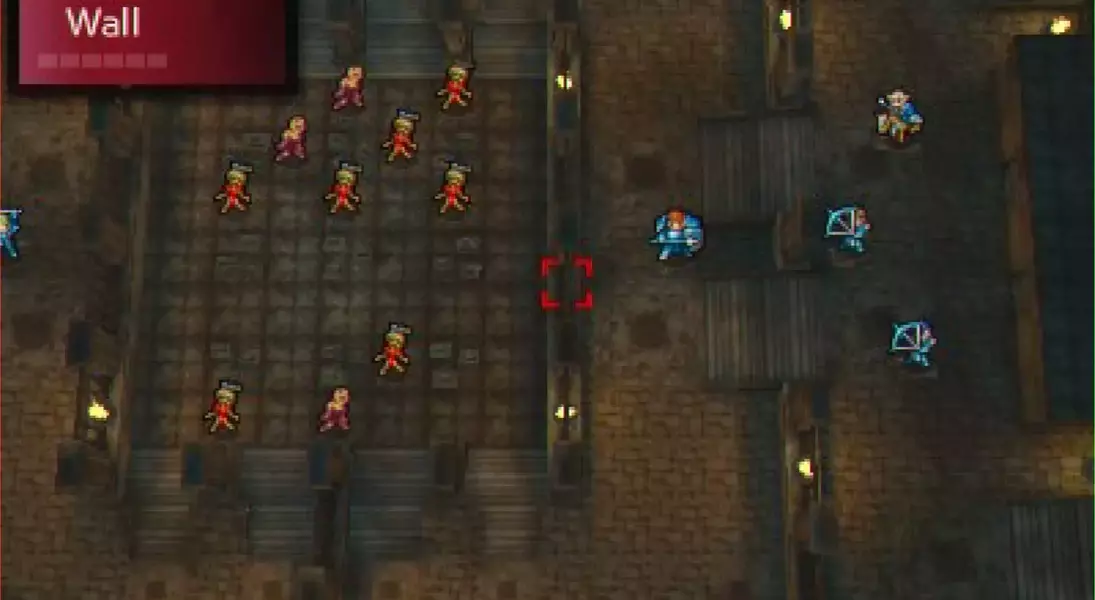
Echoes' reception was largely positive, with particular commendation for its artistic presentation, narrative depth, and complete voice acting. However, its gameplay elements, especially the map design, often drew mixed reactions. Many found the maps to be excessively large, riddled with terrain that impeded movement, and repetitive. The frustration stemmed from scenarios where players would clear the majority of a map only to find a lone enemy distant from the main conflict, leading to prolonged, unengaging turns to reach and defeat them. This often culminated in battles against enemies positioned on advantageous tiles, further extending the engagement. Such design choices, while aiming for strategic depth, frequently resulted in tedium rather than genuine challenge, marking the map design as the game's most considerable weakness in the eyes of many players.
Despite the criticisms leveled against its map design, Fire Emblem Echoes introduced a fresh strategic dynamic. Unlike earlier installments where more robust units could often charge headlong into combat, Echoes demanded a more deliberate and cautious approach. Players had to meticulously plan unit positioning, especially for vulnerable yet highly mobile units like pegasi, ensuring they remained within the protective range of allied healers. This nuanced tactical requirement fostered a different kind of engagement, where careful enemy baiting and unit placement became paramount. Furthermore, the expansive maps, though sometimes slow to traverse, contributed to a distinct narrative atmosphere. The prolonged journeys across vast, quiet landscapes instilled a sense of impending conflict and siege-like tension, lending an intimidating and grand scale to the battles, irrespective of their actual size.
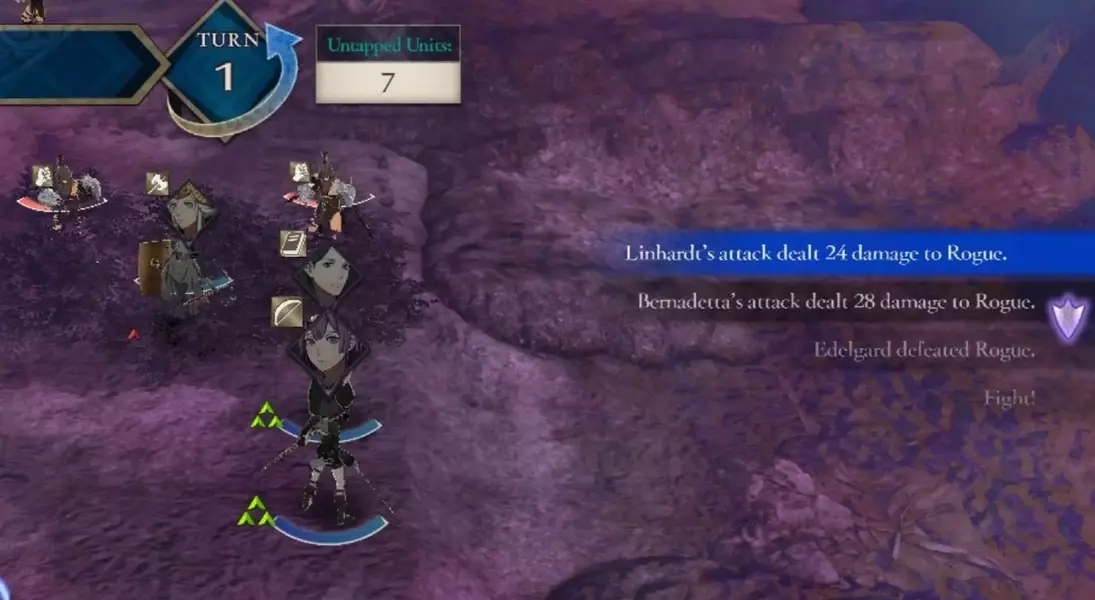
A significant innovation introduced in Echoes was Mila's Turnwheel, a relic allowing players to reverse actions and rectify strategic errors. This mechanic, which later influenced features like the Divine Pulse in Three Houses, was often perceived as a tool to broaden the series' appeal to a more casual audience. However, its purpose extended beyond mere accessibility. While it certainly made the game less punishing, it also enabled the integration of more complex and modern gameplay elements. Older Fire Emblem titles typically compensated for unit losses by providing a steady influx of new recruits. As character development and inter-unit relationships became more central to the series, players grew more attached to individual units, making the loss of a single character a significant setback. Mila's Turnwheel offered a refined solution to this, allowing players to take calculated risks on challenging maps without the need for a full battle restart, thereby preserving the emotional investment in their units.
Fire Emblem Echoes: Shadows of Valentia served as a crucial precursor, establishing many of the core mechanics and design philosophies that would define future installments of the Fire Emblem series. It demonstrated how to effectively balance increasingly intricate life simulation and character relationship elements with more expansive and complex battlefield environments. The introduction of the turn-rewind mechanic, combat arts, and 3D exploration in Echoes laid the groundwork for the tactical depth and immersive experience found in titles like Fire Emblem Three Houses. Furthermore, elements such as dungeon crawling and branching narrative paths, which are highly anticipated in upcoming releases like Fire Emblem Fortune's Weave, also found their genesis in Echoes. Thus, what might have seemed at first glance to be a merely faithful rendition of an unconventional entry in the series, ultimately proved to be one of its most forward-thinking and influential titles, guiding the franchise towards its modern evolution.
