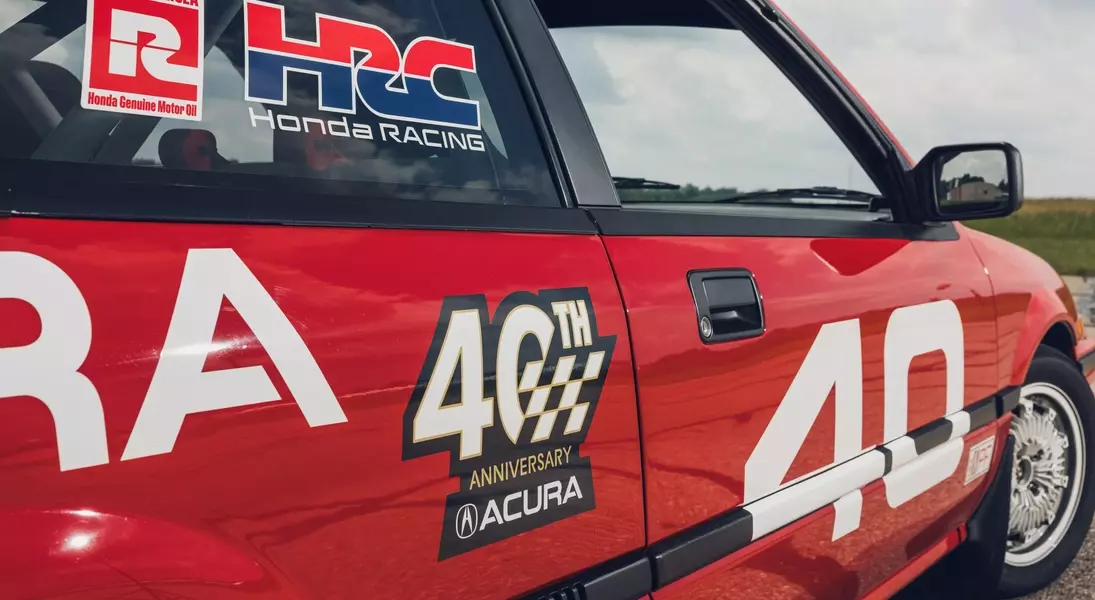
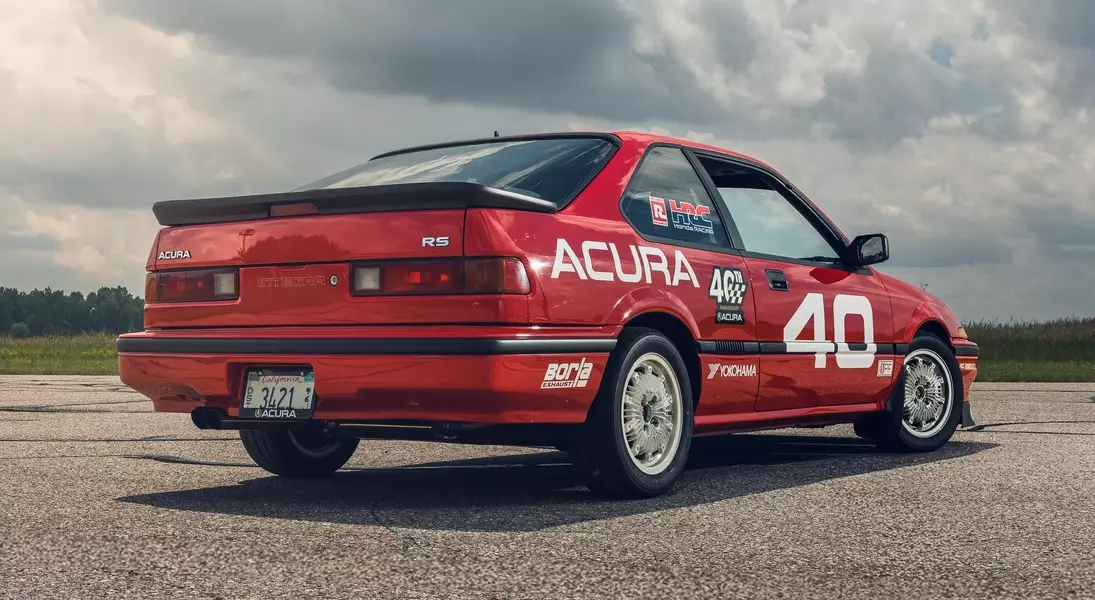
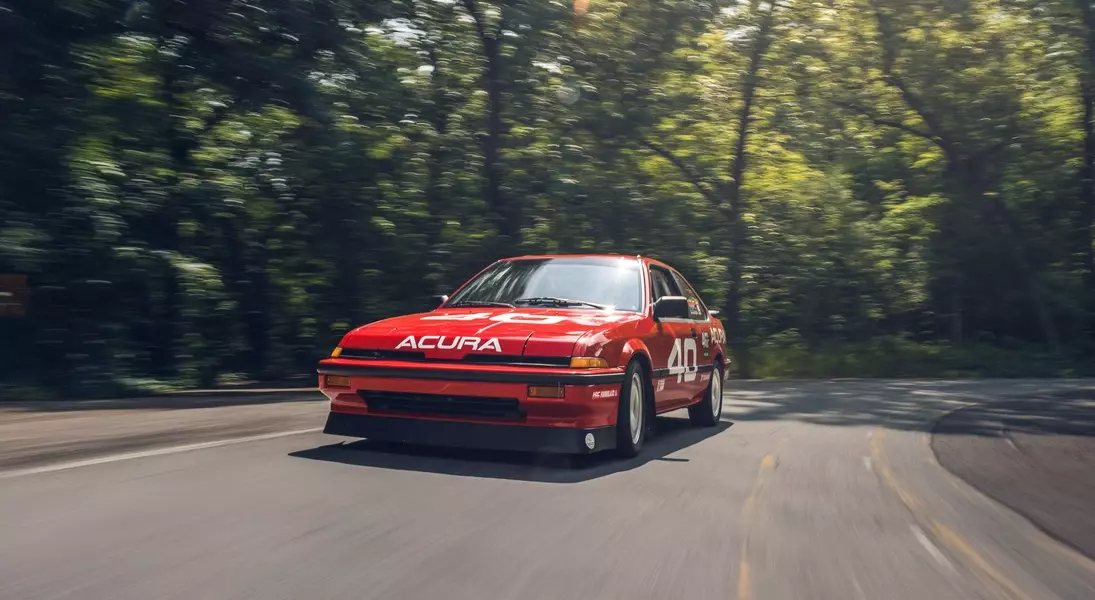
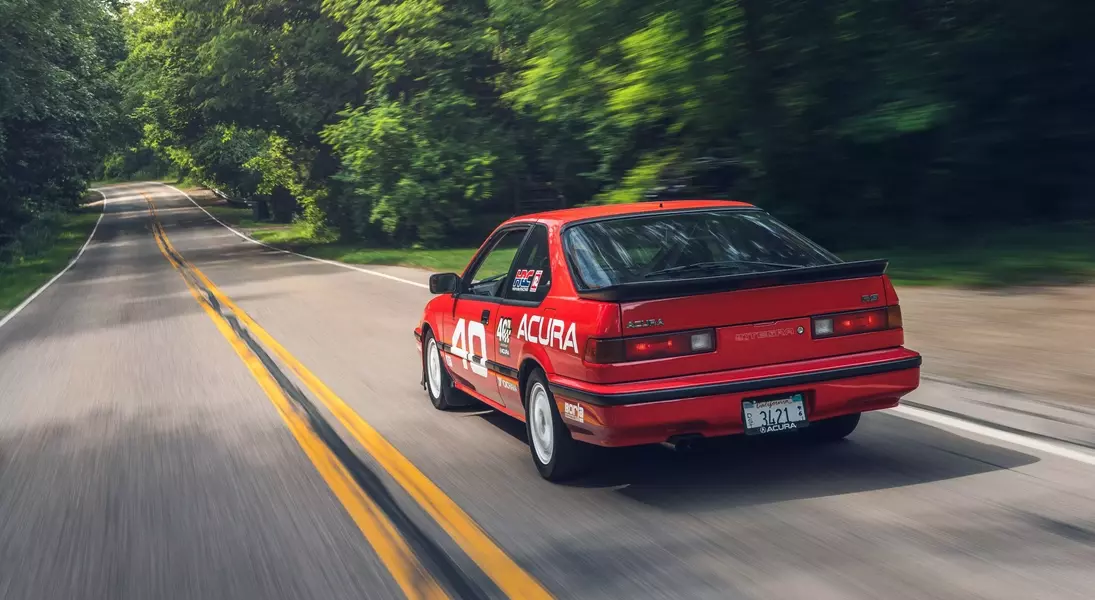
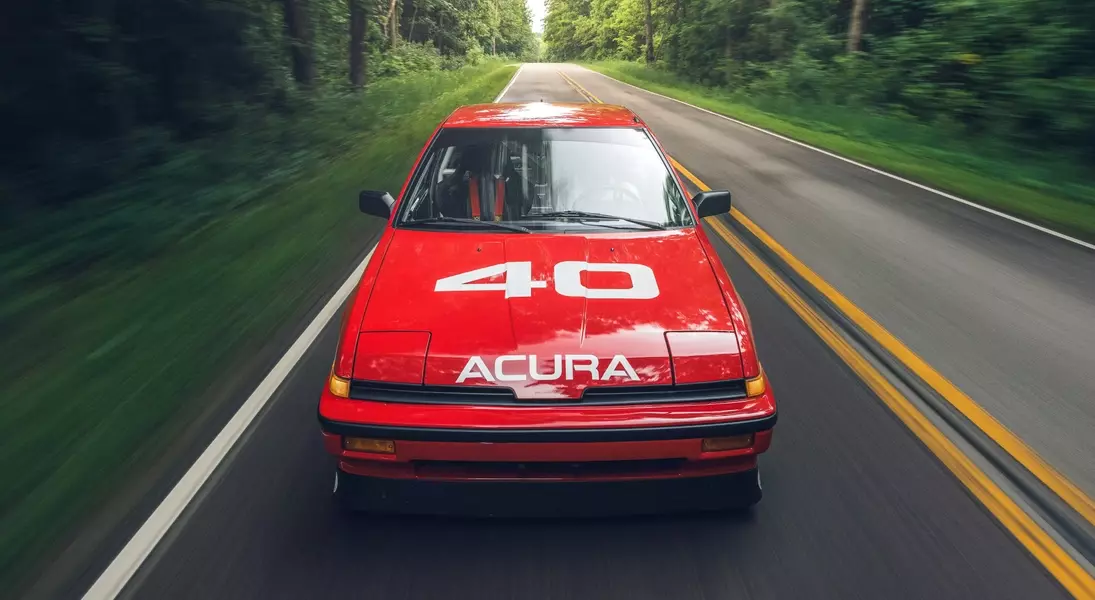
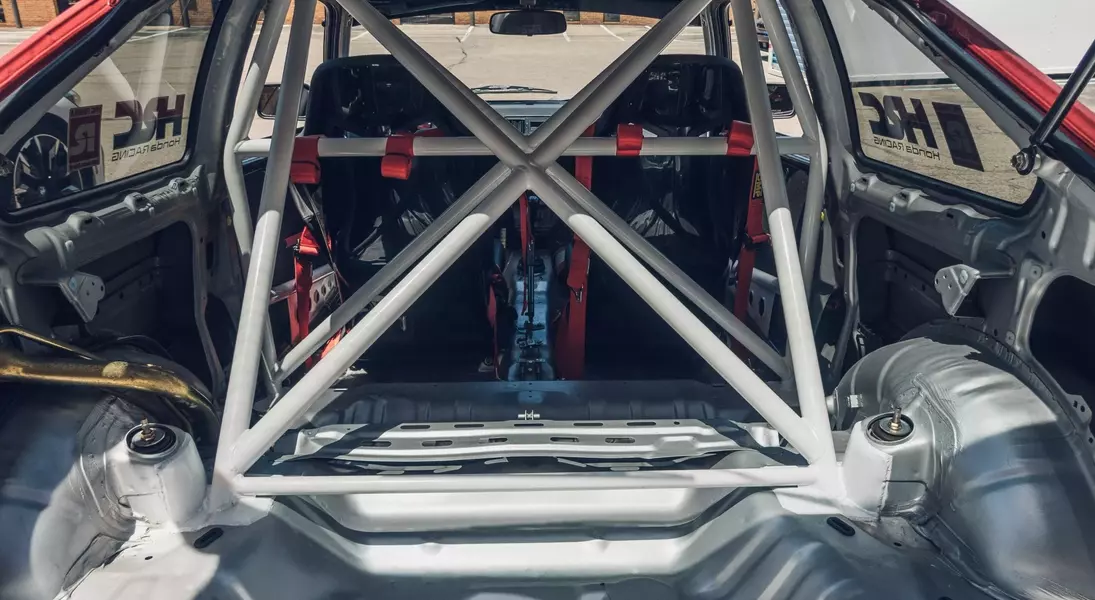
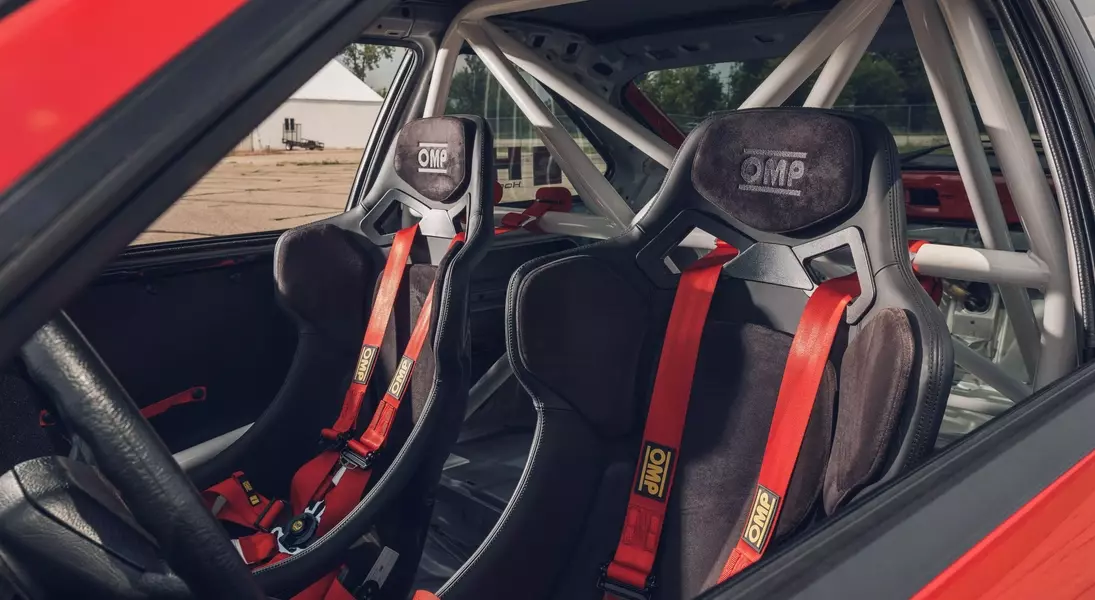
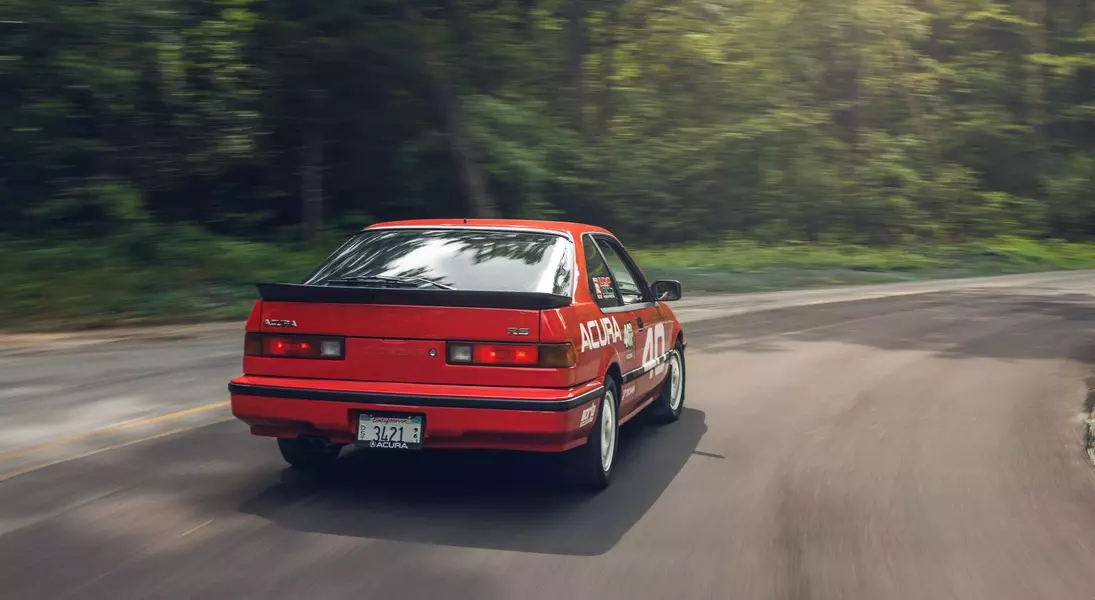
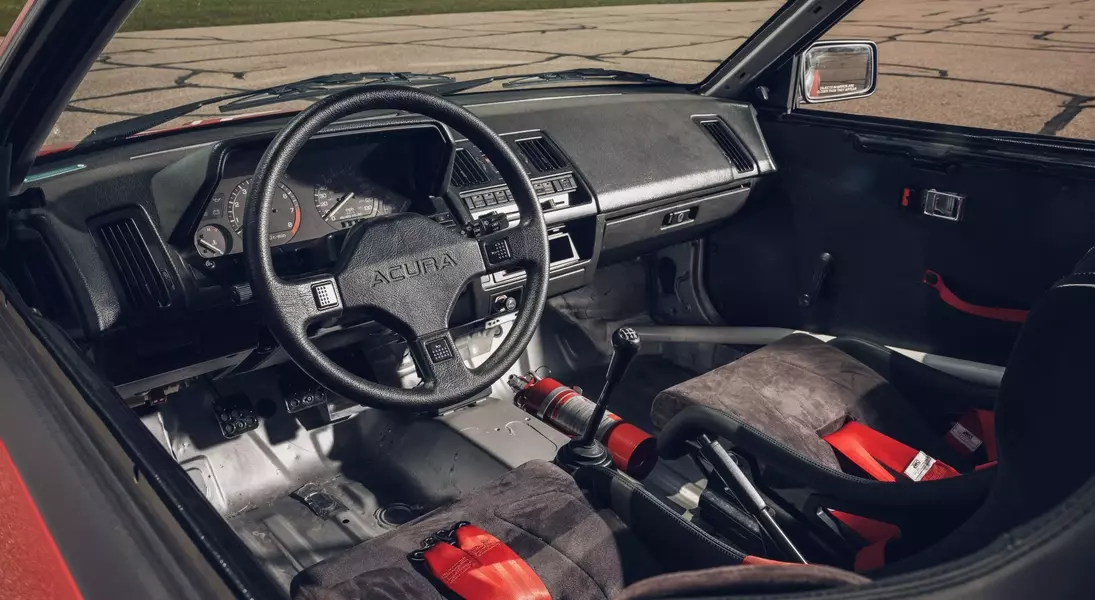
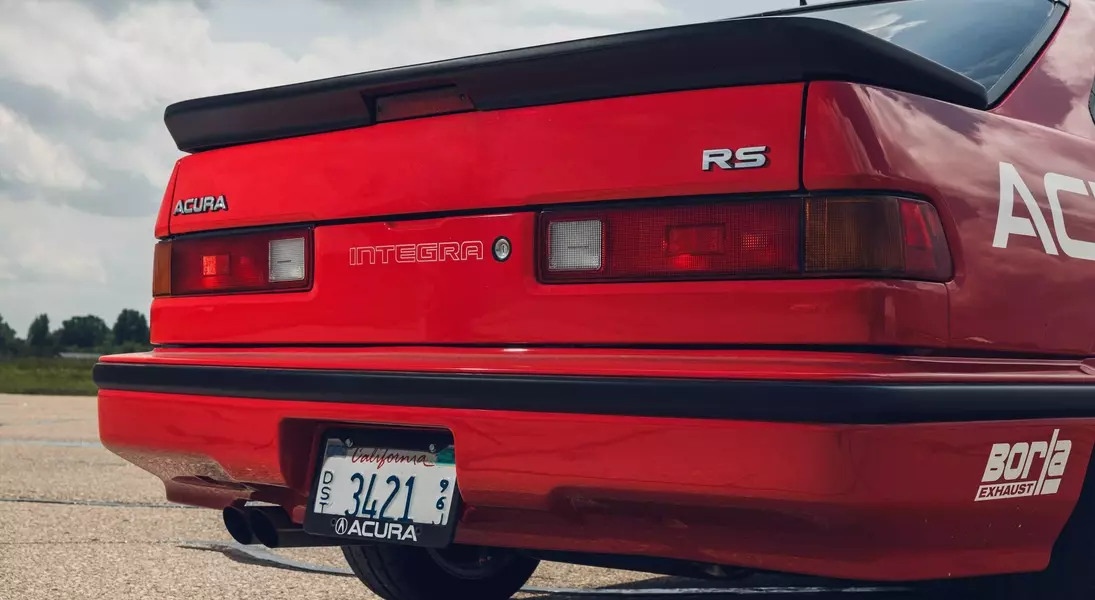
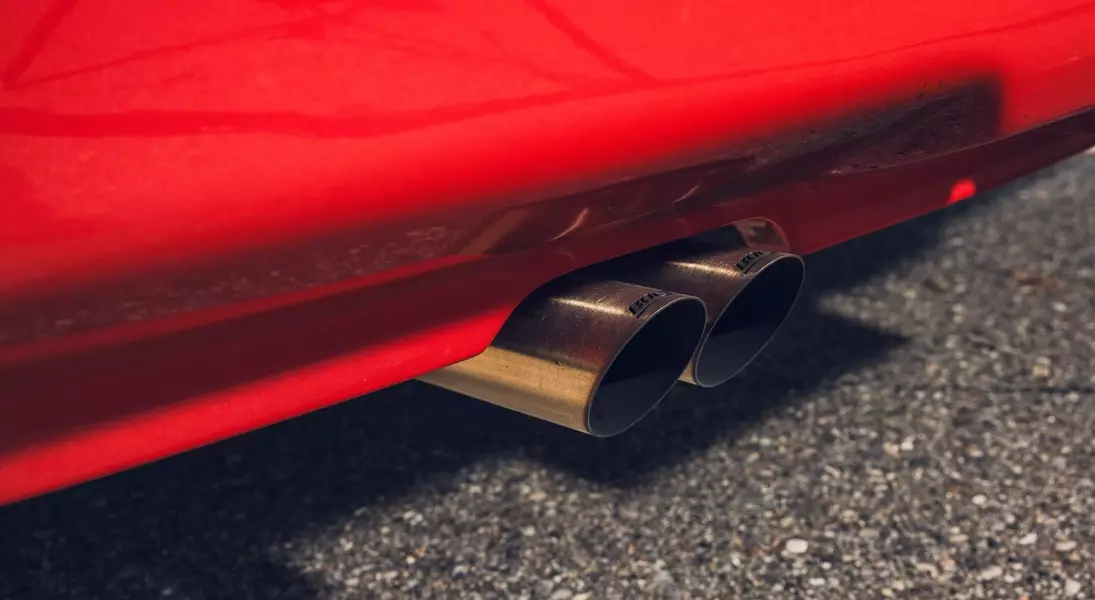
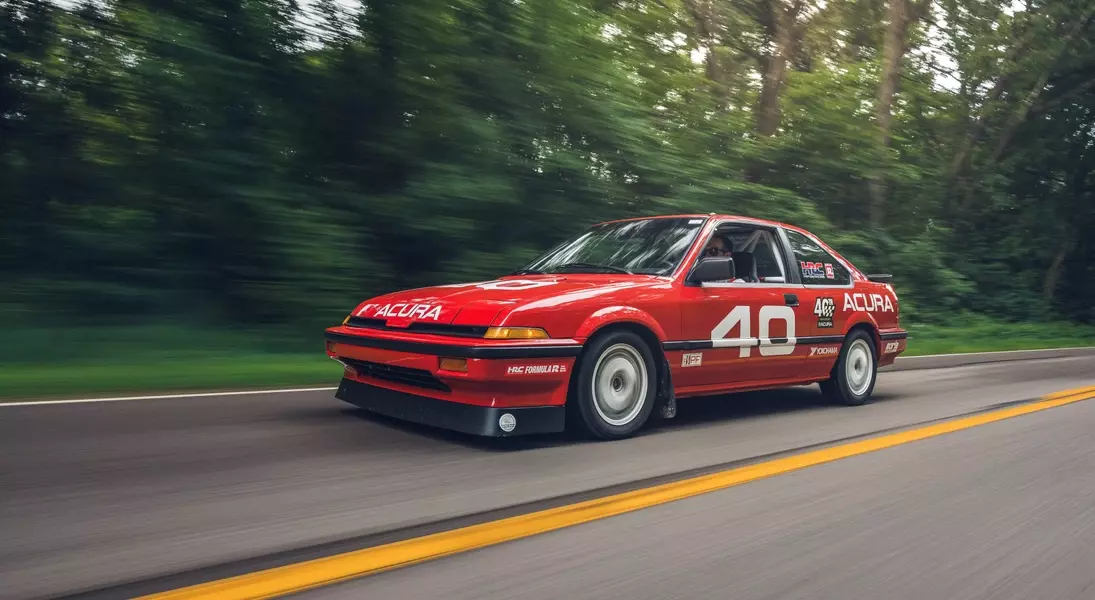
The 1987 Acura Integra 40 Racer stands as a testament to automotive enthusiasts' ability to resurrect and redefine classic machines for the modern era. This distinctive vehicle began its life as a conventional 1987 Acura Integra but underwent a meticulous transformation, emerging as a purpose-built racing marvel. The result is a car that not only exudes vintage charm but also incorporates contemporary performance enhancements, making it a compelling subject for both historical reflection and an appreciation of engineering ingenuity. Its journey from a standard road car to a track-ready beast is a fascinating narrative of passion and precision, highlighting how a classic model can be reimagined to compete with modern counterparts.
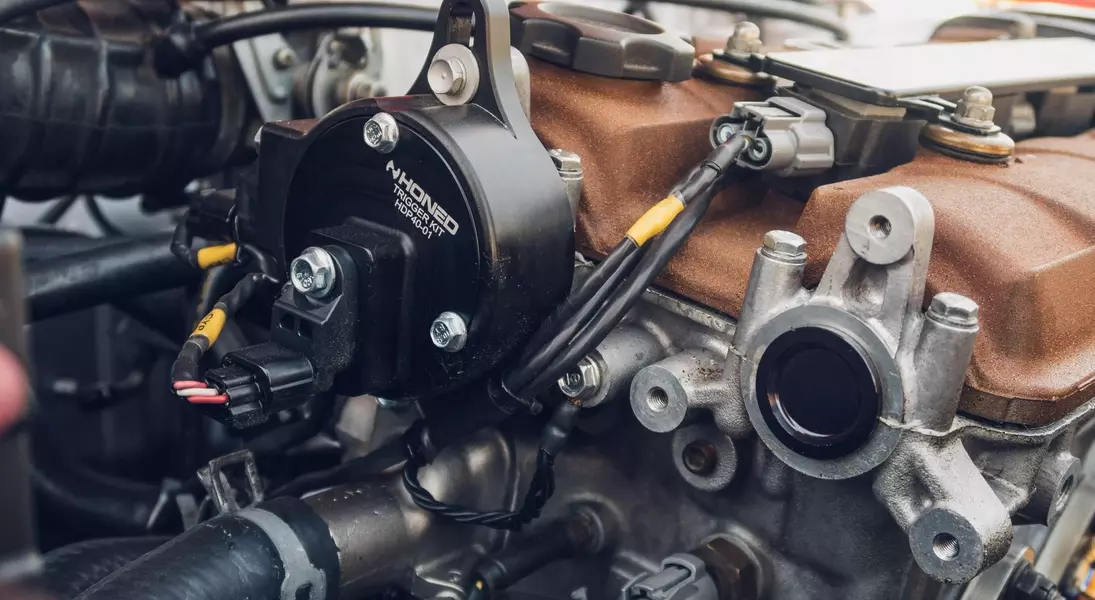
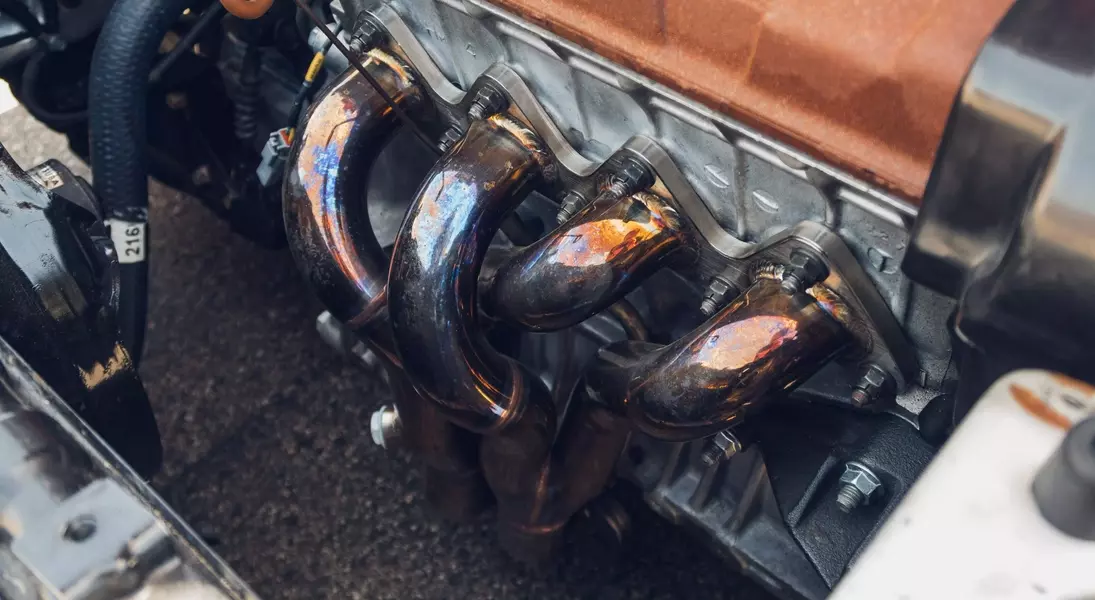
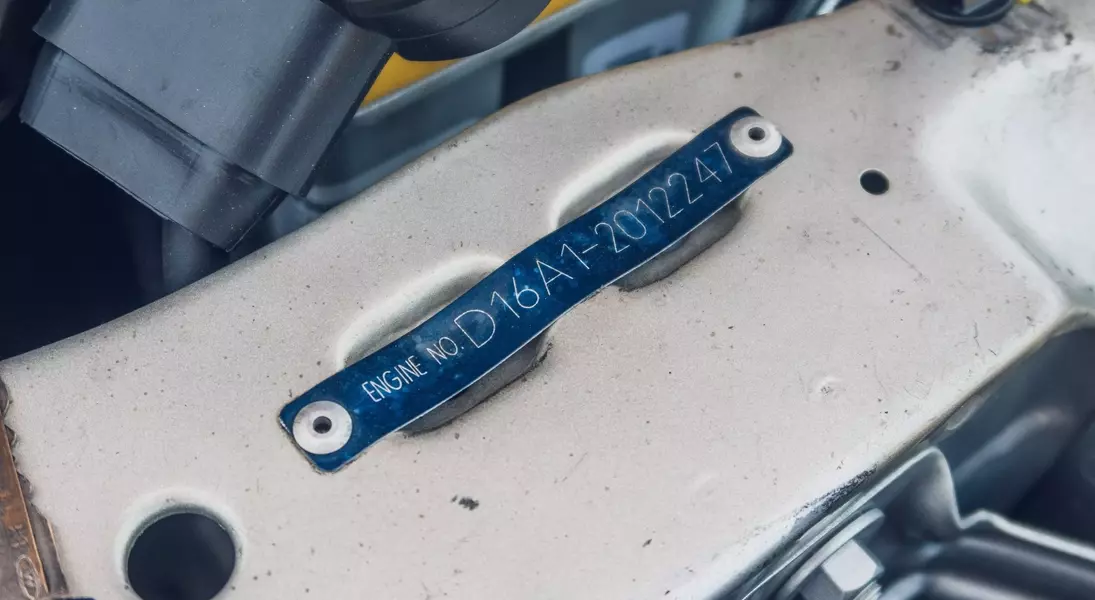
One of the most notable characteristics of this racing Integra is its powerplant. Nestled beneath its hood is the D16A1 engine, a rare and highly sought-after variant of the D-series motor. What sets the D16A1 apart is its dual overhead camshaft (DOHC) configuration, a feature that was not common across the entire D-series family. This DOHC setup significantly enhances the engine's breathing capabilities, allowing for improved horsepower and torque delivery, crucial attributes for a competitive race car. This specific engine choice underscores the builder's dedication to optimizing the car's performance while staying true to its original Honda lineage.
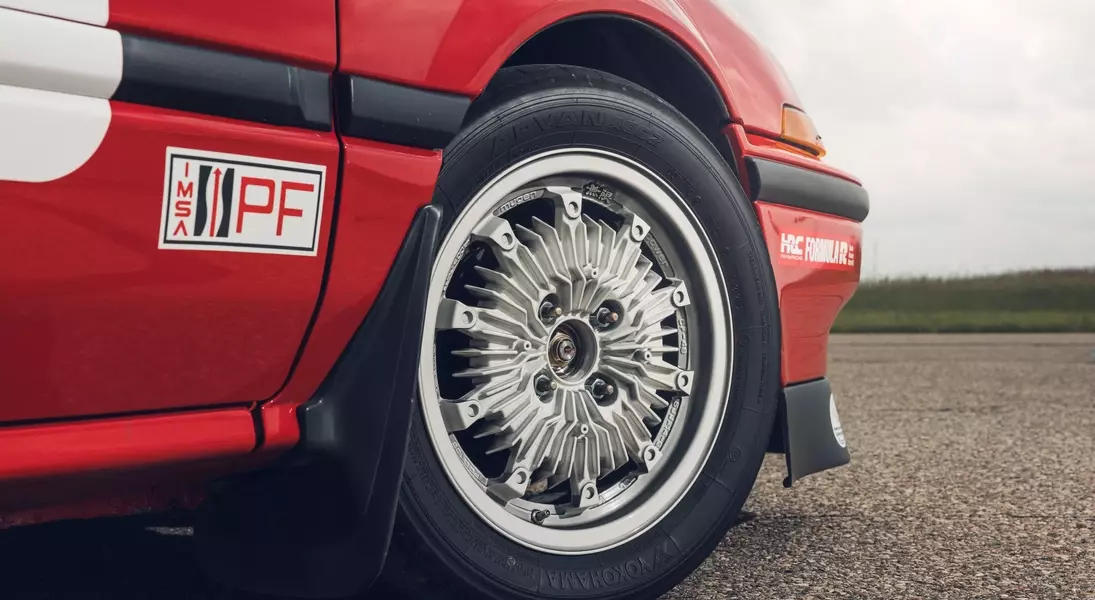
Beyond the engine, the Integra 40 Racer showcases several other unique components that contribute to its distinctive identity and formidable performance. Among these are the Mugen wheels, which are exceedingly difficult to acquire today. Mugen, a Japanese company with deep ties to Honda, is renowned for producing high-performance aftermarket parts, and their wheels are particularly prized for their lightweight construction, durability, and aesthetic appeal. The presence of these rare wheels on the 1987 Acura Integra 40 Racer not only enhances its visual appeal but also significantly improves its handling dynamics by reducing unsprung mass, further cementing its status as a serious racing contender.
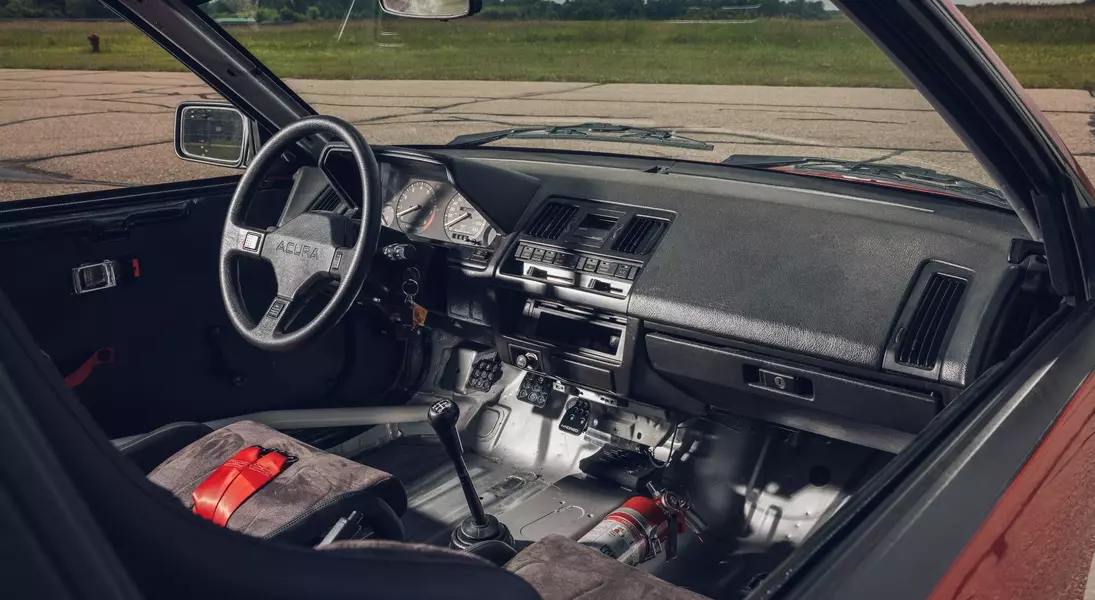
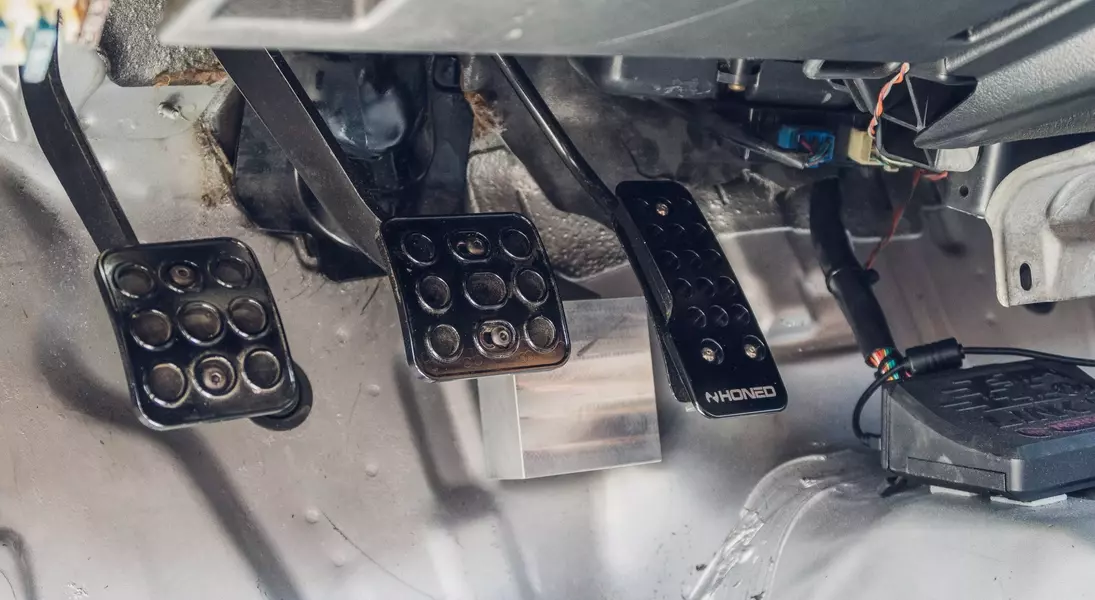
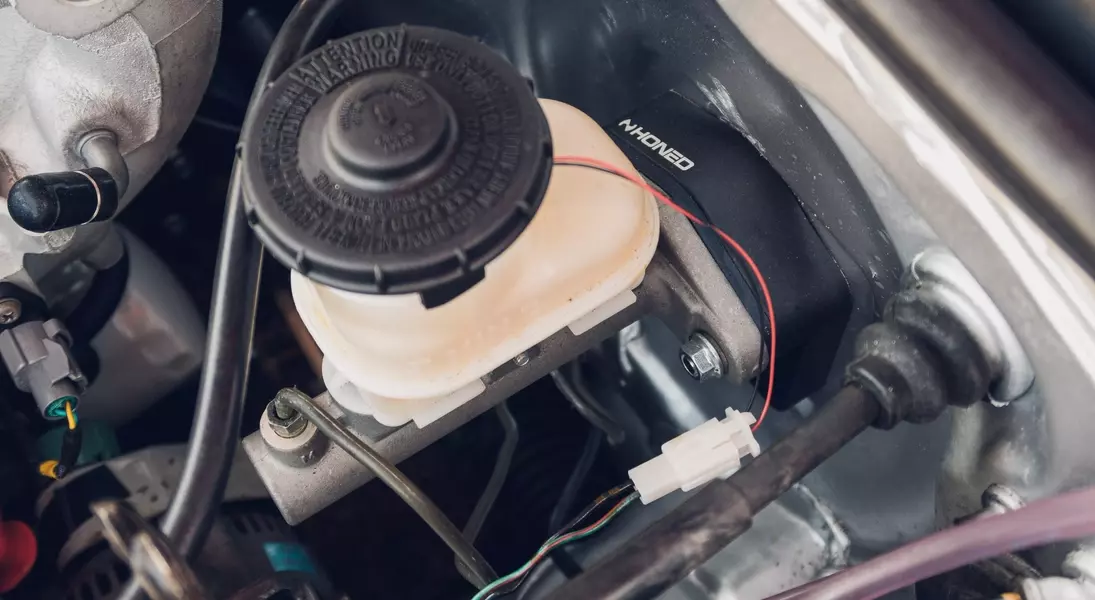
The absence of power brakes in this race car is another interesting detail, reflecting a design philosophy focused on raw, unassisted performance. While modern vehicles almost universally feature power-assisted braking systems for comfort and ease of use, older race cars often prioritized direct feedback and minimal weight. This choice means the driver must exert more physical force to bring the car to a halt, but in return, they gain a more direct and unmediated connection to the vehicle's braking performance, which can be advantageous in high-stakes racing scenarios where precision is paramount.
This meticulously crafted 1987 Acura Integra 40 Racer perfectly embodies the spirit of bespoke automotive engineering. It’s a compelling blend of historical significance and customized performance, demonstrating how a classic can be transformed into a high-octane racing machine while preserving its inherent character and charm. The dedication to its specific DOHC engine and rare components like the Mugen wheels ensures it is not just a fast car, but a unique and historically resonant piece of racing art.
