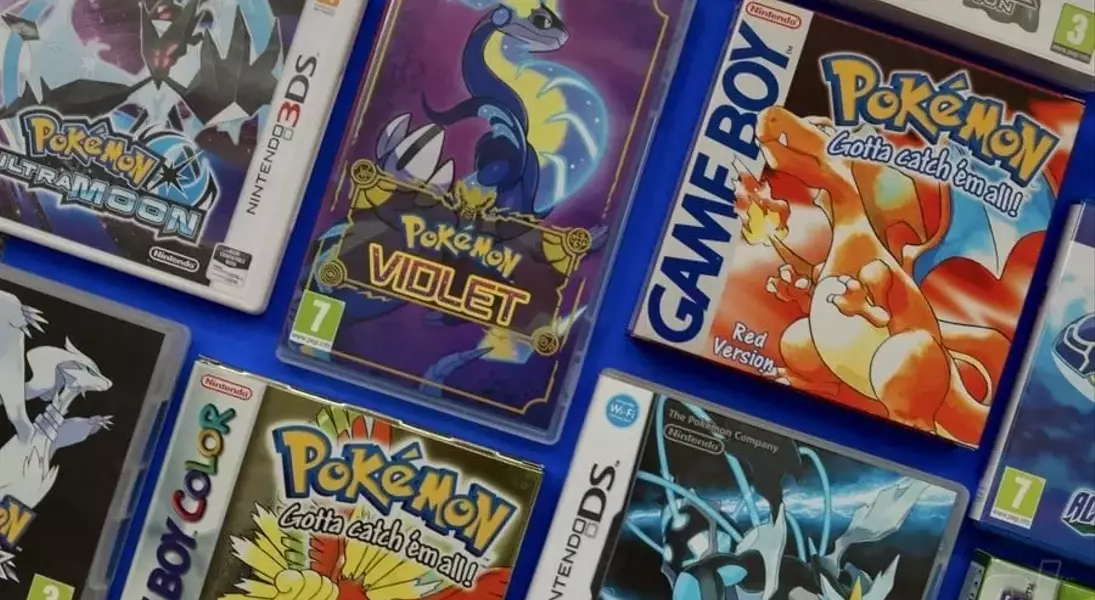
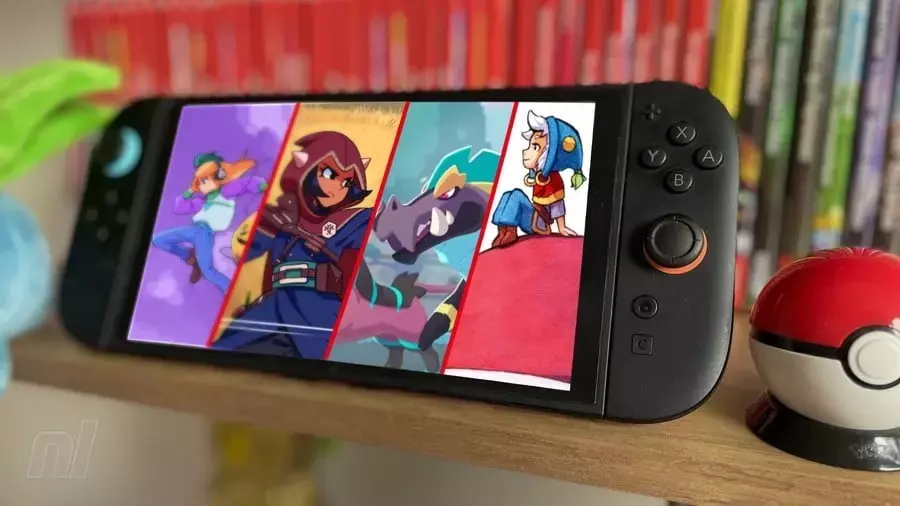

For three decades, Pokémon has reigned as a global entertainment titan, weaving its way into the cultural fabric with its expansive universe of games, cards, television series, films, merchandise, and even theme parks. This franchise's monumental success has not only captivated millions worldwide but has also profoundly shaped a new generation of game developers. These creators, fueled by a deep affection for the original series, are now innovating within the 'Pokémon-like' genre, demonstrating how a beloved formula can be both honored and transformed. Their work showcases a genuine passion for the source material, translating cherished elements into fresh and diverse gaming adventures, proving that Pokémon's legacy extends far beyond its own official titles.
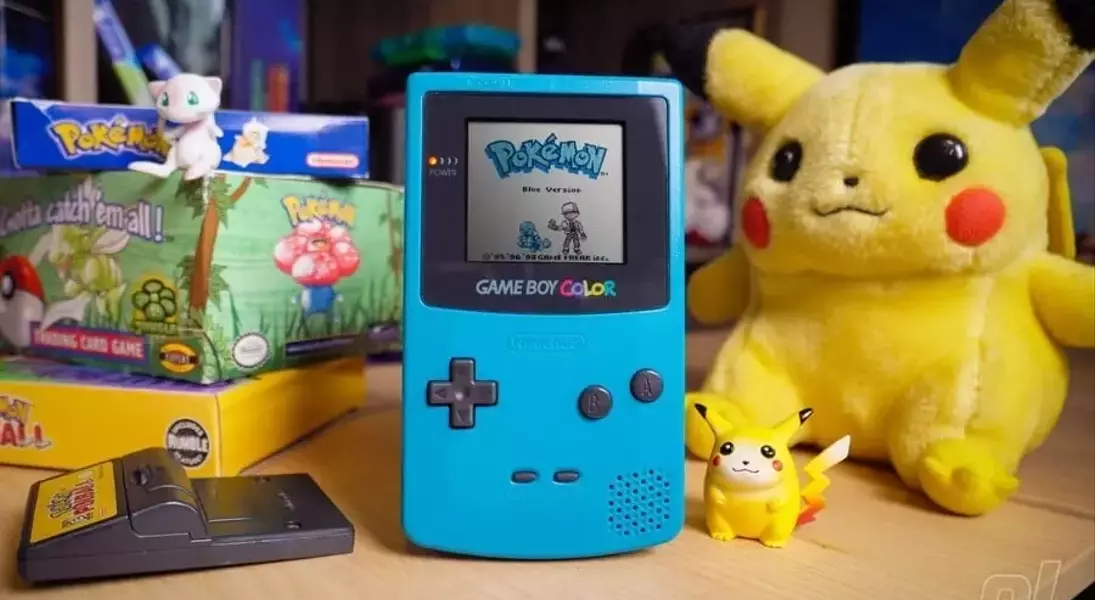
Many developers recall their initial encounters with Pokémon as pivotal childhood moments, affectionately termed 'canon events.' Sandy Spink, lead developer for 'Moonstone Island,' recounts receiving a Game Boy Color and 'Pokémon Blue' for his sixth birthday, an event that charted his lifelong course in game development. Jay Baylis of 'Cassette Beasts' vividly remembers the anime's monster-catching focus as a deliberate allure for his young mind. Alex Pratt, Marketing Director for 'Temtem' at Crema Games, describes his choice of Bulbasaur as a first starter as a swift decision that quietly influenced many years of his life. Jochem Pouwels, who collaborated with TRAGsoft on 'Coromon,' even played 'Pokémon Red' in a foreign language, relying solely on its engaging gameplay to navigate the unknown, highlighting the universal appeal of its core mechanics.
A recurring theme among these developers is the irresistible allure of Pokémon's fundamental design. Two aspects consistently stand out: the captivating creatures themselves and the ingenious system of micro-rewards. Jay Baylis articulates this perfectly, suggesting that the cycle of collecting monsters, training them for battles, and discovering new species is arguably the finest game concept ever conceived. Players are inherently drawn to the visual appeal of these creatures, eager to identify with certain types and compare their choices with friends. This strong emotional connection with the 'mon is a primary driver of the series' enduring appeal.
Beyond the charm of individual creatures, Luis Wong, co-founder of LEAP Game Studios (makers of 'Dicefolk'), emphasizes how Pokémon cleverly integrates its monsters as both allies and adversaries. This dual role cultivates a natural curiosity and encourages players to experiment in battles, turning every encounter into a potential opportunity to form a bond with a new Pokémon. The seamless transition between battling and befriending fosters a dynamic and deeply engaging experience that keeps players invested.
Perhaps less obvious, but equally crucial, is Pokémon's sophisticated micro-reward system. Game developers, with their keen analytical eye, often notice intricacies that casual players might overlook. These rewards manifest in various forms, from the satisfying 'number go up' mechanic of experience points and team levels after each battle, to the subtle thrill of encountering a new Pokémon while traversing tall grass. Sandy Spink highlights how this gradual progression allows players to visibly witness their creatures evolve from small, endearing beings into powerful, formidable forces, delivering a consistent sense of achievement and progression.
JVemon, lead developer of 'Nexomon,' draws parallels between the constant possibility of new Pokémon appearances in the grass and modern gacha mechanics. He notes that the frequent, controllable bursts of positive feedback — receiving a new Pokémon — provided a sense of gratification, all without the financial cost typically associated with gacha games. Jochem Pouwels further elaborates, likening the tall grass to a "little slot machine of possibility," creating an "incredibly satisfying rhythm of constant micro-rewards." This design ensures that every player's journey is unique, offering a blend of accessibility and hidden depth that is endlessly inspiring for developers.
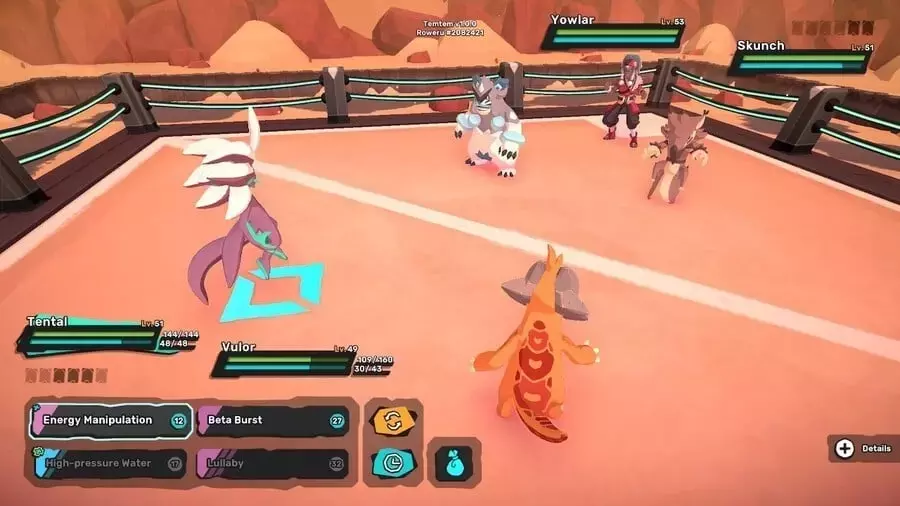
As developers craft their own 'Pokémon-like' games, they face the challenge of preserving the charm of the original while introducing fresh mechanics. Tom Coxon of Bytten Studio argues that the monster-collecting RPG genre is ripe for unexplored avenues, with vast design space still available. For 'Cassette Beasts,' this meant transforming creatures during battle rather than simply collecting them, a deliberate choice to redefine genre expectations. Sandy Spink's 'Moonstone Island' completely reimagined the battle system, replacing repetitive combat with card-based puzzles. Others, like Crema Games with 'Temtem,' initially aimed for a near 1:1 homage before recognizing the freedom to innovate given a new audience, showcasing how a departure from the established formula can unlock unique twists.
The balancing act between paying homage and innovating is crucial for developers in this space. While strong inspiration is necessary to attract the existing player base, altering the core formula too drastically risks alienating fans. JVemon recounts 'Nexomon's' initial creative constraints, which led to focusing on improving seemingly unrelated aspects, such as offering non-linear exploration and more mature storylines. Despite Game Freak's consistent gameplay, there have been innovations like expanded battle formats and the open-world design of 'Scarlet and Violet,' signaling a potential shift. However, performance issues in recent titles have led some fans to long for the simpler, polished experiences of earlier generations.
Developers express varied hopes for Pokémon's future. Sandy Spink wishes Game Freak had more time to refine their games, aspiring for a 'Breath of the Wild' equivalent for Pokémon. The 'Dicefolk' team cherishes the unique journey provided by 'Scarlet & Violet's' open world and hopes for further expansion. Jochem Pouwels dreams of a "love letter" to the franchise, akin to 'Sonic Mania,' crafted by those deeply connected to its origins. Tom Coxon yearns for a return to the mystique and mild horror of the early games, while Jay Baylis hopes Pokémon continues to serve as an accessible entry point for young players into the RPG world. These perspectives highlight a desire for both innovation and a return to the series' foundational magic.
