
The saga of Dragon Quest, a foundational pillar of the JRPG genre since its debut in 1986, has seen its entries routinely met with fervent excitement, particularly within Japan. Before the widespread phenomenon of gamers taking leave to immerse themselves in major releases like Grand Theft Auto VI, earlier generations were already utilizing 'sick days' to conquer fantastical adversaries. However, the seventh installment, known as Dragon Warrior 7 in its initial North American release, experienced a somewhat different trajectory. After two preceding titles bypassed the Western market entirely, interest in the series had naturally diminished. When the game finally reached North American shores in November 2001, it was not only difficult to acquire but also left many early adopters feeling underwhelmed. Yet, over the subsequent years, Square Enix demonstrated persistent commitment, revisiting and refining the game on multiple occasions. Each successive iteration of Dragon Quest VII has progressively surpassed its predecessors, marking a journey of remarkable improvement and adaptation for a title that initially struggled to capture its audience.
Initial Challenges and Waning Enthusiasm
The original North American launch of Dragon Warrior 7 on the PlayStation was met with lukewarm reception, largely due to its antiquated presentation and sluggish initial progression. Released late in the console's lifecycle, the game's 3D visuals, while an improvement over earlier Super Nintendo titles, felt less refined compared to the more detailed 2D environments of contemporary PS1 classics like Final Fantasy IX. This perception of being a relic from a bygone era made it difficult for players to connect with the adventure. The opening hours were particularly notorious; it wasn't uncommon for players to spend several hours navigating puzzles and exploring without a single enemy encounter, a stark departure from the series' tradition of immediate monster battles and rapid character leveling. This prolonged non-combat introduction, coupled with its general availability issues, contributed to a significant disappointment among the dedicated fans who managed to obtain it.
Upon its Western introduction in 2001, the game's inherent antiquity presented a notable barrier to engagement. Its deliberate pacing, especially during the initial stages which notably lacked the hallmark monster encounters characteristic of the franchise, contributed significantly to player disillusionment. Unlike earlier Dragon Quest titles where adventurers would quickly venture beyond castle walls to engage in combat and develop their party, Dragon Warrior 7's opening demanded extensive time dedicated to solving intricate, often tedious, environmental puzzles. This extended period devoid of traditional RPG combat meant that many enthusiastic players found their interest waning long before the narrative or gameplay truly began to unfold. Consequently, the game struggled to retain its audience, with a considerable number of players abandoning their quest prematurely, never experiencing the extensive and appealing journey that lay beyond its challenging initial impression.
Modern Revisions and Triumphant Evolution
A decade after its original release, the Dragon Quest VII: Fragments of the Forgotten Past remake for the Nintendo 3DS marked a pivotal turning point, offering a significantly enhanced gameplay experience. This portable rendition meticulously addressed many of the original's criticisms, particularly its slow start. The notoriously tedious introductory dungeon was streamlined, allowing players to engage with the core adventure much more rapidly. Beyond this crucial pacing adjustment, the 3DS version introduced a host of quality-of-life improvements, such as visual cues to help locate essential stone tablet shards, minimizing frustrating guesswork. Furthermore, the addition of visible enemy encounters on the field, a story recap system accessible via the pause menu, and helpful in-party suggestions all contributed to a more intuitive and enjoyable journey, transforming a once-divisive title into a far more accessible and celebrated experience.
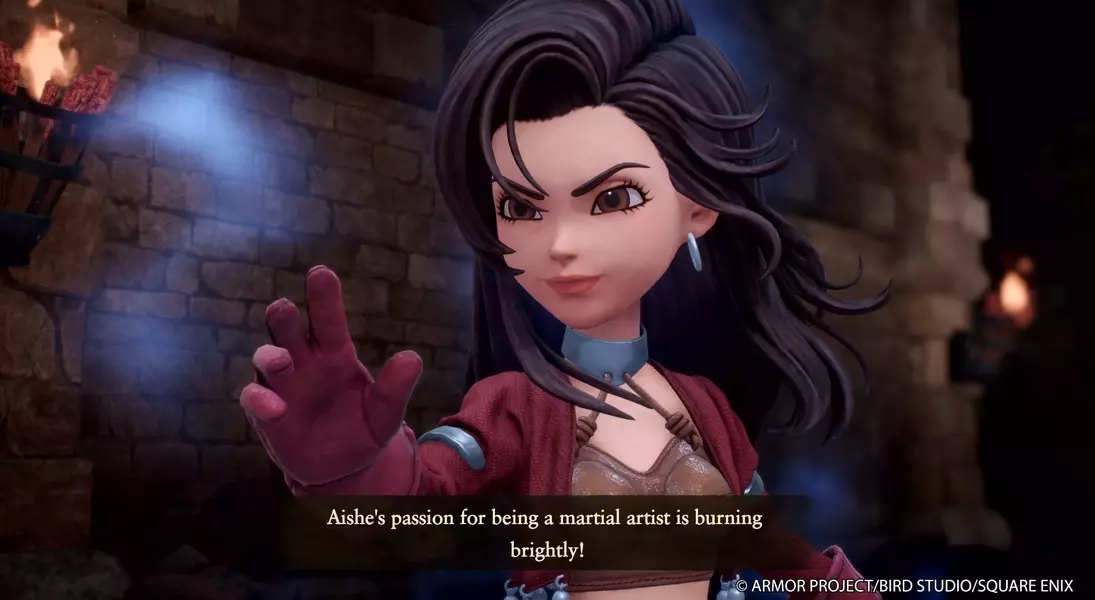
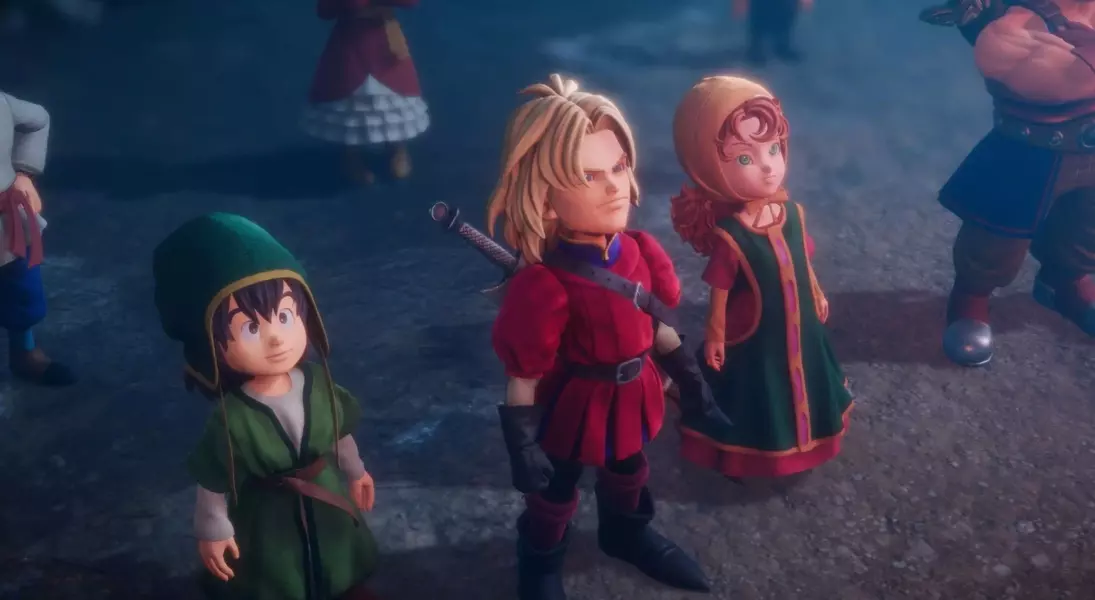
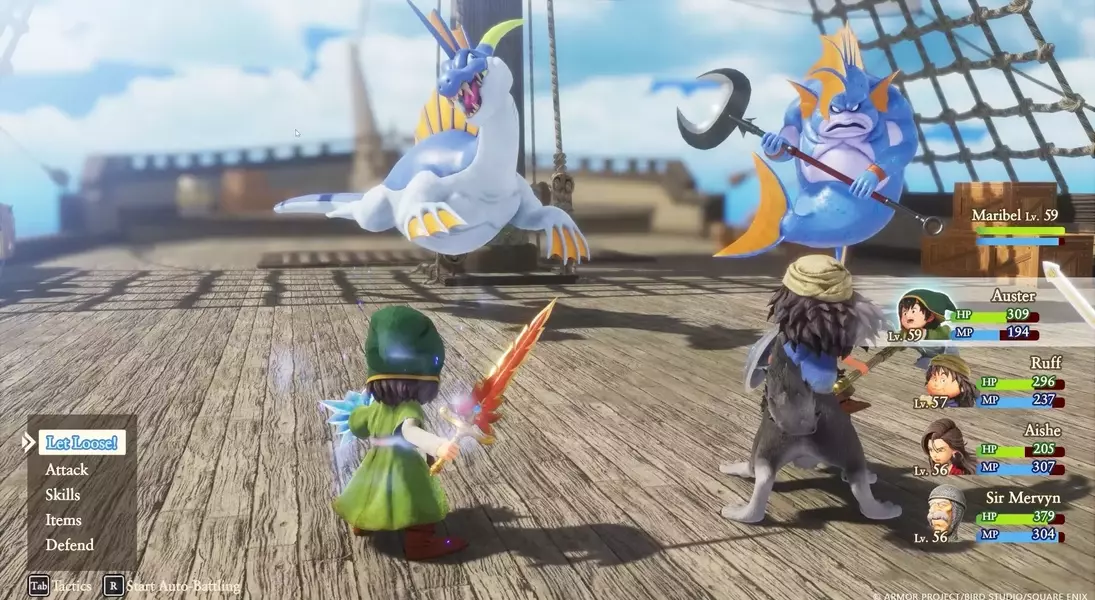
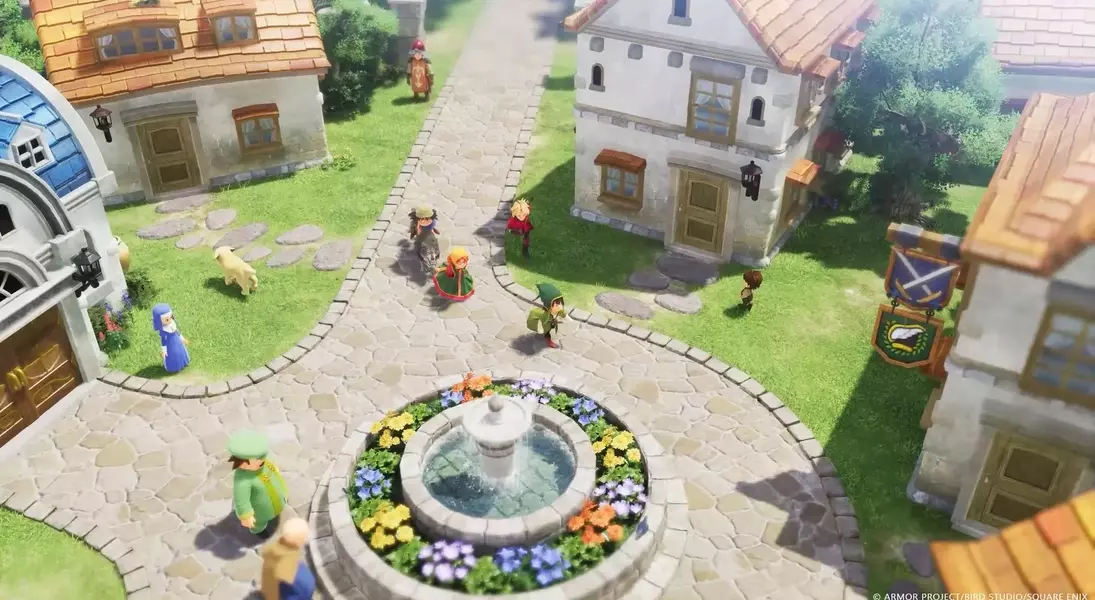
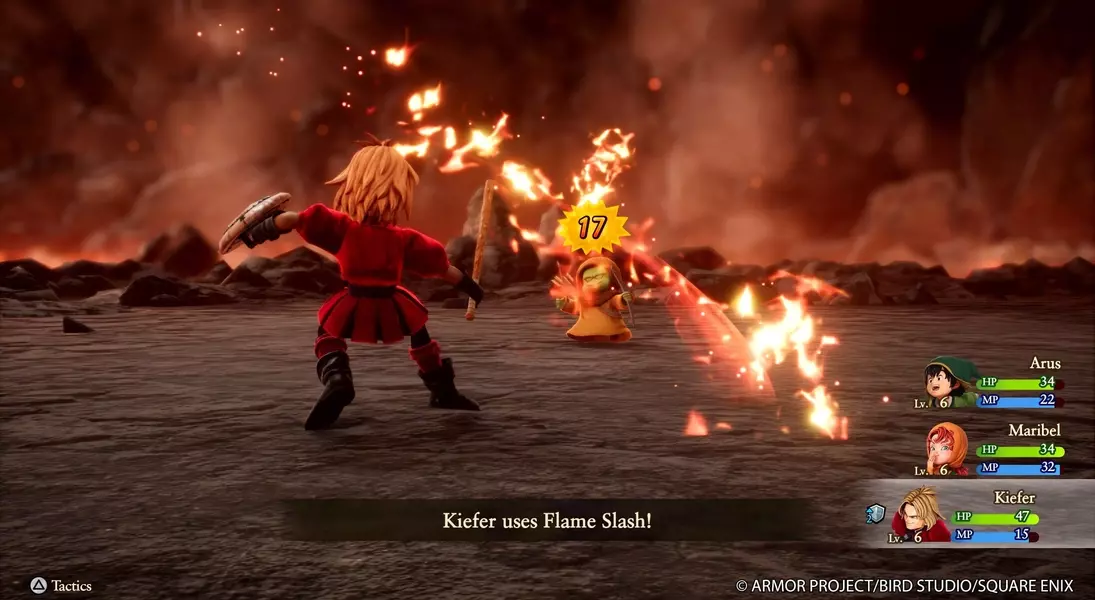
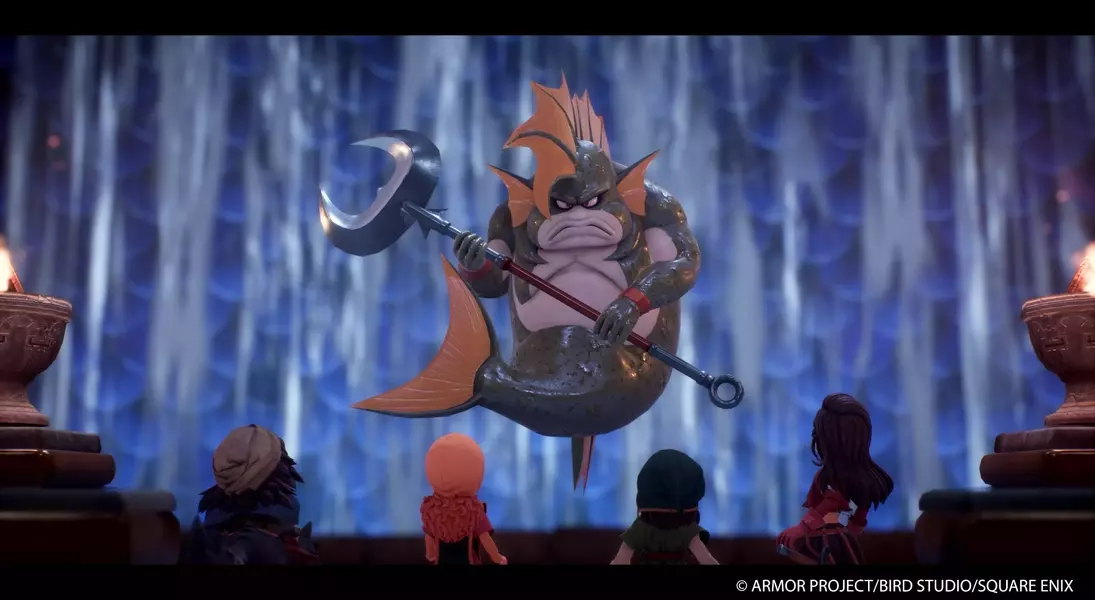
The most recent and definitive reimagining, Dragon Quest VII Reimagined, launched in February 2026 across a spectrum of modern platforms including Switch, PlayStation 5, Windows PC, and Xbox Series X, has elevated the classic adventure to unprecedented heights. This latest iteration boasts a breathtaking new art style, presenting the world as a vibrant diorama, beautifully complemented by professional voice acting that injects profound life into the narrative. Gameplay mechanics have also received substantial overhauls, notably with an expanded character vocation system allowing dual class mastery without the need for repetitive visits to Alltrades Abbey. Moreover, the introduction of automated victories against weaker overworld enemies offers a welcome compromise for players seeking efficiency, while other enhancements like multiple difficulty settings, a shared inventory, and automatic post-battle revival significantly refine the player experience. These comprehensive modernizations not only address past frustrations but also ensure the game's enduring legacy is celebrated by a new generation of RPG enthusiasts.
