
In an era of rapid technological advancement, where consumer goods often succumb to planned obsolescence, a unique category of vehicles continues to defy the norm: the enduring diesel pickup truck. These machines, often celebrated for their ruggedness and unwavering performance, offer a refreshing counter-narrative to the fleeting lifespan of many modern conveyances. Our exploration into this segment reveals that certain diesel powertrains, particularly those from a bygone era of simpler mechanics and over-engineered components, stand as monuments to reliability. This deep dive uncovers five such engines and the trucks they propelled to legendary status, each embodying a legacy of relentless utility and minimal fuss.
Unveiling the Titans of Torque: A Detailed Look at Diesel Legends
On a crisp morning in May 2026, a revelation emerges from the automotive world, shining a spotlight on the most formidable diesel trucks ever constructed. These vehicles, dating back several decades, continue to perform with a tenacity that puts many contemporary models to shame. Our focus zeroes in on five prime examples, celebrated for their mechanical resilience and straightforward upkeep, a testament to their original design for industrial and agricultural applications.
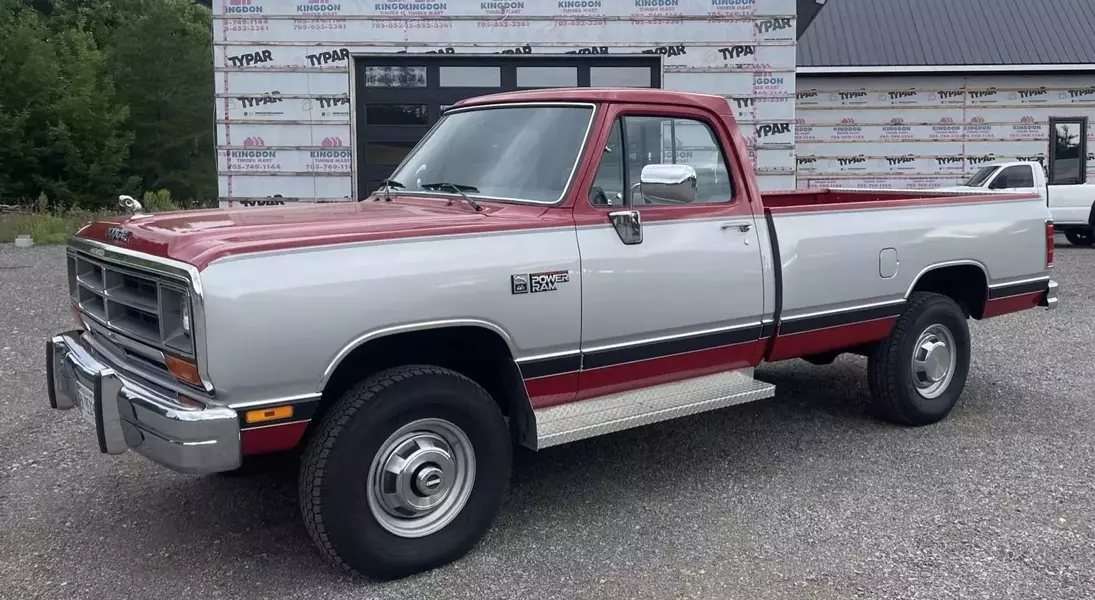
First in line is the Dodge Ram 2500/3500 (12-Valve Cummins), produced between 1989 and 1998. With used models typically priced between $15,000 and $35,000, these trucks are revered for their 5.9-liter Cummins engine. Its mechanical fuel injection system, devoid of complex computer controls, and robust cast-iron block with forged internals make it nearly indestructible. A critical maintenance point for prospective owners is addressing a potential issue with a small steel pin in the timing gear cover, easily secured with an aftermarket kit to prevent catastrophic failure.
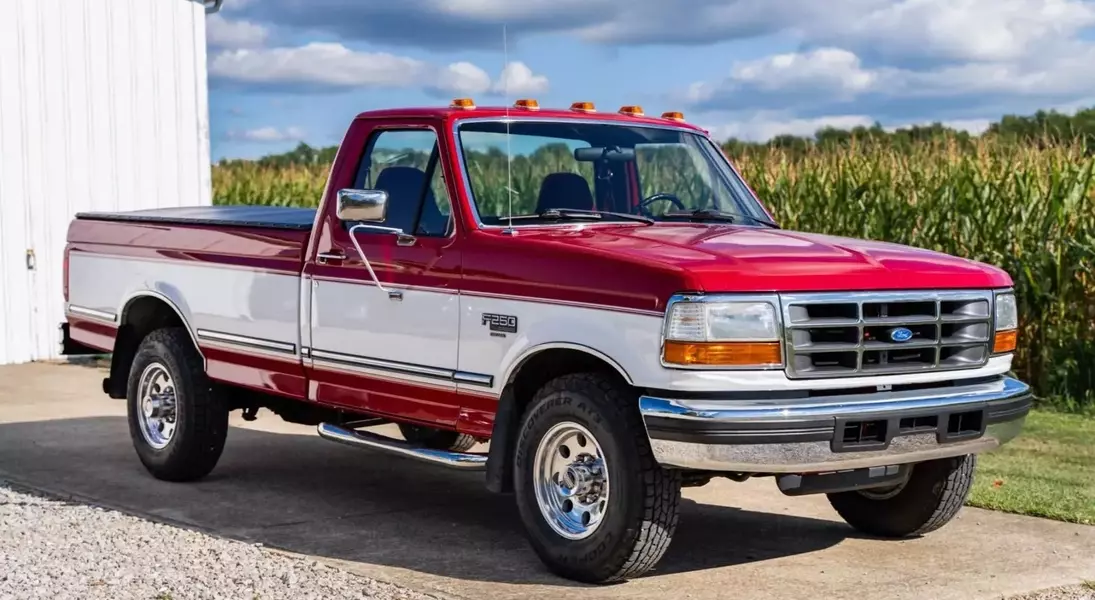
Next, we examine the Ford F-250/F-350 Super Duty (7.3L Power Stroke), which saw production from 1994 to 2003, with an expected used price range of $12,000 to $28,000. Ford's 7.3-liter Power Stroke, manufactured by Navistar International, is lauded for its sheer durability and capacity to endure heavy workloads for extended periods. Its Hydraulic Electronic Unit Injection (HEUI) system ensures consistent performance. A common but manageable issue is the Camshaft Position Sensor (CPS), which can fail unexpectedly, prompting owners to carry a spare for quick roadside fixes.
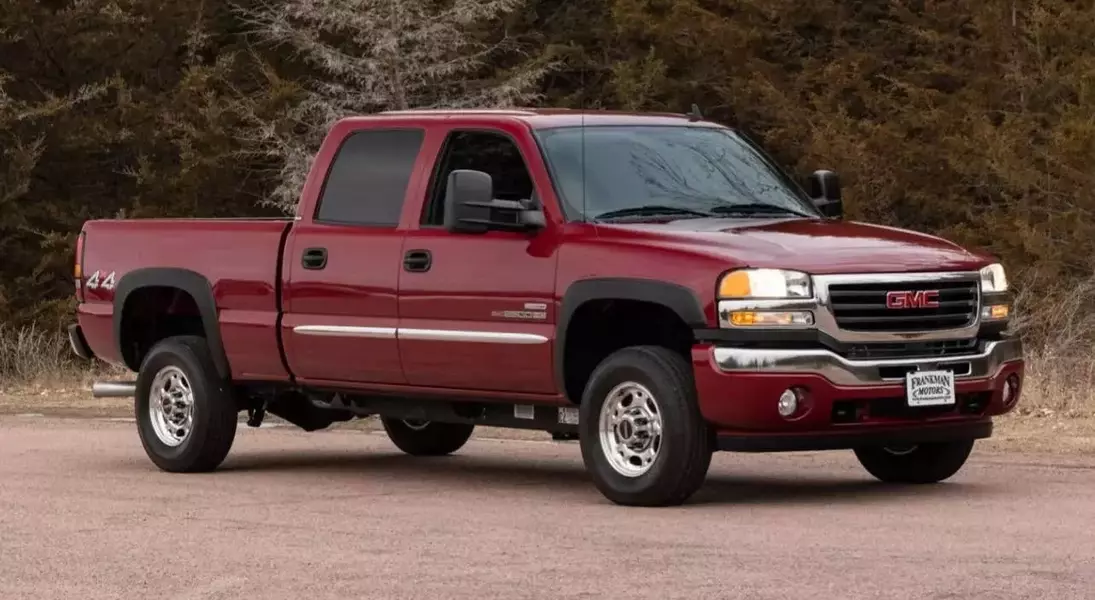
The Chevrolet Silverado / GMC Sierra 2500HD (LBZ Duramax), produced for a brief but impactful period between 2006 and 2007, commands used prices of $18,000 to $32,000. The 6.6-liter V8 LBZ engine is often considered the pinnacle of the Duramax series, arriving just before stringent Diesel Particulate Filter (DPF) regulations necessitated more complex emission systems. Paired with a robust Allison 6-speed transmission, it offers a harmonious blend of modern power and time-honored reliability. Owners should be mindful of a specific transfer case component that can cause wear and fluid loss, a problem easily averted with an aftermarket protector plate.
Venturing into international territory, we highlight the Toyota Hilux / Land Cruiser (1HZ Diesel). Although not directly retailed in the US market, models imported under “Classic” vehicle rules (25 years or older) fetch between $15,000 and $40,000. Produced from 1990 to the present in global markets, the 4.2-liter 1HZ naturally aspirated inline-six is globally recognized for its exceptional toughness. Its simplicity—lacking a turbocharger or intricate electronics—makes it incredibly easy to repair, even in challenging environments. Built to withstand low-quality fuel and extreme thermal conditions for half a million miles or more, its main characteristic is raw endurance rather than high power output; modifications for increased performance can compromise its legendary reliability.
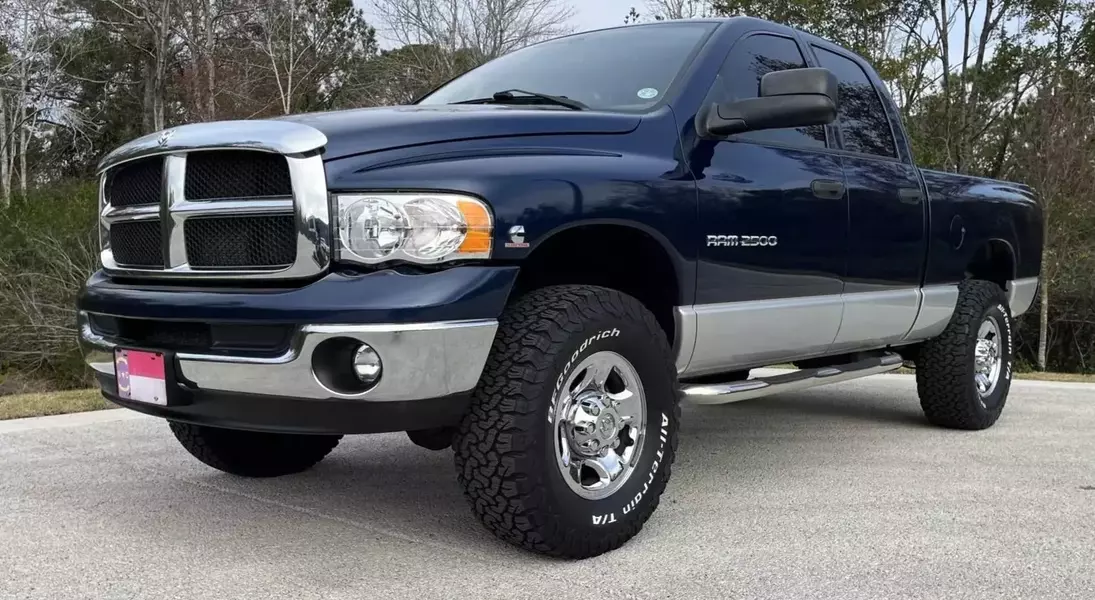
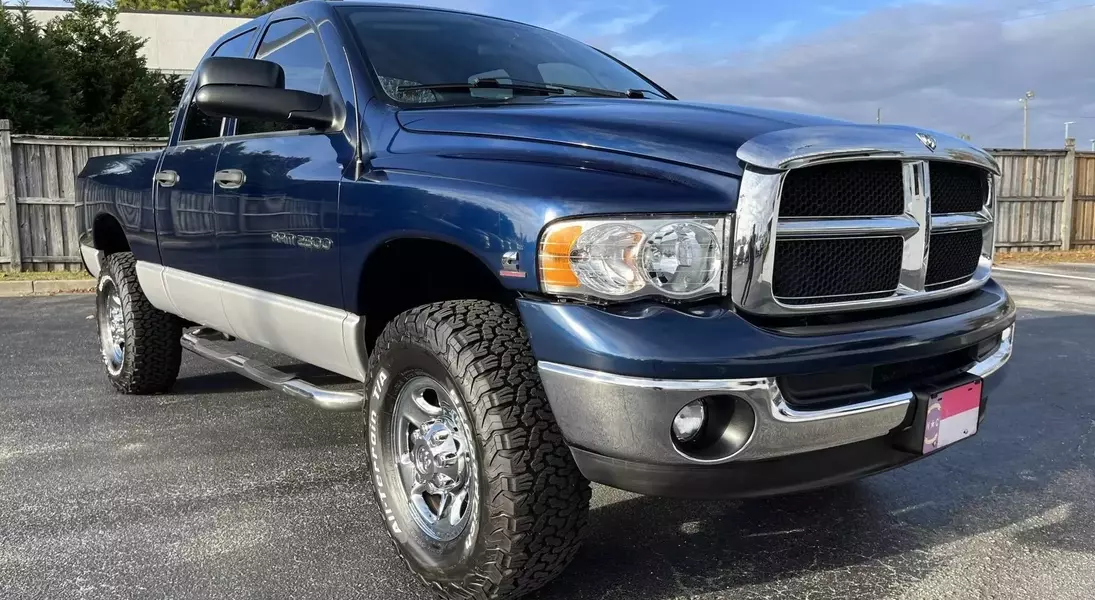
Finally, we revisit the Cummins family with the Dodge Ram 2500/3500 (5.9L Common Rail Cummins), manufactured from 2003 to 2007, with used prices typically falling between $18,000 and $30,000. This engine introduced high-pressure common-rail injection, significantly enhancing quietness and efficiency compared to its predecessors. It is particularly sought after by enthusiasts as it represents the most powerful Cummins engine before the widespread adoption of complex emissions systems. A key vulnerability for this engine is its factory fuel filtration system, which is often insufficient for its high-pressure injectors. Installing an aftermarket filtration system is a crucial preventative measure to ensure injector longevity.
These heavy-duty haulers, though predating many of today’s sophisticated SUVs, promise to outlast them, proving that true quality and thoughtful engineering stand the test of time. Their legacy is not just in miles traveled but in the unwavering confidence they instill in their owners, a rare commodity in today's automotive landscape.
The journey through these legendary diesel trucks offers more than just a nostalgic look at automotive history; it provides a profound lesson in engineering philosophy. In an age where complexity often equates to fragility, these workhorses remind us of the intrinsic value of simplicity, robustness, and repairability. Their continued presence on roads and job sites, long after their supposed expiration dates, underscores the importance of designing for longevity and resilience. This narrative should inspire both manufacturers and consumers to reconsider the true cost of ownership and the environmental impact of disposable design. Perhaps the future of sustainable transportation lies not just in innovation, but also in a renewed appreciation for the durable, the maintainable, and the built-to-last.
