

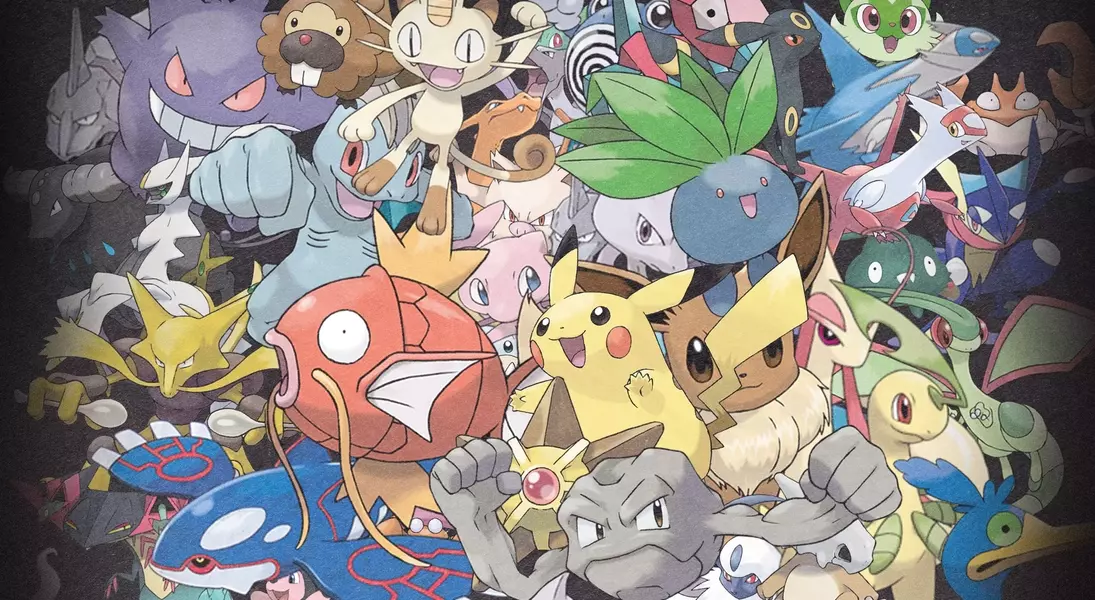
The gaming world often experiences a cycle of new titles emerging and others fading, a phenomenon observed with the recent shutdown of Highguard and the successful launch of Bungie’s Marathon. This continuous evolution sees new industry leaders taking the helm, as evidenced by the change in Microsoft Gaming's CEO and plans for a future Xbox console. Amidst this constant flux, some elements, like the iconic Pokémon franchise, demonstrate remarkable staying power, transcending fleeting trends to become a cherished fixture for multiple generations.
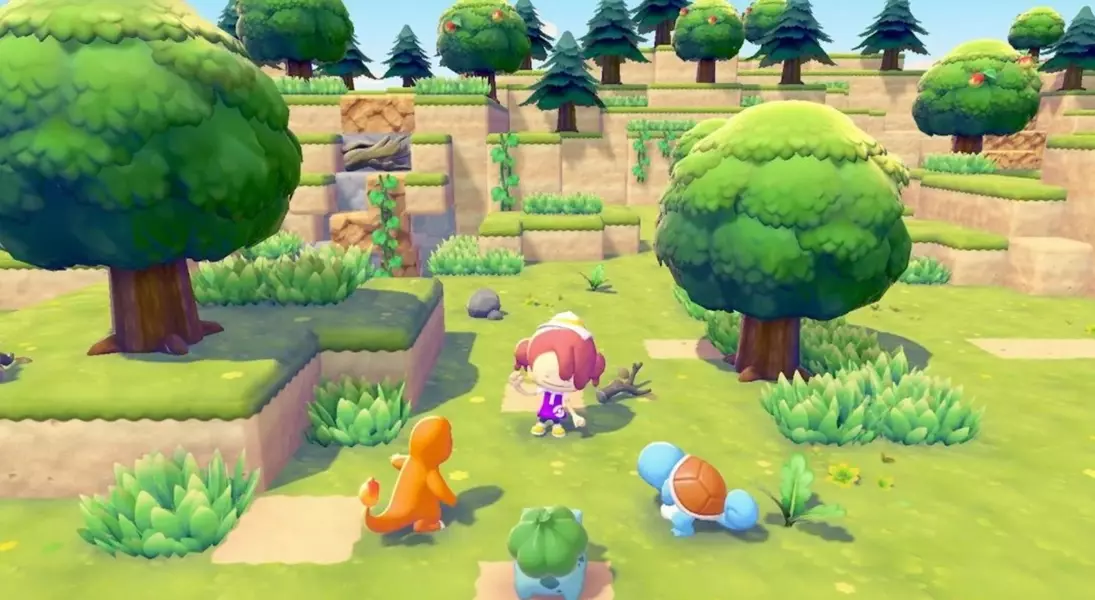
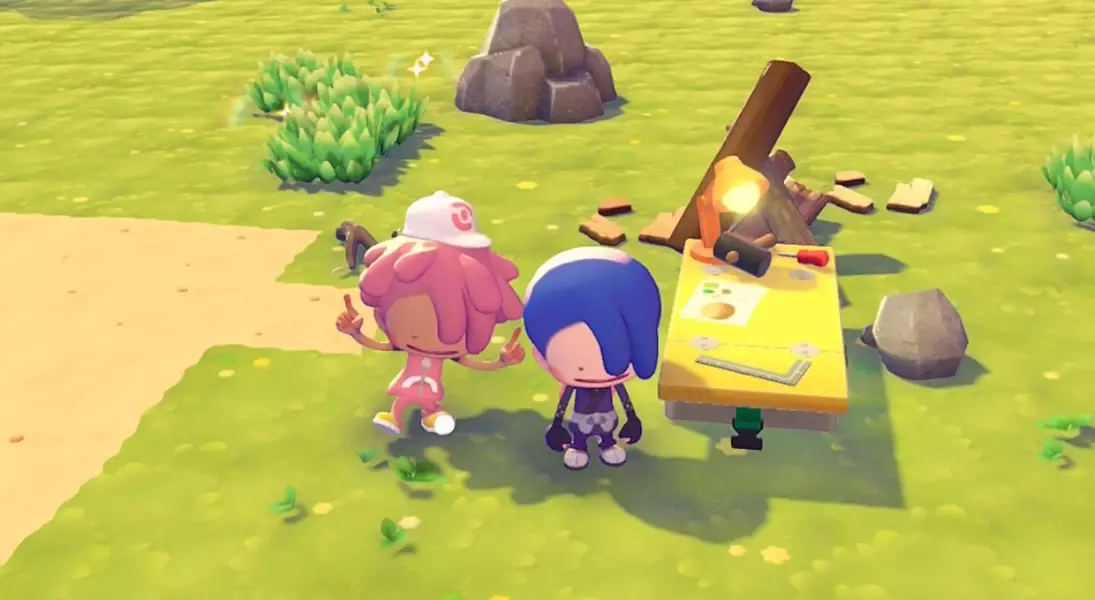
Pokémon, initially perceived as a passing craze, has transformed into an enduring cultural touchstone, celebrating its 30th anniversary. It evokes nostalgia for older fans while continuously captivating younger audiences, establishing itself as a comforting presence in the media landscape. This makes the critical success of the new game, Pokémon Pokopia, a cozy life-simulation spinoff, particularly noteworthy. Launched on Nintendo Switch 2, Pokopia has garnered unexpectedly high praise, leading many to reflect on why initial expectations might have been modest.
The historical context for this surprise success lies in Pokémon's varied track record; while core titles sometimes adhered too strictly to tradition and newer expansions faced technical issues, spinoffs often struggled to achieve excellence. However, Pokopia, crafted by Koei Tecmo's Omega Force studio—known for their masterful work on Dragon Quest Builders 2—has redefined expectations. They've skillfully adapted the world-building genre to the Pokémon universe, earning it a top spot on Metacritic's Pokémon game rankings. This achievement challenges the perception that Pokémon, despite its widespread affection, is not meant to be taken seriously as a complex gaming experience, proving that even a beloved, seemingly childish franchise can deliver deeply engaging and fulfilling adventures.
The remarkable reception of Pokémon Pokopia serves as a powerful reminder that genuine innovation and careful development can breathe new life into established franchises. It illustrates that even the most nostalgic and long-standing series can evolve, delivering profound and rewarding experiences that resonate with contemporary audiences. This success encourages us to look beyond preconceptions and embrace the potential for fresh perspectives and quality craftsmanship to elevate beloved worlds, fostering continued joy and connection across generations.
