


Over the past twenty years, the horological market consistently promoted larger watch cases, with sizes expanding from a conventional 33–38mm to the now-common 40mm and beyond. However, a growing appreciation for more understated dimensions is emerging, suggesting a return to classical proportions. Esteemed brands such as Tudor, Rolex, and IWC are demonstrating through their recent releases that smaller timepieces often deliver a more refined aesthetic and enhanced comfort, effectively challenging the industry's long-standing trend towards bulkier designs. These examples underscore that functionality and sophisticated design need not be sacrificed for a more compact form factor.
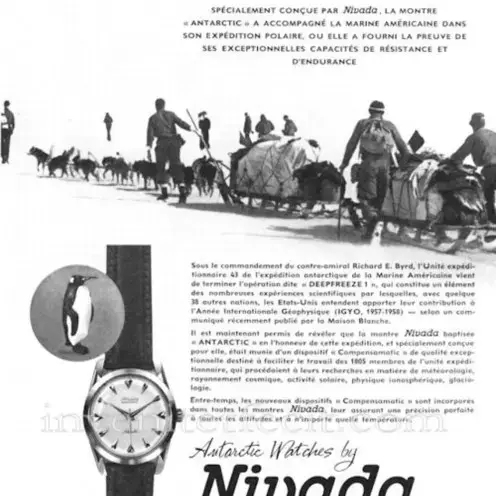
The 1950s and 1960s were characterized by adventurous exploration and significant scientific advancements, with participants often relying on watches that, by contemporary standards, were modestly sized. Timepieces such as the Rolex Oyster Perpetual and the Nivada Grenchen Antarctic, typically measuring between 35–36mm, were instrumental in some of humanity's most challenging endeavors. Their resilience and precision in extreme conditions underscore that practical utility does not necessitate a large case. This historical context provides a strong foundation for the current resurgence in smaller watch sizes, emphasizing their proven durability and timeless elegance.
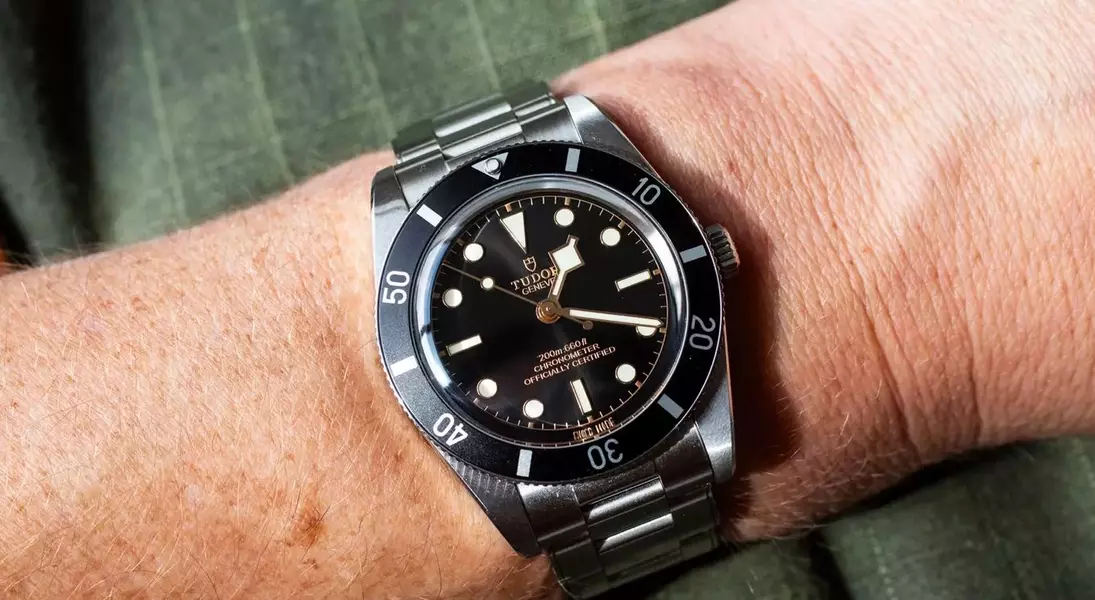
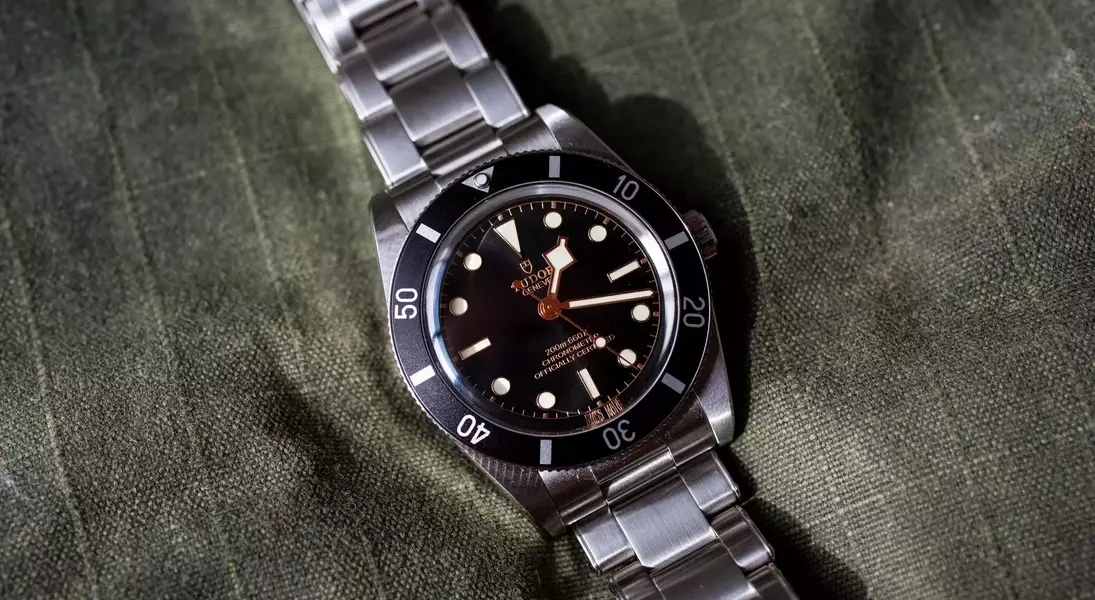
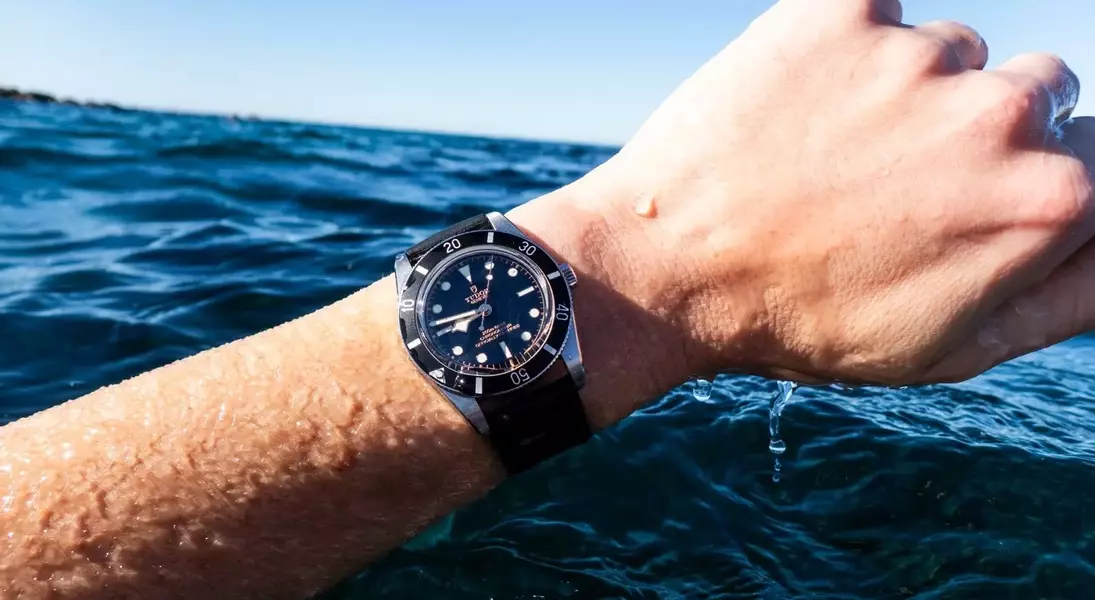
Tudor's Black Bay 54 perfectly embodies this philosophy, drawing inspiration from the 1954 Oyster Prince Submariner. Its 37mm case, slim 11.2mm profile, and short 46mm lug-to-lug distance ensure a snug fit on various wrist sizes. Despite its compact dimensions, it integrates Tudor’s advanced modern features, including a COSC-certified Kenissi movement with a 70-hour power reserve, 200m water resistance, and a convenient T-fit clasp. This model proves that a smaller watch can be just as capable and robust as its larger counterparts, effortlessly sliding under a shirt cuff while offering all the expected performance of a contemporary diver's watch.
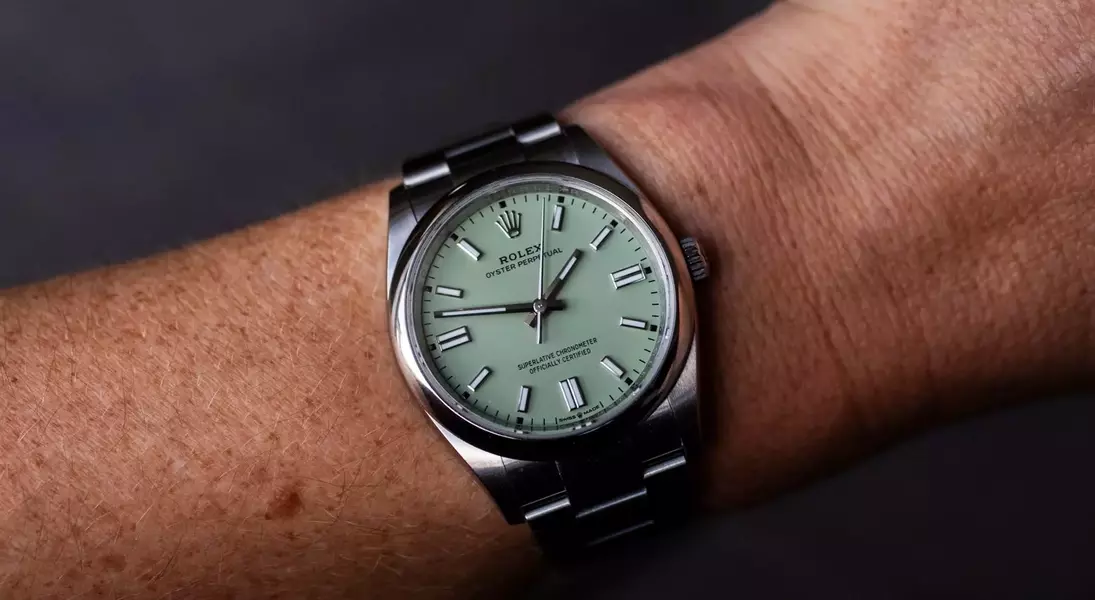
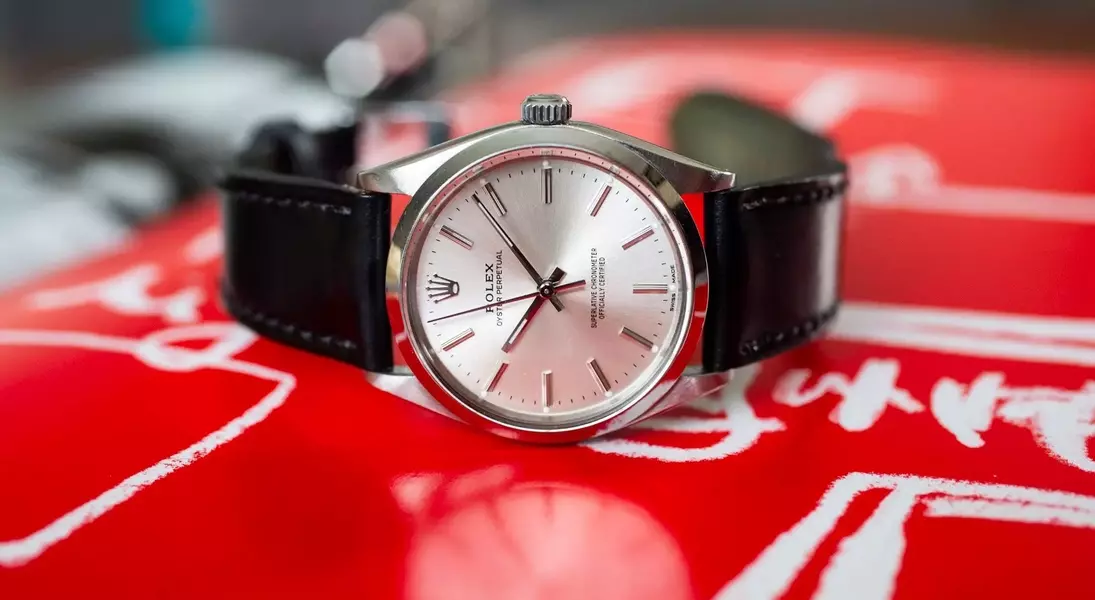
The Rolex Oyster Perpetual, available in 34mm and 36mm, exemplifies how smaller dimensions can showcase design purity. Without the additional complications or sporty features found in other Rolex models, these watches highlight an unadorned case, a clear dial, and a precise movement. Their proportions hearken back to the original Oyster watches, which established Rolex's iconic design language. The continued availability of these smaller sizes within Rolex's collection confirms their deliberate role, suggesting they are not mere remnants of past designs but integral components of the brand's enduring appeal. This commitment to classic sizing reinforces that an elegant, streamlined watch can command significant presence without excessive size.
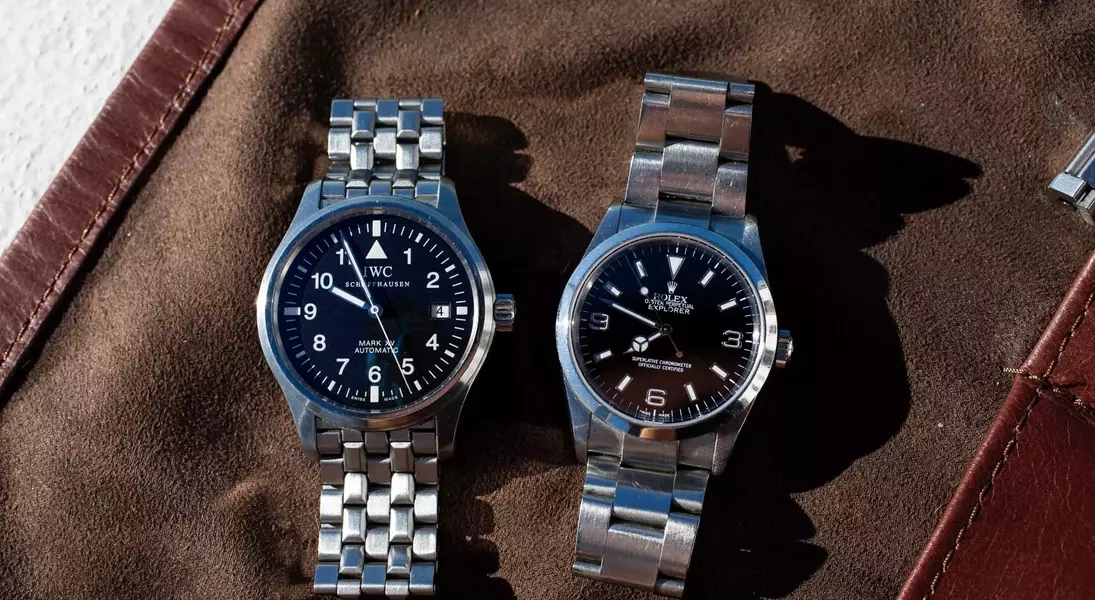
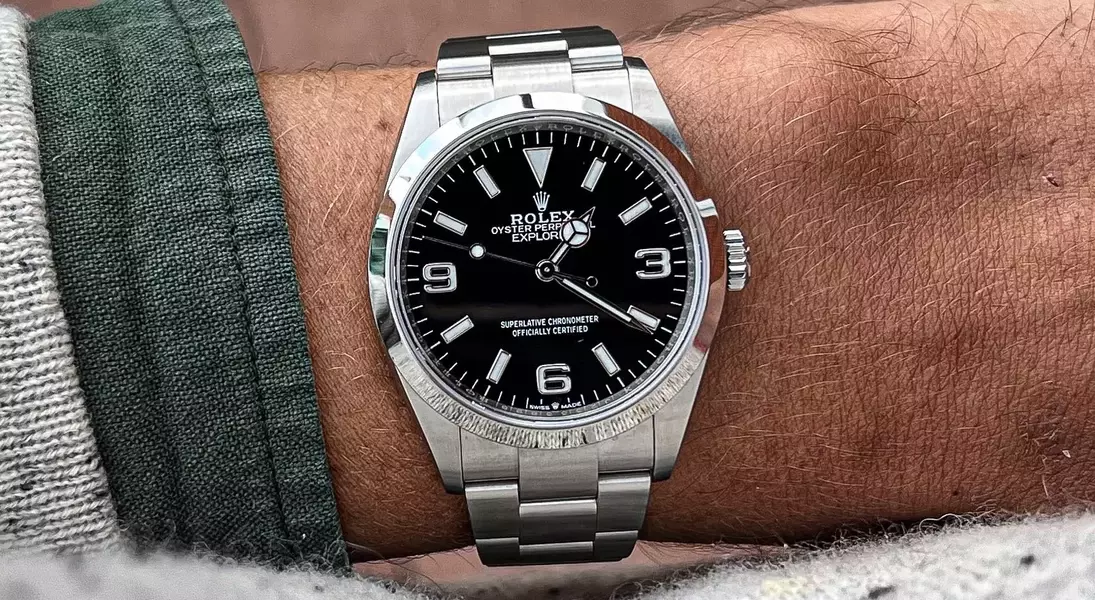
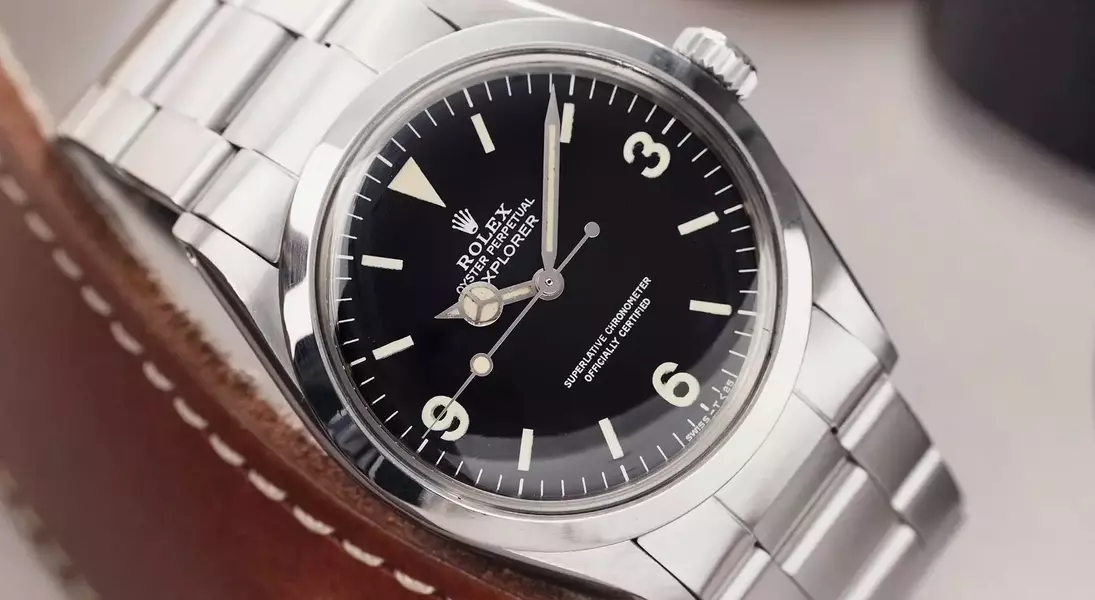
Similarly, the 36mm Rolex Explorer, which was reintroduced in 2021, returns to the historical dimensions of the original 1953 model. Its straightforward 3-6-9 dial, celebrated for its legibility, is optimally presented in this size. Attempts to enlarge the Explorer to 40mm can often result in a dial that appears somewhat sparse, indicating that simply stretching proportions does not always enhance the design. The 36mm version achieves a more harmonious balance among the bezel, dial, and hand lengths, suggesting that some designs are inherently better suited to a specific size for visual coherence and overall appeal.
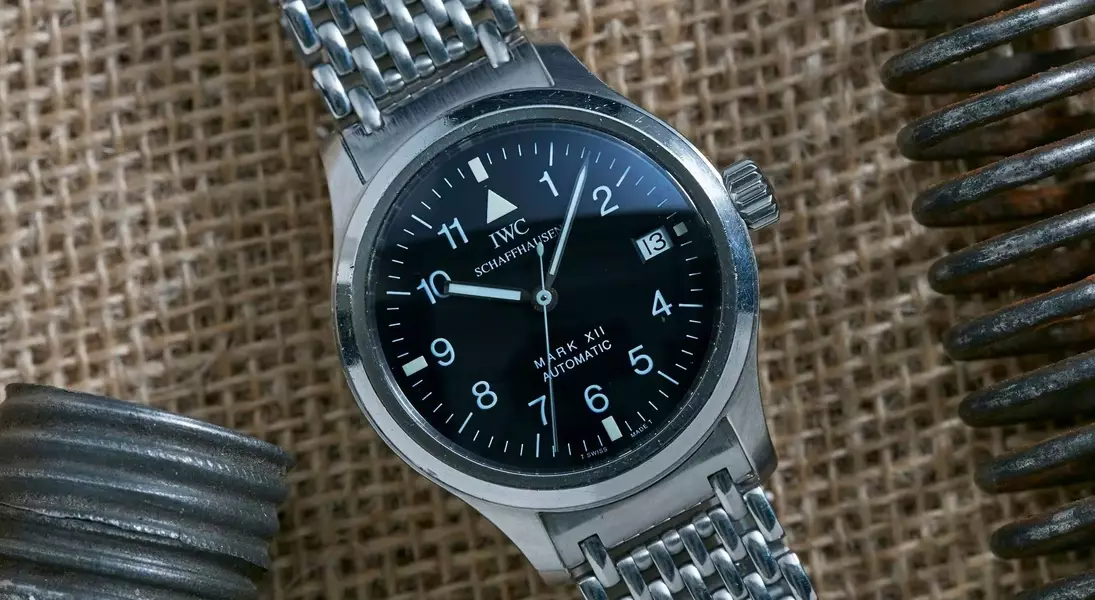
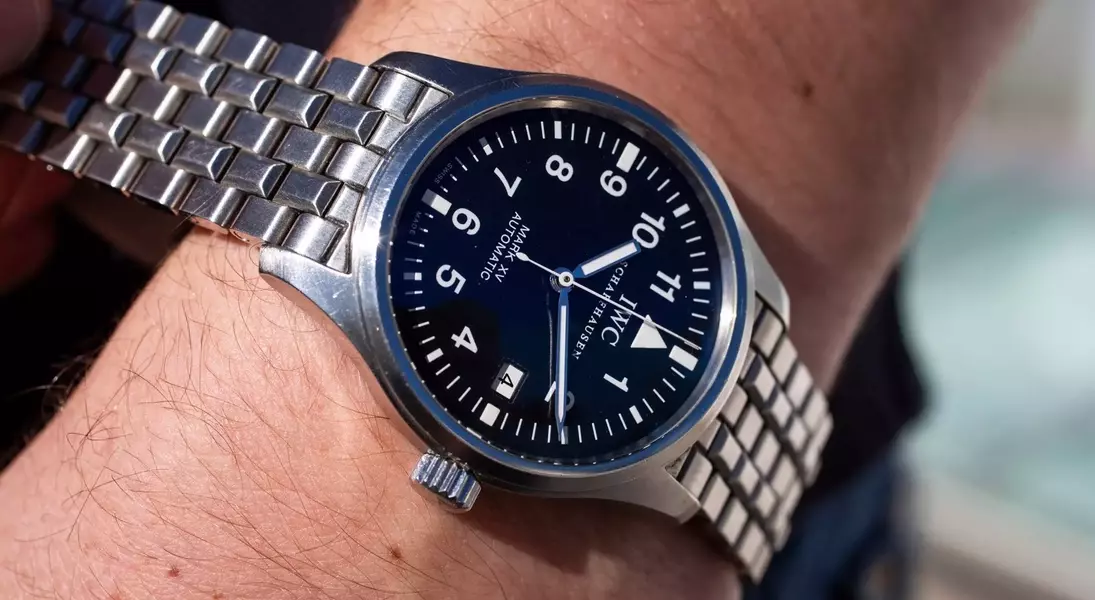
The IWC Mark XV and Mark XII further illustrate this point, offering a compelling comparison between 36mm and 38mm cases. The Mark XII, introduced in the early 1990s with a 36mm case, was succeeded by the 38mm Mark XV in 1999. Both watches remain highly wearable, with the 2mm difference being remarkably subtle rather than transformative. This slight variation in size underscores that minor increases in diameter do not necessarily improve a watch’s practical utility. Both models effectively fulfill their function as pilot watches, offering clear legibility and fitting comfortably under clothing, highlighting that added bulk often contributes little to a watch's core performance.
In conclusion, while larger watch cases have dominated the market for decades, a nuanced reappraisal reveals the inherent advantages of smaller designs. Models like the Tudor Black Bay 54, Rolex Oyster Perpetual, Rolex Explorer, and IWC Mark XV and Mark XII collectively make a compelling argument that size does not equate to superiority. These timepieces, typically ranging from 34mm to 38mm, consistently offer enhanced comfort, a more harmonious aesthetic balance, and practical wearability for a wider range of individuals. This trend suggests that design integrity and ergonomic considerations are increasingly valued, moving beyond the arbitrary pursuit of larger dimensions that characterized a previous era in watchmaking.
