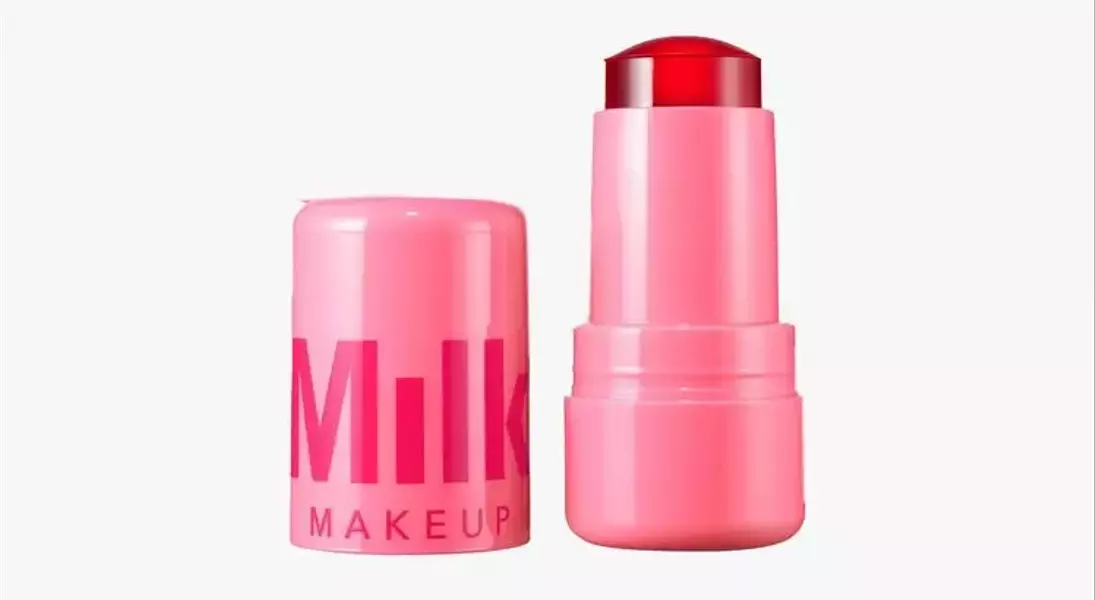
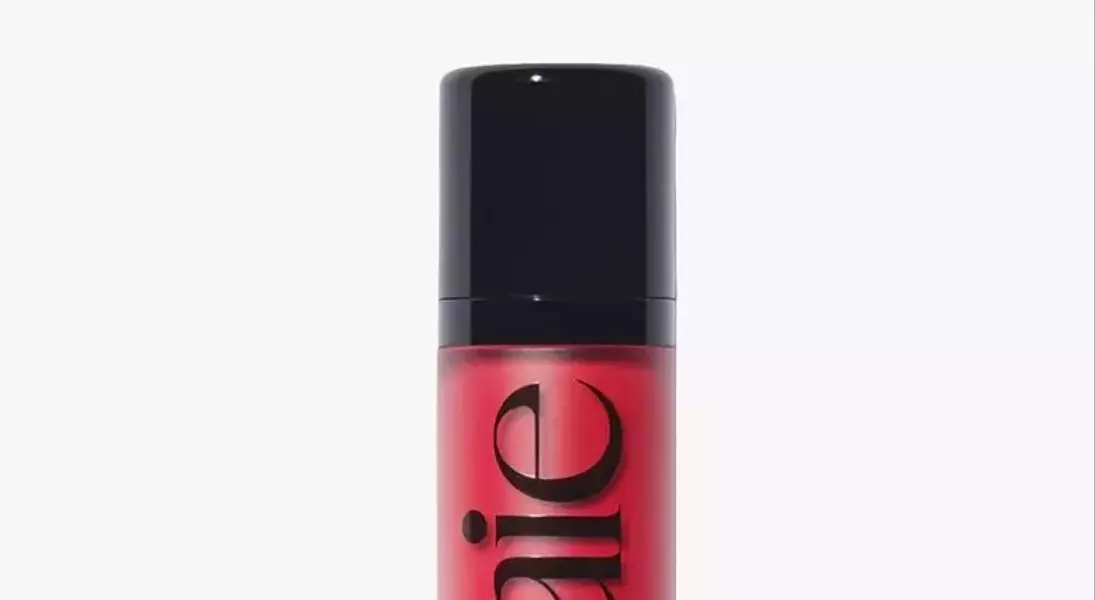
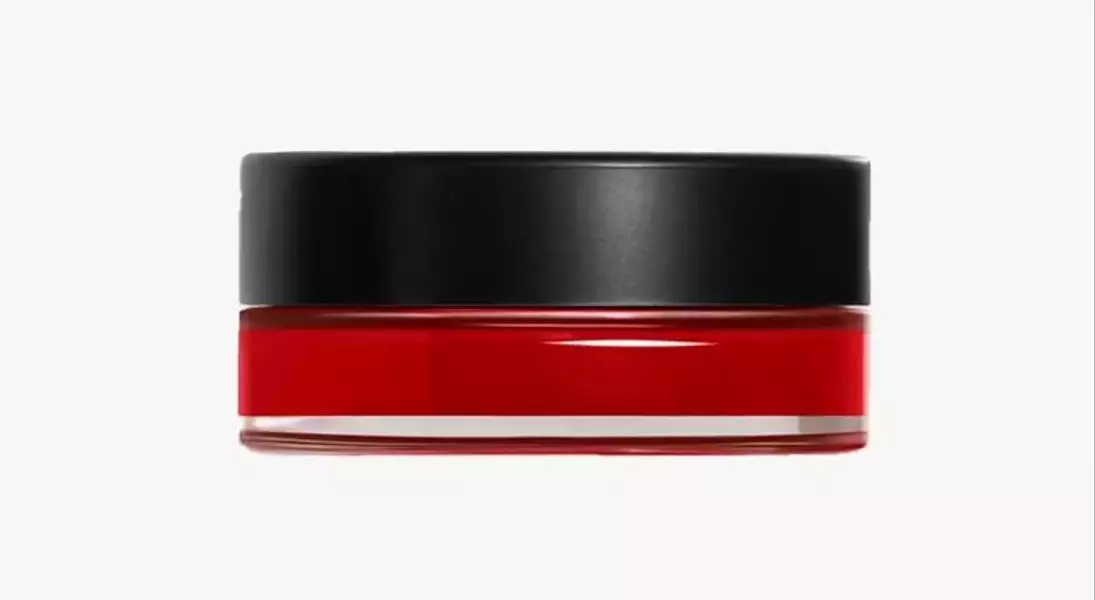
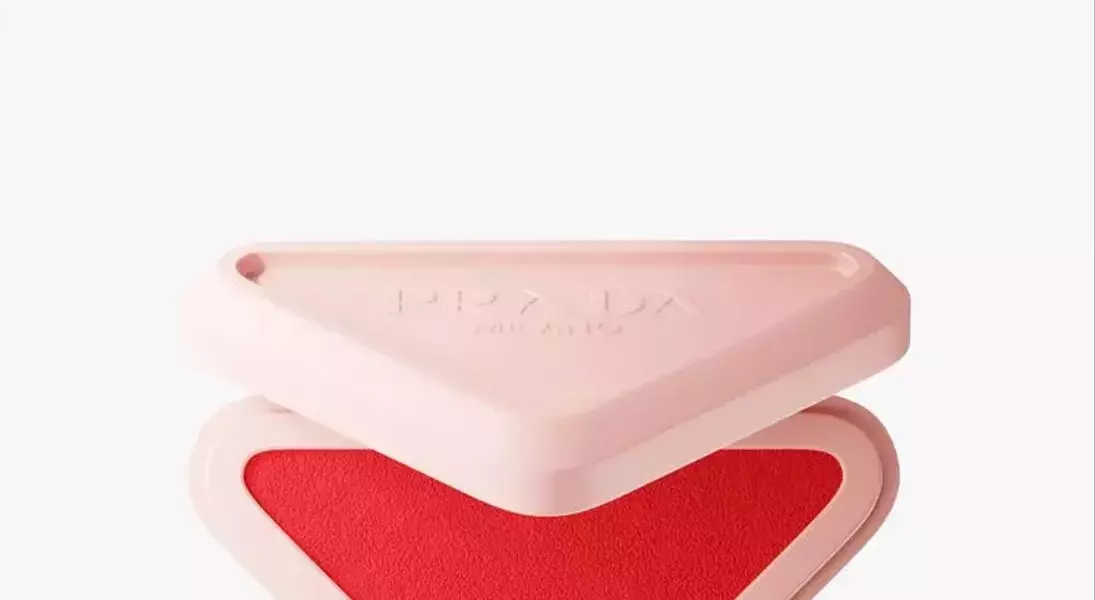
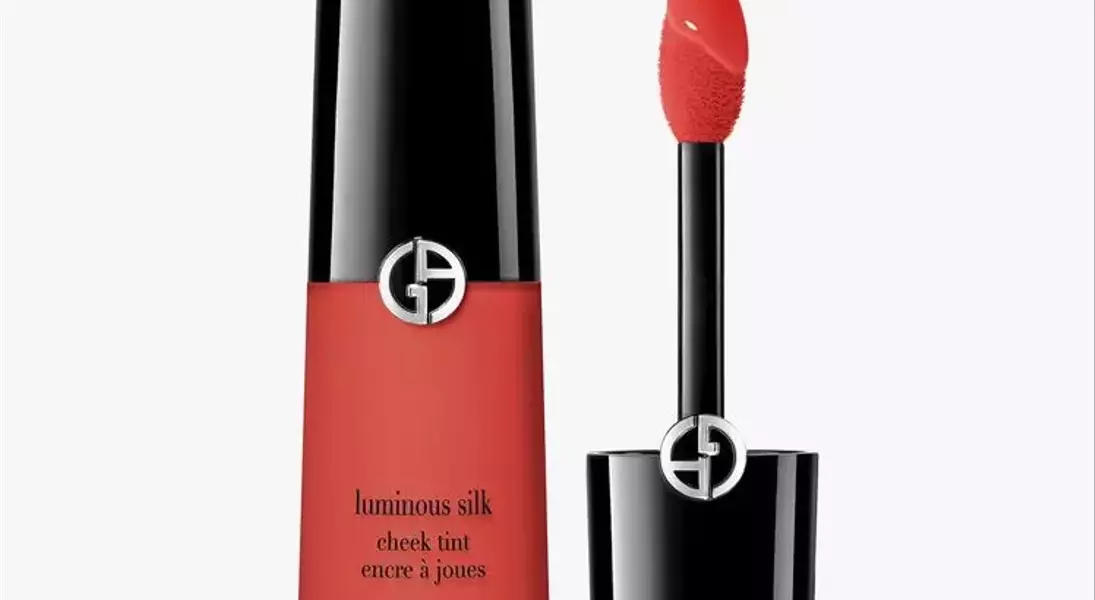



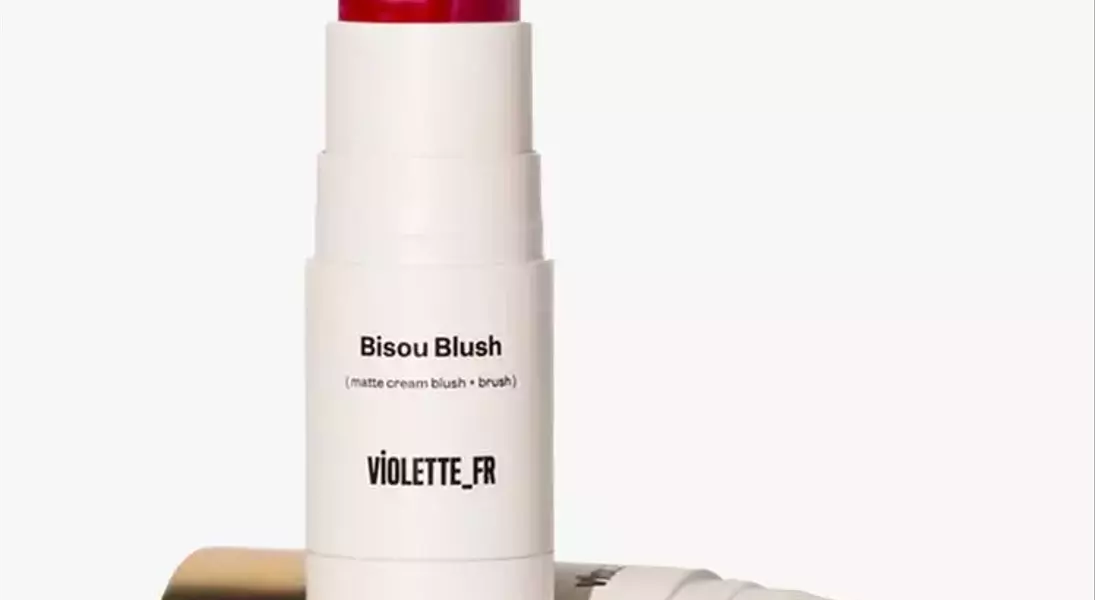
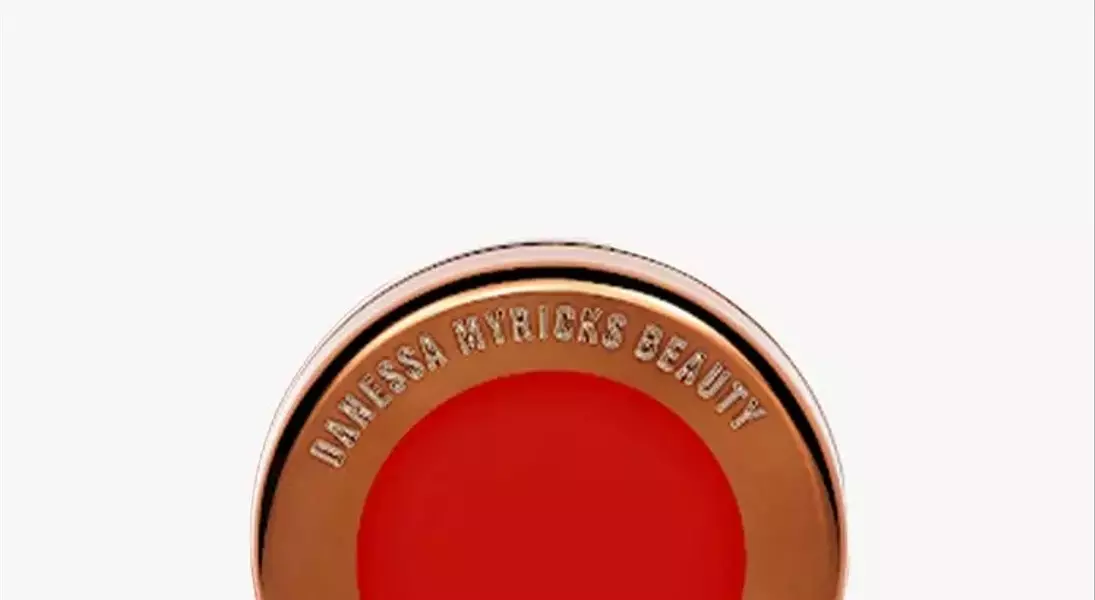
Red blush has transformed from a niche product to a celebrated beauty essential, revered for its unparalleled ability to imbue the complexion with a vibrant, natural glow. Initially approached with hesitation, many beauty enthusiasts, including myself, have discovered its universal appeal. This vibrant hue, far from being overly intense, effortlessly enhances facial features, creating an appearance of freshness and vitality. Experts in the field of makeup artistry emphasize that red blush is a universally flattering shade, much like classic red lipstick, suitable for all skin tones, age groups, and personal styles. Its renaissance is driven by both timeless aesthetic principles and contemporary trends, making it a staple for achieving a healthy, flushed-from-within look. The term "rouge" itself, rooted in the French word for red, underscores the deep historical connection between this color and the art of cosmetic enhancement.
The versatility of red blush extends beyond simply adding color; it also serves as an effective tool for sculpting and defining the face. Unlike traditional bronzers that can sometimes appear muddy, red tones can subtly enhance bone structure, providing a refined contour without harsh lines. This technique can evoke a timeless, aristocratic elegance reminiscent of classical portraiture, symbolizing health and vitality. The mood conveyed by red blush can vary dramatically depending on its texture and application technique. A soft, romantic flush is achieved when applied to the apples of the cheeks, while a more striking, avant-garde effect can be created by sweeping the color higher, beneath the eyes, aligning with modern, directional aesthetics often seen in cyberpunk or animé-inspired looks. This adaptability is further enriched by the complex interplay of pigments within each red shade, where blue-based reds can brighten the complexion and orange-reds can impart a warm, sun-kissed glow.
Embracing the Radiance of Red Blush
The journey to appreciating red blush often begins with a revelation—the realization that this vibrant shade, typically associated with intensity, can actually deliver a remarkably natural and enlivening effect. Many, myself included, have found that initial apprehension quickly gives way to admiration once the transformative power of a well-chosen red blush is experienced. Makeup artists unanimously champion red blush for its universal flattering capabilities, drawing parallels to the enduring appeal of red lipstick. It has the unique ability to awaken the complexion, making it appear more vibrant and healthy, even on days when skin may look dull. This newfound appreciation for red blush is rooted in its inherent versatility, proving that what might seem daring in the pan translates into a fresh, believable flush on the skin. The historical context of "rouge" further solidifies its place as a classic beauty tool, highlighting its long-standing connection to enhancing natural beauty.
The burgeoning popularity of red blush is not merely a fleeting trend but a resurgence fueled by a deeper understanding of color and application. Beauty professionals highlight its dual function: not only does it provide a healthy glow, but it also offers a sophisticated alternative to traditional contouring. Red blush can artfully sculpt the face, enhancing natural bone structure without the heaviness sometimes associated with bronze shades. This technique lends itself to recreating a classic, almost painterly effect, reminiscent of historical portraits where a rosy complexion signified health and nobility. The dynamic nature of red blush also allows for a spectrum of looks, from understated elegance to bold, fashion-forward statements, simply by adjusting the texture and placement. Its intricate pigment composition means that different red shades, whether cool-toned or warm-toned, can either harmonize with the skin's natural undertones or create a deliberate, artistic contrast, offering endless possibilities for personalized expression.
Mastering Application and Shade Selection
The secret to successfully integrating red blush into a makeup routine lies in understanding its nuances of wearability, which are primarily influenced by skin undertone and product opacity. Far from being intimidating, the vivid hue seen in the product packaging often softens beautifully upon application. For those with cooler undertones, a blue-based red blush is ideal, as it brightens the complexion and creates a crisp, clear finish. Conversely, individuals with warmer undertones will find that brick or tomato reds provide a sun-kissed warmth, mimicking a natural flush from the elements. The choice of undertone is crucial, allowing the wearer to either complement their skin's inherent temperature or craft a striking, sophisticated contrast. This thoughtful selection ensures that the blush enhances, rather than overwhelms, the natural beauty of the skin, leading to a polished and harmonious look.
Beyond undertone, the opacity of a red blush plays a significant role in its overall effect across different complexions. A straightforward principle guides this: lighter skin tones generally benefit from less opaque formulations, while deeper skin tones can embrace more opaque products to achieve optimal color payoff. To demystify the application process, makeup artists recommend a technique known as brush priming. This method involves dispensing a small amount of blush onto the back of the hand and then working it evenly into the brush bristles before transferring it to the face. This simple yet effective hack provides greater control over pigment placement, preventing excess product buildup and ensuring a seamless, natural application. The warmth from the hand helps to melt the formula, allowing for a smooth and blendable finish. By employing these expert techniques and considering individual skin characteristics, anyone can confidently wear red blush to achieve a radiant, flushed-cheek effect, exuding confidence and vitality without any hint of embarrassment or artificiality.
