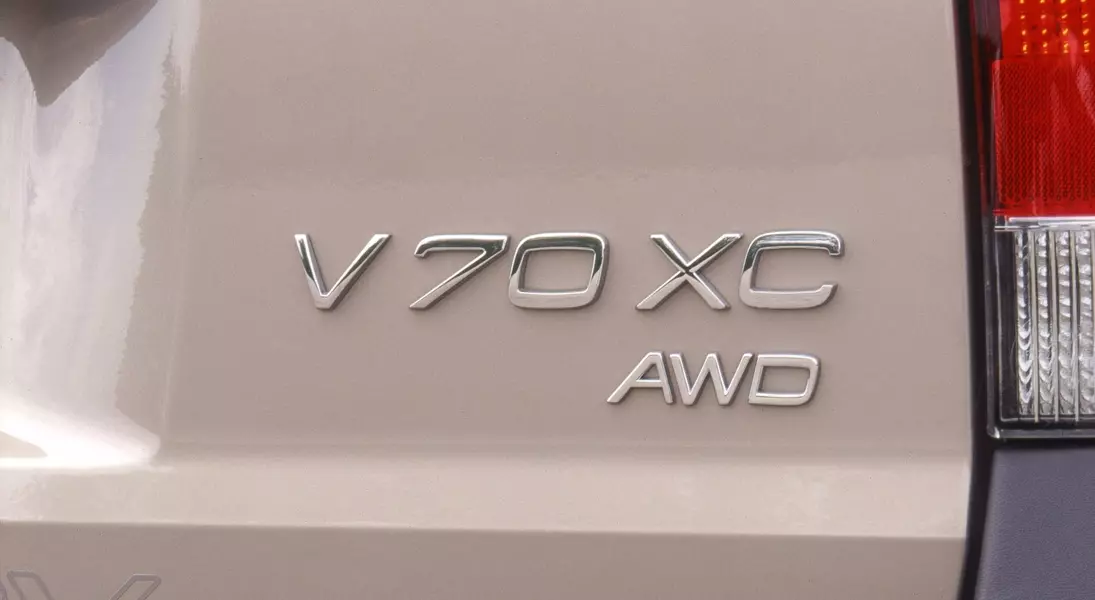
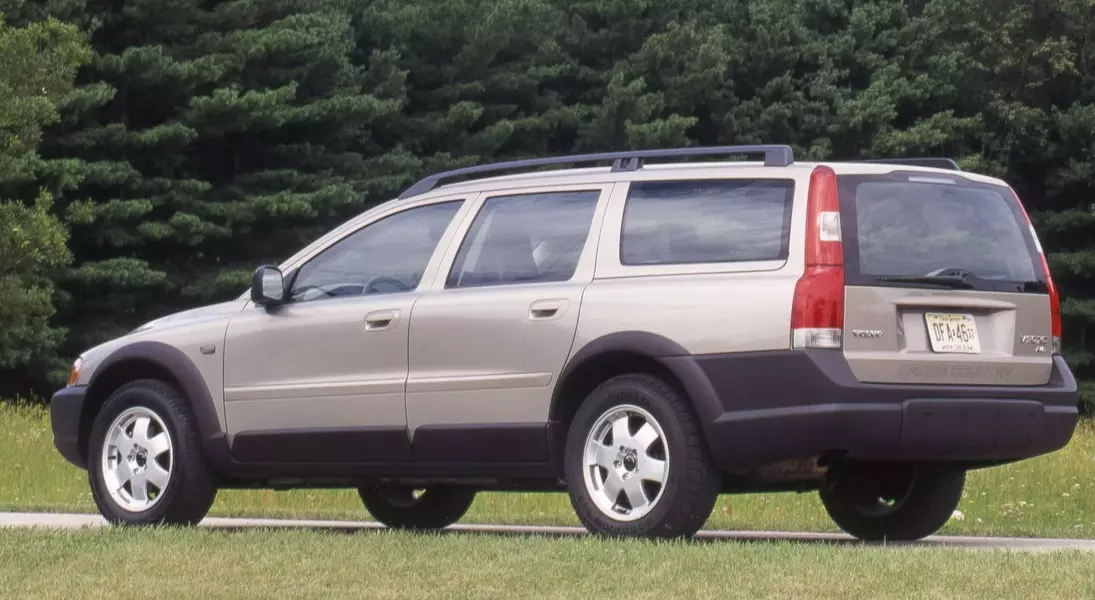
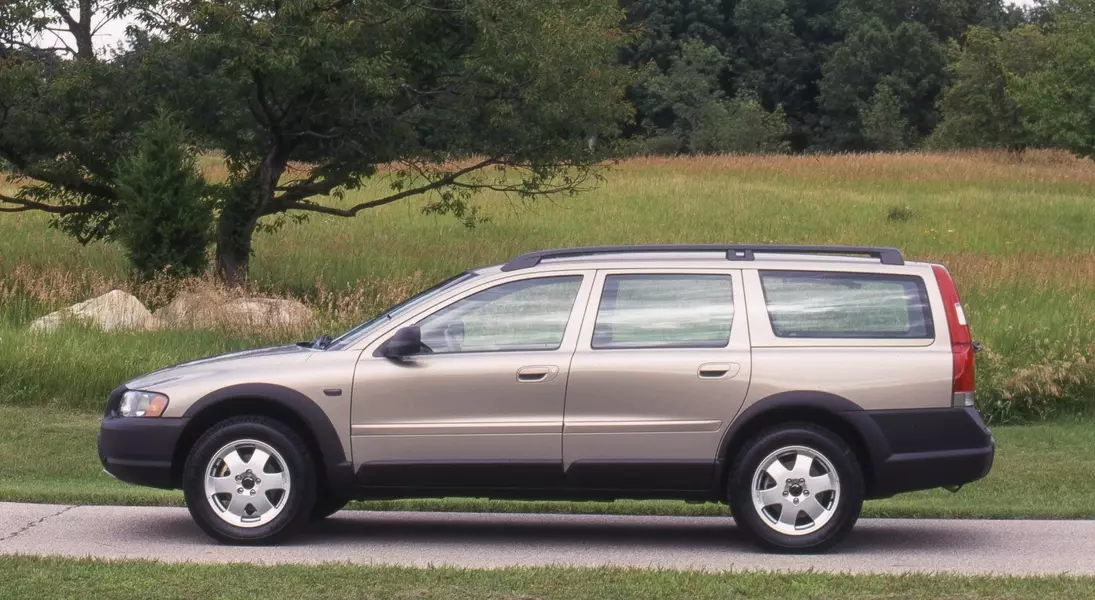
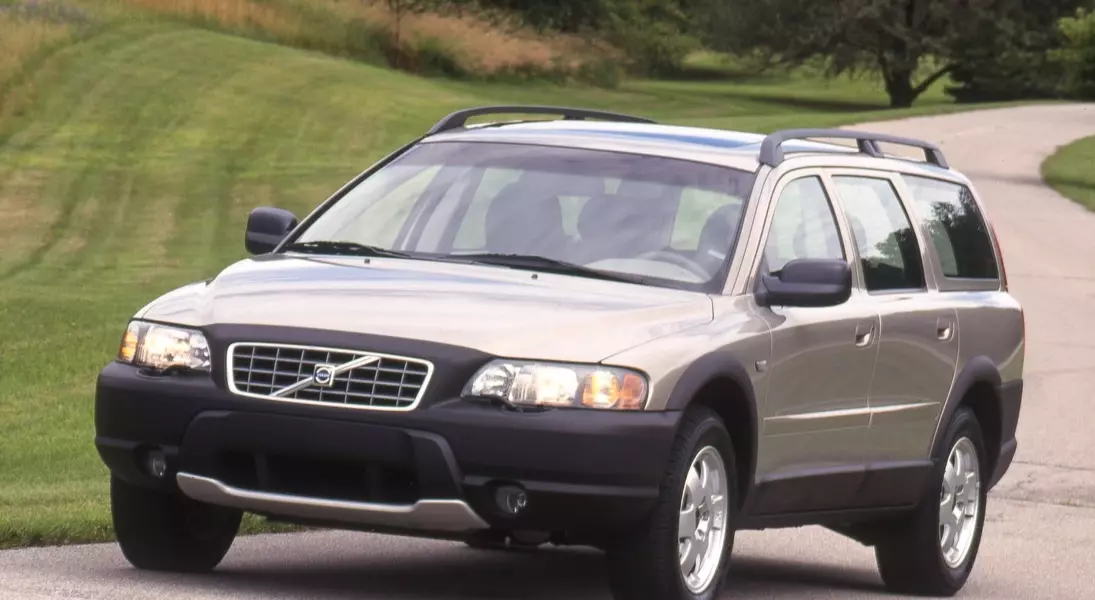
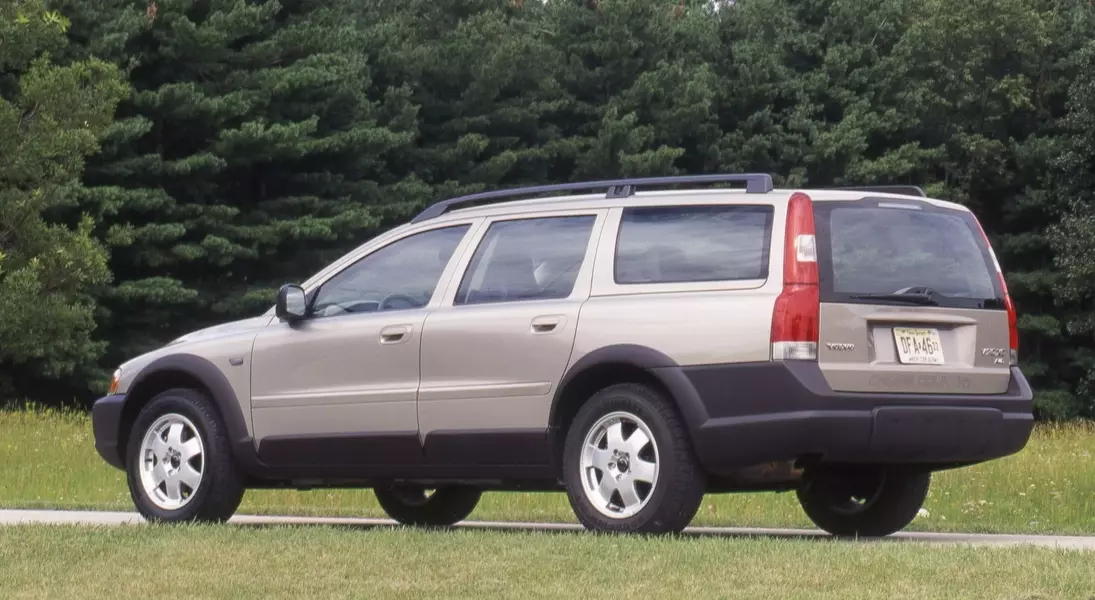

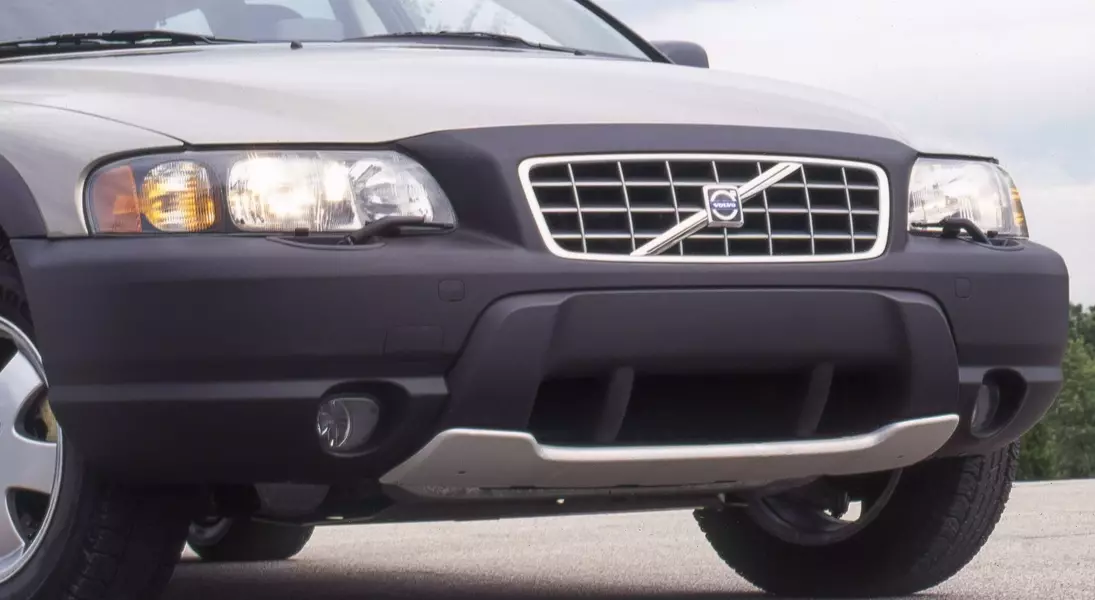

In the automotive landscape of 2001, Volvo introduced an iteration of its V70 model, the Cross Country, with notable exterior enhancements. This article revisits this particular vehicle, analyzing the strategic decision to integrate more robust cladding and whether this design choice successfully carved out a niche for the V70 Cross Country amidst the burgeoning popularity of sport utility vehicles. It prompts a reflection on Volvo's foresight in anticipating a market demand for vehicles that offered both the comfort of a station wagon and the adventurous spirit of an SUV.
A Deep Dive into the 2001 Volvo V70 Cross Country
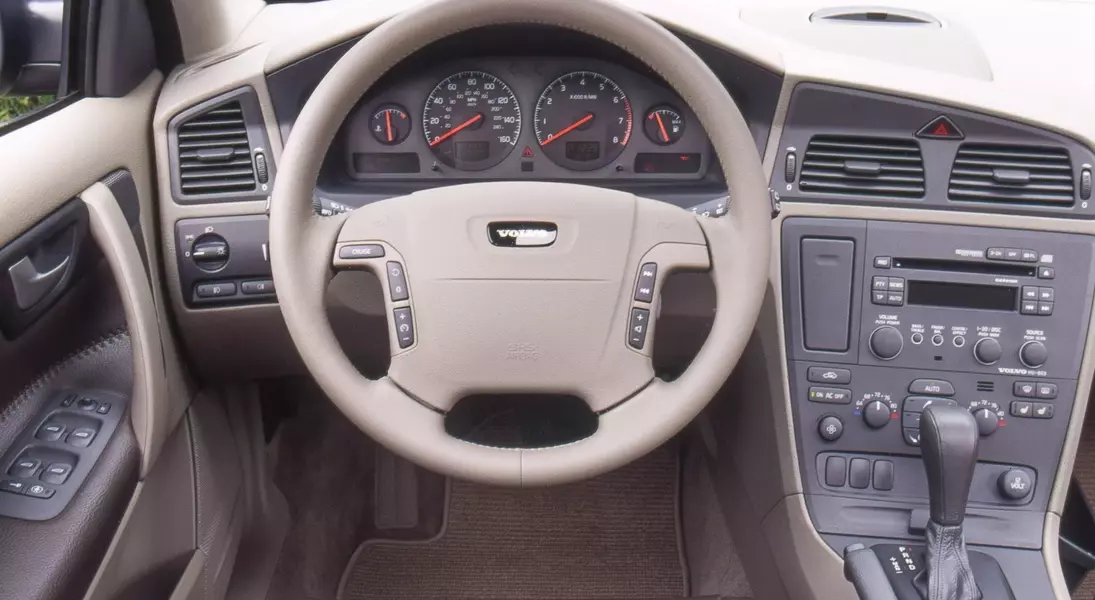
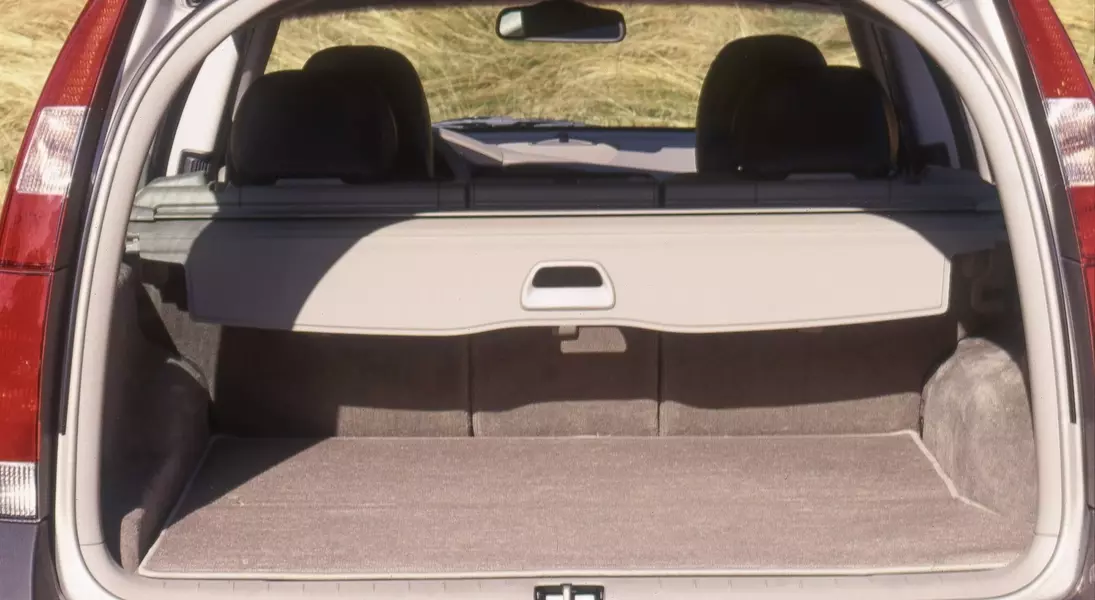
In the year 2001, automotive enthusiasts and potential buyers witnessed the unveiling of the Volvo V70 Cross Country, a distinctive offering from the Swedish automaker. This model, captured beautifully in a series of photographs by Jim Caiozzo for Car and Driver, presented an intriguing proposition: a station wagon fortified with additional body cladding, designed to evoke a more rugged, SUV-like aesthetic. The central question posed by its introduction was whether these cosmetic and minor functional adjustments would be enough for the V70 Cross Country to stand out in a market increasingly dominated by traditional SUVs. Volvo's intent was clear: to bridge the gap between practical family transport and adventurous off-road capability, leveraging the established reliability of the V70 platform. This strategic move aimed to attract consumers seeking versatility without fully committing to a conventional SUV.
The journey of the 2001 Volvo V70 Cross Country offers a compelling case study in automotive market adaptation. It highlights the continuous evolution of vehicle design and the efforts manufacturers make to meet changing consumer preferences. For me, this serves as a reminder that innovation often lies in reinterpreting existing concepts and bravely venturing into hybrid categories. The V70 Cross Country, with its unique blend of attributes, underscores the importance of distinctive design and strategic positioning in a highly competitive industry. It encourages us to consider how vehicles define and redefine utility and style over time.
