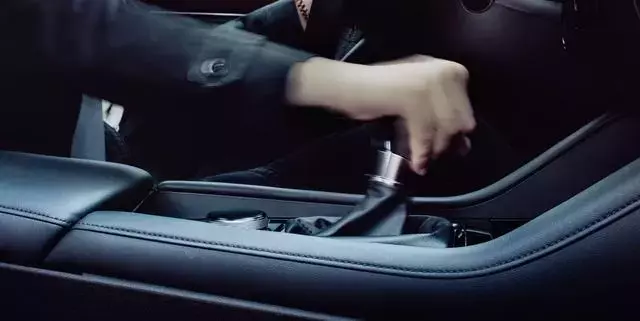
In an automotive landscape increasingly dominated by automatic transmissions, the tactile pleasure of a manual gearbox is becoming a rarity. Yet, for those who cherish the direct engagement of a stick shift, the American market still presents a surprising array of new vehicles. This report delves into a curated selection of these models, from high-performance sports coupes to everyday hatchbacks, all offering the unique joy of a manual transmission for the dedicated driving enthusiast.
The Continuing Legacy of the Manual Gearbox in Modern Automobiles
In the vibrant tapestry of today's automotive market, the manual transmission, a symbol of direct driver engagement, persists in various forms across the United States. Despite the industry's general shift towards automatic options, a dedicated cohort of car manufacturers continues to champion the stick shift, offering exhilarating driving experiences for enthusiasts.
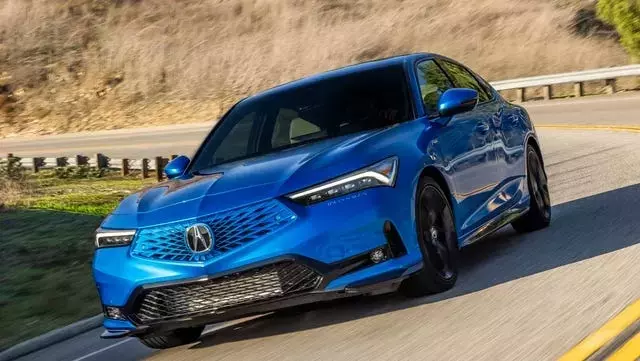
Among the notable entries is the **Acura Integra**, available in two manual variants. The standard model features a 200-horsepower turbocharged 1.5-liter four-cylinder engine, while the more potent Integra Type S exclusively offers a manual gearbox paired with a 320-horsepower turbo 2.0-liter four-cylinder, showcasing Acura's commitment to performance driving.
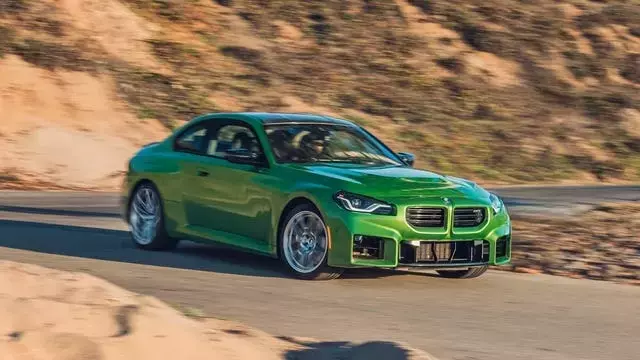
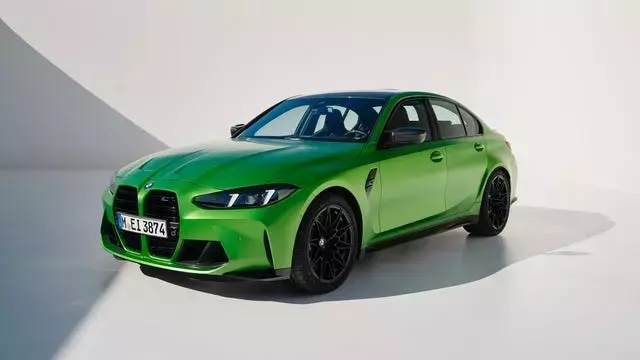
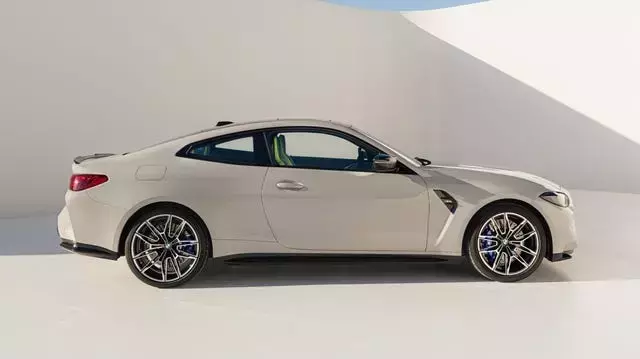
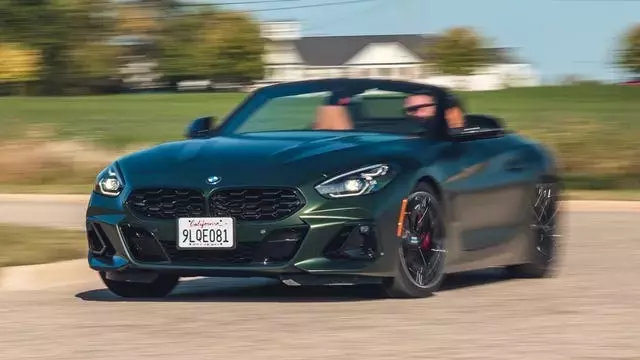
German engineering prowess shines through with **BMW**, a brand that steadfastly retains manual options in its performance lineup. The **BMW M2**, a compact sports coupe, allows drivers to engage with a manual transmission, though the range-topping 523-hp M2 CS is automatic-only. Similarly, the iconic **BMW M3** sedan and its coupe counterpart, the **BMW M4**, maintain their manual transmission heritage in their 473-horsepower guises, offering a six-speed manual for a purist driving feel. The **BMW Z4** also re-introduced a manual option for its 2024 M40i model, featuring a 382-horsepower six-cylinder engine, catering to convertible enthusiasts.
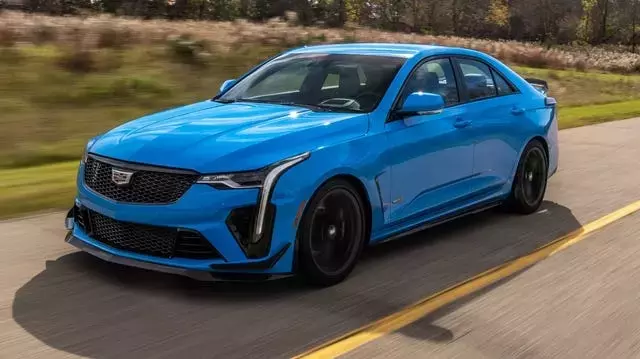
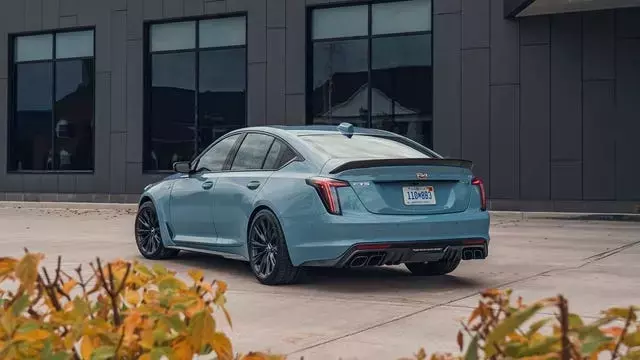
American muscle and luxury are represented by **Cadillac**. Both the **CT4-V Blackwing** and the larger **CT5-V Blackwing** sedans come with an available six-speed manual gearbox. The CT4-V Blackwing boasts a 472-horsepower engine and a starting price just over $65,000, while its sibling, the CT5-V Blackwing, pairs a monstrous 668-horsepower supercharged V-8 with the manual, both models being celebrated for their performance and value.
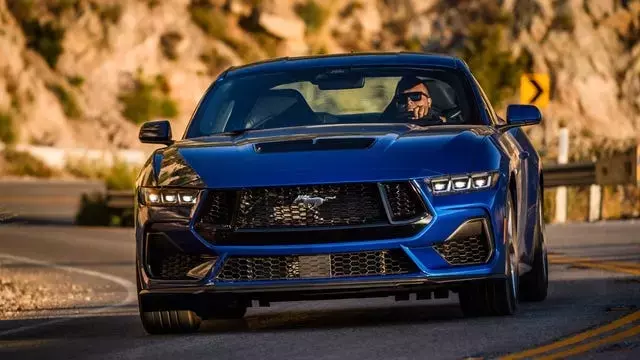
**Ford's Mustang**, a quintessential American sports car, continues its legacy with a manual transmission, exclusively offered with its powerful V-8 engine. This allows enthusiasts to enjoy the raw power of the Mustang, whether in coupe or convertible form, with full manual control.
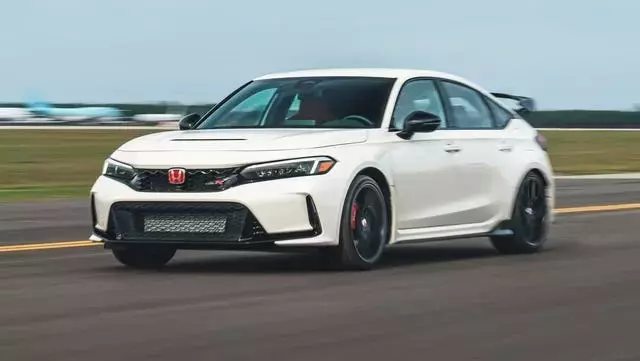
For those seeking agile performance in a more compact package, **Honda** provides manual options in its acclaimed **Civic** lineup. The sporty Civic Si sedan features a 200-horsepower turbocharged engine, while the high-performance Civic Type R hatchback also offers a stick shift, both earning critical acclaim and awards for their engaging dynamics.
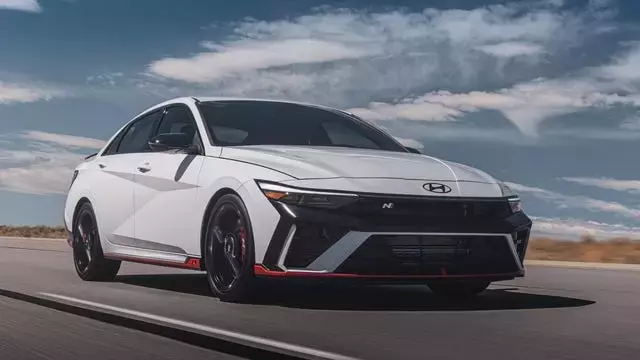
**Hyundai** enters the fray with the **Elantra N**, a feisty four-door sedan priced at $36,345. It comes standard with a manual transmission, coupled with a 276-horsepower turbocharged four-cylinder engine, delivering a spirited and exciting ride.
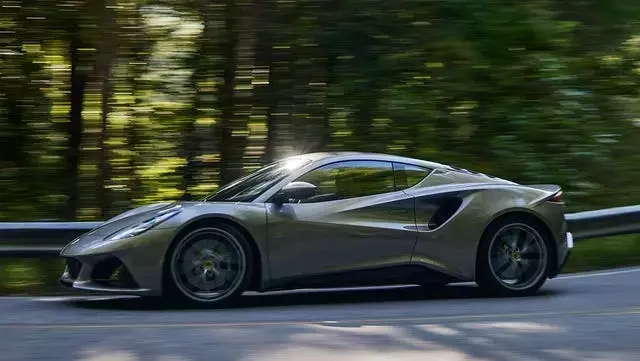
The exotic **Lotus Emira**, a mid-engine sports car, presents a manual option in its V-6 variant, which is powered by a 400-horsepower supercharged engine. This choice caters to drivers who desire a more involved experience with their high-performance machine.
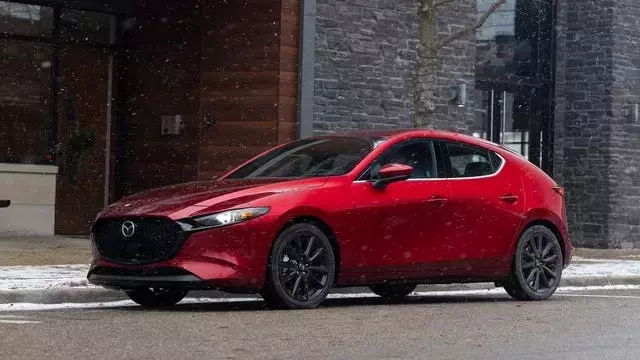
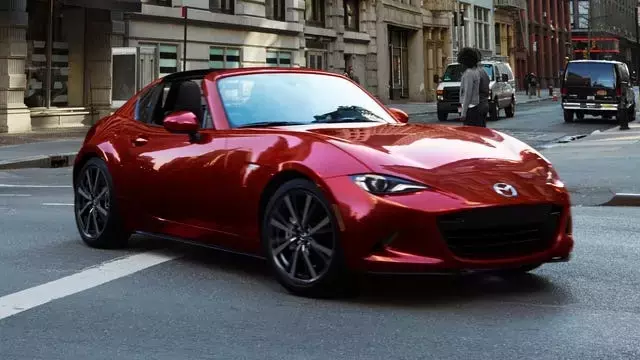
**Mazda**, known for its driver-centric philosophy, offers manual transmissions in two beloved models. The **Mazda 3 hatchback** (Premium trim) is available with a six-speed manual paired with a 186-horsepower 2.5-liter four-cylinder engine and front-wheel drive. The iconic **Mazda MX-5 Miata**, a lightweight rear-wheel-drive sports car, consistently offers a manual gearbox across both its soft-top and RF (retractable fastback) versions, upholding its tradition of pure driving pleasure.
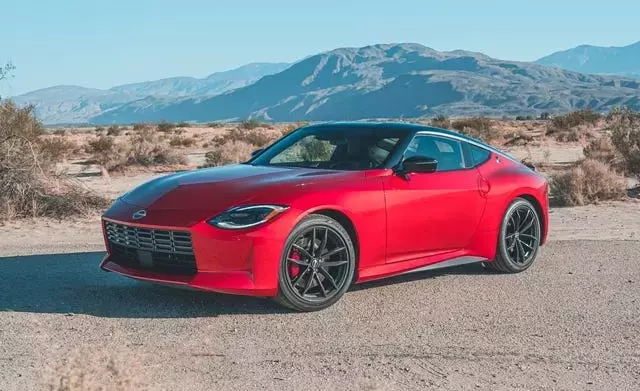
**Nissan's Z**, a retro-styled sports car, features a six-speed manual in most trims, excluding the top-tier NISMO (though this is set to change in 2027). All manual Z models come with a 400-horsepower twin-turbocharged 3.0-liter V-6, with the NISMO version bumping up to 420 horsepower.
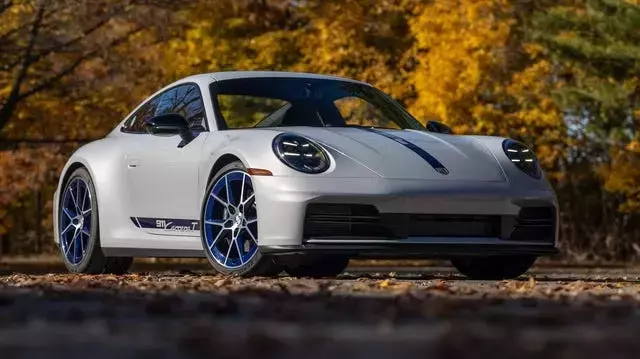
**Porsche**, a beacon of sports car engineering, continues to offer a manual gearbox in its revered **911**. While limited to specific trims like the 388-horsepower 911 Carrera T and the 502-horsepower 911 GT3, this option is available for both coupe and convertible enthusiasts, ensuring the traditional Porsche driving experience lives on.
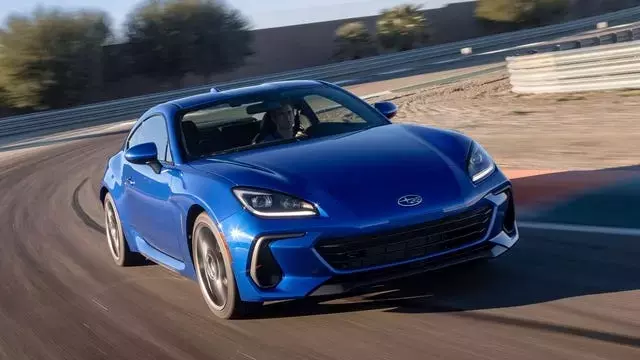
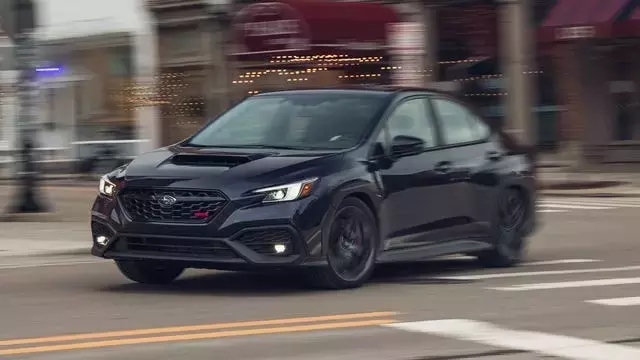
Finally, **Subaru** provides manual choices in its performance-oriented models. The **BRZ**, a rear-drive sports coupe, continues its tradition with a six-speed manual, matched with a 228-horsepower 2.4-liter flat-four. The **WRX** sedan, known for its rally heritage, also offers a six-speed manual across most trims (excluding the GT), delivering 271 horsepower from its turbocharged 2.4-liter flat-four, making it a compelling value in the sports sedan segment.
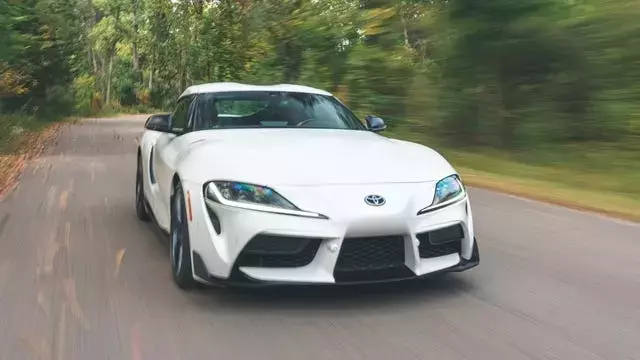
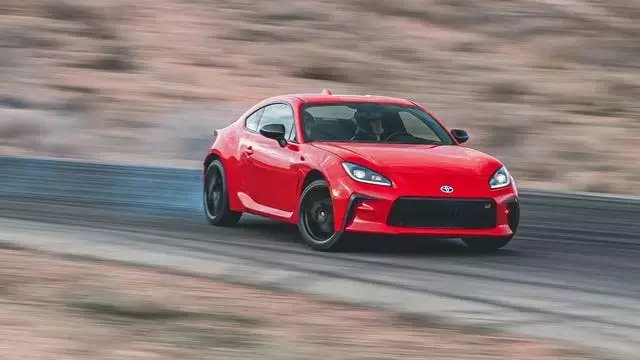
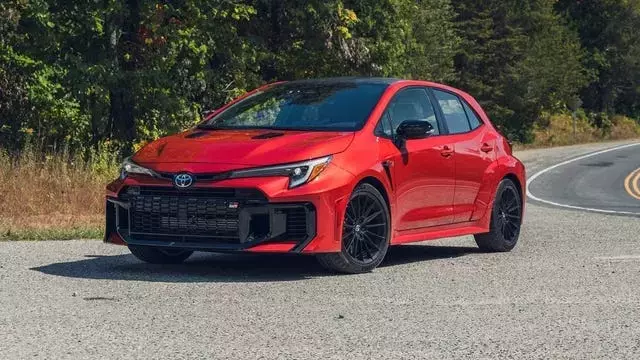
Additionally, the **Toyota GR86**, a mechanical twin to the Subaru BRZ, comes standard with a six-speed stick. The **Toyota GR Corolla**, a high-performance hot hatch, also retains a three-pedal option, delivering 300 horsepower. Even the powerful **Toyota GR Supra**, in its inline-six turbocharged 382-horsepower variant, offers an available six-speed manual transmission, providing a final hurrah before its eventual retirement.
These vehicles represent a valiant effort by automakers to preserve the engaging art of manual driving amidst an evolving industry. For those who seek the thrill and control of a stick shift, these options provide a rich and satisfying connection to the road, ensuring the manual gearbox continues to be a cherished choice for discerning drivers.
The continued availability of manual transmission vehicles serves as a powerful reminder of the diversity and passion within the automotive world. In an era where technological advancements often prioritize convenience and automation, these cars stand as a testament to the enduring appeal of driver involvement. They inspire us to consider what truly defines the joy of driving and underscore the importance of choice for consumers. For enthusiasts, this persistence offers hope that the visceral connection between driver and machine, facilitated by the manual gearbox, will not be entirely lost to history, but rather, continue to evolve and adapt within niche markets.
