

The recent adaptation of "Wuthering Heights" has unexpectedly ignited a significant beauty trend, centered around the captivating blush worn by Margot Robbie's portrayal of Catherine Earnshaw. This distinctive berry-hued cheek color, created using Chanel's N°1 de Chanel lip and cheek balm, has garnered widespread attention and admiration, transitioning from the cinematic screen to a viral sensation within the beauty community. This phenomenon highlights how classic literature and its modern interpretations can influence contemporary aesthetics, sparking a desire for a romantic, natural flush that resonates deeply with audiences and makeup enthusiasts alike. The detailed application and choice of products reveal a thoughtful approach to character styling that inadvertently launched a popular makeup look.
This renewed interest in period-appropriate, natural-looking blush is part of a larger romantic beauty revival, paralleling the current popularity of historical dramas in film and television. Unlike modern contouring trends, the "Wuthering Heights" blush emphasizes a soft, diffused color applied to the apples of the cheeks, evoking a fresh, windswept appearance. This technique not only pays homage to the Georgian era's beauty ideals but also offers a refreshing alternative to more sculpted makeup styles, proving that timeless elegance can always find its way back into contemporary fashion and beauty narratives. The trend underscores a collective appreciation for historical accuracy and understated charm in makeup artistry.
The Cinematic Origin of a Beauty Sensation
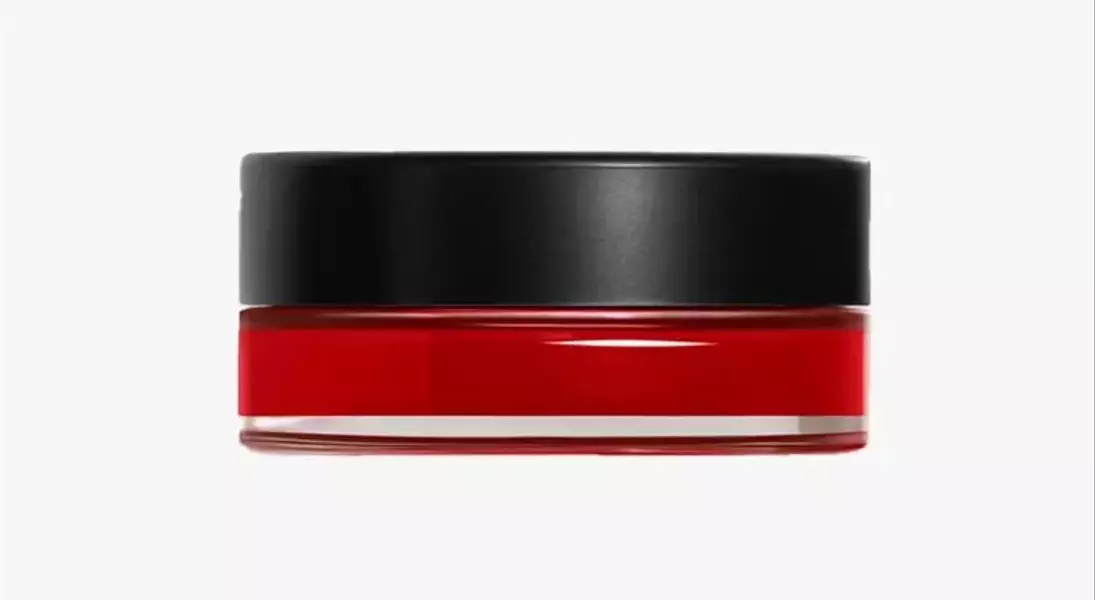
The recent film adaptation of Emily Brontë's classic novel, "Wuthering Heights," has notably become a catalyst for an unexpected and viral beauty trend. The striking visual aesthetic of the film, particularly the distinctive blush adorning Margot Robbie's character, Catherine Earnshaw, captivated audiences and beauty enthusiasts alike. This unique berry-stained cheek look, expertly crafted by BAFTA-nominated hair and makeup designer Sîan Miller, quickly transitioned from a cinematic detail to a coveted makeup technique. The choice of Chanel's N°1 de Chanel lip and cheek balm in the shade Berry Boost for Earnshaw's rustic appearances at Wuthering Heights, contrasted with lighter tones for her time at Thrushcross Grange, demonstrates a meticulous attention to detail that served to enhance her character's visual narrative and emotional depth on screen.
The initial impact of this specific blush was immediately evident to viewers, including the author, who noted its rich saturation and romantic quality during a film screening. This observation was soon echoed by others, culminating in designer Kim Shui's urgent inquiry about the "Wuthering Heights" blush, confirming its burgeoning popularity. The subsequent revelation that the key product was a Chanel lip and cheek balm further fueled its desirability. The deliberate use of different blush shades to reflect Catherine's changing environments and social standing within the narrative underscores the thoughtful artistry behind the film's makeup design. This blend of literary interpretation and sophisticated beauty product placement successfully transformed a subtle character detail into a significant, widely discussed beauty phenomenon, proving the lasting power of visual storytelling in influencing trends.
Romantic Revival: Blushing Cheeks in Modern Beauty
The "Wuthering Heights" blush trend is not an isolated incident but rather a prominent feature within a broader resurgence of romantic beauty aesthetics. This revival is intrinsically linked to Hollywood's renewed fascination with period dramas, such as "Bridgerton" and upcoming adaptations like "Jane Eyre." These productions frequently showcase female protagonists with makeup looks characterized by soft, flushed cheeks and subtly stained lips, reminiscent of the Georgian era's beauty standards. This aesthetic stands in stark contrast to more contemporary, highly sculpted makeup trends, offering a return to a more natural and ethereal appearance. Celebrity makeup artist Pati Dubroff further popularized the "Brontë blush" by sharing tutorials, emphasizing the technique of blending color on the apples of the cheeks and slightly lower to achieve a naturally flushed, windswept effect, aligning with the current "boyfriend blush" trend.
What distinguishes products like Chanel's N°1 de Chanel balm in achieving this sought-after look is their unique formulation, particularly their balmy texture and highly pigmented color payoff. As noted by Chanel makeup artist Tasha Reiko Brown, these qualities facilitate a "highly blendable, dewy cream" finish, ideal for creating a "watercolor effect" on the skin. The versatility of such multipurpose products, easily applicable to both cheeks and lips, coupled with their antioxidant-rich, naturally derived ingredients, makes them particularly appealing. This emphasis on natural ingredients and a fresh finish not only caters to the desire for a romantic, historical aesthetic but also aligns with contemporary preferences for clean beauty and effortless elegance. The collective movement towards this soft, romantic style indicates a shift in beauty ideals, favoring a gentle radiance over sharp definition, thus firmly embedding the "Wuthering Heights" blush into the modern beauty lexicon.
