In an era dominated by fleeting trends and pristine, instantly recognizable brand-new fashion, there's a growing fascination with garments that bear the marks of time and experience. This article delves into the intriguing phenomenon where worn-out, even tattered, clothing is not just accepted but actively sought after and celebrated within high fashion circles. It examines how these 'lived-in' pieces offer a compelling counter-narrative to the polished perfection often seen on social media, embodying a sense of authenticity and personal history that new items simply cannot replicate. From a journalist's threadbare college tee to designer interpretations of deconstruction, the appeal lies in the stories these clothes tell and the unique character they exude.
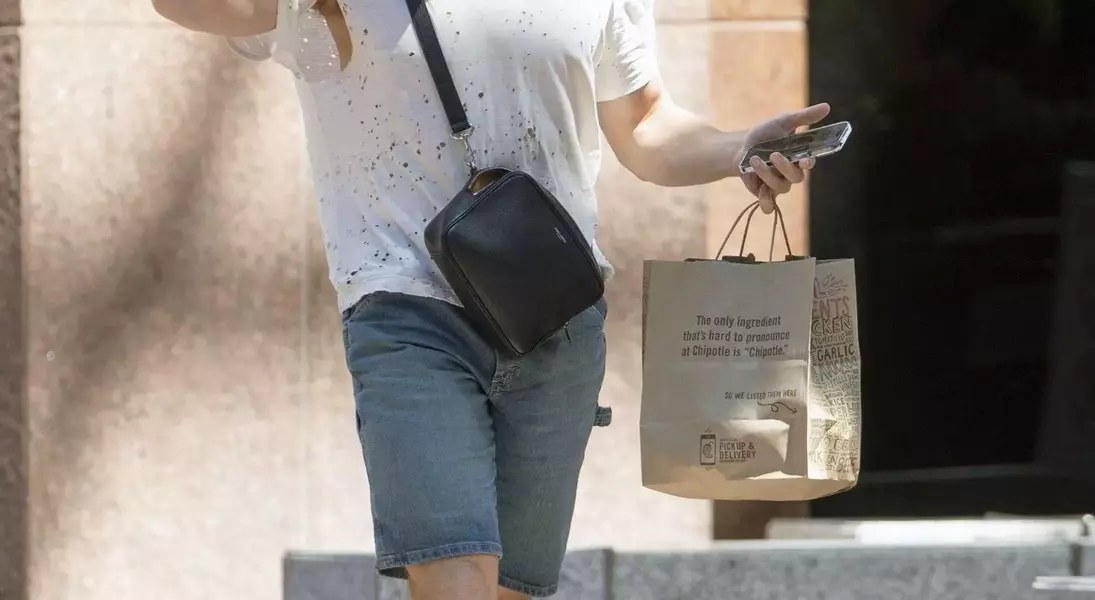
The genesis of this trend is often anecdotal, rooted in personal observations. The author recalls an instance at a luxurious beachside dinner where a middle-aged journalist's moth-eaten, paint-splattered Columbia University T-shirt became an object of envy, standing out amidst an array of pristine designer wear. This seemingly humble garment, a thrift store find, possessed an allure that transcended its material value, hinting at a life lived and stories untold. This sentiment is echoed by fashion insiders like Isabella Burley, former Dazed editor-in-chief and Acne Studios CMO, who cherishes her vintage Minnesota Athletics tee despite its gaping seams and sagging neckline. She describes how such items, initially perfectly distressed, evolve with wear, gaining a unique charm and a sense of 'about-to-disintegrate' appeal.
This appreciation for distressed apparel isn't a new concept in the fashion world; rather, it’s a cyclical re-emergence of an enduring aesthetic. Designers throughout history have explored the beauty in decay and imperfection. Vivienne Westwood famously distressed T-shirts during the punk movement of the 1970s, while Rei Kawakubo’s 'Comme des Garçons lace' in the 1980s redefined holes as a statement of luxury. The grunge era of the '90s saw Martin Margiela popularize 'la mode destroy,' emphasizing deconstruction. Hussein Chalayan took this concept to an extreme by burying garments to induce natural decay, and Robert Cary-Williams created bullet-riddled tees, drawing inspiration from William S. Burroughs. These pioneering efforts underscore a continuous artistic exploration of clothing's life cycle beyond its initial pristine state.
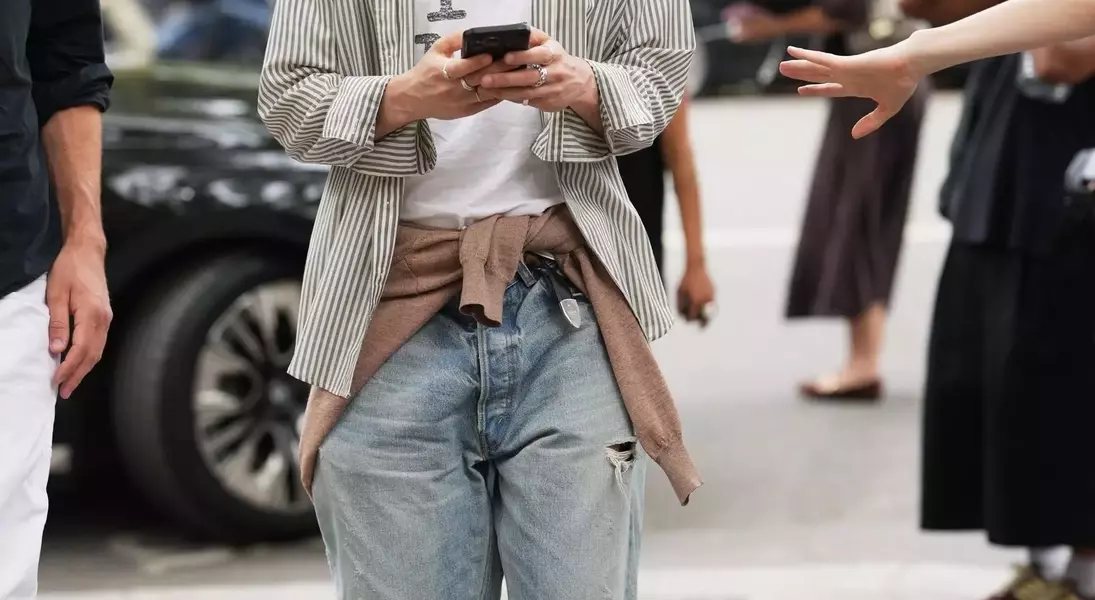
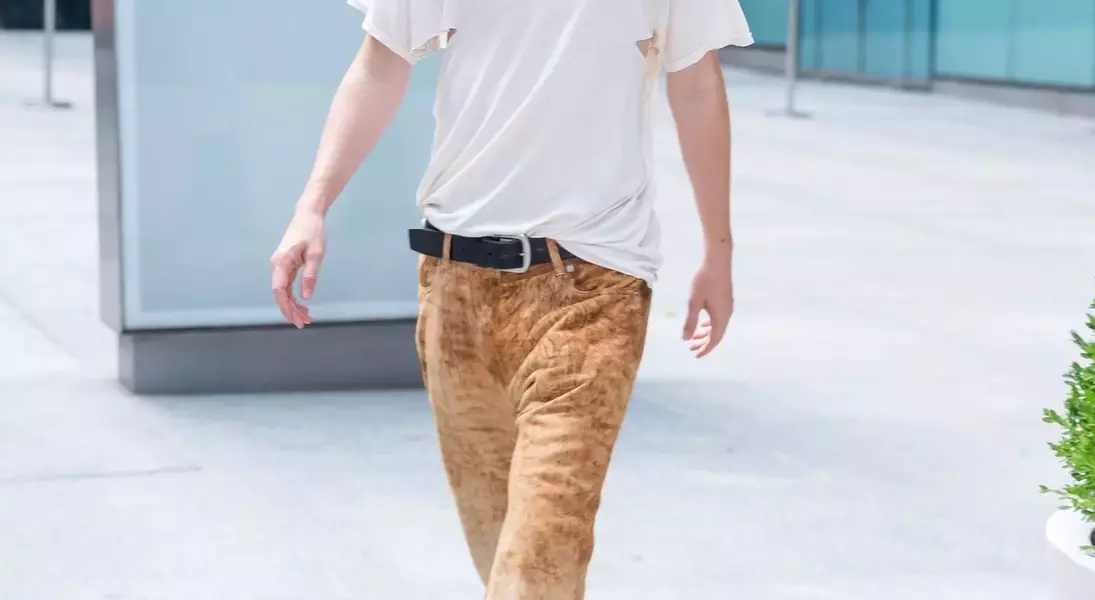
However, the journey of distressed fashion hasn't always been smooth. John Galliano's controversial 'Hobo' collection in 2000, which drew inspiration from the worn clothes of unhoused individuals, faced significant criticism for aestheticizing deprivation. This highlights the delicate balance between artistic expression and social sensitivity. Despite such controversies, distressed clothing, in various forms like ripped jeans and faux-battered sneakers, has firmly embedded itself in the modern wardrobe. Yet, a crucial distinction lies between pre-manufactured distress and genuinely worn items. The true allure, as the author points out when describing a Jean Paul Gaultier marinière with 'cat-scratches,' comes from authenticity – the marks earned through genuine wear, labor, or deep affection for a garment, rather than those artificially created to mimic age. This quest for genuine character resonates with a cultural longing for something beyond the superficial, a desire for clothes that tell a personal narrative.
The current resurgence of tattered T-shirts and similar worn-out items can be attributed to a broader cultural shift. Fashion and style editor Mahoro Seward links it to the increasing influence of rave and rock aesthetics in mainstream culture, where 'battered basics' have long been staples in queer club scenes and 'f***ed-up band tees' are iconic in rock and metal. This 'aestheticized dishevelment' speaks to a contemporary desire for hedonistic abandon and a rejection of overly polished appearances. Beyond its counter-cultural roots, there’s also a more primal appeal: the unexpected glimpse of skin through a worn-out fabric can be inherently sensual, hinting at intimacy and vulnerability without overt display. This subtle suggestion of impropriety, as observed in figures like Connor Storrie who effortlessly sports his beloved tattered tees, adds another layer to their desirability. Storrie's philosophy of wearing his few favorite outfits 'into the ground' encapsulates the profound connection individuals form with garments that become extensions of their identity, embodying personal history and comfort.
Ultimately, the fascination with well-worn clothes transcends mere trendiness; it represents a deeper cultural yearning for authenticity and a rebellion against consumerism's relentless churn. These garments, imbued with personal stories and visible signs of life, offer a refreshing alternative to mass-produced uniformity. They symbolize a rejection of the superficial in favor of the meaningful, creating a unique style that is both deeply personal and effortlessly cool.
