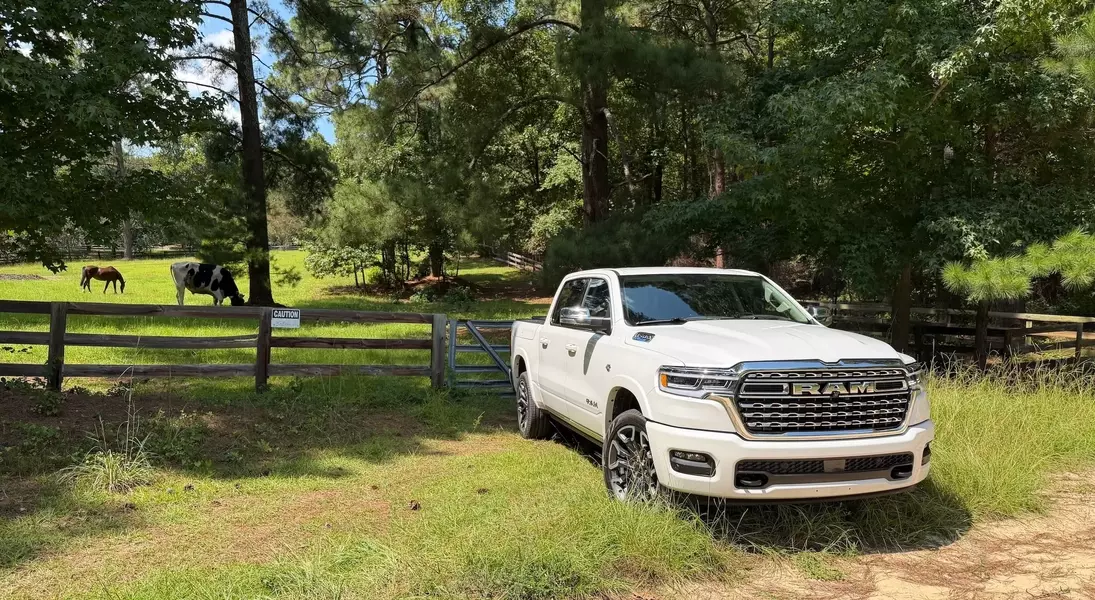
The popularity of trucks with a distinct Western flair, such as the Ram 1500 Limited Longhorn, has spread far beyond their traditional roots in the American Southwest. This phenomenon is reminiscent of the 1991 film 'City Slickers,' where urban dwellers embraced a cowboy lifestyle. Today, major manufacturers like Ford, Chevy, Toyota, and Ram offer specialized trims that evoke ranch culture. Given that a significant portion of pickup sales occur in Texas, it’s logical to cater to this aesthetic. However, the widespread appeal across different regions, like the author's home state of Maine, prompts a deeper look into why these vehicles resonate with so many buyers. The author embarks on a journey with a Ram Longhorn to understand this unique blend of ruggedness and luxury.
Ram introduced its luxury Western-themed pickup, the Longhorn, in 2011, initially underestimating the demand for handcrafted, individualistic aesthetics in a mass-produced vehicle. The challenge for Ram was to reconcile artisanal concepts like “vintage” and “hand-built” with the realities of assembly line production and consistent quality. To achieve this, the lead designer, Jon Gaudreau, revealed insights into their innovative manufacturing processes. The inspiration draws heavily from Texas and Southwest culture, incorporating leatherwork and metal elements that echo saddles, boots, and antique pocket watches, going beyond simple badges and earth tones to create an immersive, prosperous ranch atmosphere within the truck's interior.
Crafting Authentic Western Luxury
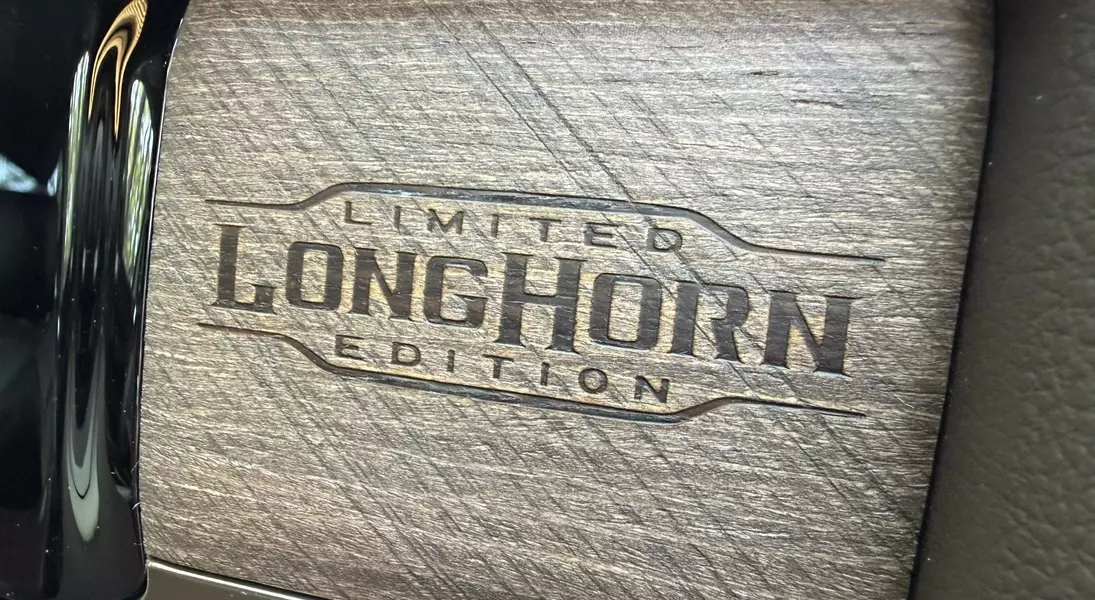
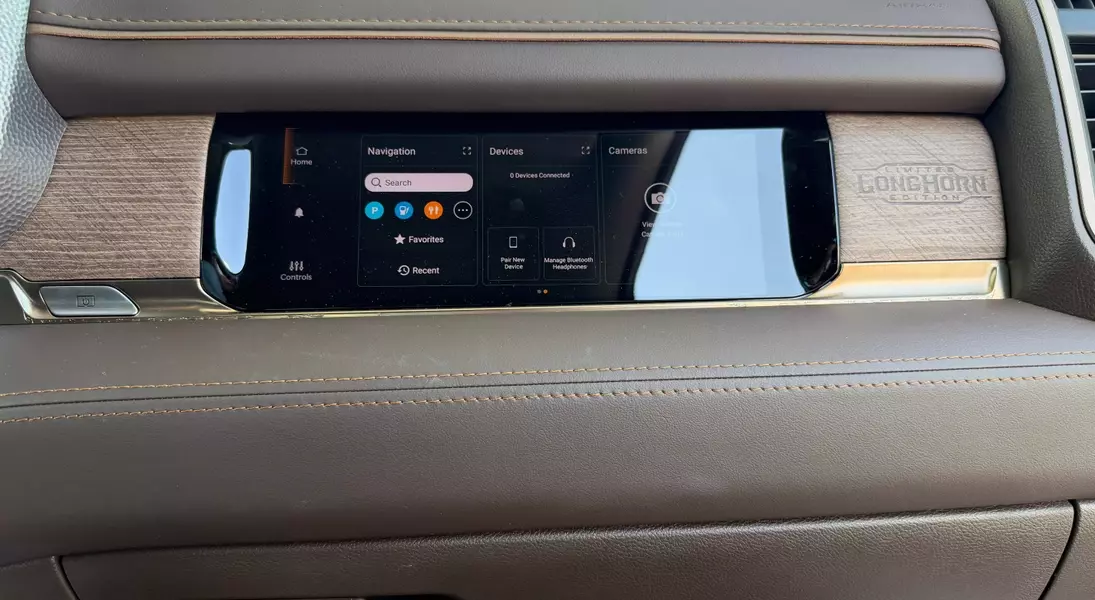
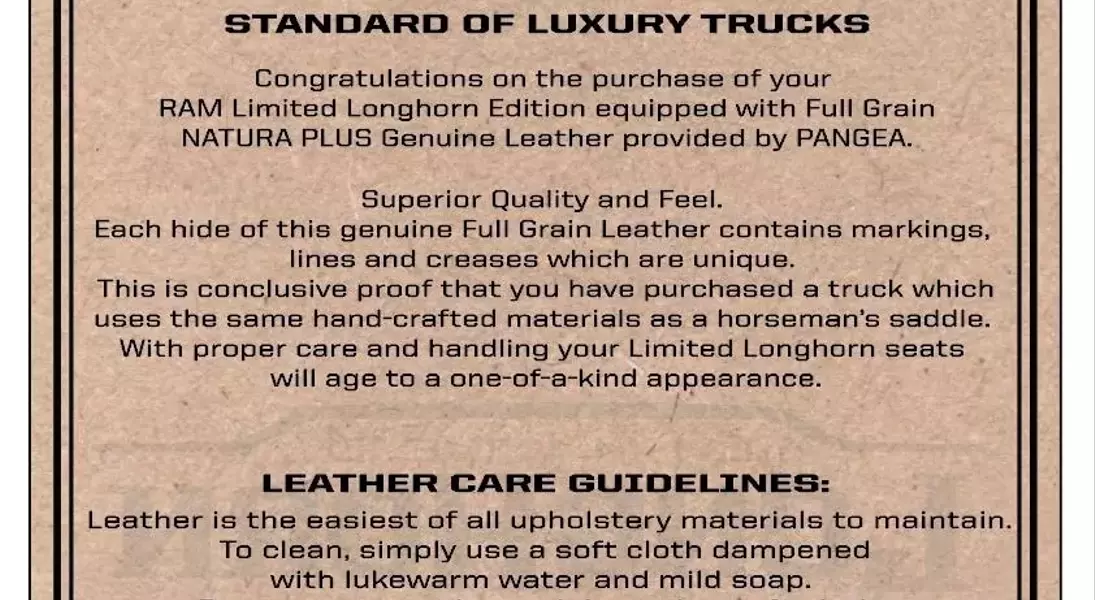
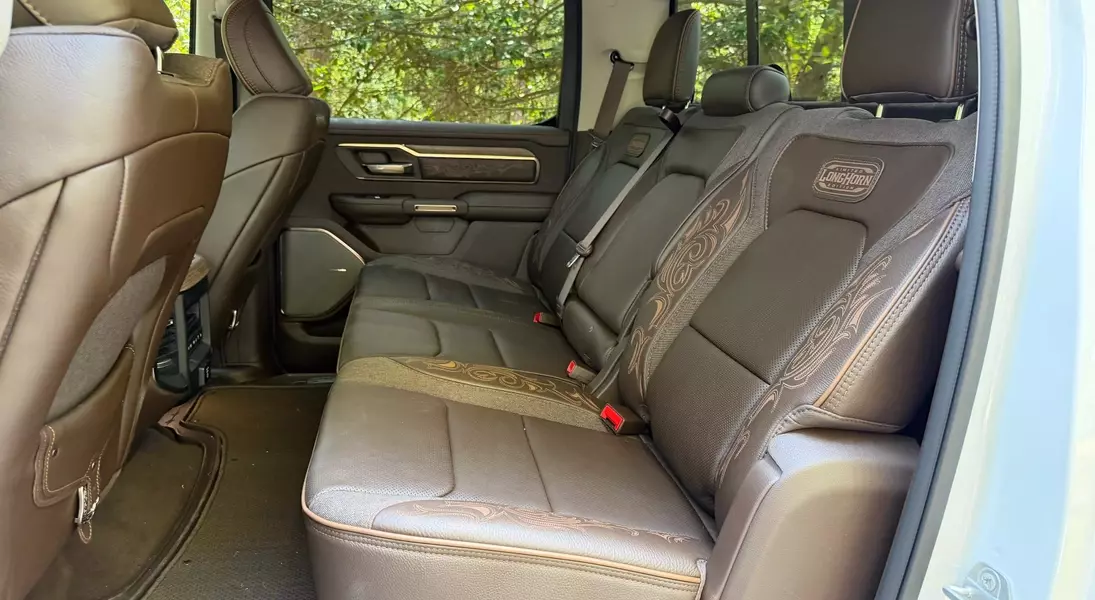
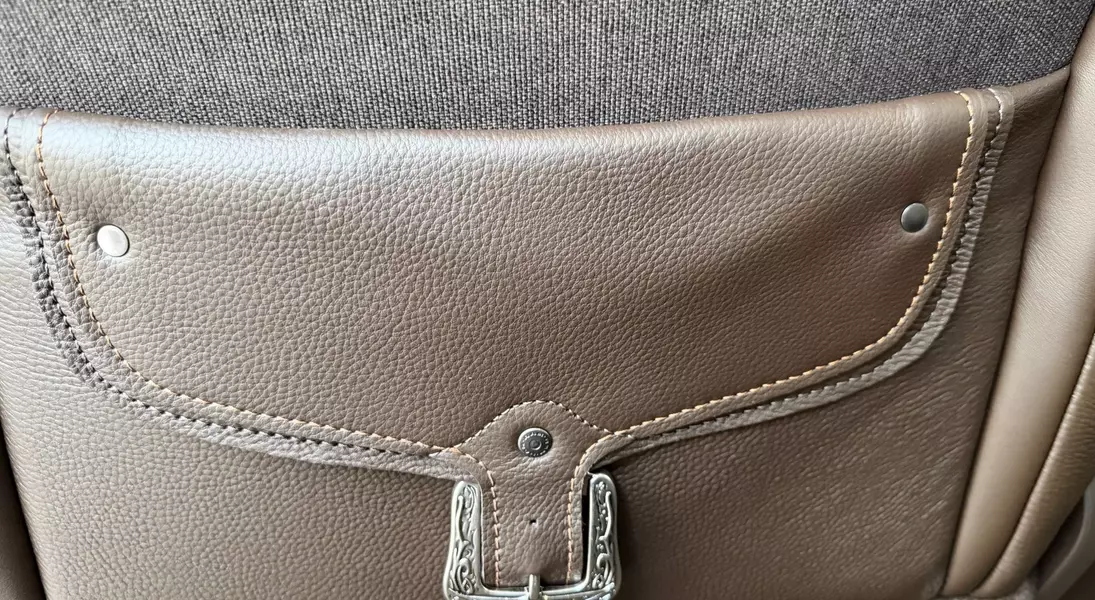
Ram's approach to the Longhorn's interior design masterfully blends mass production with an authentic handcrafted feel. Initially, using actual barbed-wire-scarred fence posts for wood trim proved unsustainable for large-scale production. Instead, Ram developed a technique of sawing new oak at a 45-degree angle, creating distinct saw marks that vary from truck to truck, mimicking the look of salvaged wood. Similarly, the Longhorn logo branded onto the dash wood reacts uniquely to heat on each piece, ensuring that no two trucks have identical branding. This deliberate incorporation of “perfect imperfection” extends to the leather upholstery, which is full aniline — the highest grade — featuring natural variations. Ram even provides hang tags to educate customers, explaining that these unique markings are proof of premium, saddle-quality leather designed to age gracefully, reflecting a timeless, non-trendy aesthetic.
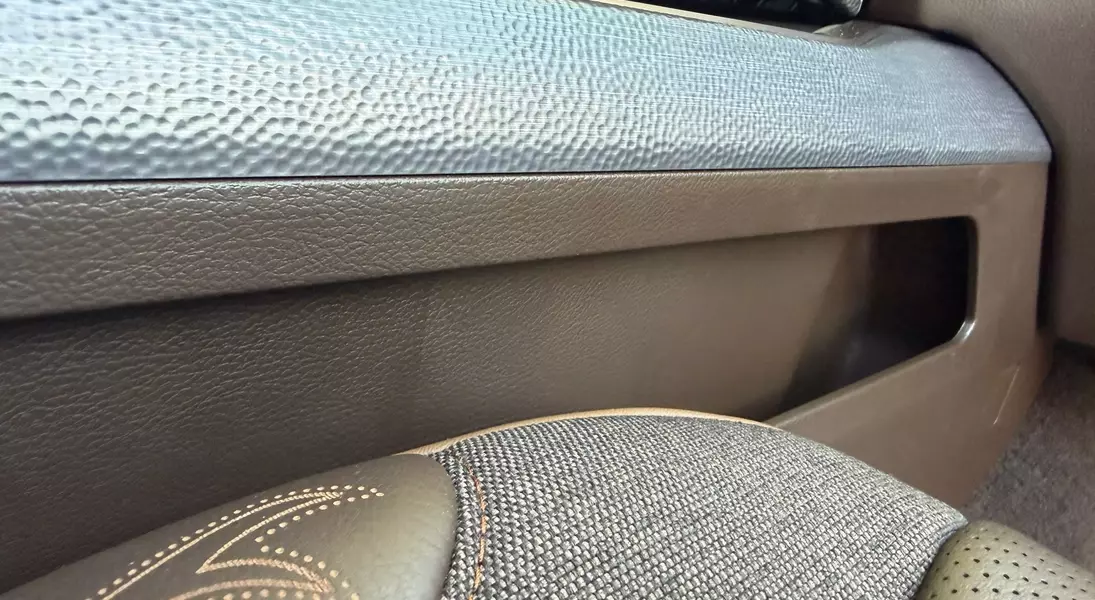
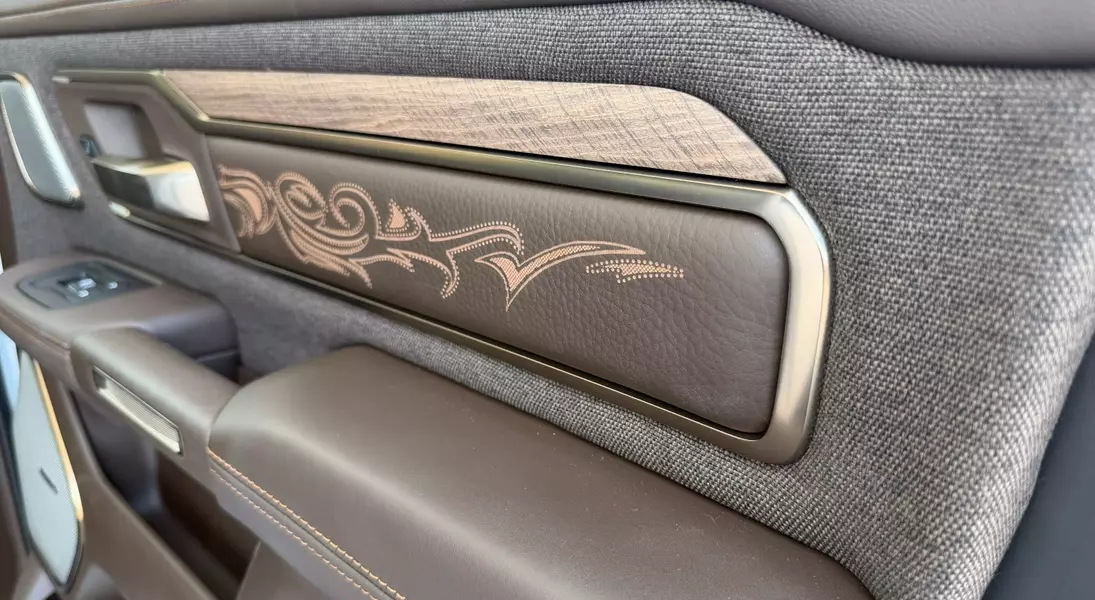
The intricate design elements found within the Longhorn are a testament to Ram's commitment to delivering a truly distinctive interior. The filigree patterns etched into the leather trim are another example of this individualized craftsmanship. Lasers vary the burn depth across the patterns, revealing different colors within the leather and adding a unique depth to each design. This process ensures that every truck possesses a bespoke quality, even if it differs from traditional saddlery methods. Jon Gaudreau, the lead designer, emphasizes that the goal is not to strictly replicate traditional methods but to evoke a similar sense of individuality and heritage. This attention to detail extends to the selection of premium materials such as fine wood, hammered aluminum, and rich leather, creating an interior that feels like a “rural Rolls-Royce.” This blend of high-quality materials and unique finishes contributes to a luxurious and enduring aesthetic that stands apart from fleeting trends.
Performance and Driver Preferences in the Longhorn
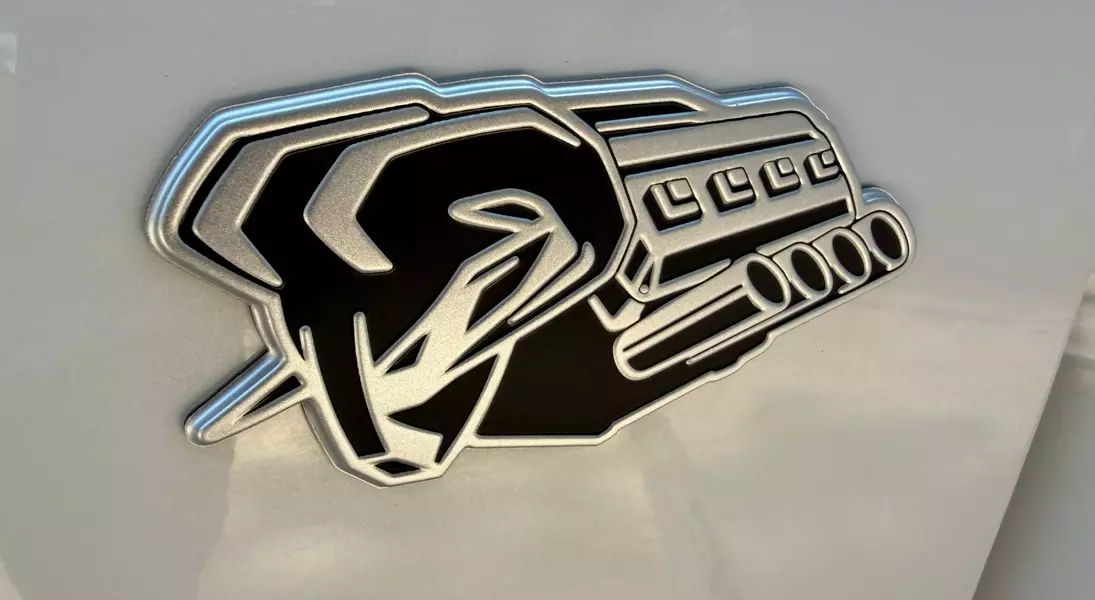
Beyond its luxurious interior, the Ram Longhorn offers diverse engine options, though consumer preferences sometimes diverge from optimal performance. The author notes that the particular Longhorn driven featured a 395-hp Hemi V-8 engine. While acknowledging its impressive sound, the author expresses a degree of mystification regarding the widespread loyalty to the Hemi, especially in a premium truck costing nearly $90,000. Despite its resonant rumble, the Hemi V-8 is the least powerful engine option available for this high-end model. The author, preferring a balance of power and efficiency, suggests the turbocharged Hurricane inline-six engine, which delivers a more robust 540 hp. Even the standard-output six-cylinder engine, with 420 hp, surpasses the Hemi in power and offers superior fuel economy, potentially saving owners hundreds of dollars annually. This highlights a curious trend among some Ram buyers who appreciate turbocharged diesel engines but are hesitant to embrace similarly efficient and powerful gasoline alternatives.
The debate over engine choice in high-end pickups like the Ram Longhorn reveals an intriguing aspect of consumer behavior, where emotional attachment and traditional perceptions often outweigh practical considerations. The author questions why certain buyers, despite investing in a top-tier vehicle, opt for the less powerful Hemi V-8 when more potent and fuel-efficient options exist. This preference for the V-8, often associated with a classic rumble, contrasts with an acceptance of turbocharged inline-six engines in diesel configurations. The manufacturer, however, continues to cater to this demand, recognizing that a significant portion of their clientele prioritizes the visceral experience of the Hemi. The widespread appeal of the Longhorn, as evidenced by its substantial sales figures (374,059 trucks last year, though trim-specific sales are not disclosed), suggests that its overall package of luxurious Western aesthetics and available performance options resonates deeply with a broad market, even if specific engine choices remain a point of discussion among enthusiasts.
