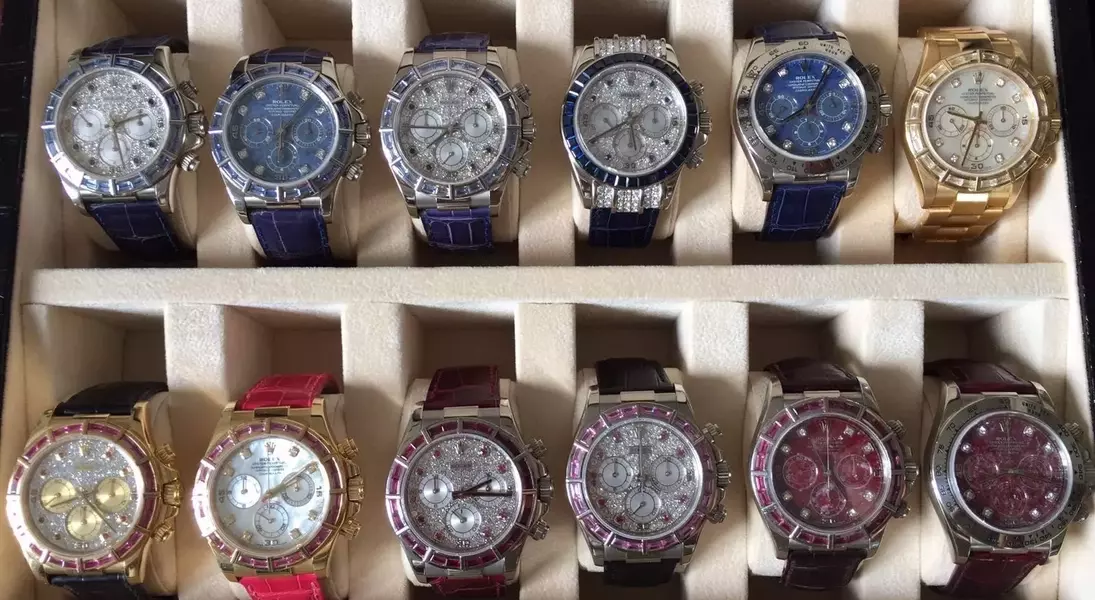
The fascinating realm of neo-vintage watches is gaining increasing recognition among discerning collectors, a trend exemplified by the prominent enthusiast Alfredo Paramico. This era, broadly spanning the mid-1980s through the early 2000s, represents a pivotal moment in horological history, bridging the gap between traditional vintage pieces and modern timekeeping. Paramico, renowned for his extraordinary collection that includes a Patek Philippe ref. 1518 and numerous gem-set Rolex Daytonas, views this period as exceptionally significant. He has dedicated decades to understanding and acquiring timepieces that many can only aspire to own, demonstrating a profound appreciation for the distinct characteristics of neo-vintage models.
A key appeal of neo-vintage watches lies in their exceptional value and unique aesthetic. These timepieces skillfully combine the classic visual elements of their predecessors with the enhanced reliability of contemporary movements, presenting a harmonious blend of old and new. Experts such as James Lamdin, founder of Analog:Shift, highlight that watches from the 1990s, like the Speedmaster or Submariner, retained the iconic designs of their 1960s counterparts while benefiting from improved materials. The use of tritium lume, which develops a warm, creamy patina over time, further imbues these watches with the romantic charm typically associated with older vintage pieces. Erik Gustafson of Hairspring Watches echoes this sentiment, suggesting that neo-vintage watches represent the last generation crafted with the meticulous care and attention to detail reminiscent of the mid-20th century's golden age, contrasting with what he perceives as a lack of 'soul' in many modern designs.
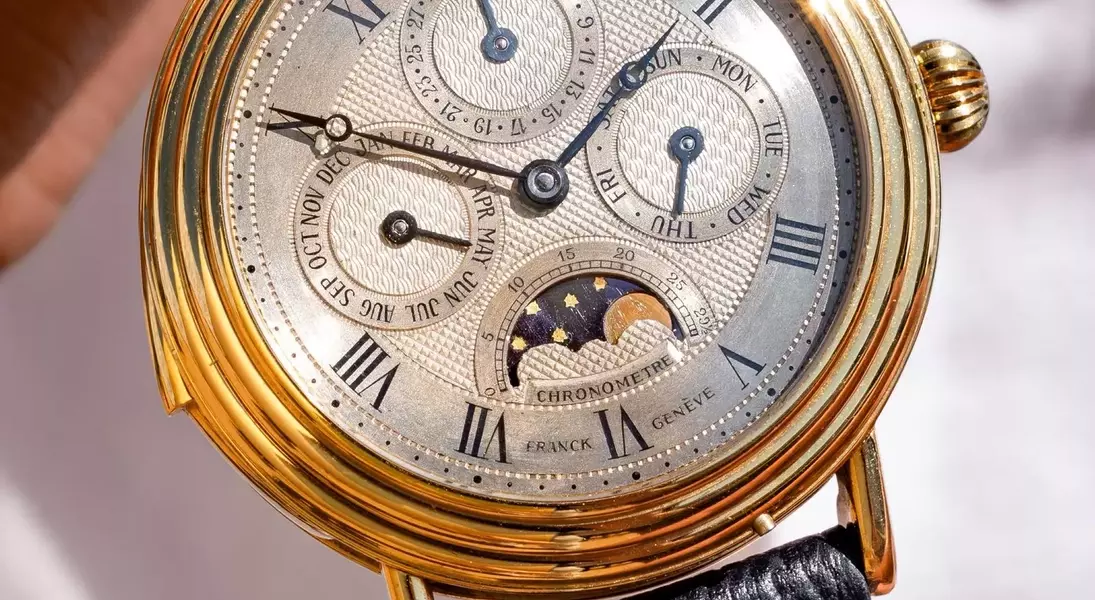
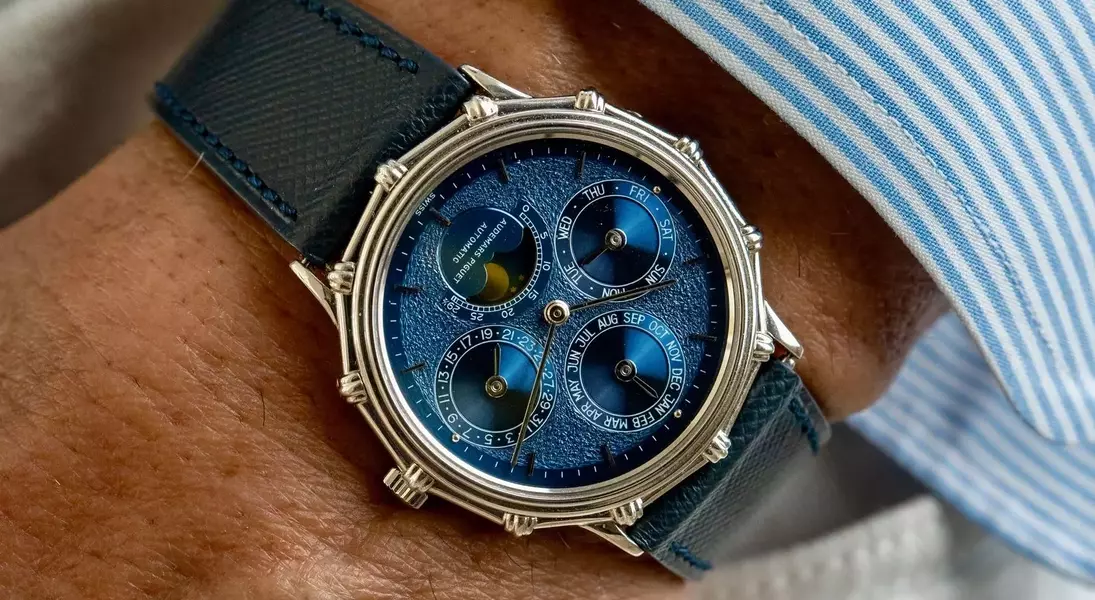
The neo-vintage period also witnessed a powerful resurgence of traditional watchmaking, particularly as Swiss brands sought to reclaim their heritage in the face of electronic quartz dominance. This revival brought forth an array of horological masterpieces, including Blancpain's 'Six Masterpieces' collection, IWC's groundbreaking Da Vinci Perpetual Calendar, and Audemars Piguet's pioneering self-winding tourbillon. Simultaneously, the era fostered the rise of independent watchmakers such as Roger Dubuis, F.P. Journe, and Franck Muller, whose innovative designs and technical prowess left an indelible mark. Franck Muller, in particular, with his distinctive barrel-shaped cases and complex complications, became a defining figure of the 1990s, symbolizing the creative energy and daring spirit of the decade. The diverse offerings of this period, from robust tool watches to intricate dress pieces and innovative independent creations, offer a broad spectrum for collectors. As experts suggest, the allure of neo-vintage is likely to continue growing, making this an opportune time to explore its rich tapestry before its true value is fully realized by the broader market.
In essence, the ongoing fascination with neo-vintage watches underscores a profound appreciation for craftsmanship, innovation, and timeless design. This period stands as a testament to the enduring human desire for objects that embody both historical significance and contemporary relevance. It reminds us that true artistry transcends fleeting trends, offering a compelling blend of beauty, engineering, and narrative that continues to inspire and captivate enthusiasts worldwide.
