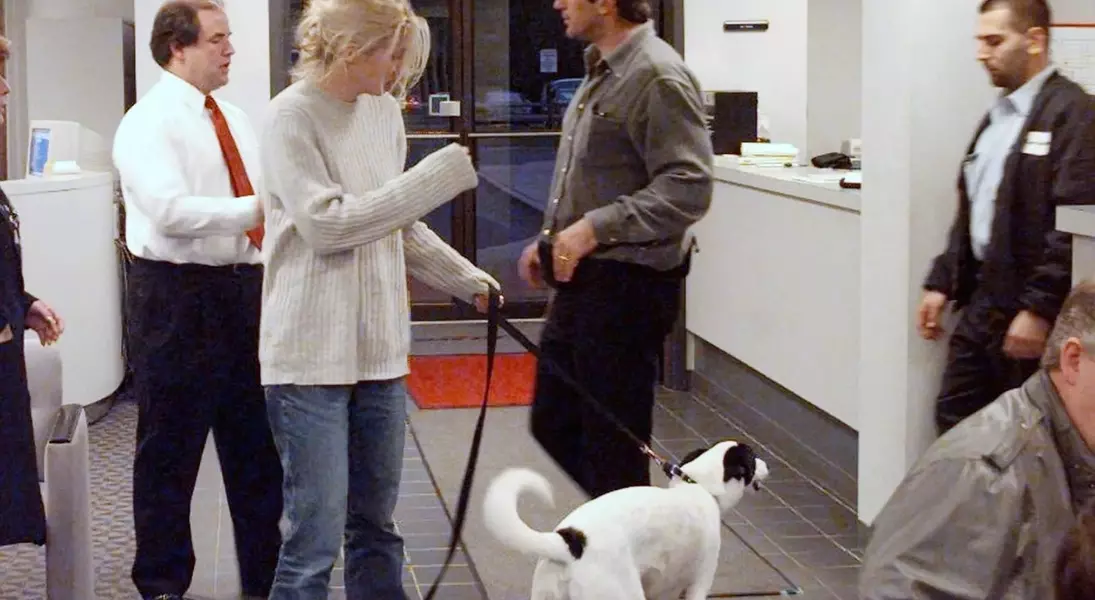
The contemporary fascination with the 1990s goes beyond mere stylistic preferences; it represents a deep-seated longing for an earlier, less digitally saturated period. This era, characterized by a more spontaneous social fabric and an emphasis on personal freedom, contrasts sharply with today's hyper-connected world. From fashion choices that prioritized comfort to social interactions that were more direct and less curated, the 90s offered a unique sense of nonchalance that many now seek to reclaim. This cultural revival is not simply about adopting vintage clothing but about re-embracing a lifestyle where being "perceived" was a minor concern compared to genuine self-expression and unburdened living.
Today's renewed interest in the 90s highlights a broader cultural yearning for a simpler time, when life felt less governed by digital expectations and social media pressures. Many are drawn to the decade's spirit of authenticity and casual engagement, recalling an era where personal interactions were more spontaneous and less mediated by technology. This nostalgic reflection points to a collective desire to rediscover a sense of freedom and individuality that seems increasingly rare in the modern age, making the 90s not just a fashion statement, but a symbol of a desired way of life.
The Authentic Allure of 90s Minimalism
The contemporary fascination with 90s minimalism transcends mere aesthetic preferences, indicating a deeper yearning for a time characterized by genuine living and reduced external pressures. Figures like Carolyn Bessette-Kennedy, whose understated style was born from a desire for comfort and practicality rather than calculated chic, embody this authentic spirit. Her approach to fashion, focusing on personal comfort and natural ease, starkly contrasts with today's culture of constant self-presentation and curated images. The current revival of 90s trends, such as Levi's 517s and oval shades, often misses this crucial point, emphasizing surface-level imitation over the inherent nonchalance that defined the era. This disconnect highlights a societal pushback against the performative aspects of modern life, with individuals seeking to reconnect with a sense of self that is less influenced by external validation and more grounded in personal comfort and true individuality.
The return to 90s minimalism is more than a fleeting fashion trend; it's a commentary on the desire for authenticity in an increasingly performative world. The iconic simplicity of the 90s, often seen in celebrity appearances and everyday attire, stemmed from a less self-conscious approach to style. People wore comfortable clothing, like baggy T-shirts and Converse, for functionality and enjoyment, rather than for algorithmic approval. This inherent lack of concern about being constantly observed contributed to a relaxed atmosphere where personal freedom thrived. This nonchalance, both aesthetically and spiritually, is what many are truly seeking today, as evidenced by the widespread interest in adopting the era's minimalist styles. It's a quest for an unburdened existence, where personal expression is dictated by inner comfort rather than external judgment or digital trends, providing a refreshing counterpoint to the relentless demands of modern social media culture.
Embracing an Analog Lifestyle in a Digital Age
Beyond fashion, the resurgence of 90s culture reflects a growing desire to embrace a more analog way of life, offering a respite from the constant digital bombardment of the present. This movement, characterized by practices such as sending physical letters, using Polaroid cameras, and opting for basic mobile phones, represents a conscious effort to disconnect from the endless notifications and curated digital interactions that define contemporary existence. In an era dominated by AI-generated content and impersonal communication, the appeal of analog experiences lies in their ability to foster genuine connection and mindful engagement. This shift suggests a collective longing for a time when life unfolded at a slower pace, allowing for deeper focus and more authentic personal interactions, away from the demanding and often overwhelming digital landscape.
The current push towards an analog lifestyle is a clear response to the pressures of an overly digitalized world, where constant connectivity often leads to superficial interactions and mental fatigue. Many are actively seeking to reclaim the deliberate and tangible experiences that were commonplace in the 90s, such as the tactile satisfaction of writing a letter or the focused attention required to use a film camera. This movement is a rejection of the "dopamine-loop" culture of instant gratification and endless alerts, instead advocating for a more considered and present way of living. By engaging with analog activities, individuals aim to reduce digital overload and cultivate a richer sense of reality, finding satisfaction in real-world interactions and experiences that promote well-being over constant virtual engagement. This deliberate return to analog methods underscores a desire for a more balanced and authentic existence, echoing the simpler, less intrusive lifestyle of the 90s.
