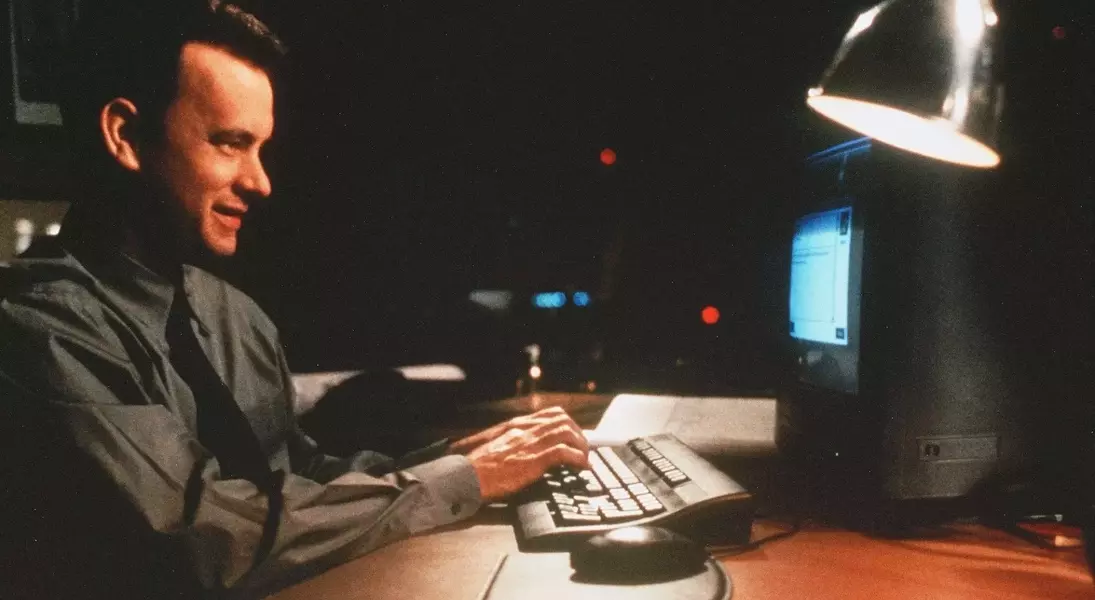

A significant chapter in internet history is drawing to a close as AOL announces the discontinuation of its long-standing dial-up internet service. This decision, effective September 30, marks the retirement of a technology that, for many, defined the early days of online connectivity. The move prompts a wave of reflection on the distinct experiences and cultural impact of the 1990s and early 2000s digital landscape, highlighting how far internet access has evolved. While broadband has largely superseded dial-up, AOL’s persistence in maintaining the service until now underscores its enduring legacy as a foundational pillar of the internet's widespread adoption.
A Fond Farewell to a Digital Relic
AOL's decision to cease its dial-up internet operations, effective September 30, marks the formal conclusion of a service that has faithfully operated since its inception in 1991. This announcement also includes the discontinuation of associated software like AOL Dialer and the Shield browser, although other components of AOL plans will remain unaffected. The news, though perhaps surprising to some given the ubiquity of high-speed internet, triggers a strong sense of nostalgia for those who remember the distinctive sounds and initial excitement of connecting to the World Wide Web through a modem.
For a generation of internet users, the unique acoustic signature of AOL's dial-up connection — a symphony of clicks, whirs, and beeps — was the gateway to the digital world. This service was more than just a means to access information; it was an integral part of daily life, particularly during a time when technology was rapidly transforming society. The internet experience was characterized by slower speeds and the novelty of features like chat rooms and instant messaging, which fostered early forms of online social interaction. Despite the eventual dominance of broadband, AOL diligently maintained its dial-up offering, serving as a constant reminder of the internet's humble beginnings and the dramatic technological progress that has occurred over the decades.
The Cultural Echoes of Early Internet
The retirement of AOL dial-up serves as a powerful reminder of the distinct cultural period it represented. The 1990s, a decade marked by the rise of pagers, the distinct style of tech commercials, and the reign of pop music icons like the Spice Girls, found its digital heartbeat in services like AOL. For many, after-school hours were synonymous with logging onto AOL Instant Messenger (AIM), where conversations with friends and strangers alike unfolded in text. Even after AIM's own discontinuation in 2017, the memory of those early online interactions persists, cementing dial-up's place in collective digital history.
Beyond personal experiences, AOL dial-up left an indelible mark on popular culture, perhaps most famously depicted in Nora Ephron's 1998 romantic comedy, "You've Got Mail." The film, named after AOL's iconic audio notification for new messages, beautifully captured the essence of early online romance, illustrating how the internet was beginning to weave itself into the fabric of everyday life. This cultural integration underscores the profound impact dial-up had, not just as a technological service, but as a facilitator of new forms of communication and connection that reshaped societal interactions. Its discontinuation closes a chapter on a technological marvel that once defined digital accessibility for millions.
