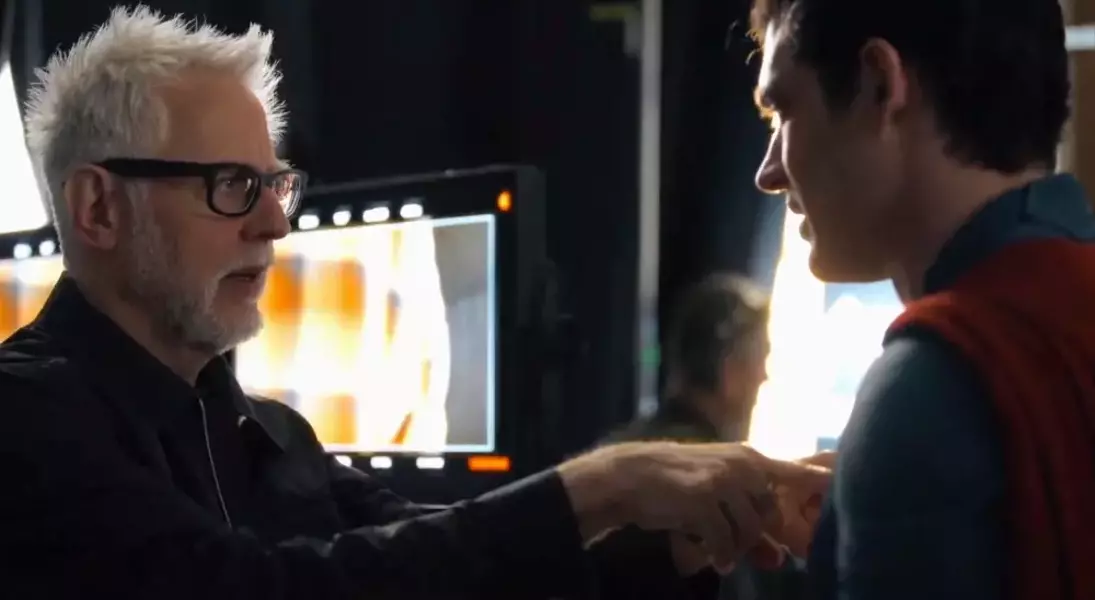
A recent revelation from the set of the new “Superman” film has pulled back the curtain on the dynamic and sometimes fraught process of bringing a cinematic vision to life. Director James Gunn disclosed a deeply emotional exchange with star David Corenswet concerning a crucial monologue within the movie. This candid moment highlights the inherent tension and ultimate synergy that can arise when a performer’s nuanced understanding of their character meets a director’s overarching narrative demands, ultimately enriching the final artistic output.
Director James Gunn and Star David Corenswet's Heartfelt Debate Illuminates the Art of Filmmaking
On a significant day during the production of the highly anticipated film "Superman," director James Gunn and leading actor David Corenswet engaged in a profound and memorable discussion. This pivotal conversation unfolded on set, amidst the intricate machinery of a major motion picture, offering a rare look into the collaborative intensity of filmmaking. The focus of their debate was Superman's climactic speech to Lex Luthor, a scene charged with emotional weight where Lex provocatively calls Superman a "piece of alien."
Initially, Gunn pressed Corenswet to deliver a more powerful and emotionally charged performance for this pivotal speech. However, Corenswet, drawing upon his rigorous theater background, paused the filming to articulate his creative reservations. He questioned the intensity Gunn sought, explaining that his acting methodology requires a deep intellectual understanding of every line and punctuation mark. The core of Corenswet’s concern was a perceived conflict: if Superman had already received reassurance from his adoptive father, Pa Kent, about his identity, why would he still react with such raw emotion to Lex’s taunts? Corenswet expressed, “I feel weak with me yelling at him,” pondering if, after Pa Kent's wisdom, the alien slur should still profoundly impact him.
Gunn, communicating from the monitor tent, patiently clarified his artistic intent. He explained that Superman's emotional vulnerability in that moment was precisely the point—an affirmation for the audience that it's permissible to feel hurt and exposed. He emphasized that showcasing this vulnerability was not a sign of weakness, but a powerful message against the dismissive attitudes of characters like Lex Luthor. As the discussion continued, Corenswet moved closer to Gunn, engaging in a more direct, yet always respectful, dialogue. He passionately argued that if Superman truly understood his identity, his response should reflect acceptance, not lingering pain. “Is this not the moment where I go, ‘I was wrong to feel that way?’” Corenswet pressed, conveying the character’s journey from self-doubt to self-acceptance.
In a powerful and moving exchange, Gunn stepped forward, gesturing emphatically as he articulated his vision. He stressed that Pa Kent’s guidance did not invalidate Superman’s past struggles or prevent future emotional responses. Gunn asserted that true strength lies in embracing and acknowledging one's vulnerabilities, even in the face of adversaries. "Your feelings about feeling bad are OK," Gunn stated with conviction, emphasizing that showing Lex Luthor his hurt feelings was an act of profound courage and humanity. This moment of clarity resonated deeply with Corenswet, who then returned to the set with renewed understanding. His subsequent performance of the speech, imbued with the nuanced vulnerability Gunn had sought, moved both Gunn and co-chief Peter Safran to tears. Gunn later reflected on the exchange, noting that such intense, respectful debates are invaluable, as they invariably lead to a superior artistic outcome, refining performances and deepening the narrative’s impact.
This behind-the-scenes revelation underscores the profound and often unseen dedication required to create compelling cinema. It highlights that the most impactful performances often stem from deep-seated discussions and a shared commitment to authenticity, rather than mere technical execution. For both aspiring filmmakers and avid moviegoers, this account serves as a powerful reminder that true artistic collaboration, even when challenging, is essential for transforming a script into a resonant human experience. It is a testament to the fact that vulnerability, both on screen and behind the camera, can lead to cinematic brilliance and an emotional connection that truly captivates an audience.
