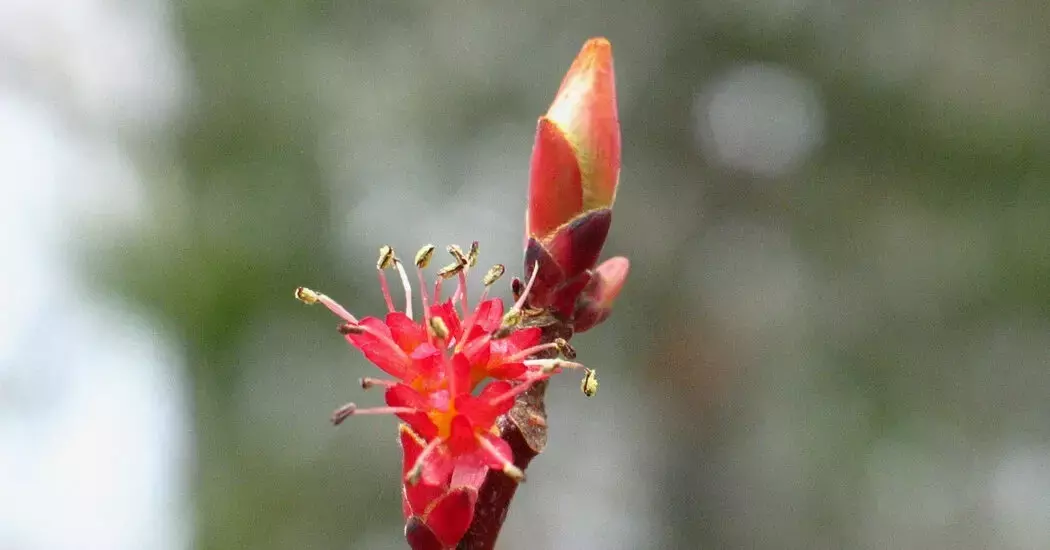
In a season marked by lingering winter, one individual has found solace and purpose in observing the subtle signs of an impending spring. Inspired by Theresa Crimmins' book "Phenology," this person is engaging in micro-dosing through nature's cues, turning simple acts of observation into meaningful contributions to science. Dr. Crimmins, director of the USA National Phenology Network and an associate professor at the University of Arizona, encourages everyone to become an everyday phenologist. This involves noticing seasonal changes in plants and animals, recording these observations via the Nature's Notebook app, and contributing to a broader scientific understanding.
A Closer Look at Phenology Practices
In the heart of a chilly season, an individual embarks on a journey inspired by Dr. Theresa Crimmins’ work. In a vibrant academic environment at the University of Arizona, Dr. Crimmins advocates for transforming casual observers into active participants in the study of nature’s rhythms. By scrutinizing budding ferns or the delicate blossoms of dogwood trees during late winter, enthusiasts contribute valuable data. These activities are not confined to any specific region but resonate globally where native species like bloodroot (Sanguinaria canadensis) and pussy willow (Salix discolor) begin their annual lifecycle. Observers document early flowers emerging beneath developing leaves or catkins appearing on leafless stems, each detail painting a picture influenced heavily by temperature, day length, and moisture levels.
Dr. Crimmins emphasizes that phenological events do not adhere to fixed dates annually; instead, they fluctuate based on environmental conditions. Her work bridges personal mindfulness with collective scientific endeavor, inviting people to connect deeply with nature while advancing ecological knowledge.
From a journalist's perspective, this trend towards participatory science offers profound insights. It underscores humanity's innate curiosity and ability to merge technology with traditional practices. Engaging in such activities fosters a deeper appreciation for natural cycles, promoting both mental well-being and ecological awareness. As more individuals adopt this approach, society benefits from enhanced understanding of climate impacts on biodiversity, reinforcing the importance of community involvement in scientific research. Thus, becoming an 'everyday phenologist' isn't merely about observation—it's about creating a harmonious relationship between humans and the environment we inhabit.
