The integration of advanced artificial intelligence into wearable devices, particularly smartwatches, represents a transformative moment in personal technology. While the promise of AI on the wrist is immense, fulfilling this potential hinges on users' ability to adapt their long-ingrained digital habits. Overcoming the intuitive pull of the smartphone and recognizing the unique benefits of on-body AI will be crucial for the widespread adoption and success of these innovative tools.
The Evolving Landscape of Wearable AI
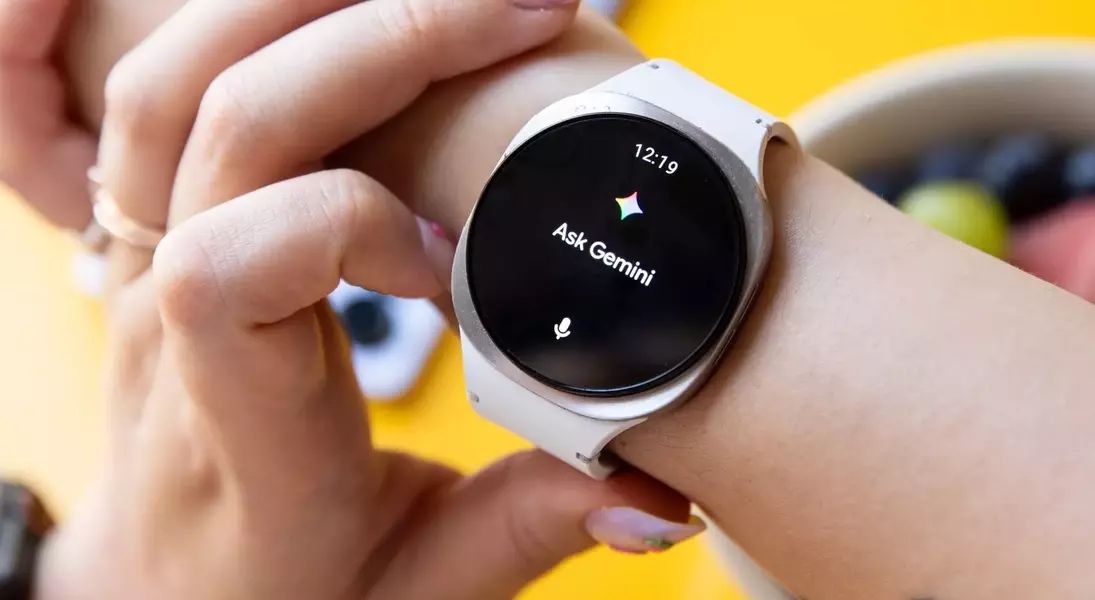
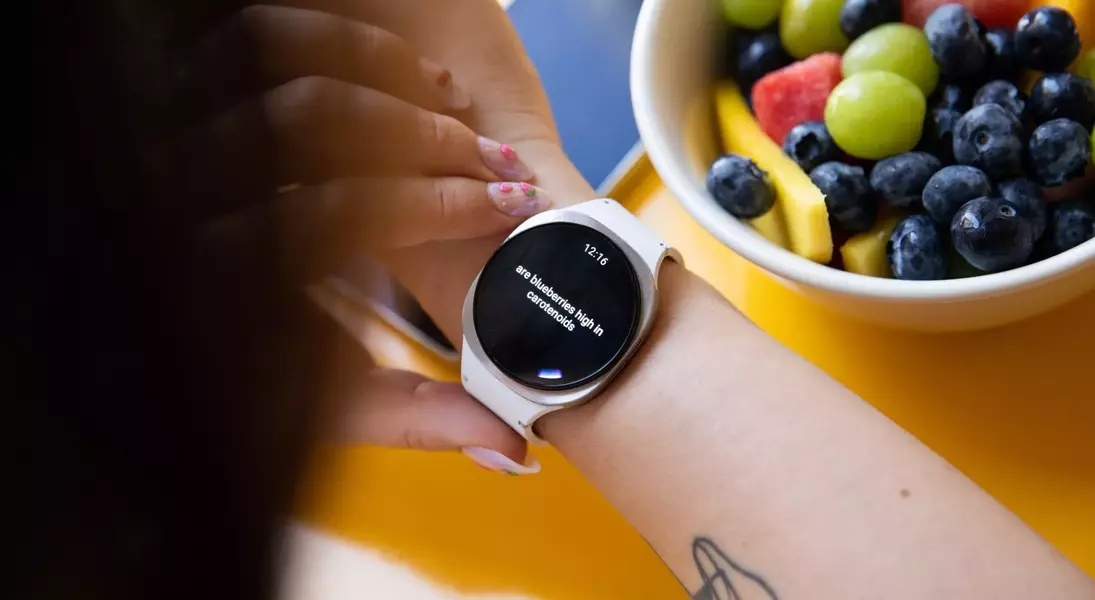
In a pioneering move for personal technology, Google has brought its sophisticated Gemini AI to the forefront of wearable devices. As of early August 2025, Gemini is readily available on cutting-edge smartwatches such as the Samsung Galaxy Watch 8 series and the Pixel Watch, with broader rollout to other Wear OS devices underway. This integration signifies a major leap, extending AI's presence beyond conventional platforms like phones and laptops directly onto the human body. Industry figures express considerable enthusiasm, envisioning a future where AI on the wrist delivers unparalleled convenience and efficiency in daily life.
However, the journey towards seamless integration is not without its hurdles. For over two decades, individuals have instinctively relied on their smartphones for a myriad of tasks, a habit deeply ingrained in daily routines. This pervasive reliance presents a significant challenge to the adoption of wearable AI. Unlike familiar voice assistants such as Google Assistant, with their defined command structures, the open-ended and highly adaptable nature of generative AI like Gemini demands a new interaction paradigm. Users must consciously recalibrate their approach, learning not only what Gemini can achieve but also when and how to best utilize its capabilities on a smaller, wrist-worn interface. For instance, initial attempts to use Gemini on a smartwatch for tasks like finding nearby gyms or creating workout playlists revealed a learning curve, with the AI sometimes yielding unexpected or less-than-optimal results when prompts weren't precisely tailored to the wearable context.
Despite these initial adjustments, product development teams are actively highlighting Gemini's unique strengths, particularly its capacity to act as a 'second brain' by retaining conversational context and user preferences over time. Jean Lee, a senior product manager on the Gemini team, demonstrated this by having Gemini provide a detailed packing list tailored to specific weather conditions and personal preferences, showcasing the AI's ability to incorporate previously shared information. This 'memory' allows Gemini to offer personalized suggestions, such as recommending Sichuan restaurants based on past stated culinary preferences when in a new city.
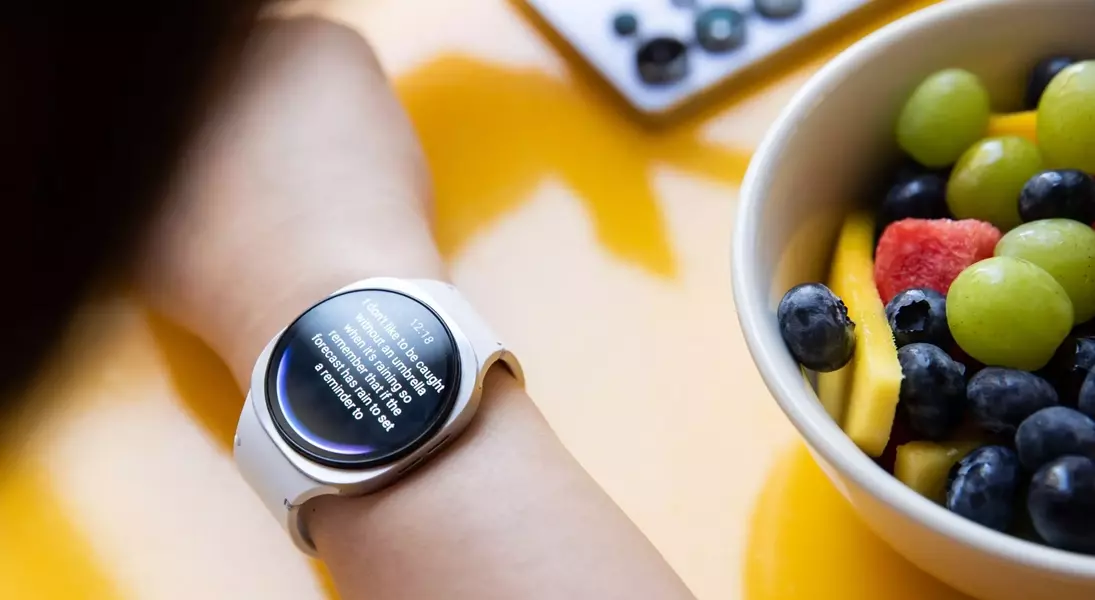
Jaime Williams, group product manager of Wear OS, further elaborated on Gemini's improved natural language processing. Unlike older assistants that required rigid phrasing, Gemini allows for more intuitive and expressive commands, enabling users to dictate messages with a desired tone or even set context-aware reminders, such as being alerted to pack an umbrella before rain. These examples underscore Gemini's potential to significantly reduce cognitive load by automating multi-step tasks, moving beyond simple information retrieval to proactively assist users in managing their daily lives more effectively. The vision is clear: wearable AI should not merely replicate smartphone functionalities but offer distinct, enhanced experiences that simplify and enrich everyday interactions.
The path forward for wearable AI demands not only technological advancement but also a strategic approach to user education and experience design. Forging new cognitive pathways and demonstrating tangible benefits will be critical in encouraging users to fully embrace AI on their bodies.
The Human Element: Adapting to AI in Close Proximity
The transition to embracing artificial intelligence on wearable devices, particularly smartwatches, necessitates a fundamental shift in user behavior. For many, the smartphone has been the default digital companion for years, creating a deeply ingrained habit that is challenging to overcome. This unconscious tendency to reach for a phone rather than interact with a wrist-worn AI highlights a significant hurdle for widespread adoption.
Generative AI, with its vast and often unpredictable capabilities, presents a different challenge compared to the more rigidly defined functions of traditional voice assistants. While the latter operate within clear, predictable boundaries, generative AI’s open-ended nature can leave users uncertain about how to formulate effective prompts or what outcomes to expect. This ambiguity can lead to frustration and a reversion to familiar, albeit less efficient, methods, such as manually searching for information on a phone rather than engaging with the AI on a smartwatch.
Furthermore, the physical proximity of AI on a wearable device introduces a new layer of complexity: optimizing interactions for a smaller form factor. Users must learn to discern which queries are best suited for the smartwatch versus the phone, understanding whether the wearable AI serves as a standalone tool or primarily as an extension of their smartphone. This distinction is not always clear, contributing to a sense of experimental trial-and-error that can deter everyday use.
Ultimately, the success of AI on our bodies depends on more than just technological prowess; it requires a conscious effort to educate users and provide intuitive, clear pathways for engagement. Without readily apparent benefits and a streamlined user experience, many will likely revert to their established habits, leaving the full potential of wearable AI untapped. It's akin to providing a complex building kit without instructions – only a select few will master it, while the majority will seek simpler, more familiar solutions.
