The emerging paradigm of 'vibe coding' is rapidly reshaping the landscape of software development, presenting a transformative approach where artificial intelligence assumes a central role in the creation and refinement of code. This innovative methodology, first brought into the spotlight by former OpenAI co-founder Andrej Karpathy in February 2025, has swiftly captured the attention of the tech world, igniting both fervent support and critical debate. At its core, vibe coding liberates developers from the intricate details of manual coding, enabling them to articulate their vision in natural language and delegate the execution to advanced AI systems. This shift promises unprecedented efficiency and accessibility, fundamentally altering how software is conceived and built.
Vibe coding, as conceptualized by Karpathy, represents a profound philosophical shift in programming. Instead of meticulously crafting lines of code, developers articulate their desired outcomes, whether a new application or a specific feature, to an AI. The AI then autonomously generates the code. The subsequent process involves iterative feedback: developers review the AI-generated code, propose adjustments or bug fixes, and the AI incorporates these changes, continuously refining the output until it aligns perfectly with the developer's intuition and requirements. This iterative refinement, driven by natural language interactions, emphasizes an intuitive, almost subconscious, flow, which Karpathy describes as "fully giving into the vibes." This approach suggests a future where programming is less about syntax and more about conceptual alignment with intelligent systems.
This novel method has been met with a spectrum of reactions within the development community. Proponents, including Karpathy, champion the unparalleled efficiency and exploratory potential that AI-driven code generation offers, pushing the boundaries of what is possible. They view it as a means to democratize software creation, making it accessible to individuals without extensive traditional coding expertise. However, critics express concerns regarding the comprehensibility and maintainability of AI-generated code, arguing that an engineer's deep understanding of their own codebase is paramount for robust and predictable software. The debate highlights a tension between leveraging AI for rapid prototyping and ensuring the long-term integrity and clarity of the software.
For those eager to explore the realm of vibe coding, numerous AI tools are readily available, making entry remarkably straightforward. Any contemporary large language model (LLM) possesses the foundational code knowledge to assist in this process. However, dedicated tools offer specialized functionalities that enhance the experience. Users are advised to begin with a clear, well-defined vision for their project to guide the AI effectively. It's also crucial to maintain rigorous backup practices, as AI-generated code, while powerful, can occasionally lead to unforeseen issues or data loss.
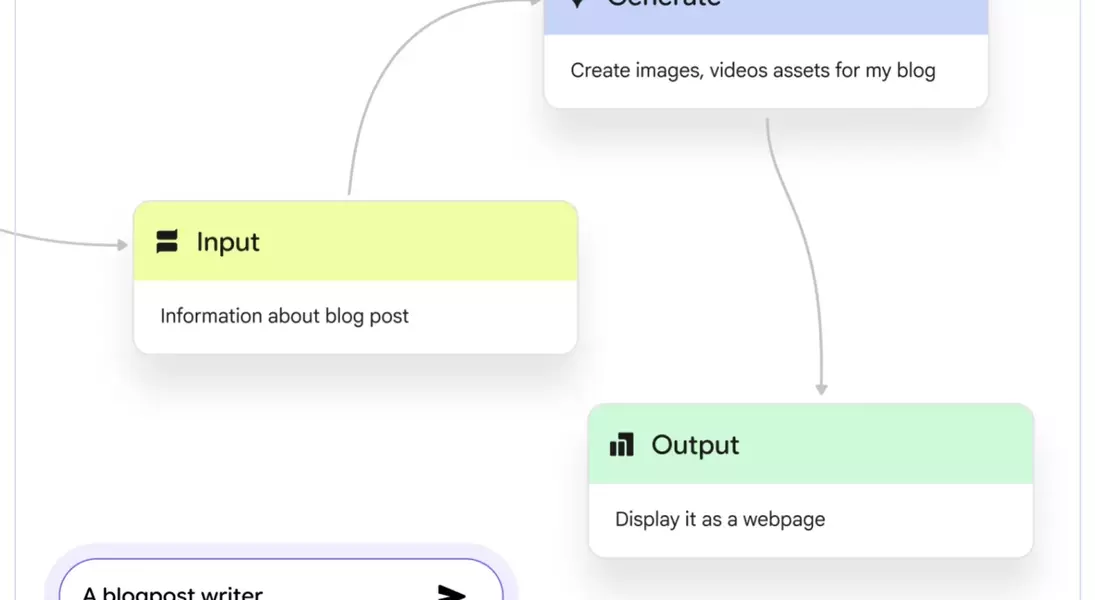
Among the leading tools available, Claude Code by Anthropic stands out as an excellent starting point, optimized specifically for coding within integrated development environments (IDEs) like VS Code. Its ability to manage multiple files and incorporate user consent before making changes offers a layer of safety. OpenAI's GPT-5, a recent release, also marks a significant leap in agentic coding, transforming natural language prompts into functional code with impressive accuracy, making it particularly suitable for beginners. Other notable mentions include Cursor and Lovable, both IDEs with integrated AI chatbots that streamline the coding process, offering features like automatic bug fixes and robust integration capabilities with platforms like GitHub. Additionally, v0 by Vercel excels in generating web application UI elements from textual descriptions, often used in conjunction with other vibe coding tools for a comprehensive development workflow. Google's Opal, a user-friendly tool, integrates various Google AI services to enable the creation of applications and websites without requiring prior programming experience, providing a visual representation of the app's structure as it is built. Furthermore, 21st.dev serves as a valuable complementary service, assisting in the creation of user interfaces that can be seamlessly integrated with AI-generated code.
The rapid evolution of vibe coding, still in its nascent stages, signifies a profound transformation in how software will be developed. The ability to abstract away the complexities of syntax and focus on conceptual design opens new avenues for innovation and accessibility in programming. As more advanced AI models and specialized tools emerge, the potential for this intuitive coding paradigm to democratize and accelerate software creation continues to grow, promising a dynamic future where human creativity and artificial intelligence converge to build the next generation of digital solutions.
