In Nepal, individuals known as Meti and Hijra navigate complex societal landscapes, embodying feminine identities that are both deeply rooted in Hindu spiritual traditions and often marginalized in daily life. This narrative explores the experiences of women like Sunita and Gita, who, despite legal recognition as a "third gender," confront prejudice, economic uncertainty, and a lack of full societal acceptance. Their stories illuminate the delicate balance between ancient cultural reverence for the divine feminine and contemporary social realities, revealing how these communities find strength and support within their chosen families and spiritual heritage.
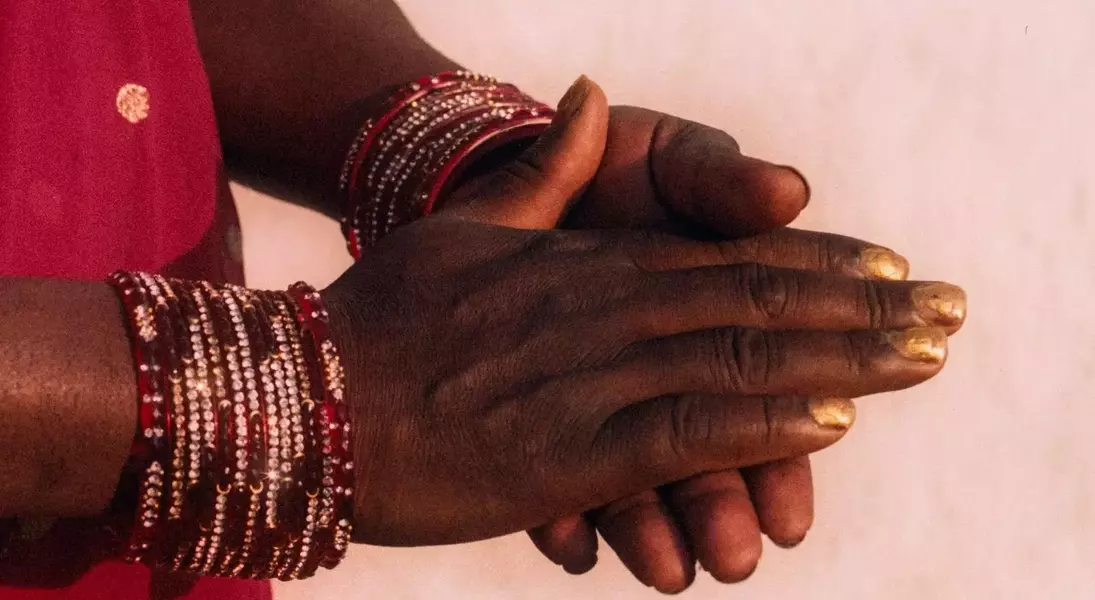
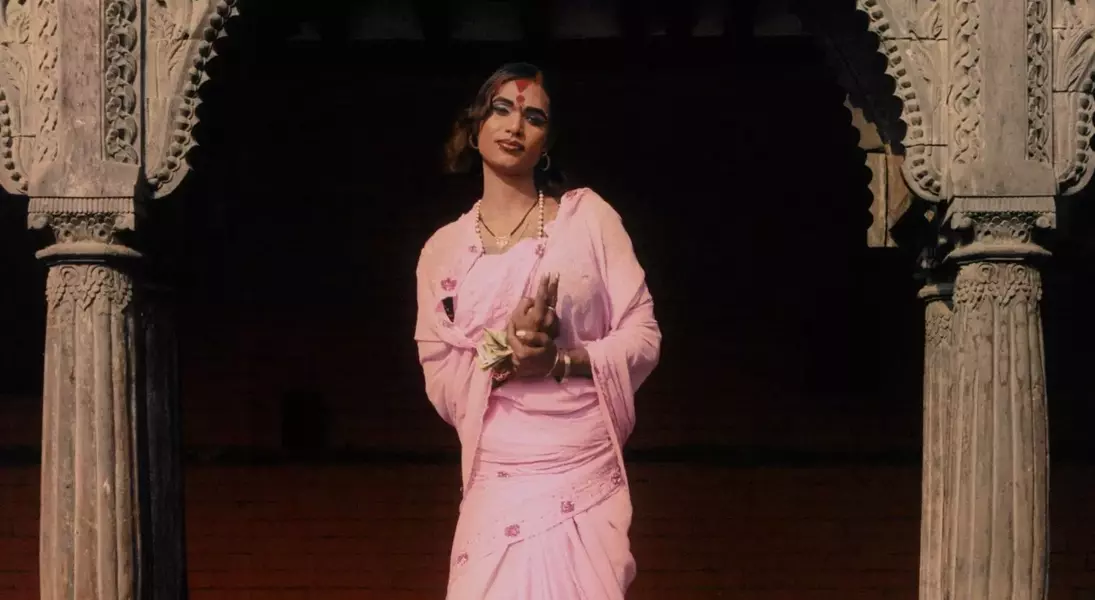
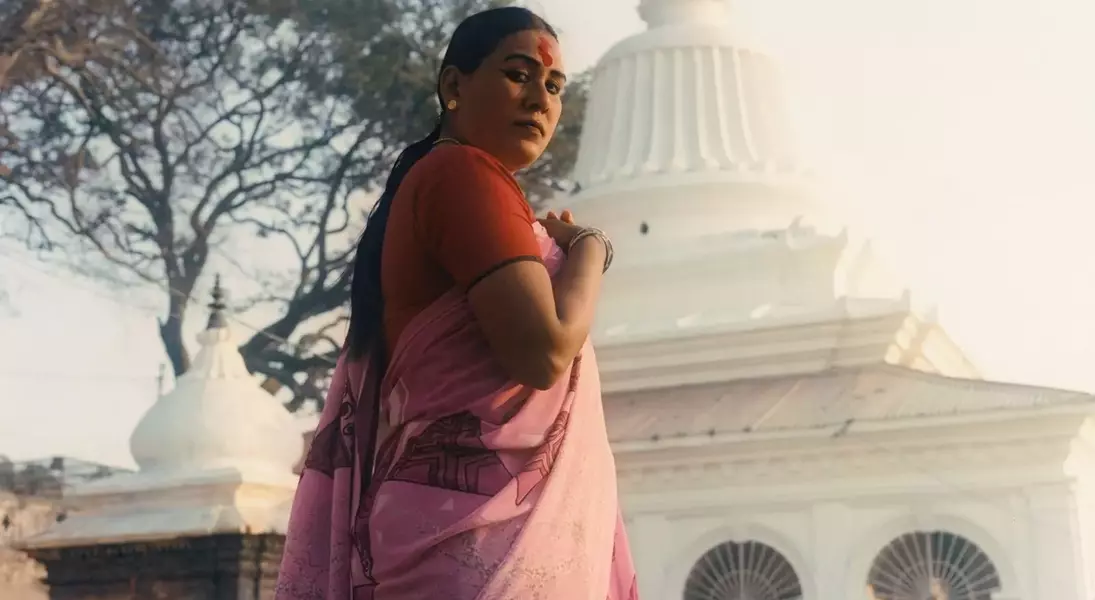
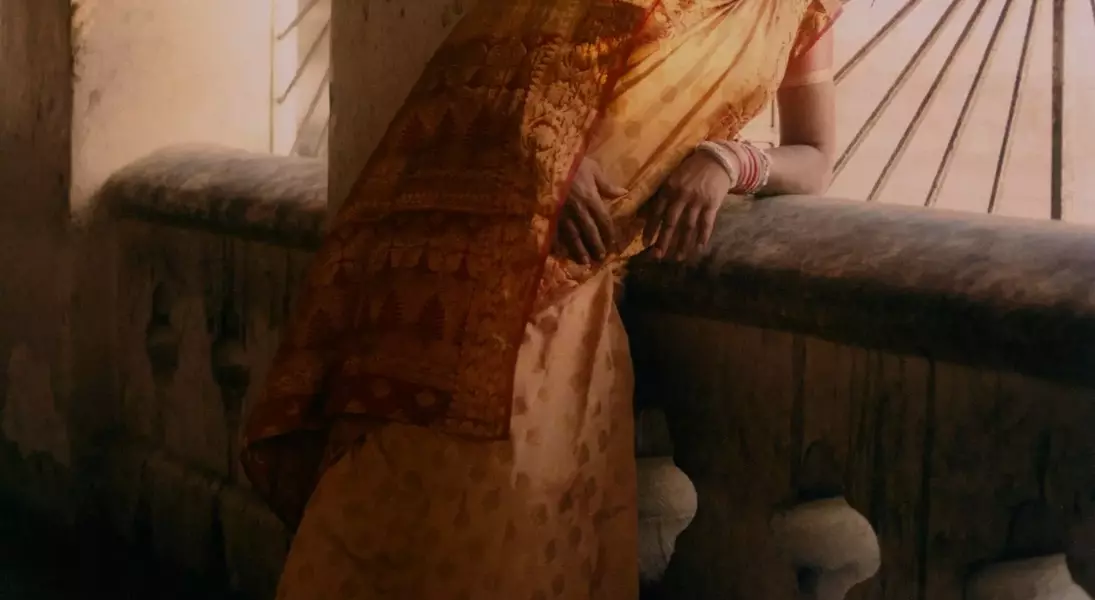
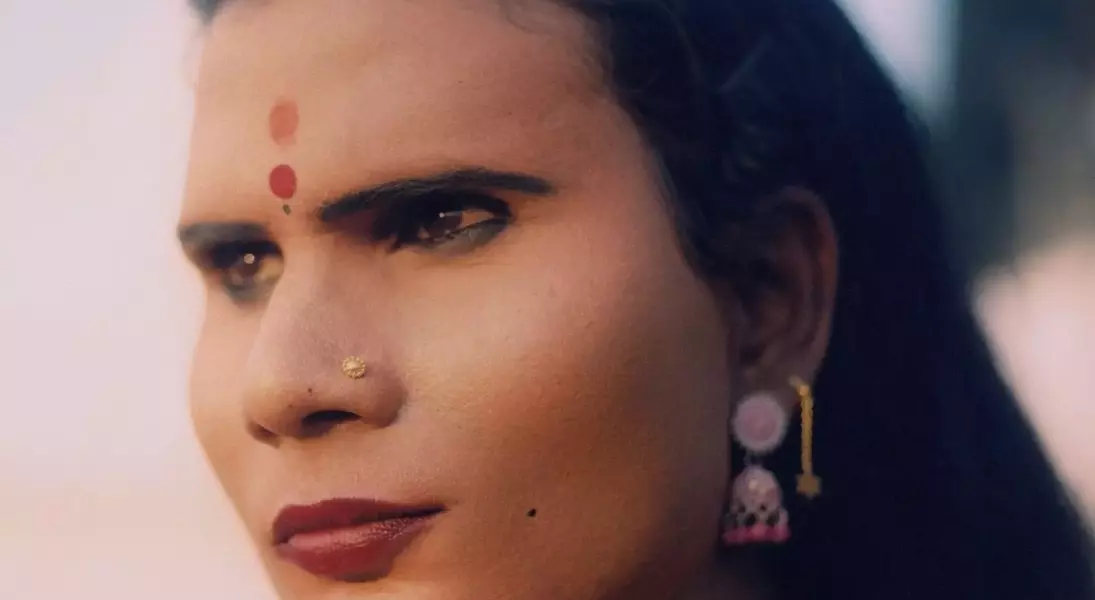
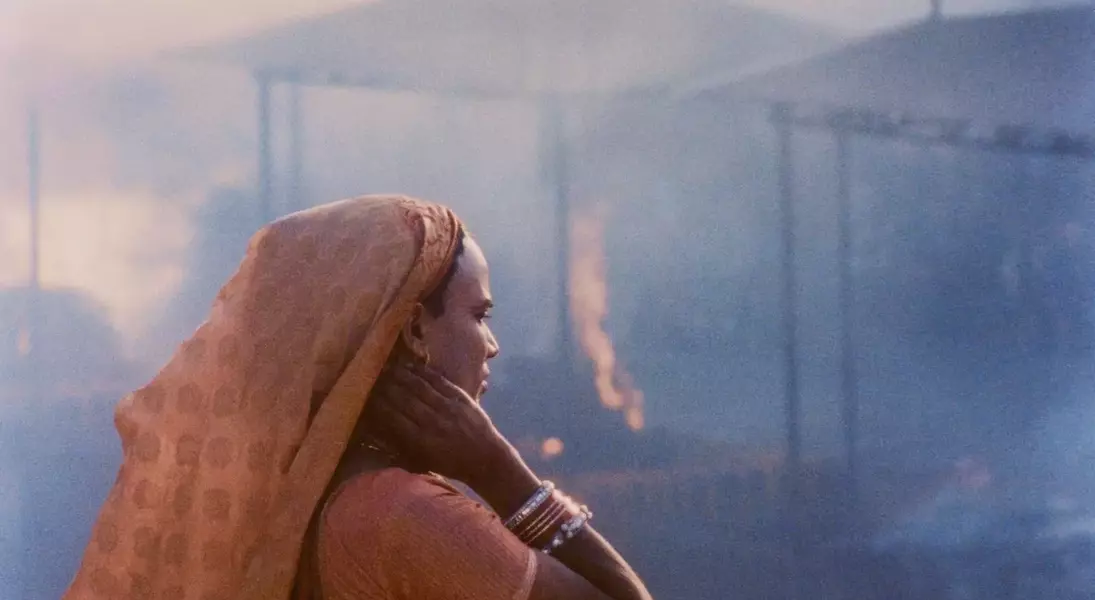
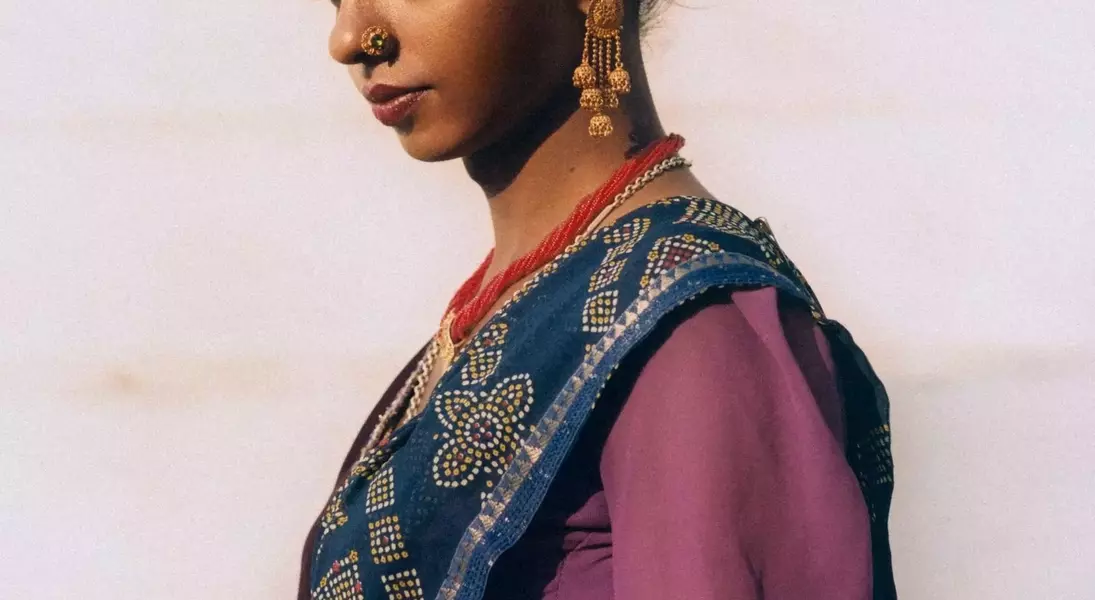
Sunita's journey began with self-expression, a natural inclination towards feminine presentation that was initially tolerated, then actively suppressed by her family. Forced to leave her home in her late teens, she sought refuge and autonomy in Kathmandu. Her daily life is a testament to resilience, as she dresses with careful intention, finding a sense of inner peace even when the outside world offers little solace. She moves through the city's bustling streets, engaging in various forms of casual labor, often facing indifference or subtle rejection from those around her. Her existence is a constant interplay of earning and waiting, striving for stability in a world that doesn't fully embrace her.
In Nepal, Meti is a term used for individuals assigned male at birth who adopt feminine appearances and lifestyles. This identity can sometimes align with broader transgender definitions, but for many, it resonates more strongly with local cultural contexts, like Kothi in the southern Terai plains or Singaru in the western hills. Sunita’s choice to identify as Meti reflects a personal understanding of self that prioritizes local nomenclature and immediate social relevance.
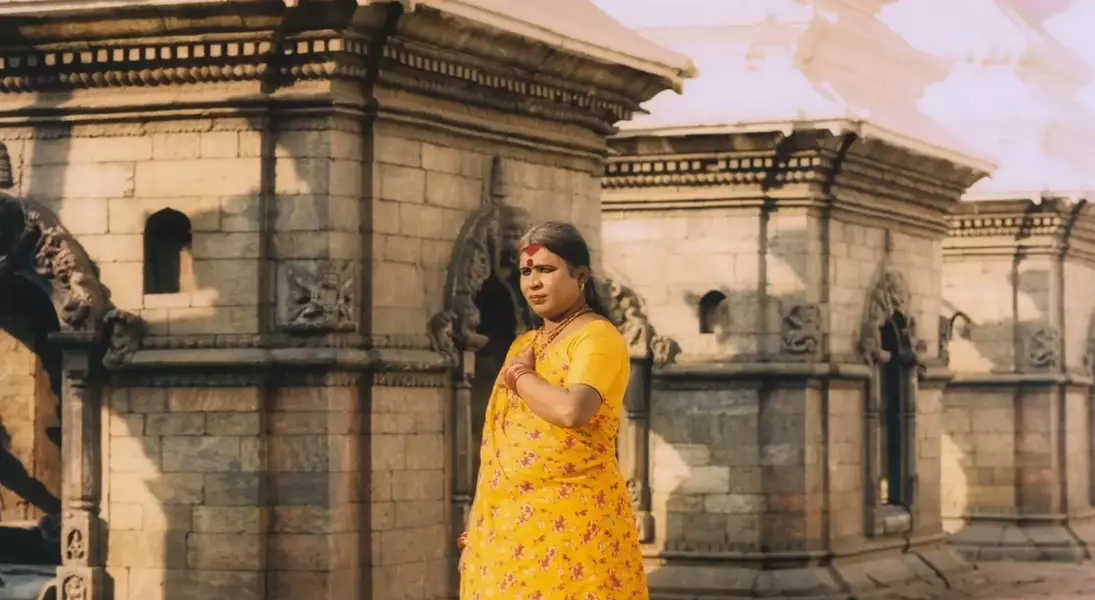
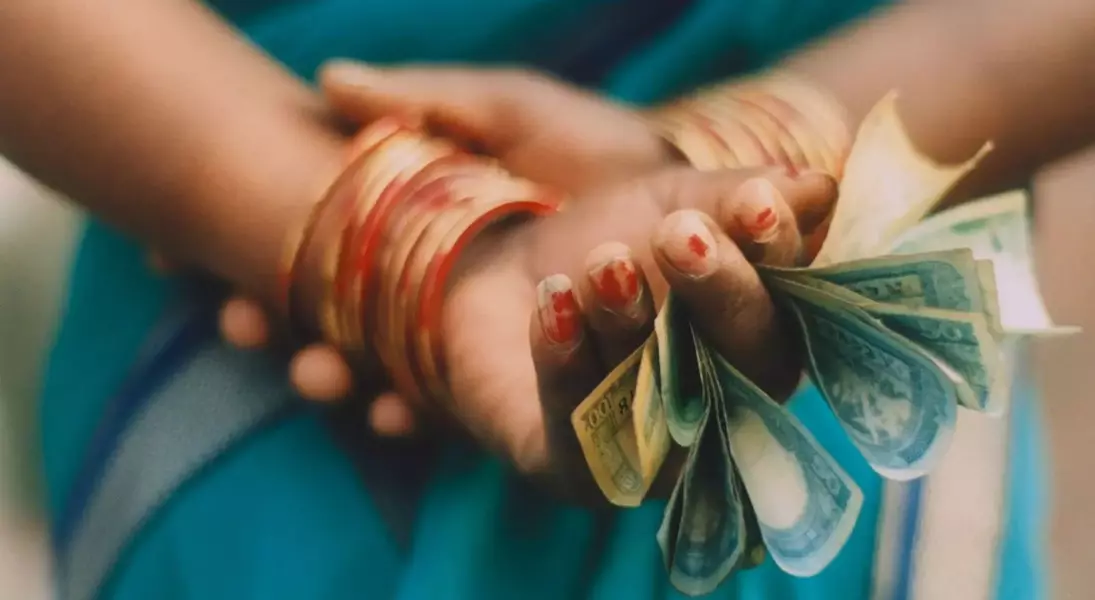
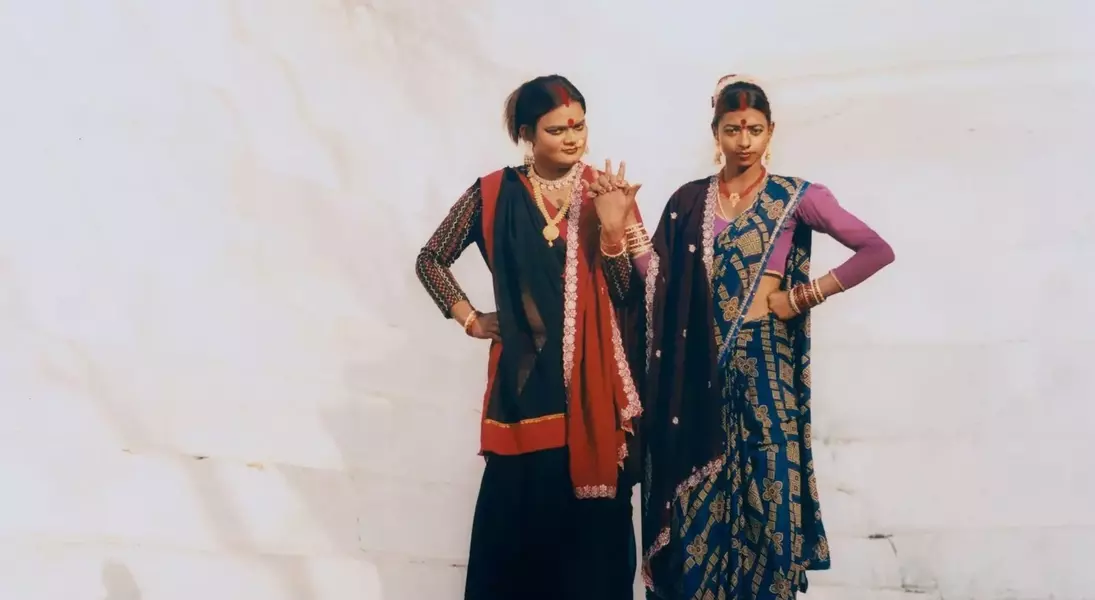
Gita, on the other hand, identifies as Hijra, a distinct social category that goes beyond individual identity to encompass a structured communal existence found across South Asia. Hijra women typically live in collective households under the guidance of a 'guru' (elder), who provides shelter and teaches them the community's ways. This system, while offering a form of protection and belonging, also involves a hierarchical structure where a portion of earnings is shared with the guru. While some Hijra women undergo ritual initiation, the essence of their life lies in the communal household, its mutual obligations, and a unique economy of kinship. Both Meti and Hijra are recognized legally in Nepal as a "third gender," a governmental classification that, while progressive, often fails to capture the intricate social and spiritual nuances of their lived experiences.
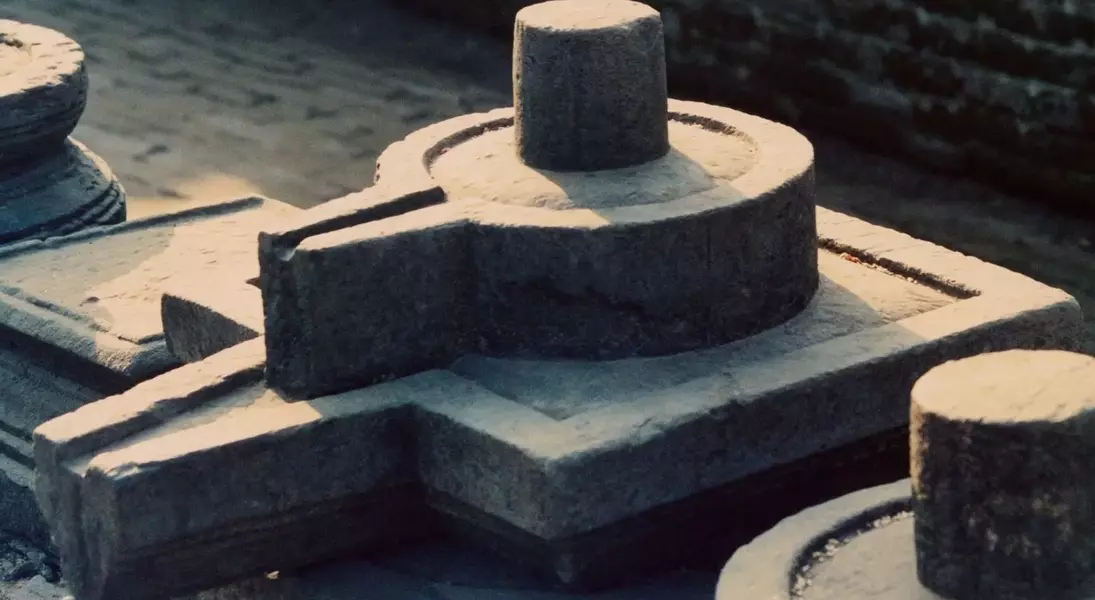
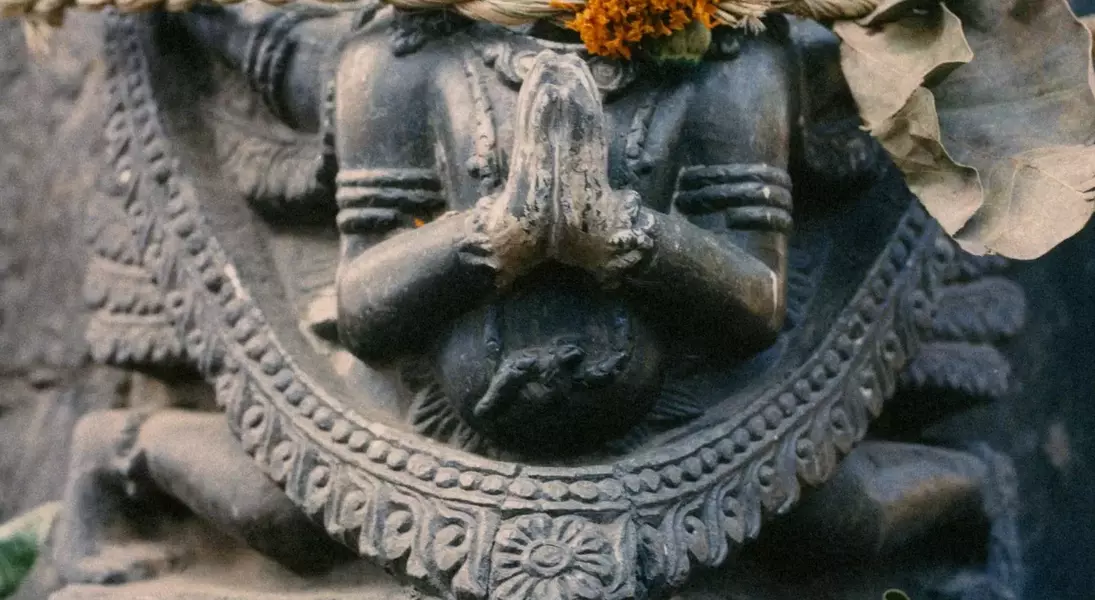
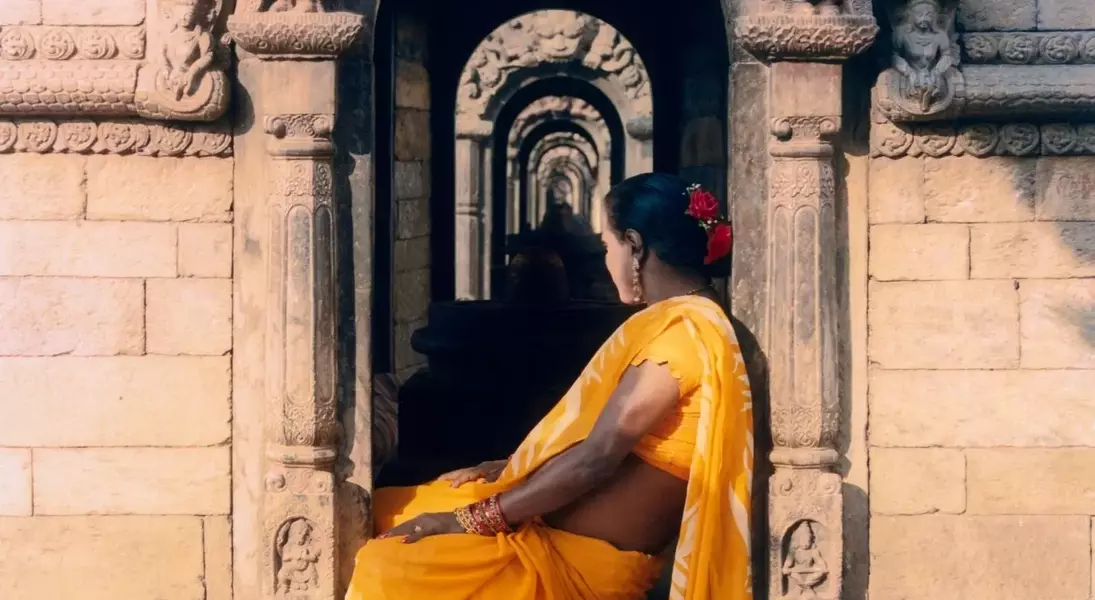
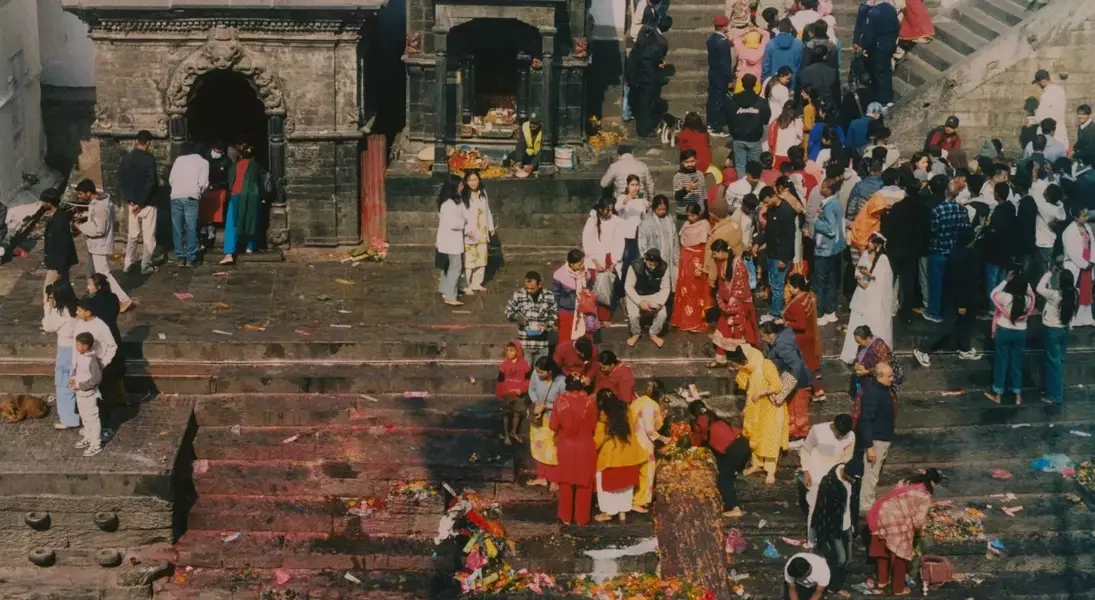
Kathmandu's monsoon season mirrors the fluctuating acceptance experienced by these women. Rain-soaked streets slow the city's pace, and work opportunities dwindle, creating a stark reminder of economic fragility. Yet, in this precarious environment, the profound cultural recognition of their identities shines through. Hindu theology, particularly the worship of Ardhanarishvara—the deity symbolizing Shiva as half-woman, half-man—offers a sacred framework for understanding the integration of masculine and feminine principles. This ancient concept, prevalent in the Kathmandu Valley's temples and art, places the harmonious blend of genders at the heart of Shaiva devotion.
This spiritual foundation underpins the ritualistic role of Hijra women in Nepalese society. Born male but living as feminine, they are seen as embodying this sacred threshold, bridging dualities. Consequently, Hijra women are invited to bless newborns and marriages, their presence considered auspicious and essential. They are revered in these sacred moments, carrying a spiritual significance that enriches ceremonial occasions. However, this ritualistic respect often does not translate into social equality. As Gita observes, people seek their blessings for their children, yet few would wish for their own child to share their path. This reveals a poignant societal paradox: an embrace of their sacred role without a full acceptance of their human rights and social standing.
The Supreme Court of Nepal's landmark 2007 ruling mandated legal recognition for gender minorities based on self-identification, not medical procedures. While this legal framework was a significant step forward, impacting other South Asian nations, its implementation has not erased the daily struggles faced by Meti and Hijra women. Sunita's experiences in hospitals, where her identity is misrecognized, or on public transport, where subtle discomfort from strangers persists, highlight the gap between legal decree and lived reality. Gita understands that not all voices are heard equally; some are respected, while others are dismissed. Their intuition is not merely innate but a honed skill, a constant, practiced interpretation of social cues to navigate spaces that may or may not offer safety and acceptance.
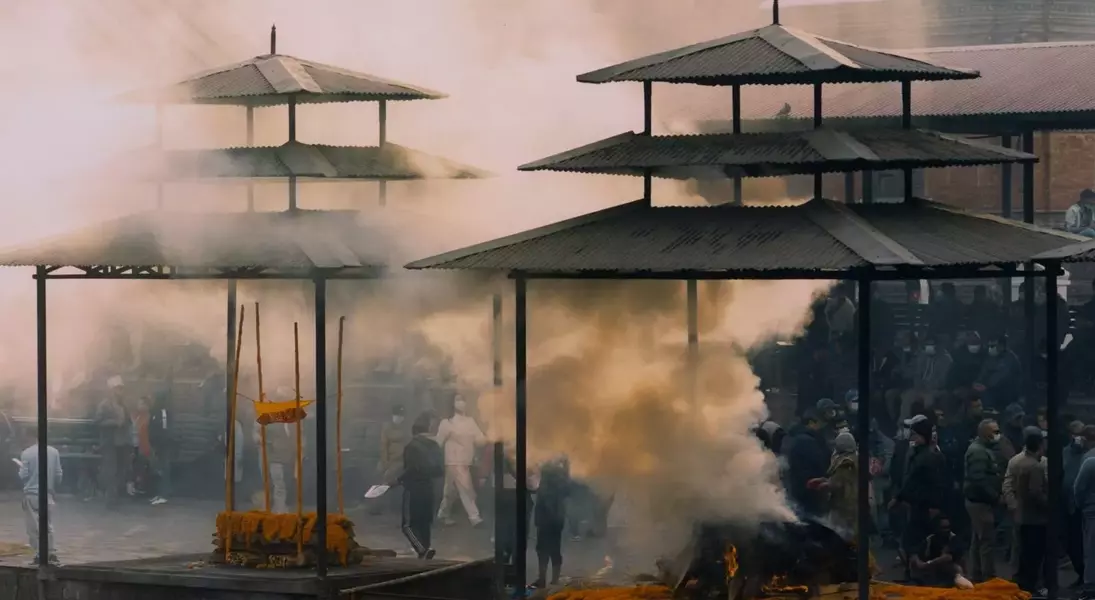
In their communities, support is forged through everyday acts of compassion and strategic planning for survival. Mornings involve friends helping each other with attire, sharing warnings about safe routes or difficult clients, and pooling meager resources. This care is not sentimental but practical, born of necessity and mutual reliance. As Gita notes, disagreements may arise, but in times of crisis, they unite without question, illustrating a bond where solidarity is paramount. During the Gai Jatra festival, a Newar tradition commemorating the deceased, Kathmandu temporarily loosens its social strictures. This festival, blending grief with satire and public performance, traditionally includes cross-dressing and gender play, allowing gender non-conforming individuals greater visibility and a fleeting sense of acceptance. Yet, this temporary freedom dissipates as the festival concludes, and the city reverts to its conventional norms, leaving behind only the memory of brief liberation.
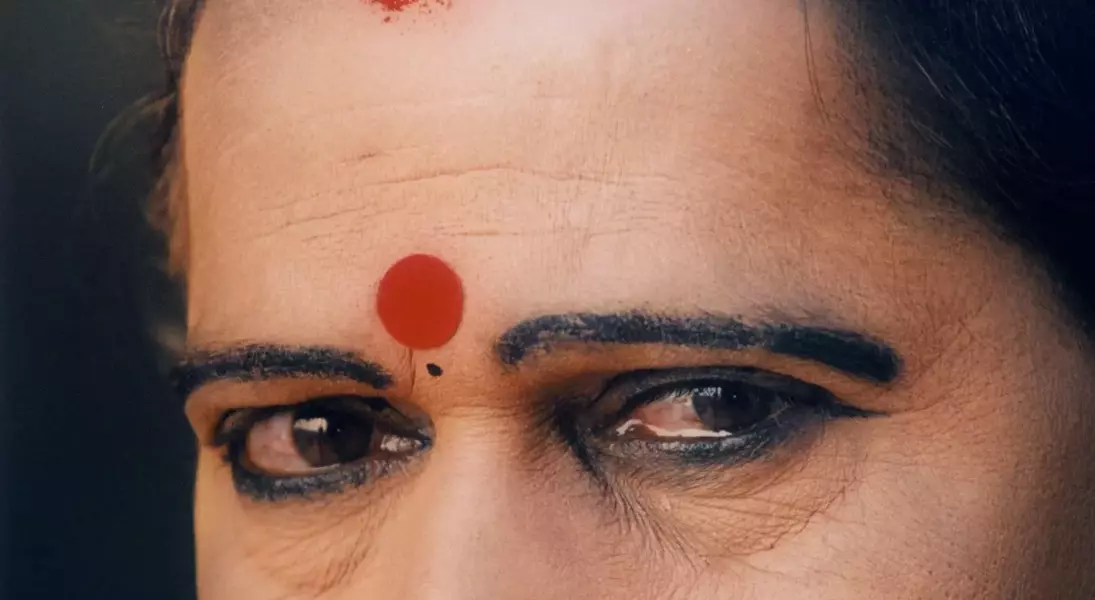
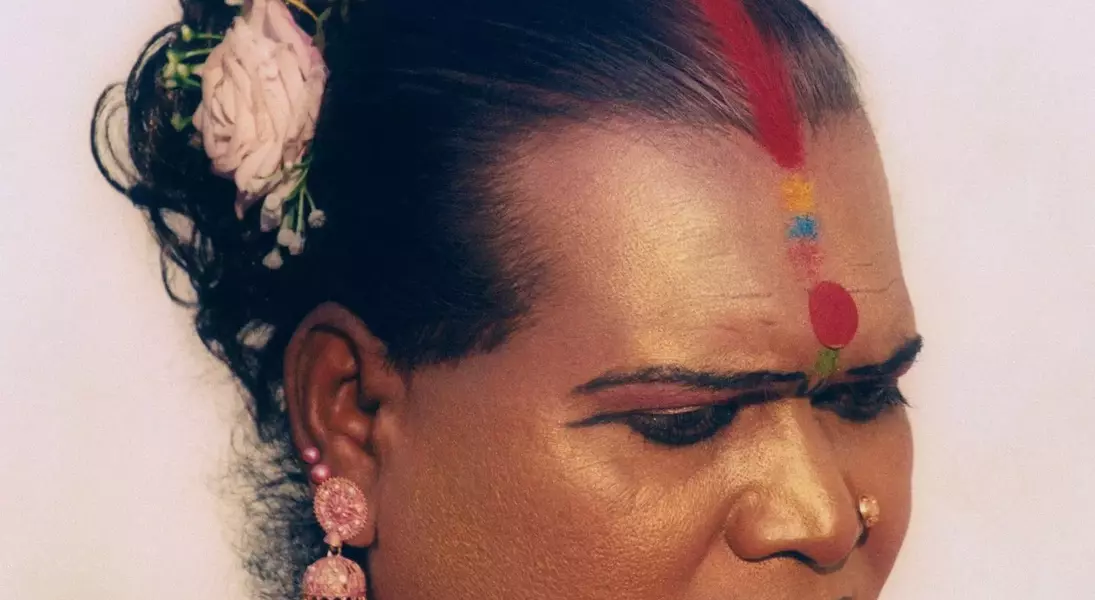
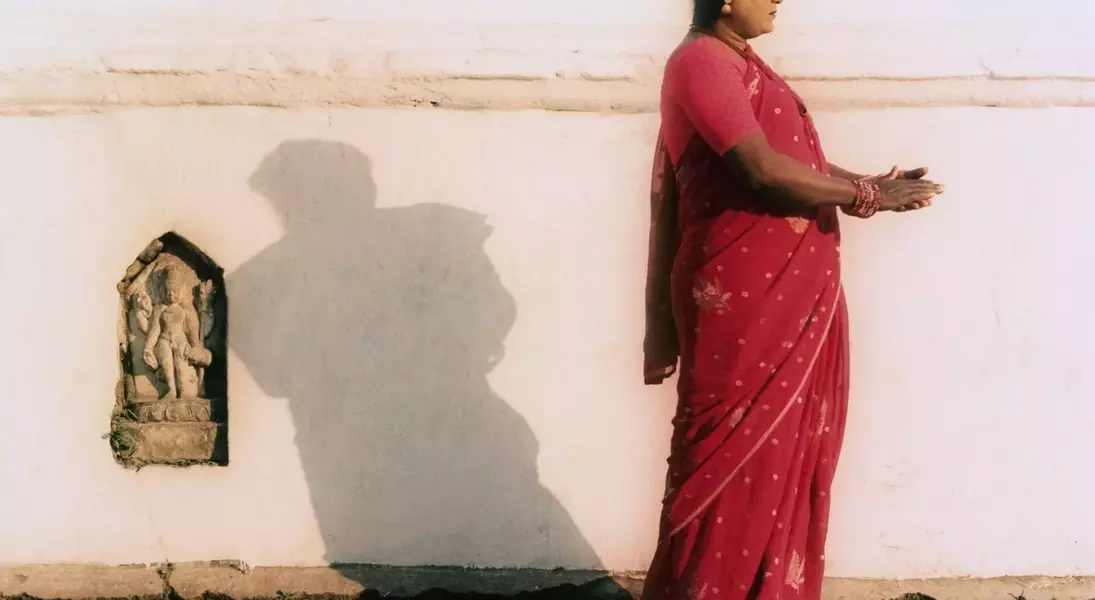
Each day, society makes a choice about what it acknowledges. It may sanctify the tika and sindoor, reverence for the feminine deities carved in stone, but it often overlooks the living embodiments of these very principles. This societal disconnect is portrayed as a betrayal of tradition, a preference for abstract devotion over tangible acceptance. The narrative suggests that it is easier for society to contemplate global crises than to genuinely recognize and embrace individuals like Sunita and Gita. It challenges patriarchal norms that have narrowed the collective imagination, arguing that the universe, in its Vedic understanding, is fundamentally feminine (Shakti). Those who embody both masculine and feminine principles are not deviations but profound expressions of this cosmology, continuing the legacy of goddesses who were, first and foremost, women in flesh, seeking only the recognition that has always been afforded to stone.
