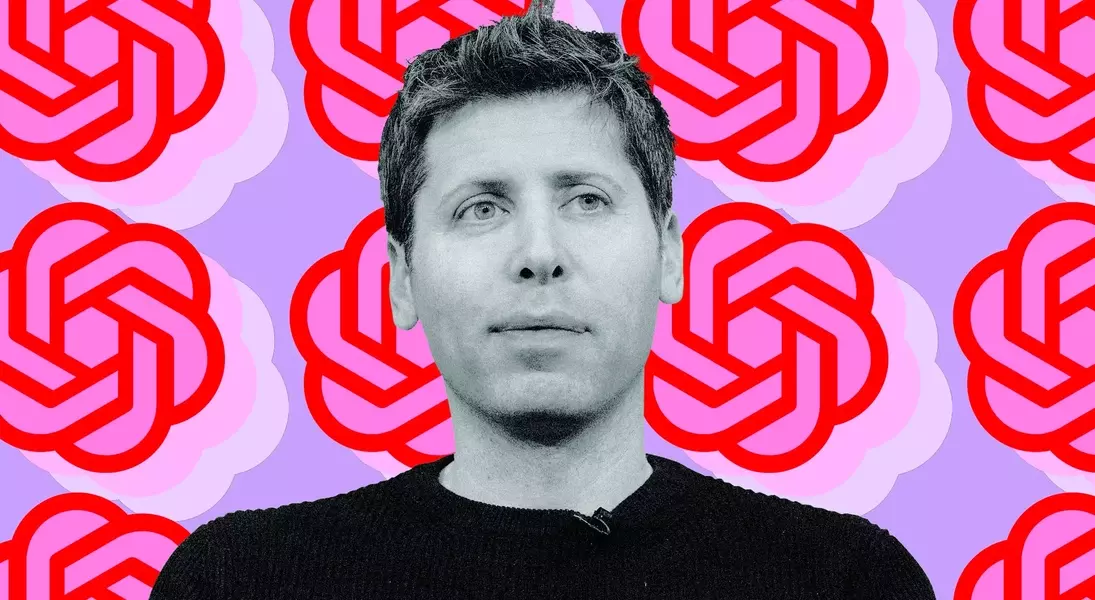
In an age where artificial intelligence increasingly influences our visual landscape, the boundaries between genuine and synthetic imagery are becoming indistinct. A recent interview highlighted a contentious viewpoint from Sam Altman, suggesting that human understanding of authenticity in images is fluid and will adapt to the prevalence of AI-generated content. He draws parallels between the subtle processing in modern smartphone cameras and the more overt fabrication of AI, prompting a critical examination of what we deem 'real' in the digital realm. This discussion delves into the nuances of image creation, from minor algorithmic enhancements to complete artificial synthesis, and explores the potential impact on public perception and trust.
Sam Altman's controversial remarks, stemming from an interview with journalist Cleo Abram, suggest that the human perception of reality, particularly concerning digital images, is continuously shifting. Altman used the example of smartphone camera processing, arguing that even a photograph taken with an iPhone undergoes significant manipulation from the moment light hits the sensor to the final image displayed. He posits that this extensive computational photography, which optimizes various elements like contrast, sharpness, and even facial features, leads to an 'optimized version of reality' that users readily accept as genuine. This, he argues, sets a precedent for how society might eventually accept AI-generated content as equally 'real' or 'real enough.'
A prime illustration of this dilemma is the viral video featuring AI-generated bunnies playfully jumping on a trampoline. This seemingly innocent clip quickly gained traction due to its wholesome and humorous nature, yet many viewers were unaware of its entirely artificial origin. The incident underscores the growing challenge of discerning authentic content from sophisticated AI fabrications. While smartphone camera processing enhances existing visual data, AI-generated content creates entirely new scenes from scratch. This fundamental difference is often overlooked by the general public, leading to a potentially precarious situation where trust in visual media could erode as AI's capabilities advance.
The current state of digital imaging, with its intricate post-processing algorithms, already presents a complex scenario. While cameras don't typically invent details, their enhancements can alter the perception of a scene. The debate extends beyond mere technicalities; it touches upon the very essence of human perception and trust. If social media platforms become saturated with convincing but fake content, the intrinsic value and enjoyment derived from shared experiences could diminish. The allure of the 'cute bunny' video, for instance, heavily relies on the belief that it depicts a genuine event. Remove that authenticity, and the appeal significantly wanes. This suggests that, despite Altman's theory, the public may continue to value authenticity and react negatively to pervasive artificiality, potentially leading to a shift in how we engage with digital platforms.
The ongoing evolution of image creation tools necessitates a deeper conversation about digital literacy and the responsibility of content creators. As AI technology becomes more sophisticated, its ability to mimic reality will improve, making it increasingly difficult for the average person to differentiate between what is observed and what is fabricated. This evolving landscape highlights the importance of critical thinking and the continuous re-evaluation of our understanding of 'reality' in a technologically advanced world. The public's long-term response to an influx of AI-generated visuals, particularly those masquerading as genuine, remains to be seen, but it is clear that simply dismissing the distinction between enhanced and entirely artificial content may lead to unintended consequences for digital consumption and social interaction.
