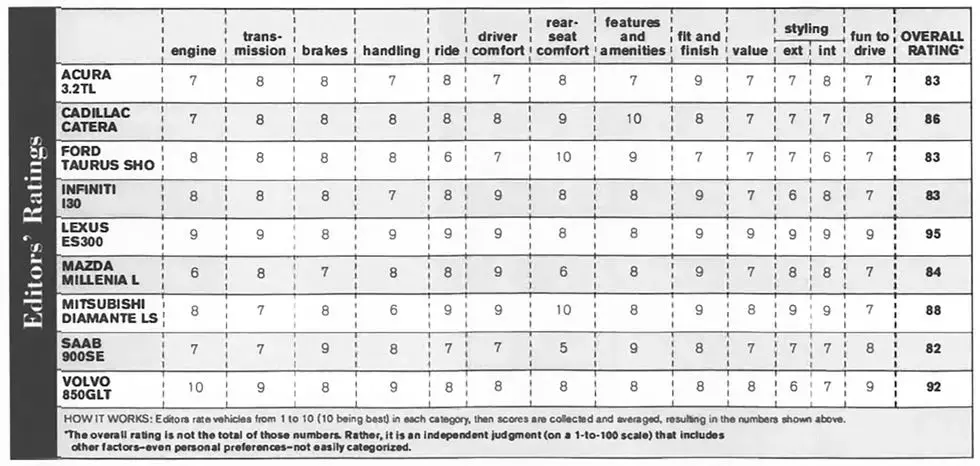







In a dynamic comparison from February 1997, nine prominent "near-luxury" sedans underwent rigorous scrutiny to identify the ideal choice for a flourishing professional. These vehicles, all positioned below the luxury tax ceiling of $34,000, were evaluated for their ability to project success and accommodate executive needs, such as chauffeuring colleagues or family. The comprehensive assessment aimed to pinpoint the car that offered the perfect blend of performance, comfort, and prestige, without ostentation, serving as a fitting symbol for the upwardly mobile.
Luxury Showdown in Hocking Hills: The 1997 Executive Sedan Ranking
The intense comparison test of nine executive sedans from the February 1997 issue of Car and Driver unfolded in the picturesque Hocking Hills of southeast Ohio. Automotive experts rigorously evaluated a diverse lineup including models from Saab, Acura, Ford, Infiniti, Mazda, Cadillac, Mitsubishi, Volvo, and Lexus. The selection process initially narrowed down 17 contenders to these nine, excluding those with four-cylinder engines or subcompact dimensions like the BMW 3-series, Mercedes C-class, and Audi A4, to ensure suitability for corporate transport. The remaining vehicles, primarily featuring V-6 engines (with one V-8 and one turbocharged five-cylinder), all utilized four-speed automatic transmissions, with Infiniti being the sole exception offering a manual option.
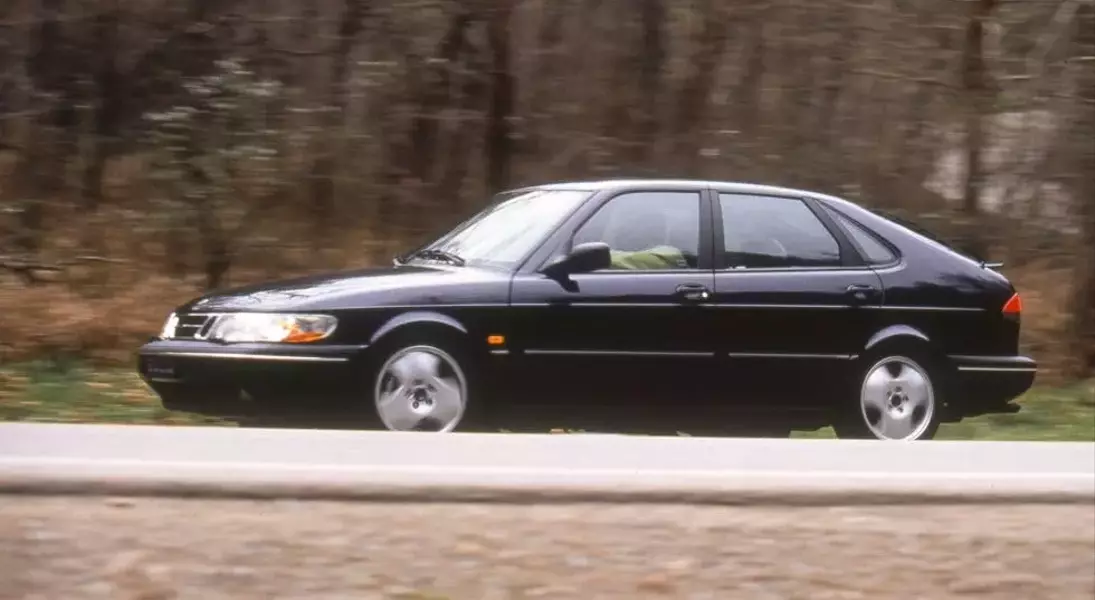
Ninth Place: Saab 900SE
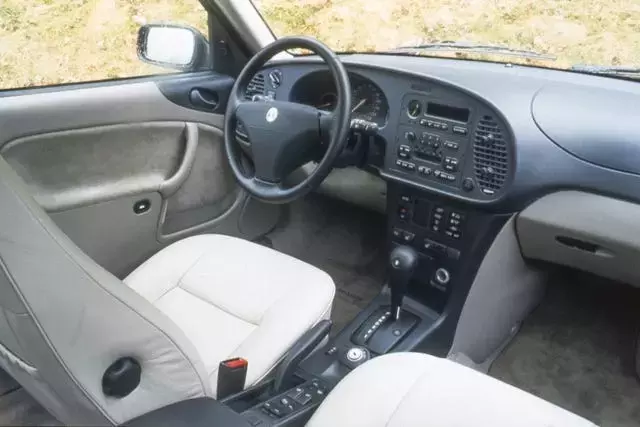
The Saab 900SE, with its distinctive styling and unconventional features like a floor-mounted ignition, appealed to those seeking individuality. While praised for its versatile hatchback design, excellent brakes (achieving 168 feet from 70 mph), and strong grip (0.81 g, tied for best), its 2.5-liter V-6 engine lacked low-end power. The interior was criticized for its plastic appearance and high noise levels, and the rear seats offered limited thigh support. Despite creature comforts like heated memory seats and a trip computer, its coarse ride and unrefined nature ultimately placed it last.
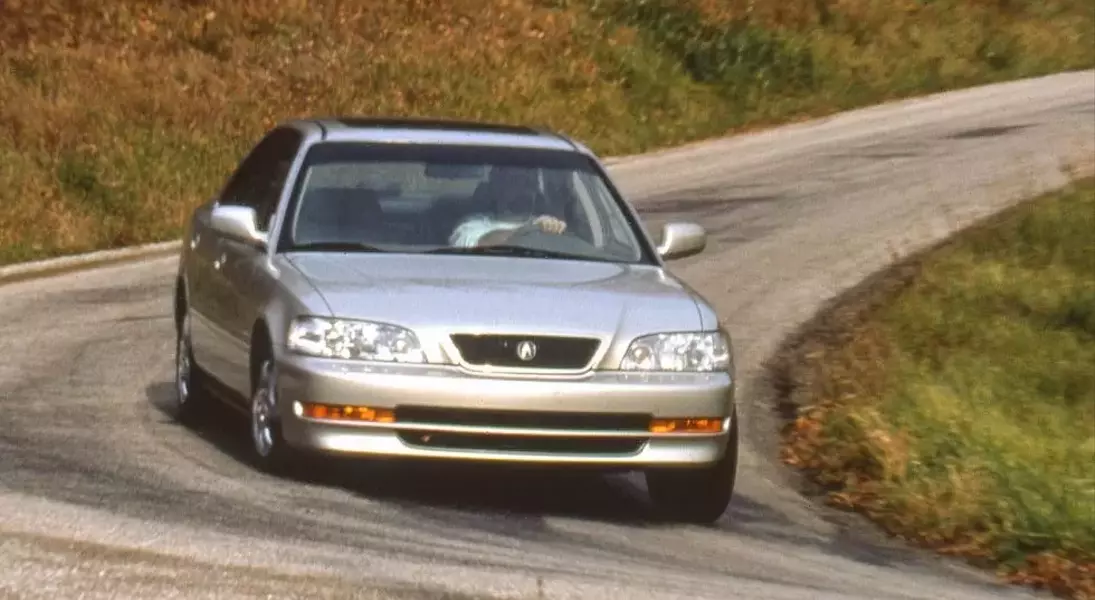
Sixth Place (Tie): Acura 3.2TL
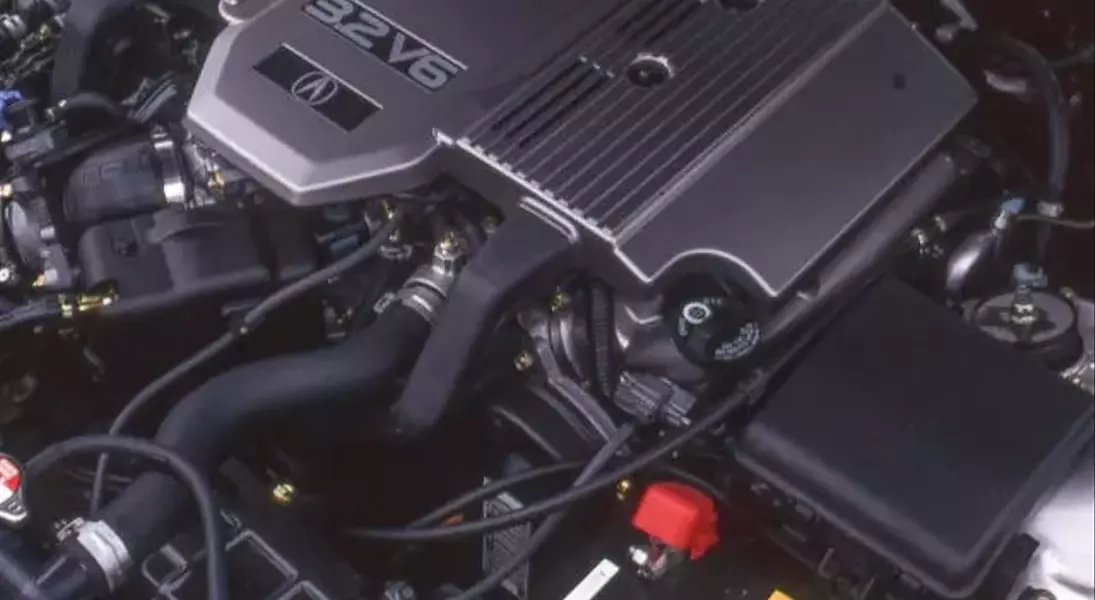
The Acura 3.2TL embodied conservative corporate appeal, offering a handsome, understated exterior and a well-appointed, though unexciting, interior. Its strengths lay in highway cruising, with smooth ride quality, low cowl visibility, and high build quality. However, its 3.2-liter V-6 engine was deemed coarse, and the transmission occasionally shifted abruptly. Driving dynamics were hindered by numb steering and limited tire grip (0.76 g), resulting in a less engaging experience. The rear-seat comfort was compromised, and engine noise was notable for its class.
Sixth Place (Tie): Ford Taurus SHO
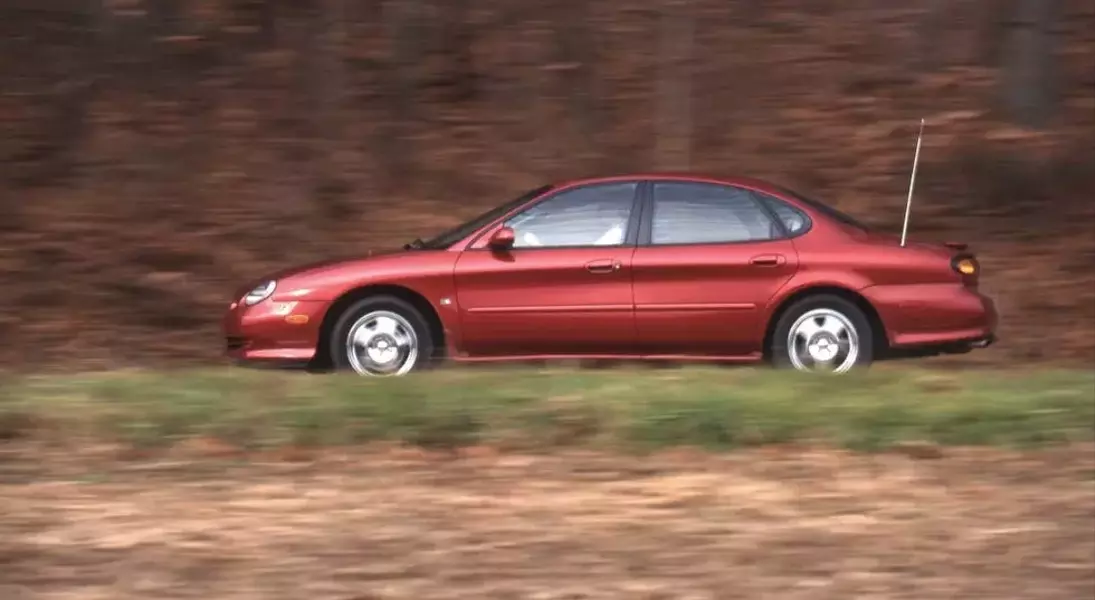
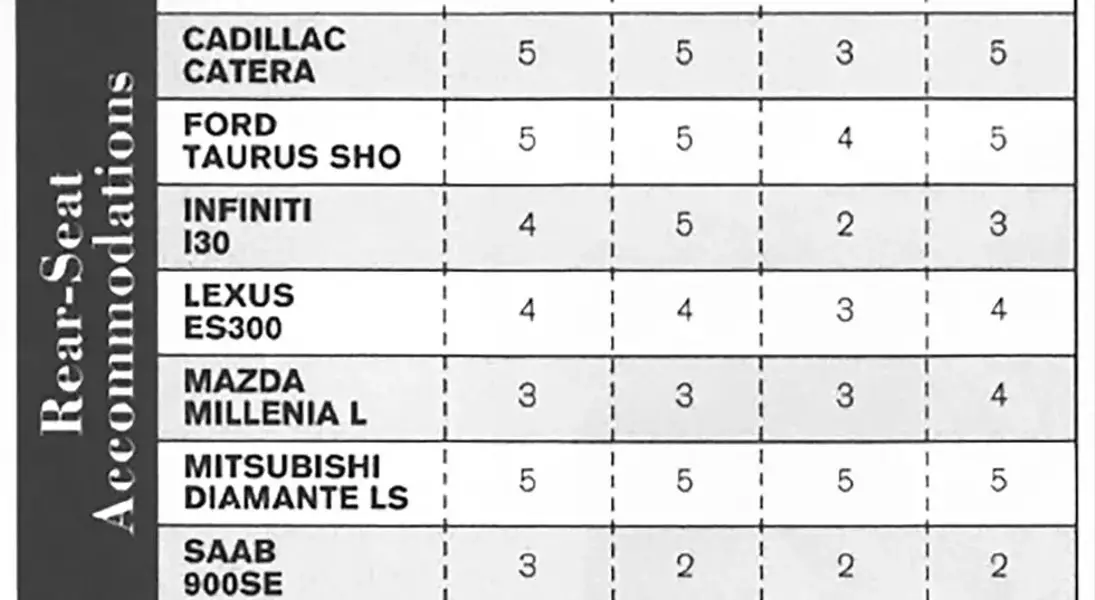
The Ford Taurus SHO stood out with its robust V-8 engine, the only one in the group, making it the most powerful. Despite its size (the longest and widest car tested), its chassis and interior design fell short of luxury expectations. The interior, with its monochrome plastic trim, felt inexpensive, and the ride was harsh, leading to interior squeaks. While offering decent grip (0.80 g), its bulk made it less agile on winding roads. Fuel economy was the lowest of the group at 18 mpg. Priced at $30,585, it offered value but lacked the refinement of its peers.
Sixth Place (Tie): Infiniti I30
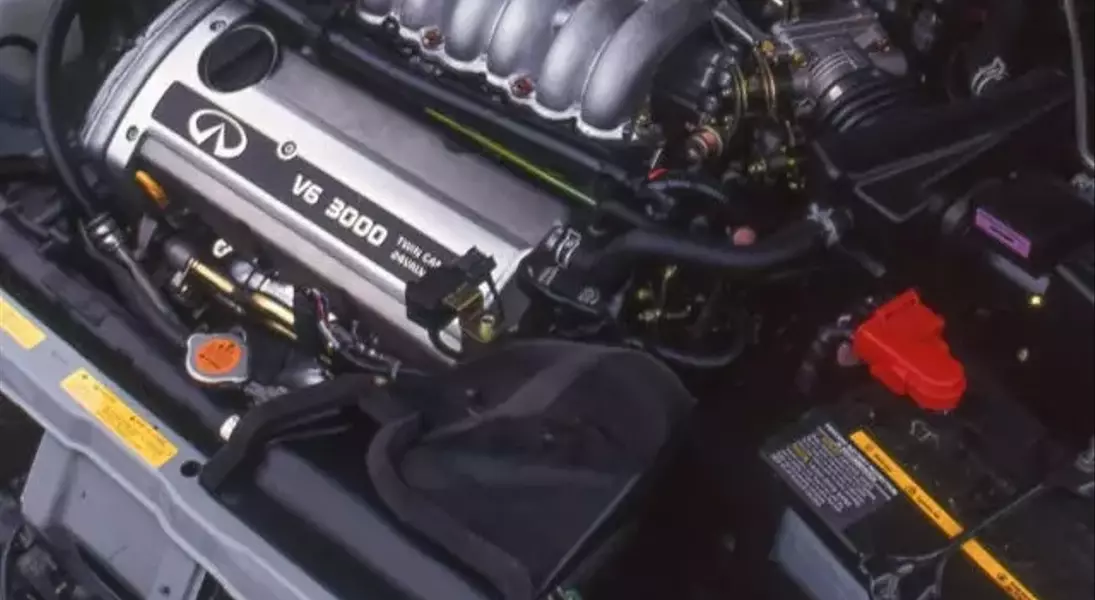
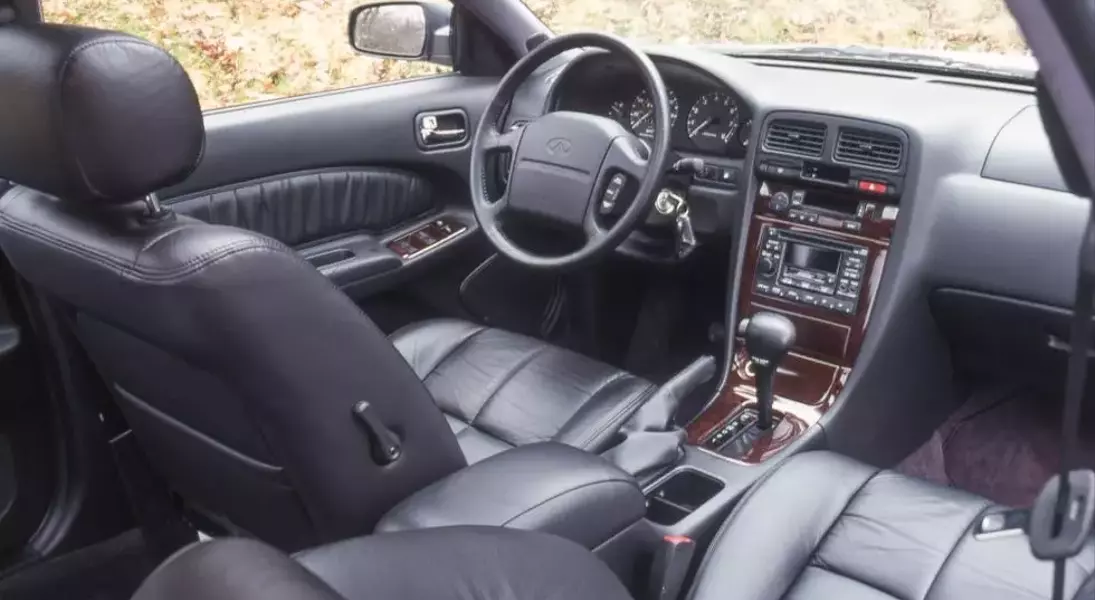
The Infiniti I30, essentially an upscale Nissan Maxima, offered a comfortable ride and respectable interior upgrades, including gathered leather and faux-wood trim. Its 3.0-liter V-6 provided average acceleration and above-average fuel economy. However, its exterior styling was seen as overly embellished, and the softened suspension, while smoothing out minor bumps, suffered from excessive pitch, dive, and roll on challenging roads, diminishing its handling capabilities. A Touring package with sport suspension was not available for testing.
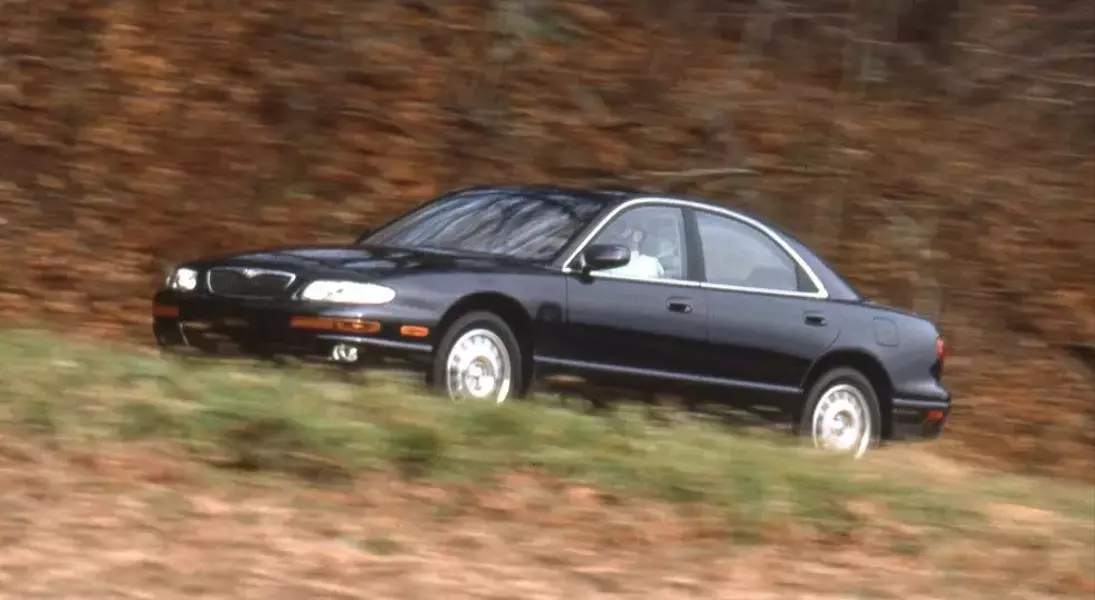
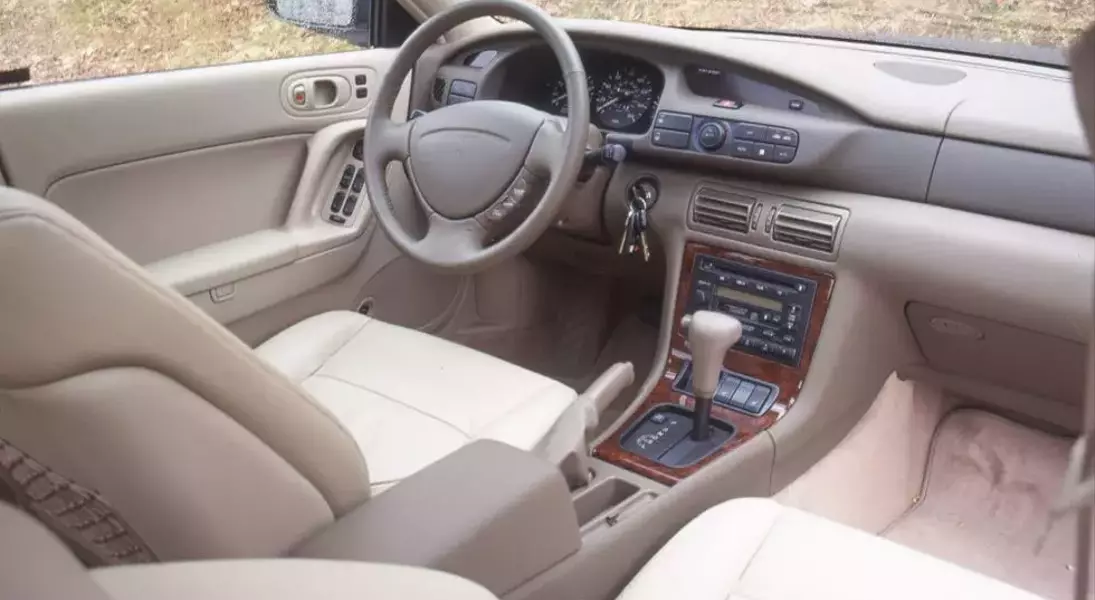
Fifth Place: Mazda Millenia
The Mazda Millenia exuded an "old money" sophistication with world-class build quality and a graceful design. Its interior featured meticulous attention to detail and high-quality materials, along with amenities like traction control, heated seats, and an infinitely adjustable steering wheel. Handling was expertly balanced, with excellent road feel and top-tier grip (0.81 g). However, its 170-horsepower 2.5-liter engine was significantly underpowered for the class, leading to slow acceleration (9.2 seconds to 60 mph) and hindering its overall performance despite its refined chassis.
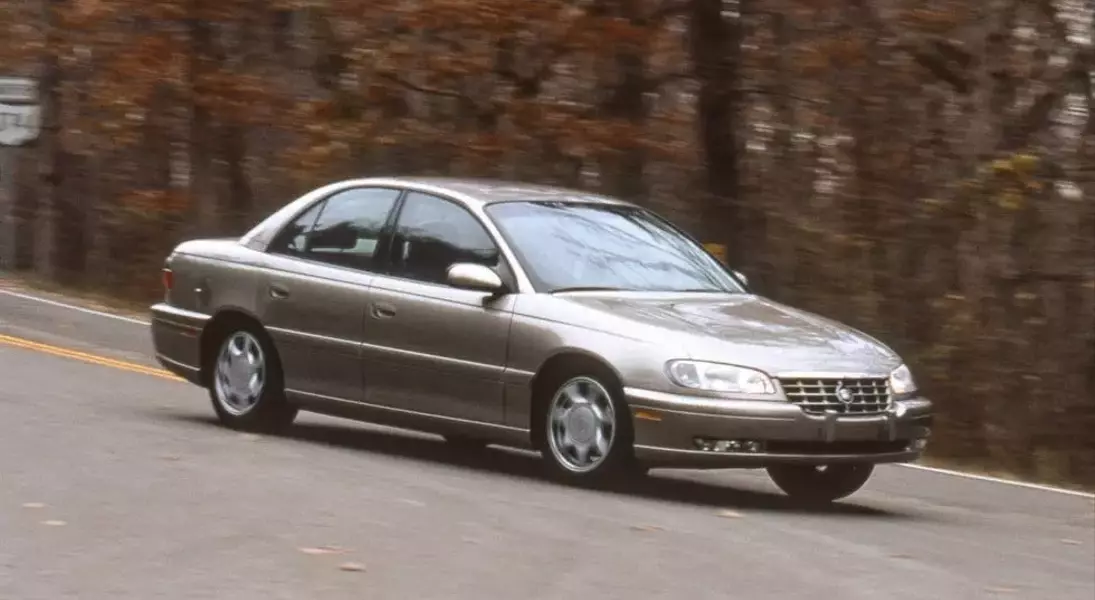
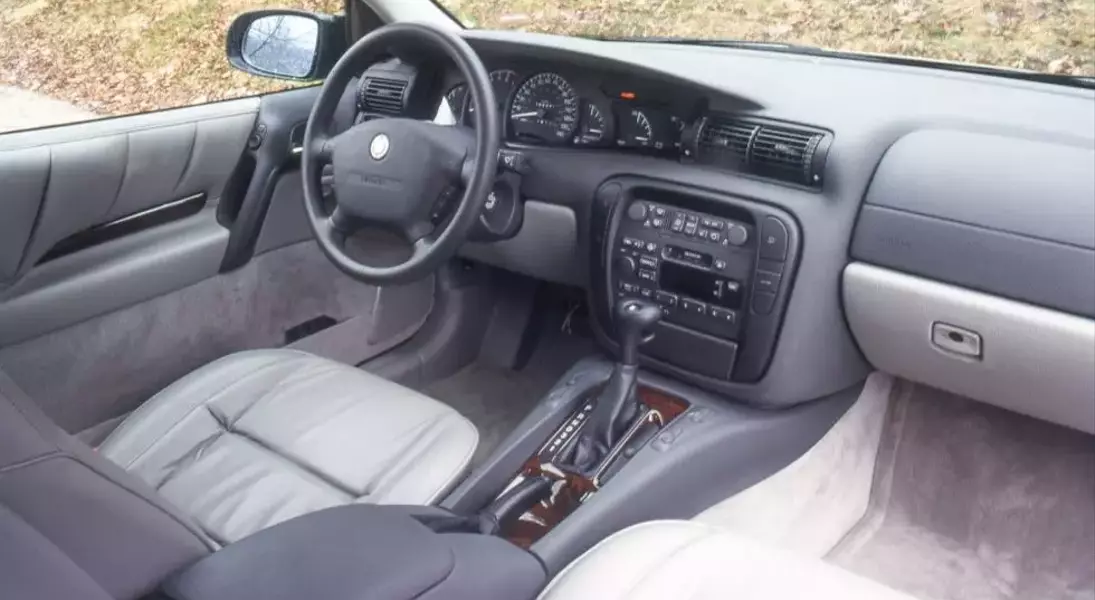
Fourth Place: Cadillac Catera
The Cadillac Catera, a German-engineered vehicle with an American facade, impressed with its secure, stable, and well-weighted steering, firm brakes, and neutral handling, courtesy of its rear-wheel-drive platform and rigid Teutonic body. Despite being the heaviest car at 3794 pounds, its superb chassis control instilled confidence. The variable-resonance 3.0-liter V-6 delivered ample torque. Interior criticisms included cluttered European switchgear and an oversized cigarette lighter socket, but it offered extensive features such as dual-zone climate control and steering-wheel radio controls at a base price of $33,635.
Third Place: Mitsubishi Diamante LS
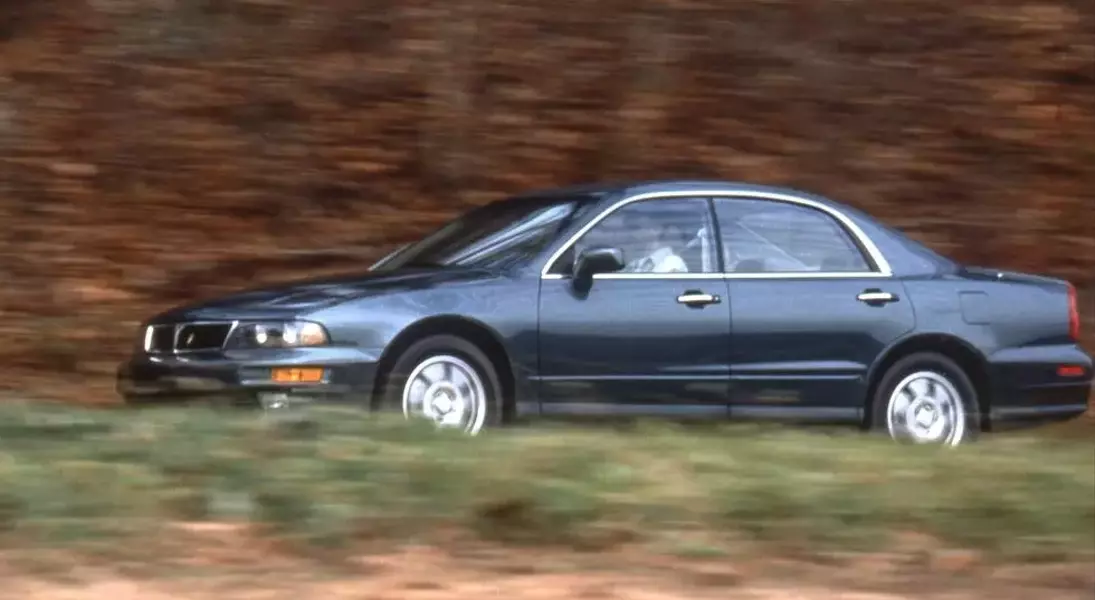
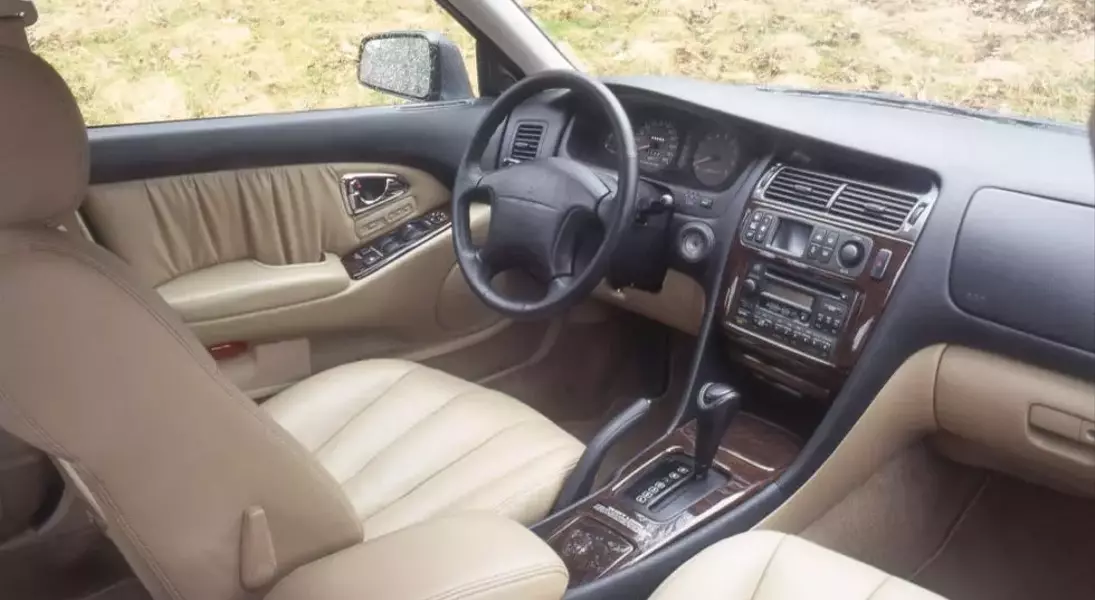
The Mitsubishi Diamante LS, a multinational creation, boasted the largest interior and most comfortable rear seats, along with the biggest-displacement engine and highest torque output in the comparison. Its rich butterscotch and mocha interior, though featuring some fake wood, offered exceptional comfort, particularly in the seating. The ride-tuned suspension excelled at smothering road imperfections, ensuring a quiet cabin. However, its handling suffered on twisty roads due to pronounced understeer, leading to a disconnected feel between steering and suspension. Overall, it was an excellent long-haul cruiser but lacked sporting prowess.
Second Place: Volvo 850GLT
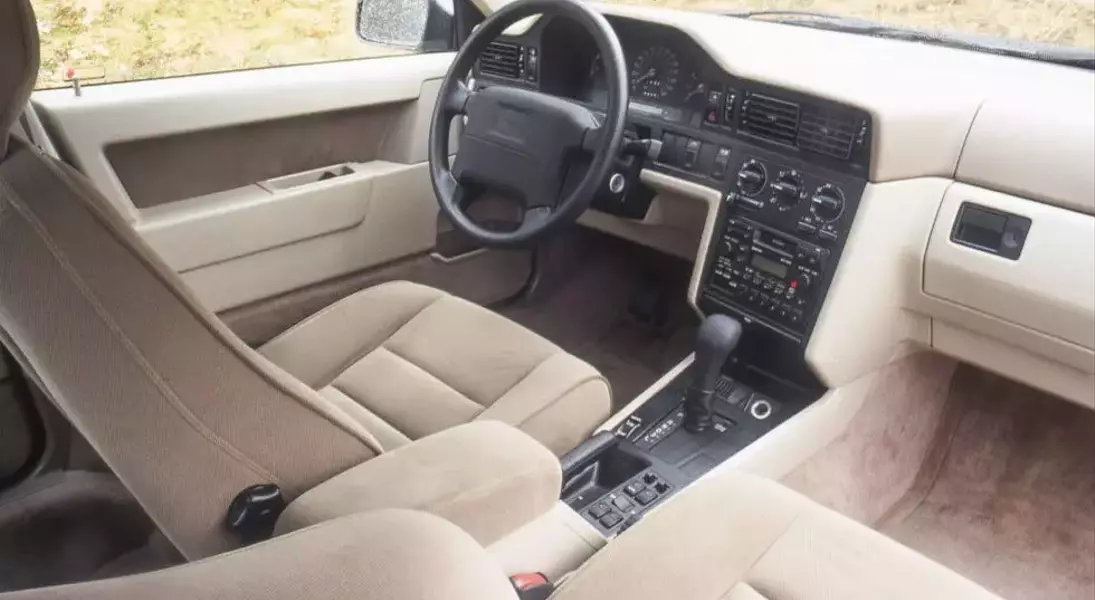
The Volvo 850GLT, transformed by its new light-pressure turbocharger, emerged as a performance leader. Its tiny turbo delivered maximum torque at a low 1800 rpm, enabling class-topping acceleration (0 to 60 mph in 7.0 seconds). The car handled twisty roads with agility, maintaining stoic silence up to its 0.79-g grip limit, with linear steering and communicative brakes. Ride quality remained high, absorbing bumps with minimal fuss. While the interior, though comfortable and safe with side airbags and folding seats, was not as luxurious as some competitors, it offered practical features. Priced at $32,330, its only major drawbacks were its boxy "cubist" styling and past reliability concerns with other 850 models.
First Place: Lexus ES300
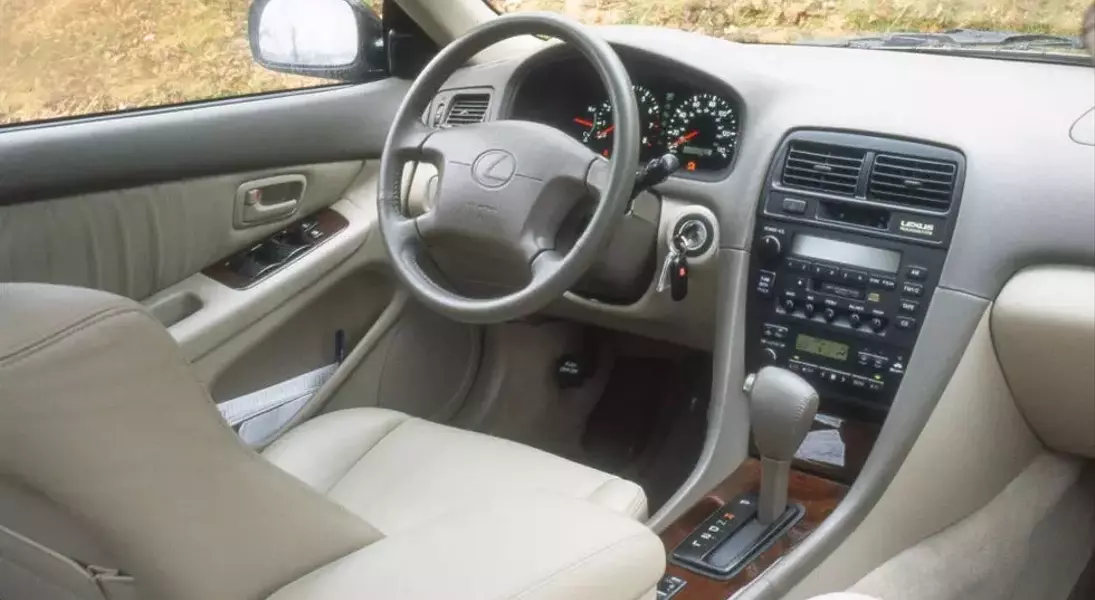
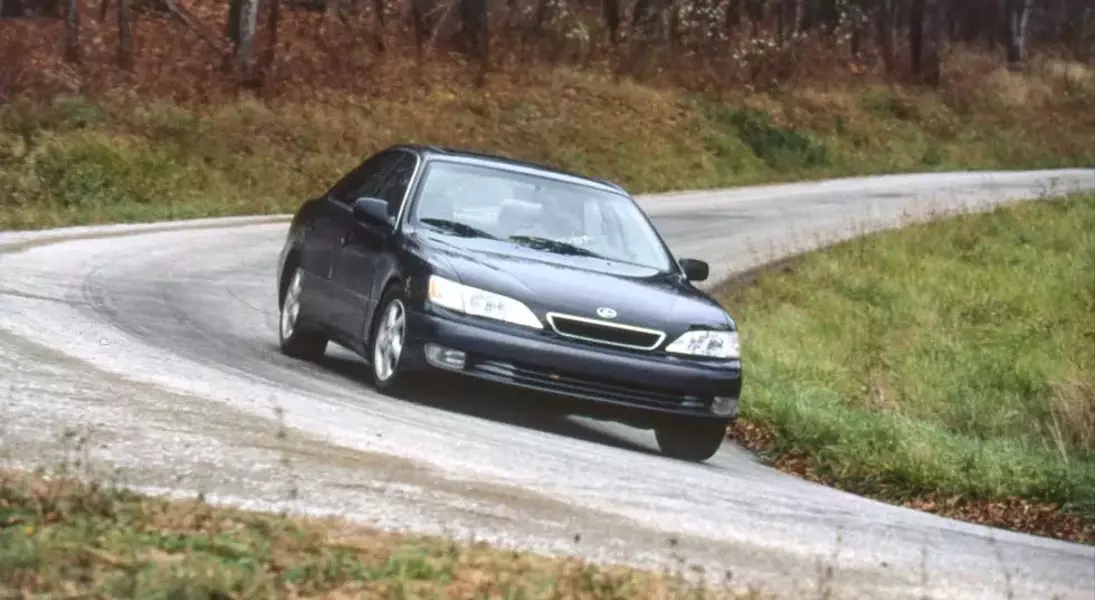
The Lexus ES300, affectionately dubbed the "golden-boy" of the office, dominated the comparison, winning top marks in eight out of thirteen categories. Its elegant design, featuring a wind-sculpted exterior and a genuine wood and leather-trimmed interior, exuded an expensive feel. Despite lacking some features like traction control and heated seats at its $33,822 test price, its comprehensive competence and exceptional value were undeniable. The 200-horsepower 3.0-liter V-6 and four-speed automatic transmission set the benchmark for smoothness and delivered strong acceleration, comparable to the V-8-powered SHO. The new cockpit-adjustable suspension allowed it to excel in both ride comfort and handling, with a 4-mph lead over the Volvo in the emergency lane change test, despite having the least grippy tires. A two-inch wheelbase stretch improved rear-seat comfort, though the sunroof slightly compromised headroom. The ES300's overall excellence made it the undisputed winner, sending a clear message of sophisticated competence.
This comprehensive comparison test not only offered a snapshot of the "near-luxury" segment in 1997 but also provided aspiring executives with valuable insights. The results underscore that the ideal executive car is a nuanced choice, balancing performance, comfort, and image. The Lexus ES300's victory highlights the importance of comprehensive excellence, where a harmonious blend of attributes outweighs individual strengths. For today's car buyers, this historical review emphasizes that while power and style are important, a car's ability to seamlessly integrate into one's lifestyle, reflecting both ambition and practicality, remains paramount. It encourages a thoughtful consideration beyond mere specifications, focusing on how a vehicle truly serves its owner's aspirations and daily needs.