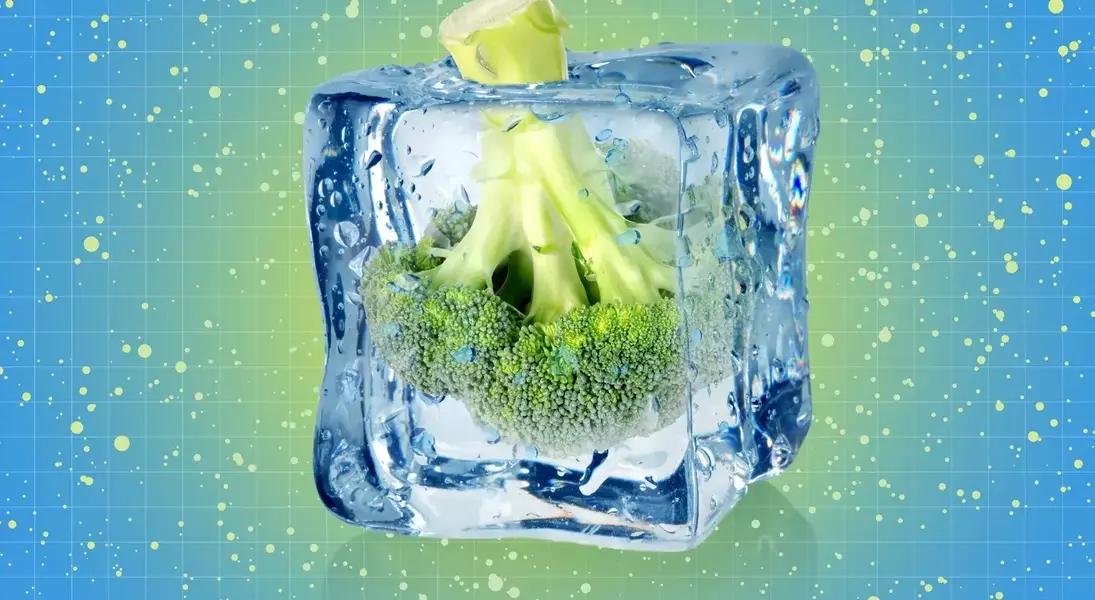
Frozen vegetables offer a convenient and cost-effective solution for everyday meals, packed with essential nutrients. While often perceived as less appealing than their fresh counterparts, with the right culinary approach, these staples can be transformed into incredibly flavorful and satisfying dishes. The secret lies in understanding how to mitigate their inherent moisture and enhance their taste through strategic cooking and seasoning methods.
Achieving culinary excellence with frozen vegetables involves two primary strategies: optimizing cooking temperature to manage moisture and applying robust flavor enhancements. By moving away from traditional gentle cooking methods, and instead embracing higher heats and imaginative seasoning, home cooks can unlock the full potential of frozen produce, turning humble ingredients into vibrant and appealing meal components that rival fresh preparations.
Mastering the Art of Cooking Frozen Vegetables
Many people find frozen vegetables to be soggy or unappetizing, a common issue stemming from incorrect cooking methods. Since most frozen vegetables undergo a blanching process before freezing, they are already partially cooked. This pre-treatment means they require significantly less cooking time than fresh produce. Overcooking, particularly through prolonged boiling or steaming, breaks down their cell structure further, leading to an undesirable mushy texture and loss of flavor. The key is to treat them not as raw ingredients that need thorough cooking, but rather as items needing a quick refresh to bring them to their ideal texture and warmth.
To prevent frozen vegetables from becoming waterlogged and bland, it's crucial to adjust cooking times and methods. Instead of rigidly following package instructions, which often suggest lengthy cooking periods, rely on sensory cues. Vegetables like peas or green beans might only need a minute or two in simmering water until they are tender-crisp. For heartier vegetables like broccoli or cauliflower, faster cooking methods are preferable. The goal is to cook them just until they are heated through and retain a pleasant bite, ensuring they don't lose their structural integrity or flavor to excessive moisture. This approach preserves their natural texture and prevents them from becoming soft and unappealing.
Boosting Flavor with High Heat and Bold Seasonings
Frozen vegetables contain more moisture than fresh ones due to cellular changes during freezing, which can result in a steamy, rather than seared, outcome when cooked at low temperatures. To counteract this, it's generally best to cook them using high heat. This method rapidly evaporates excess water, allowing the vegetables to brown and develop richer flavors and a more appealing texture. Techniques like stir-frying in a hot pan, roasting at elevated oven temperatures, or air frying are particularly effective for achieving this desirable outcome, transforming the vegetables from limp to lively.
Beyond cooking temperature, generous and creative seasoning is vital to enhance the taste of frozen vegetables. Since they can sometimes lack the vibrant flavor of fresh, in-season produce, incorporating bold ingredients is key. Think about using lemon zest and juice, robust mustards like Dijon, aromatic fresh herbs, a hint of spice from crushed red pepper or chili crisp, or the savory depth of grated Parmesan cheese. These elements add layers of complementary flavors that elevate the vegetables beyond a simple side dish. Additionally, when stir-frying, consider adding salt only after the vegetables have cooked sufficiently to avoid drawing out too much moisture prematurely, ensuring a crispier and more flavorful result.
