This piece delves into a contemporary take on the timeless pineapple upside-down cake, showcasing how thoughtful ingredient choices and culinary adjustments can transform a familiar treat into an extraordinary dessert.
Reinventing a Retro Favorite: The Ultimate Pineapple Upside-Down Cake
The Allure of the Upgraded Pineapple Upside-Down Cake
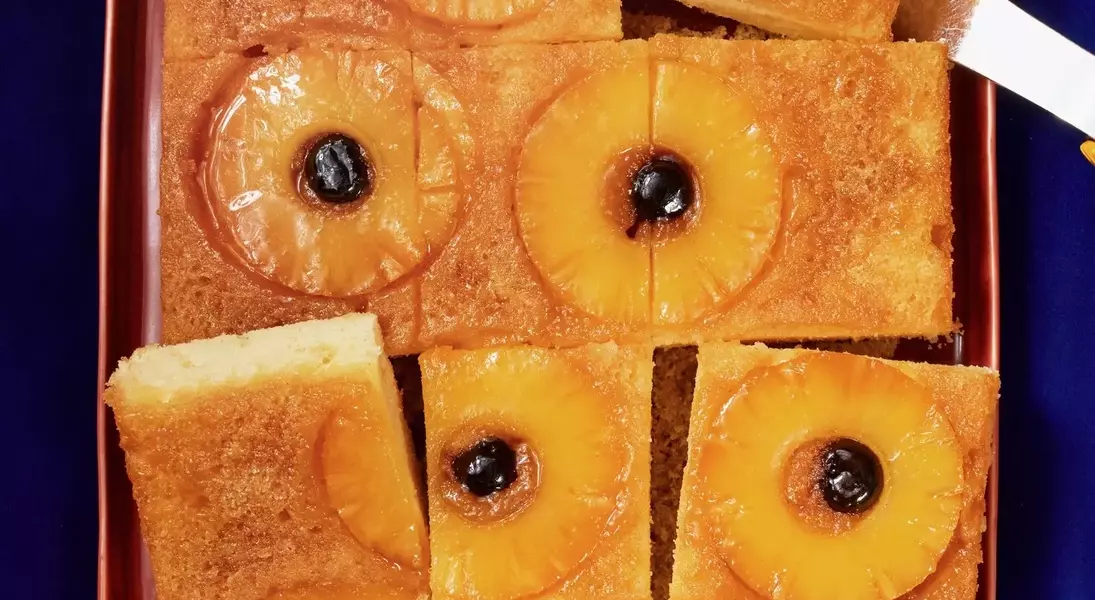
This rendition of pineapple upside-down cake captivates with its rich, buttery caramel, lusciously glazed fruit, and an exquisitely tender cake texture. It represents a significant enhancement over the traditional recipe, integrating thoughtful modifications for a superior outcome.
Elevating Flavor with Premium Ingredients
Cookbook author Cheryl Day introduces a sophisticated touch by replacing conventional bright red maraschino cherries with the more intensely flavored Luxardo cherries. This substitution contributes a deeper, almost wine-like sweetness that beautifully complements the pineapple's vibrant tartness. Furthermore, the recipe cleverly utilizes canned pineapple rings in 100% juice for their consistent shape, reliable moisture, and aesthetically pleasing appearance, eliminating the need for preparing fresh fruit.
The Grand Reveal: A Symphony of Caramelized Fruit
The true magic of this dessert unfolds when the cake is inverted. The brown sugar and butter topping transforms into a glistening mosaic of caramelized fruit, which then coats the cake as it cools. The result is a dessert that is both delightfully nostalgic and subtly dramatic, offering profound satisfaction without requiring a special occasion.
Optimizing Pineapple Flavor: Fresh vs. Canned
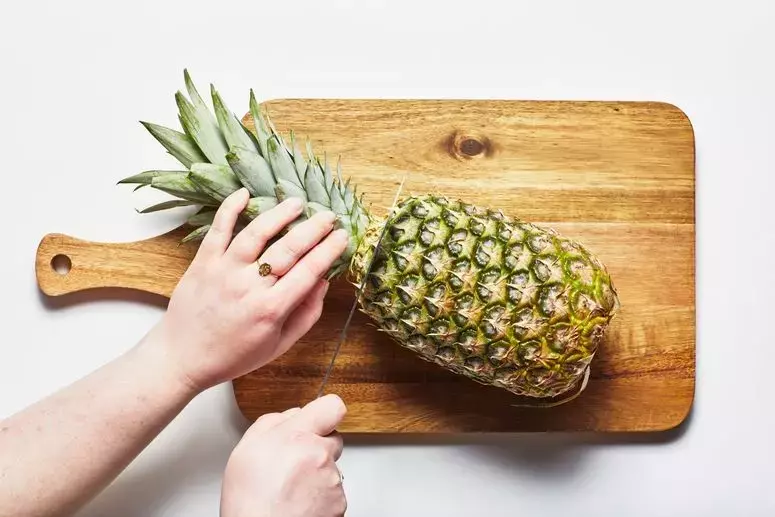
While canned pineapple rings are recommended for their convenience and consistent quality, fresh pineapple can be used if you're prepared for additional steps. This includes slicing it uniformly, removing the core, and blotting excess moisture. To intensify the pineapple essence in the cake, a quarter cup of reserved pineapple juice can be brushed over the warm cake before inverting. This technique allows the juice to infuse the crumb, boosting flavor without compromising the cake's structure.
Exploring Different Baking Vessels
A standard 13x9-inch metal baking pan is ideal for consistent baking and easy release. For those desiring a more pronounced browning and a rustic aesthetic, a 12-inch cast-iron skillet with 2¼-inch sides can be used, though it may require a longer baking time due to cast iron's heat retention properties. Alternatively, the batter and topping can be divided between two 8-inch cake pans, adjusting baking time accordingly.
Managing Sweetness Levels
The cake's sweetness is naturally balanced by salt and sour cream. To further control sweetness, it's advisable to precisely measure ingredients, use canned pineapple packed in juice rather than syrup, or opt for fresh pineapple for a brighter flavor. The amount of sugar in the cake batter can also be slightly reduced by 2–3 tablespoons without significantly altering the texture.
Cherry Alternatives for Enhanced Taste
While Luxardo cherries are prized for their rich flavor, other excellent cocktail cherry options are available. Brands like St. Agrestis offer amaro-soaked cherries with a distinct bitterness, while Toschi and Amarena Fabbri provide syrupy, sweet cherries with a delightful tartness, offering a range of choices to suit different preferences.
The Importance of Cake Flour
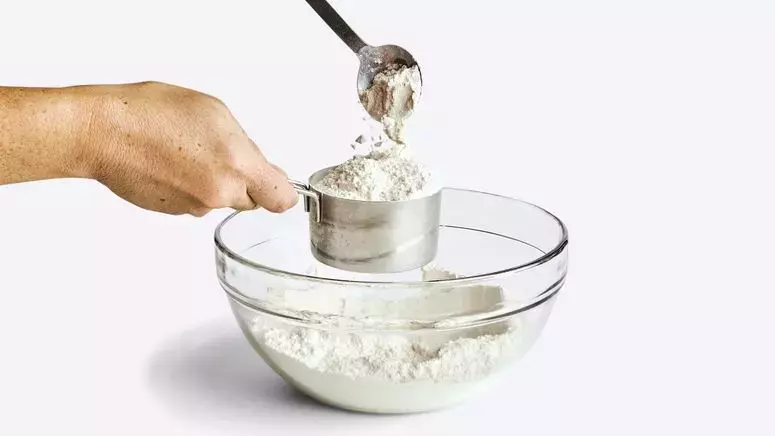
Cake flour is crucial for achieving a soft, delicate, melt-in-your-mouth crumb characteristic of professional bakery cakes. Using all-purpose flour will result in a denser cake with a more structured texture. A common substitute involves replacing a portion of all-purpose flour with cornstarch, but this may still yield a slightly different texture than pure cake flour.
