







Attending a white-tie wedding demands adherence to the pinnacle of formalwear traditions, a sartorial benchmark that has remained largely consistent since its emergence in the 19th century. This stringent dress code, surpassing even black-tie in formality, typically surfaces at prestigious events such as the Nobel Prize banquet or select royal gatherings. While not an everyday occurrence for most wedding attendees, receiving an invitation specifying white-tie should not incite panic. The guidelines are precise, yet straightforward.
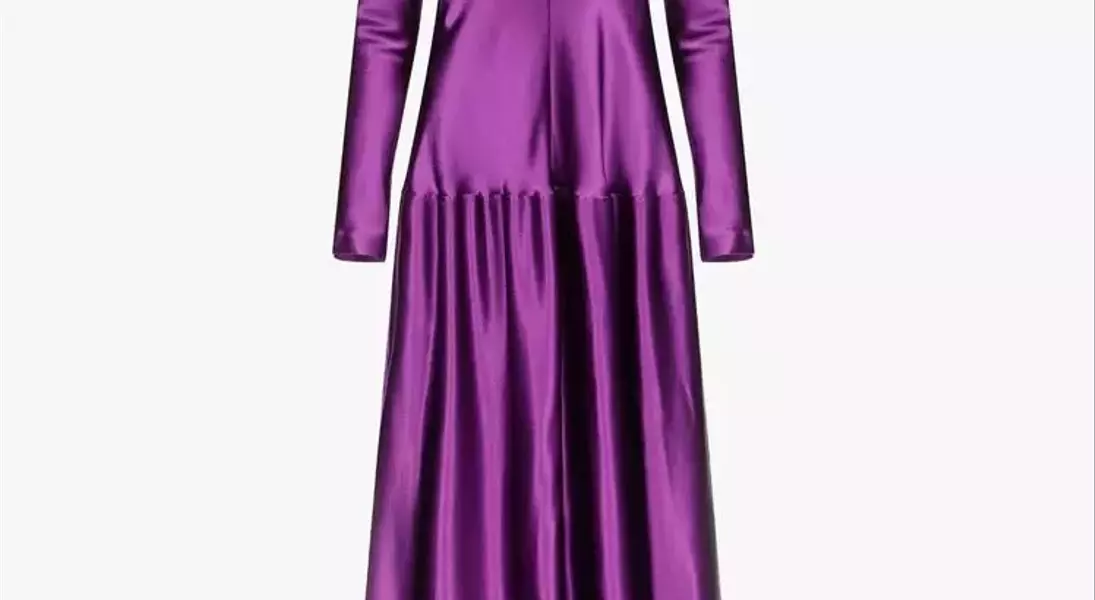
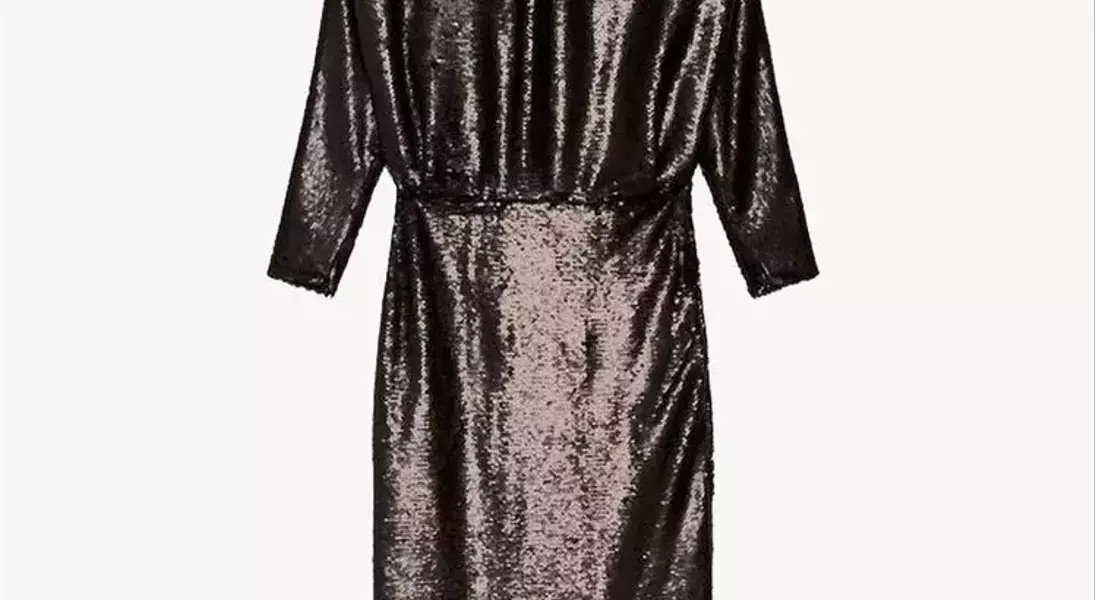
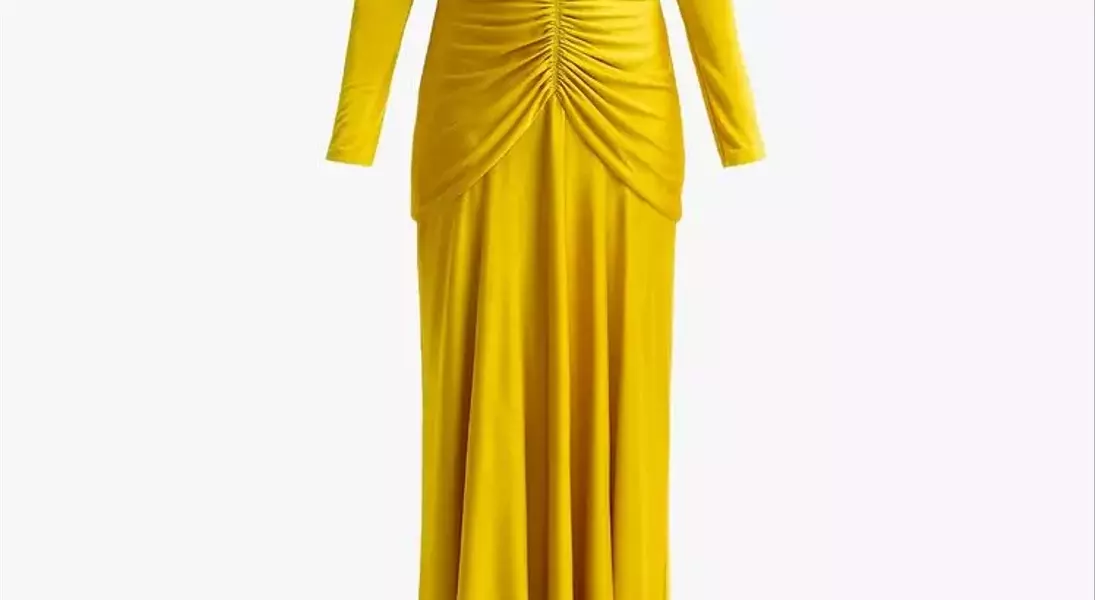
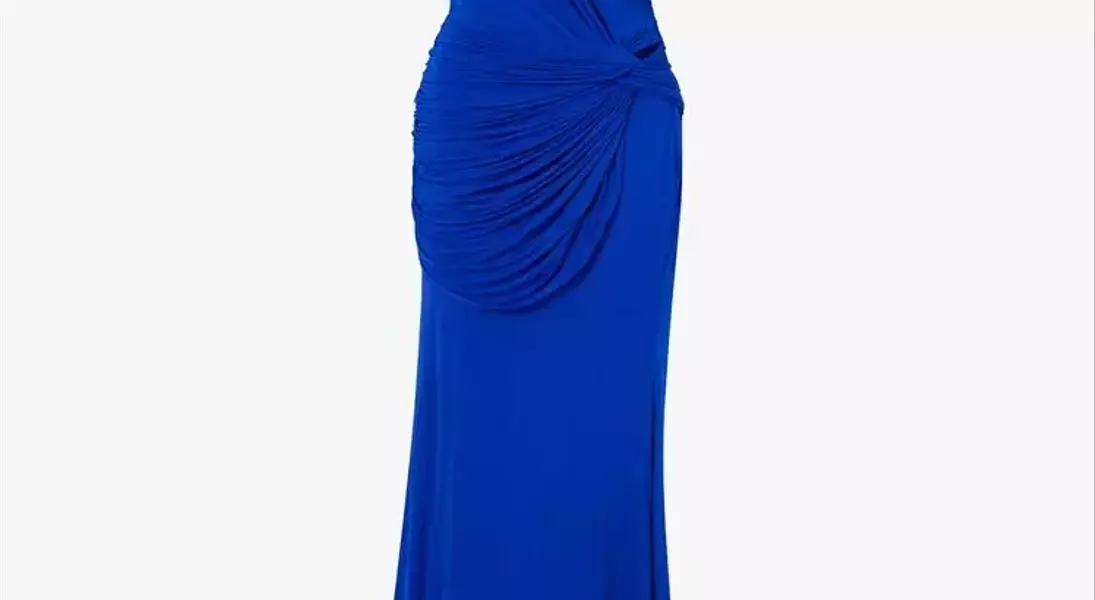
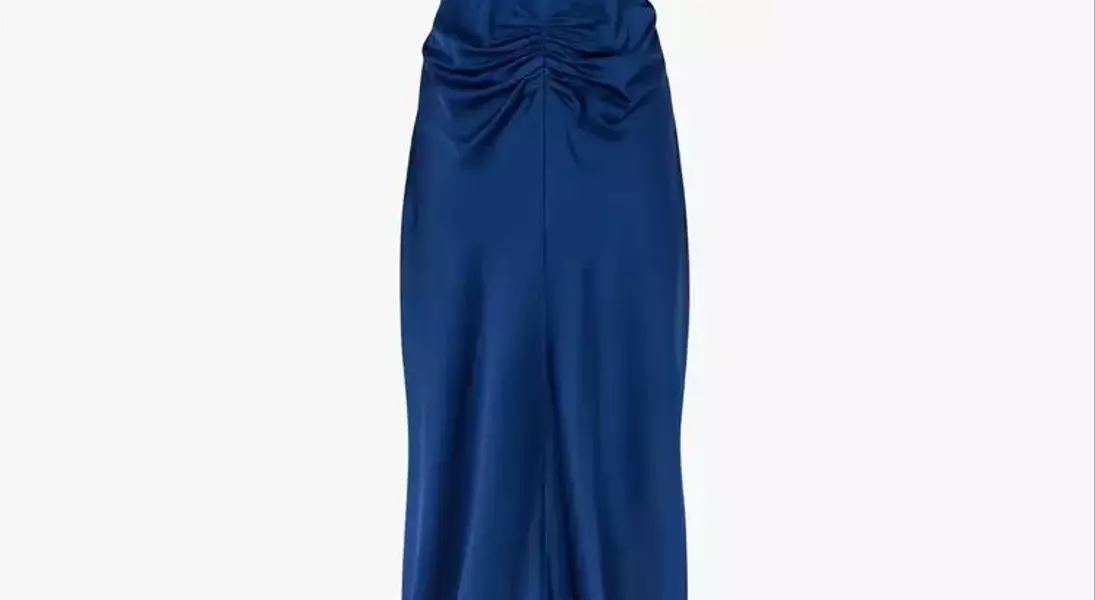
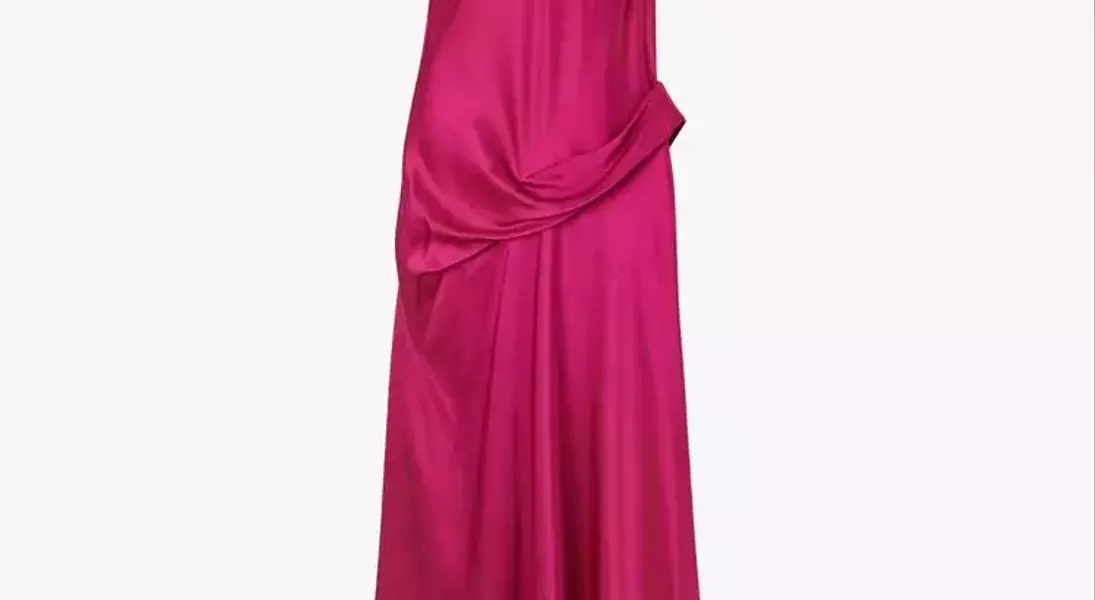
The primary mandate dictates that your chosen gown must extend to the floor, rendering midi and tea-length dresses, along with streamlined jumpsuits and separates, unsuitable. Material selection is equally critical, with fabrics like duchesse satin, silk faille, substantial crepe, brocade, polished satin, and plush velvet offering the requisite weight and sheen for such an august occasion. These materials inherently convey the opulence and formality expected.
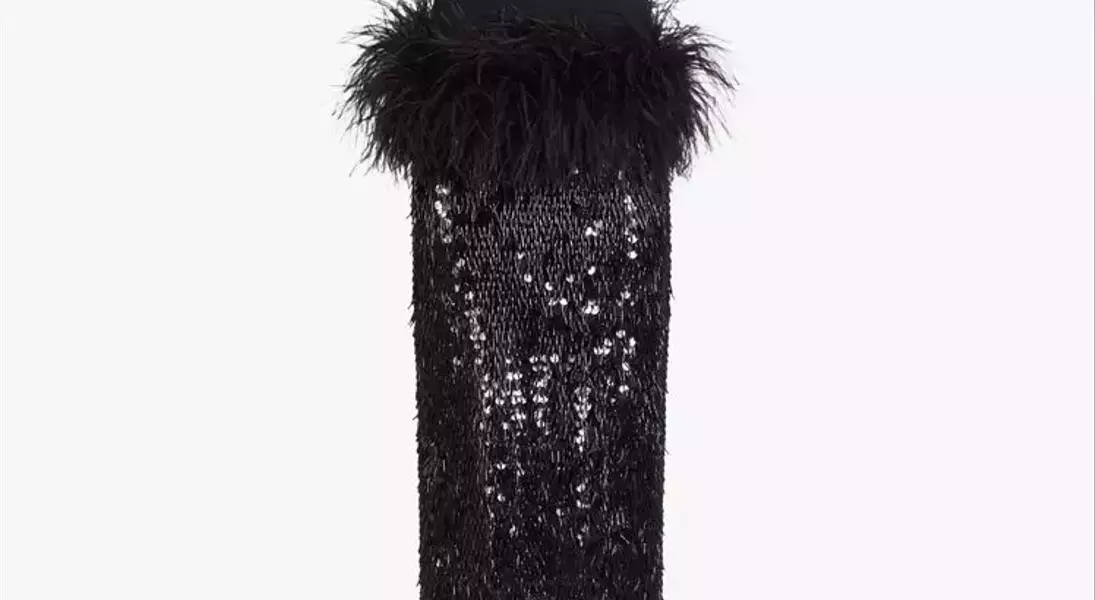
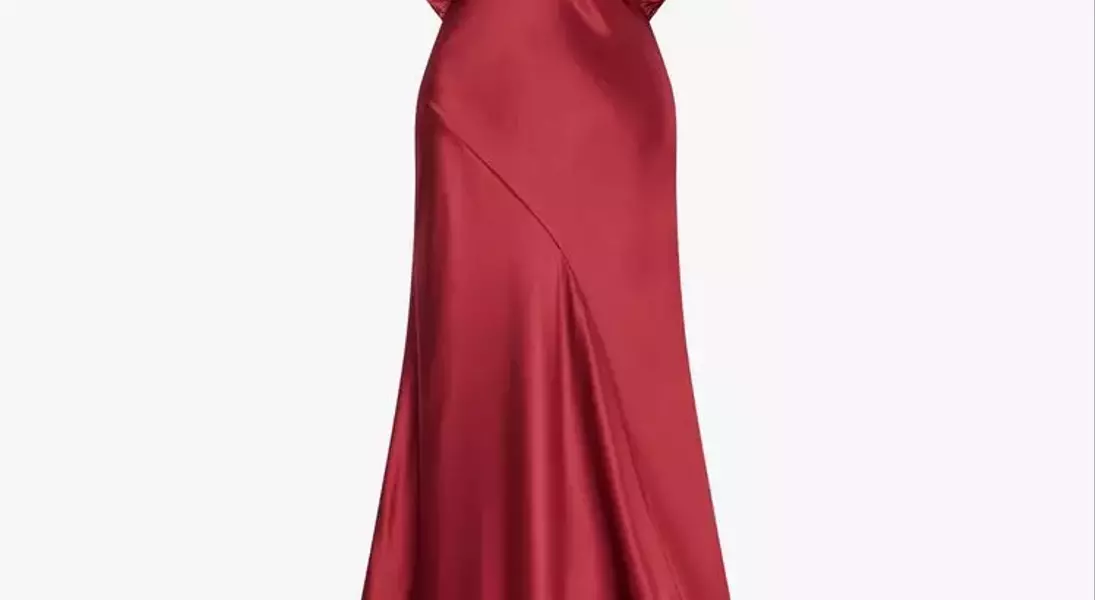
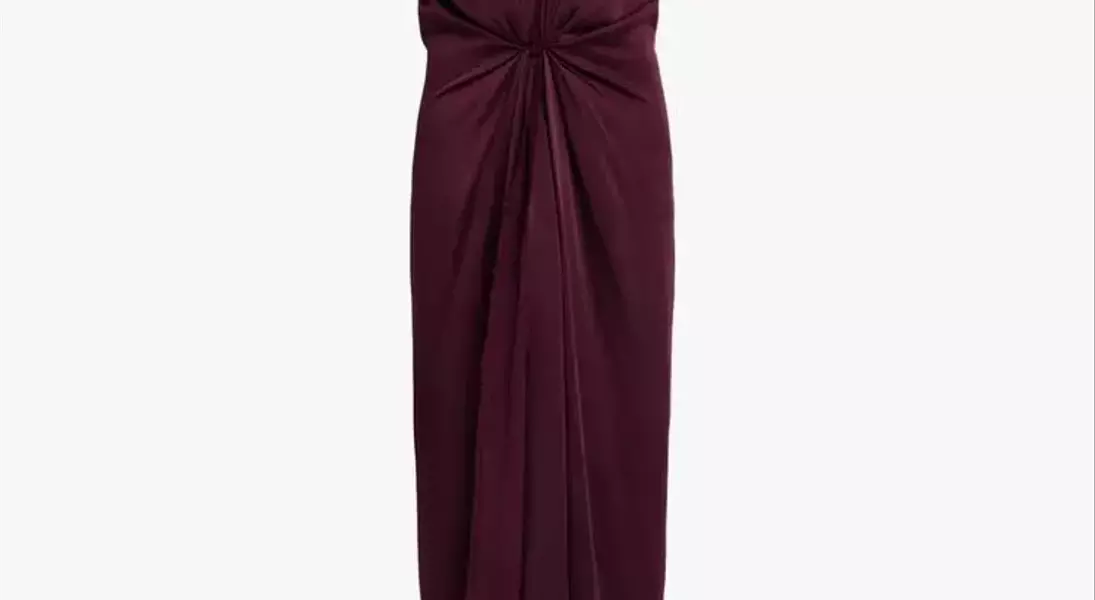
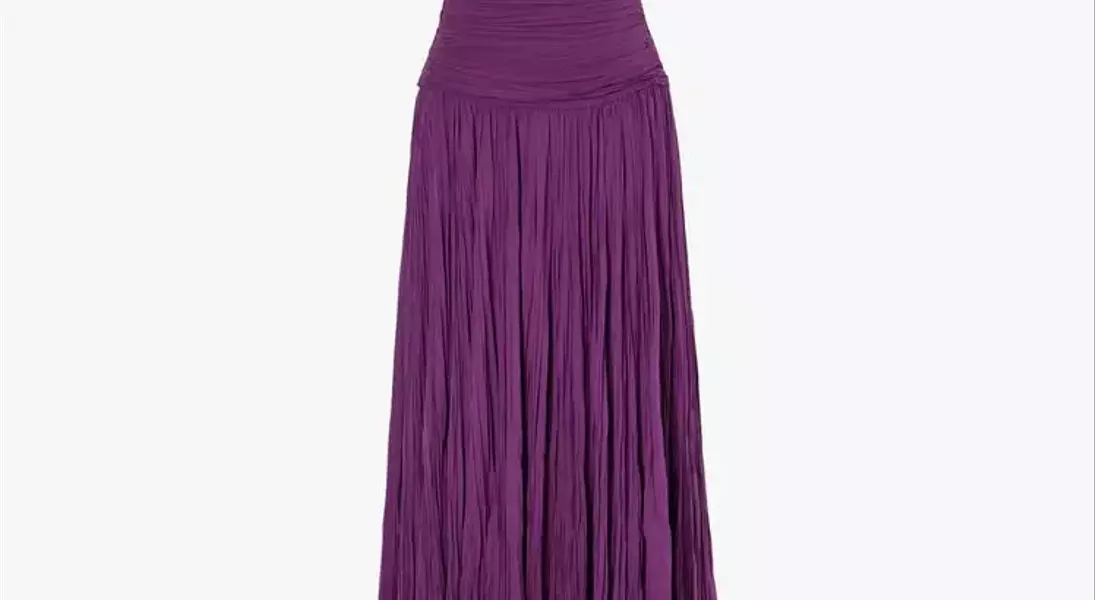
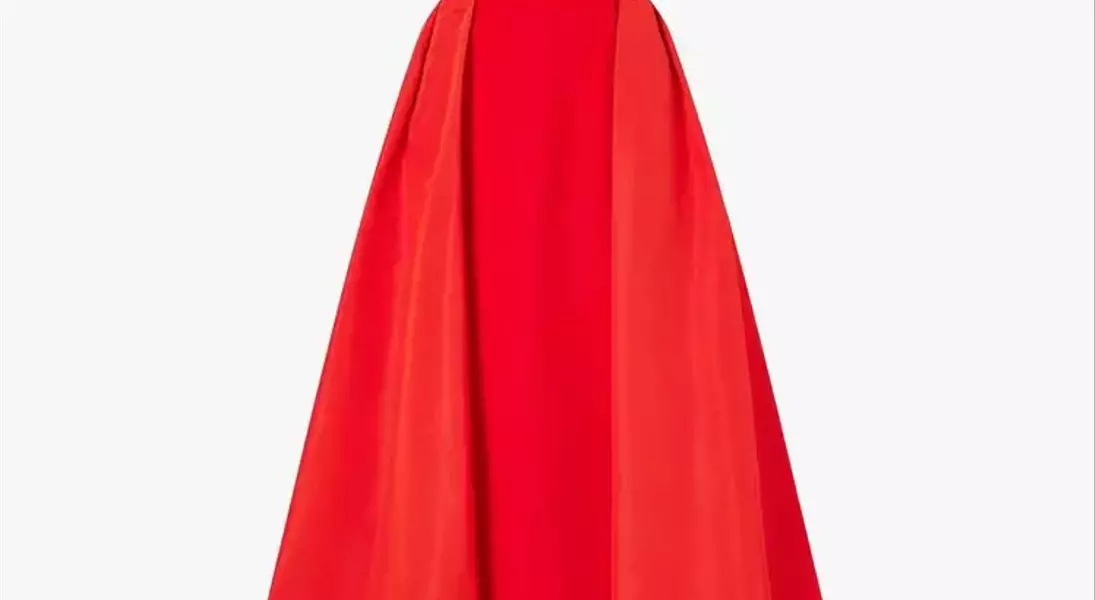
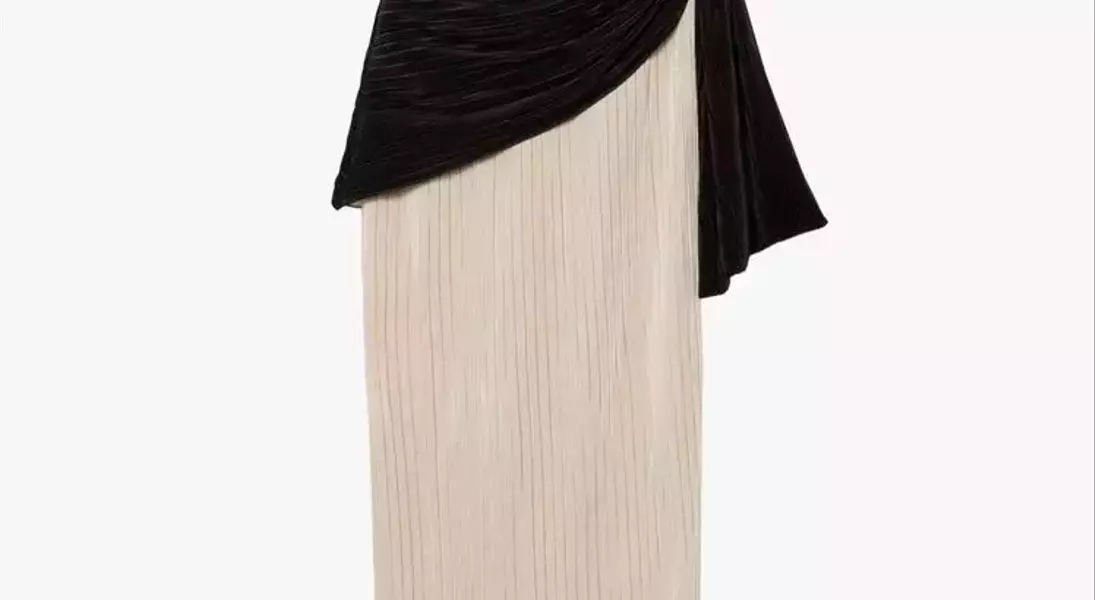
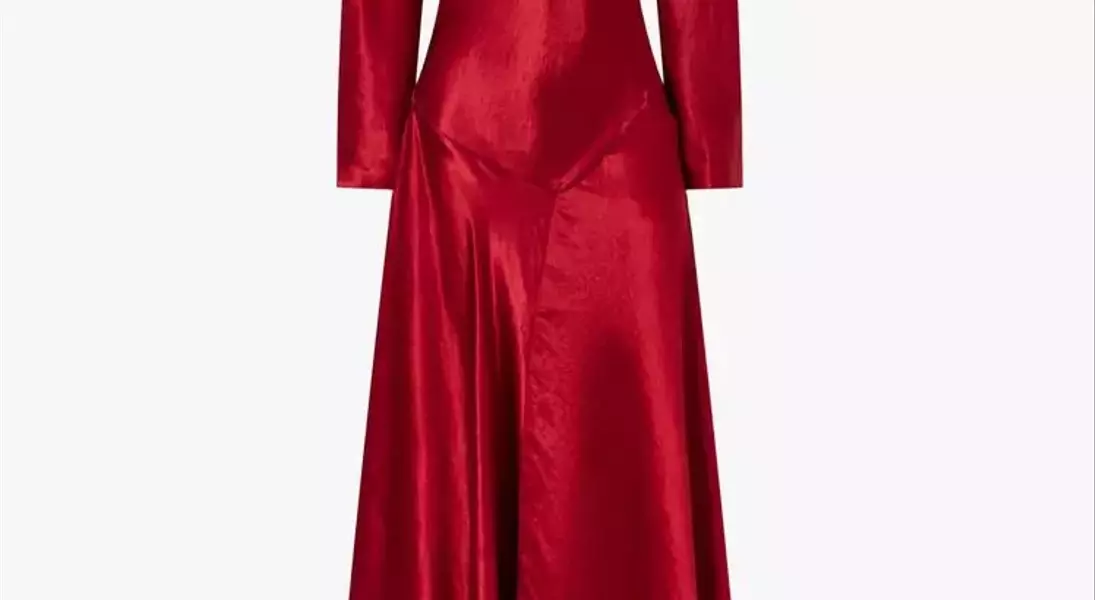
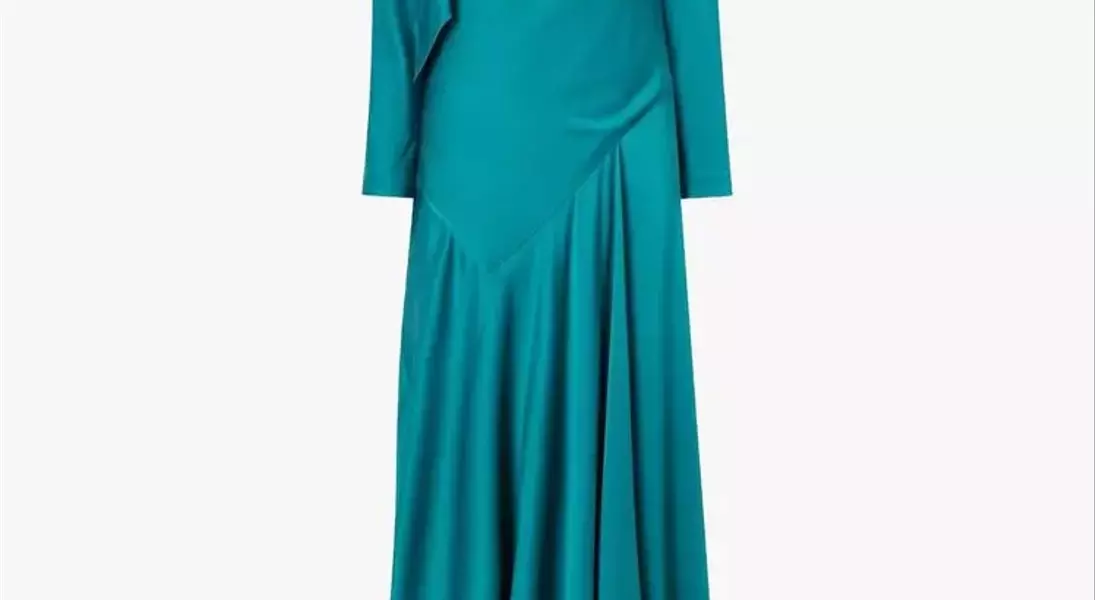
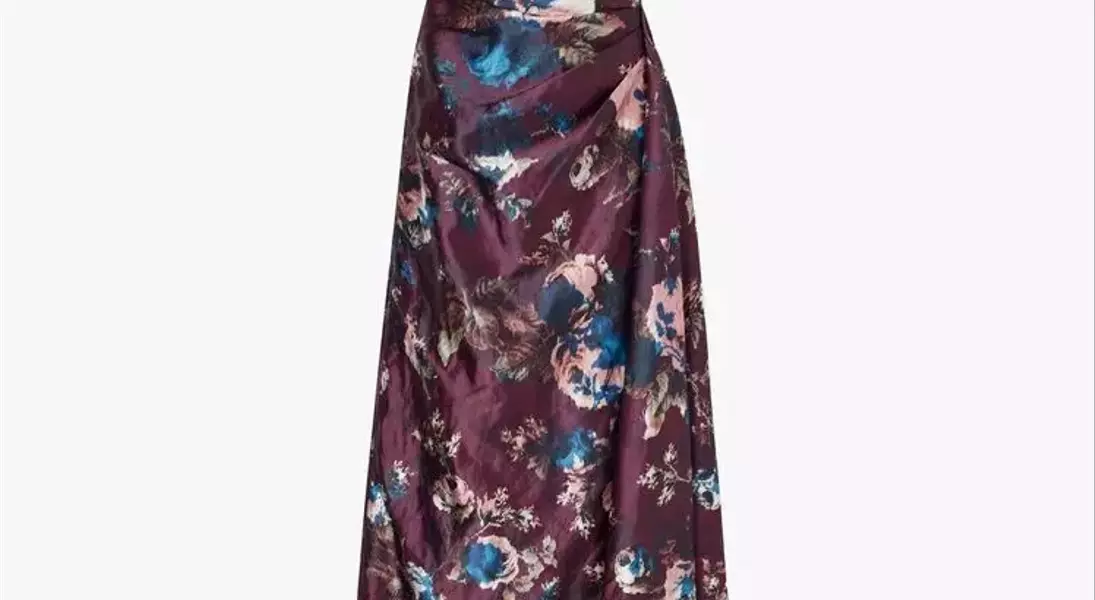
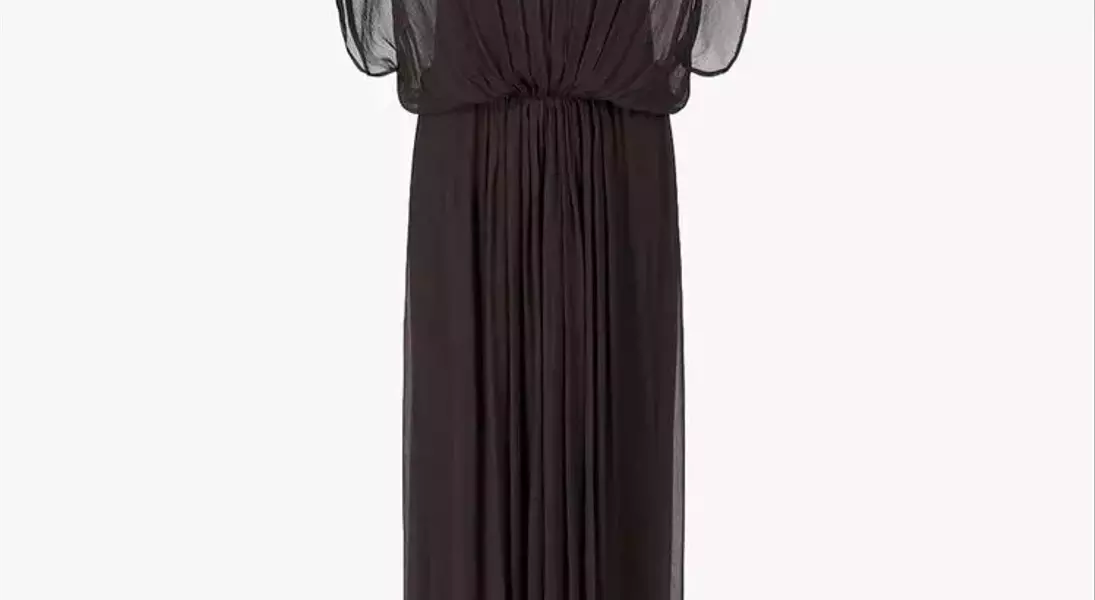
Conversely, the color spectrum allows for greater personal expression. White-tie, while unyielding in silhouette, offers latitude in its palette. Autumn and winter nuptials, in particular, provide a splendid backdrop for deep, concentrated hues such as vibrant reds, regal violets, lush emeralds, radiant golds, and profound blues. Consider a striking scarlet A-line design or a sculptural emerald gown to make a sophisticated statement. A black dress always remains a faultless option; for instance, a maxi gown adorned with an exquisite interplay of feathers and sequins epitomizes absolute glamour. However, steer clear of neon shades, which inherently lack the gravitas of formal attire, and, unequivocally, reserve white and ivory for the bride.
Regarding complementary items, allow a single piece of jewelry to command attention, be it a dazzling, crystal-encrusted bracelet or a treasured family heirloom ring. Opera-length gloves, though no longer obligatory, present a unique opportunity to embrace a flourish of high-drama dressing. And for colder climates, forego casual outerwear in favor of an elegant evening wrap or a meticulously tailored coat that harmonizes with the formality of your ensemble, ensuring a cohesive and distinguished appearance.
Embracing the white-tie dress code for a wedding is an opportunity to delve into a realm of classic elegance and refined style. By meticulously selecting a floor-length gown in a luxurious fabric and rich hue, complemented by discerning accessories, guests can honor the tradition of the event while expressing their individuality. Attention to these details ensures an impeccable and unforgettable presentation, perfectly suited for the most distinguished celebrations.
