The landscape of electric vehicle charging in the United States in 2026 presents a mixed picture of continued growth alongside decelerating expansion. Access to charging stations, their reliability, and the associated costs vary significantly across different states and metropolitan areas, impacting the overall experience for EV owners.
According to an analysis by iSeeCars, based on data from the U.S. Department of Energy's Alternative Fuels Data Center, the public EV charging network is projected to grow by 15.5% in 2026, a notable decrease from the 25.7% growth observed in 2025. This slower pace is a key trend despite the overall increase in charging infrastructure. The study, which accounts for individual Level 2 and DC fast charging ports, estimates that 40,243 new chargers will be added this year, bringing the total to nearly 300,000. This expansion is expected to improve the national ratio of residents per charger from 1,317 in 2025 to 1,143 in 2026. However, this growth rate is a significant departure from the over 30% annual growth that characterized much of the previous decade.
Regional disparities are stark. Vermont leads with approximately 450 residents per charger, offering the most favorable charging environment, while Louisiana trails significantly with 4,717 residents per charger. California, despite its vast size, boasts the highest volume of chargers, accounting for over a quarter of the national total with 81,932 units. In terms of metropolitan areas, San Francisco-Oakland-San Jose leads with 334 residents per charger, followed closely by San Diego and Los Angeles. Conversely, Louisville ranks last among major metro areas with 2,904 residents per charger. This uneven distribution means that while some areas are well-equipped, others face substantial challenges in providing adequate charging access.
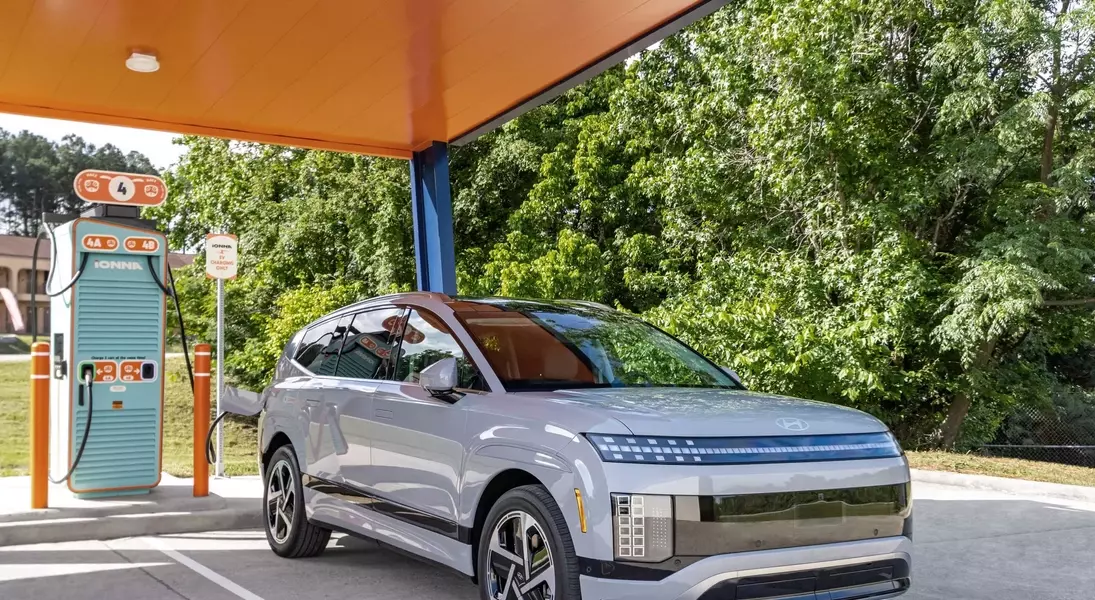
Reliability of charging stations is another critical factor. The J.D. Power 2026 EVX Public Charging Study indicates that 12% of public charging sessions ended without a full charge in the most recent quarter. While this represents an improvement from 14% a year prior and is the lowest rate recorded in the study's history, it still highlights an ongoing issue that deters potential EV buyers. Satisfaction levels also vary; DC fast charging satisfaction increased, while Level 2 public charging satisfaction declined. Networks like Ionna, backed by a consortium of automakers, and the Mercedes-Benz Charging Network, along with the Rivian Adventure Network, received high marks for user satisfaction. Locations like hotels, gas stations, and restaurants generally provide a more satisfying charging experience than dealerships.
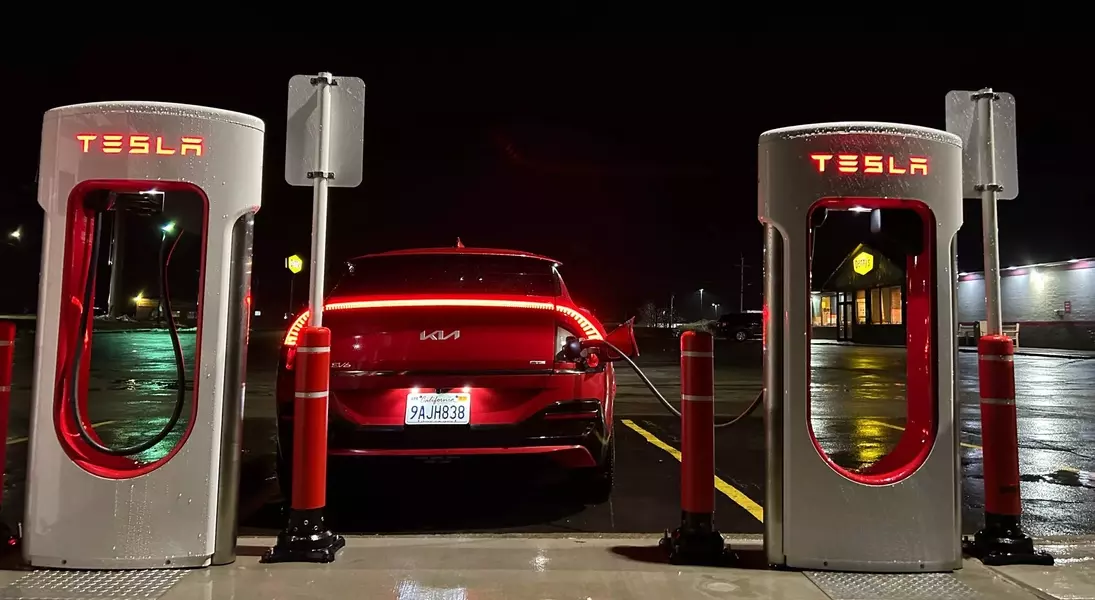
The accessibility of Tesla's extensive Supercharger network has become a game-changer for non-Tesla owners. With many major automotive brands now gaining access to Superchargers, either through adapters or native NACS ports in newer models like the Hyundai Ioniq 5 and Kia EV6 (2025 onwards) and the 2026 Toyota bZ, the utility of this network has expanded considerably. Tesla's network comprises roughly half of all DC fast charging ports in the U.S., making this broader access a significant boost for the wider EV market.
The cost of charging is another dimension influencing EV adoption. While home charging remains the most economical option, public fast charging can sometimes be comparable to, or even slightly more expensive than, refueling a gasoline vehicle. For instance, covering 250 miles with home charging costs around $13 (at an average of 18.2 cents/kWh), whereas using an average DC fast charger can cost about $39 (at 54 cents/kWh). In comparison, driving the same distance in a 30 mpg gasoline car costs approximately $36. These figures emphasize the financial benefits of home charging, though the initial investment for a Level 2 home setup, including hardware and installation, can range from $1,000 to $2,600, with potential additional costs for electrical panel upgrades.
As the electric vehicle market continues to mature, understanding the nuances of the charging infrastructure is crucial. While the network is expanding, the pace has slowed, and significant variations in availability, reliability, and cost persist across the country. These factors play a pivotal role in the practicality and appeal of EVs for consumers. Prospective EV buyers are advised to consider local charging availability, the feasibility of home charging, and compatibility with major networks like Tesla's Superchargers when making purchasing decisions.
