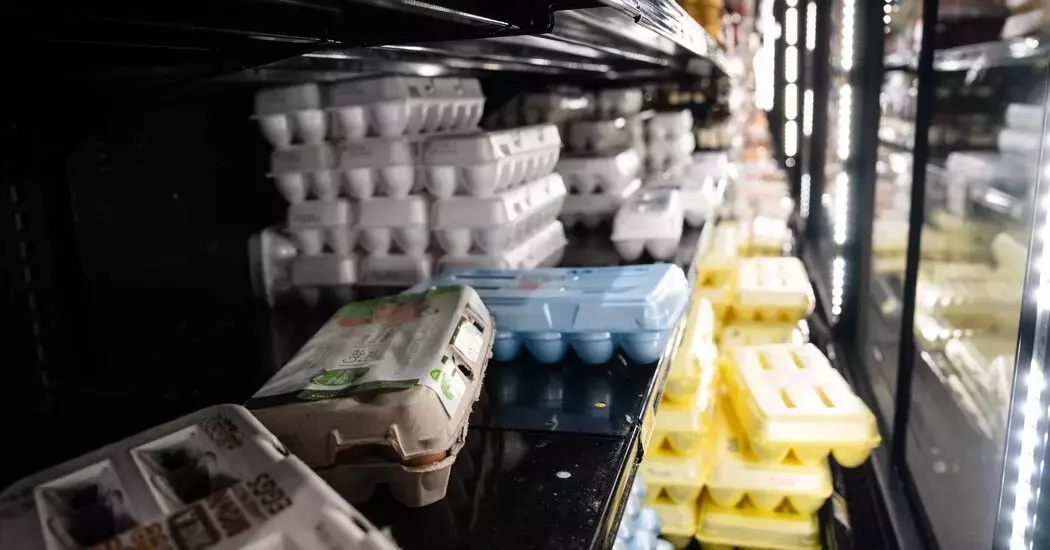
Across the nation, consumers are encountering a perplexing scenario in grocery stores: some shelves are barren, while others overflow with options at varying price points. This article delves into the intricate journey of eggs from farms to supermarkets and explores the challenges faced by both retailers and shoppers.
Egg Shortages Expose Hidden Supply Chain Vulnerabilities
Consumer Experiences Vary Widely Across Locations
On a Saturday morning in Culver City, Marie Hernandes finally secured her eggs after days of fruitless searches. Her quest for ingredients to bake a vanilla birthday cake led her through multiple stores like Ralphs, Target, and Walmart, only to find empty egg shelves. Persistence paid off when she visited Costco early in the morning, where she found two 24-packs priced at $7.69 each. “I might as well get more,” she remarked, emphasizing the inconvenience of repeated trips.Just 20 minutes away, the situation was markedly different. At Northgate González Market, a family-owned chain in Inglewood, eggs were sold out by mid-morning. The remaining dozen large eggs from a different farm cost $11.19, an inflated price that deterred many buyers. Meanwhile, Muriel Stubbs, shopping at Aldi, managed to purchase a dozen eggs for $7.99, albeit considering them a luxury item reserved for payday. These contrasting experiences highlight the unpredictability shoppers face in their daily lives.Avian Influenza Disrupts Egg Availability
The recent outbreak of avian influenza has significantly impacted egg supplies, leading to erratic availability and skyrocketing prices. Consumers now navigate a labyrinth of shortages, fluctuating brands, and varied price points. This crisis has reignited debates about the consolidation within the egg industry and its effects on market dynamics. For many households, the once-reliable staple has become a symbol of broader economic challenges.Supply Chain Dynamics Influence Retail Strategies
Several factors within the supply chain contribute to these inconsistent consumer experiences. During periods of shortage, grocers face limited options for maintaining stock. One approach is purchasing eggs from the wholesale market, which comes at a premium. Retailers then decide how much of this increased cost to pass on to customers. Larger chains benefit from extensive networks of contracted suppliers, allowing them to manage inventory more effectively. Alternatively, some stores opt to keep prices low and impose purchase limits to balance demand and supply constraints.Exploring Solutions and Future Outlook
As consumers continue to grapple with these challenges, potential solutions emerge. Industry experts suggest diversifying supplier relationships and investing in sustainable farming practices to mitigate future disruptions. Additionally, fostering transparency between producers and retailers can enhance communication and streamline distribution processes. By addressing these issues, stakeholders aim to restore stability to the egg market and ensure consistent access for all consumers.You May Like