
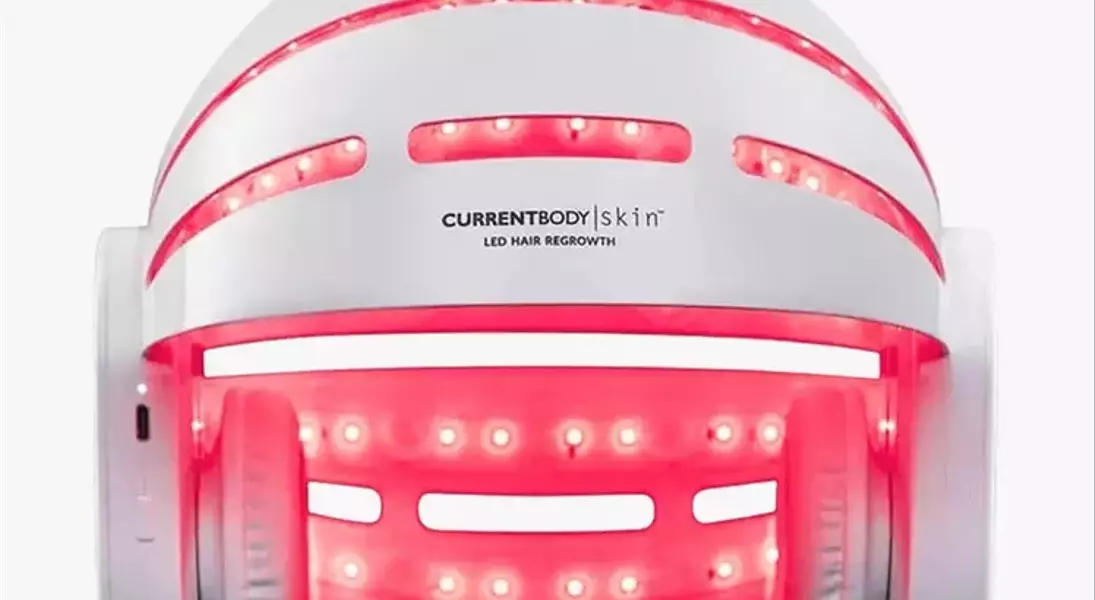
For many individuals, the prospect of hair thinning can evoke a range of emotions, from denial to an almost obsessive concern. While some choose to embrace their changing appearance, numerous interventions aim to address declining hair density. Among these, red light therapy has emerged as a novel approach, offering the allure of stimulating hair regrowth without the need for oral medications, injections, or uncomfortable pharmacy encounters. The apparent simplicity of this method often raises skepticism about its actual effectiveness.
Understanding the science behind red light therapy is crucial before committing to its use. This treatment, also known as low-level light therapy (LLLT), has gained popularity for various wellness applications, including reducing inflammation, improving skin health, and enhancing athletic recovery. Its application in hair health, however, is supported by a growing body of research. Experts suggest that specific wavelengths of red or near-infrared light interact with cellular mitochondria, boosting energy production and triggering signals that encourage hair follicles to enter and prolong their growth phase. Early studies, including those on individuals with androgenetic alopecia, indicate a modest improvement in hair growth, density, and thickness.
Red light therapy appears most beneficial for those experiencing the initial stages of hair thinning. While it cannot revive dormant hair follicles in areas that have been bald for an extended period, it serves as a valuable tool in mitigating the progression of hair loss. For optimal results, integrating LLLT with other proven treatments like topical minoxidil and oral finasteride is recommended. Investing in high-quality, FDA-cleared devices, such as specialized red light caps or helmets, is essential, as cheaper alternatives may lack the necessary power to be effective. Consistent daily use of these devices, as recommended by professionals, is key to achieving noticeable results, which may take six to twelve months to manifest. The goal is often to maintain existing hair and slow down inevitable loss, rather than to achieve dramatic regrowth.
Although red light therapy is not a magical solution for complete hair restoration, its merits in preserving hair and slowing the thinning process are significant. It represents a proactive measure for individuals concerned about hair loss, offering a practical and non-invasive option when incorporated into a comprehensive hair care strategy. This approach encourages a positive outlook, emphasizing the power of consistent effort and informed choices in managing personal well-being.
