The recent Edinburgh Film Festival, though modest in scale, proved to be an ambitious and impactful event, successfully balancing groundbreaking new cinema with a reverence for film history. A key highlight was the triumph of 'Mortician,' directed by Iranian exile Abdolreza Kahani, which earned the prestigious Sean Connery Prize. This year's festival distinguished itself by presenting a competition entirely composed of world premieres, fostering industry dialogues on evolving cinematic techniques and funding, and enriching its offerings through comprehensive retrospectives of renowned filmmakers. The festival's ability to thrive within Edinburgh's bustling August cultural landscape, alongside other major arts events, underscored its vibrant atmosphere and unique identity.
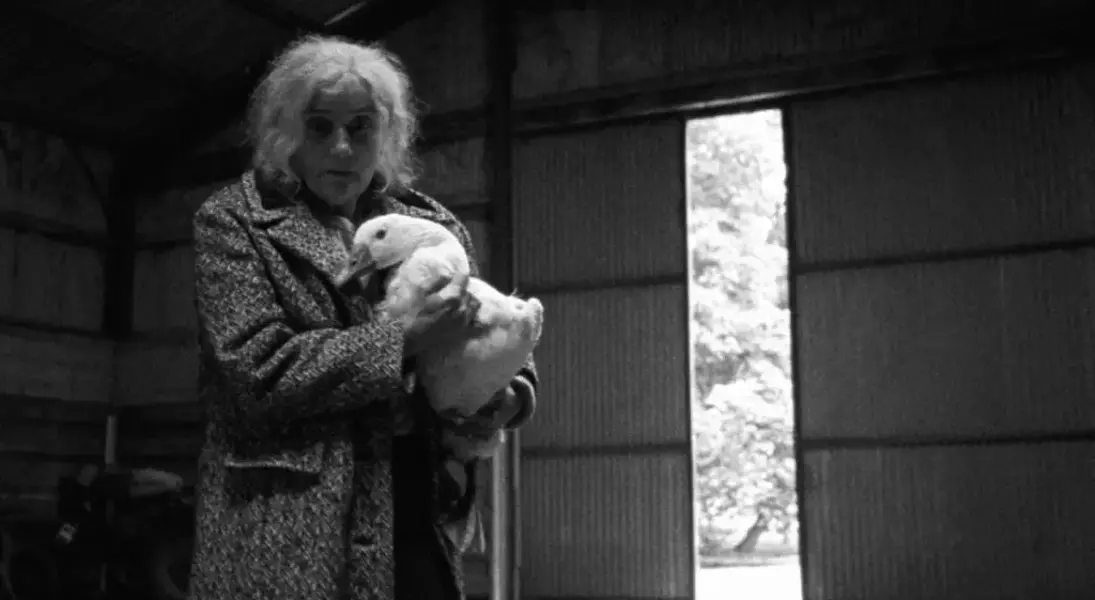
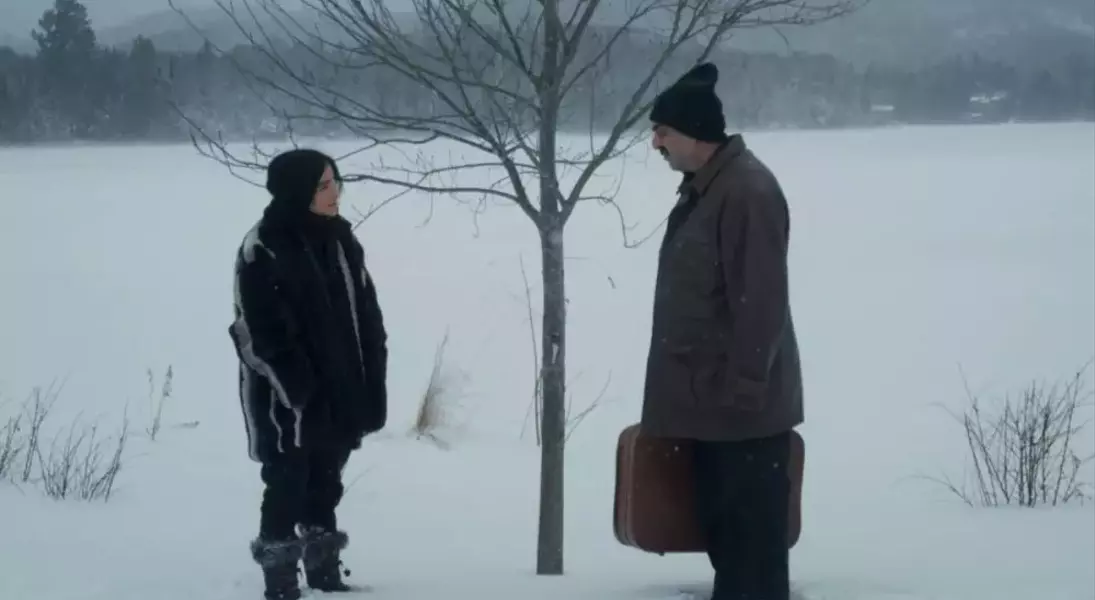
The centerpiece of the festival's awards ceremony was the recognition of Abdolreza Kahani's 'Mortician,' a compelling film shot in Canada using an iPhone. This poignant narrative delves into the emotional and profound consequences faced by individuals striving to live on their own terms. Kahani, who has previously faced filmmaking bans in his home country, revealed that the film served as a deeply personal act of defiance and a means to creatively express himself. The substantial £50,000 ($67,300) prize money associated with the Sean Connery Prize holds immense significance for the director, potentially enabling his next feature-length project. The festival also honored Joanna Vymeris's 'Mother Goose' with the Thelma Schoonmaker Prize for Short Filmmaking Excellence, further highlighting the event's commitment to supporting both emerging and established talent.
Paul Ridd, the director of the Edinburgh International Film Festival (EIFF), praised the event for its ability to ignite thought, provoke discussion, and inspire empathy through the medium of film. He emphasized that the winning films exemplified exceptional craftsmanship and affirmed cinema's enduring vitality. The festival strategically capitalized on its timing within Edinburgh's extensive August cultural calendar, which includes numerous other major arts events. This concurrent scheduling, while posing logistical challenges such as high accommodation costs, also imbued the film festival with a dynamic, city-wide energy that smaller, standalone events might struggle to achieve, enhancing its overall appeal and impact.
Beyond the competition, the EIFF offered a rich program of out-of-competition screenings, many of which were also world premieres. Titles like 'Sorry, Baby' continued to generate buzz, and 'Islands' secured a distribution deal during the festival, underscoring the event's role as a launchpad for new works. For those with ample stamina, the Midnight Madness section presented a series of late-night screenings, including Ben Wheatley's latest 'Bulk,' allowing attendees to immerse themselves fully in the cinematic experience. Industry sessions were held behind closed doors, providing a private forum for influential figures to discuss critical topics such as animation funding and the integration of new technologies like AI in film production.
A significant focus of the industry panels revolved around the unique challenges and opportunities within Scottish animation. Discussions highlighted that the current funding models, such as Screen Scotland's Talent Builder scheme, often overlook animation due to its distinct production timelines and higher costs compared to live-action projects. While a dedicated animation scheme is reportedly in development for 2026, the sector currently relies on broader film and broadcast funds. Nevertheless, the Scottish animation industry shows undeniable technical and creative momentum, with studios like Wild Child leveraging advanced tools such as Unreal Engine to scale operations and reduce rendering costs. The consensus among industry professionals was that while AI and new technologies are valuable co-pilots, human creativity remains the driving force of the industry.
The emotional resonance of 'Mortician' extended beyond its win, deeply affecting audiences during a post-premiere Q&A. Director Abdolreza Kahani shared that he edited the entire film on a small screen, seeing it projected for the first time at the festival. Lead actor Nima Sandar, who previously collaborated with Kahani, spoke about the director's profound impact on his artistic development. Co-star Gola, an Iranian singer living in exile, revealed how she channeled her personal experiences with censorship and displacement into her performance, connecting the film's themes to the tragic real-life suicide of an Iranian journalist. Kahani's deliberate choice to keep the iPhone camera static symbolized his protest against global inaction and silence. He eloquently stated that art and film serve as powerful tools to awaken people, humorously concluding that the film was 'not as good as what you think,' which elicited a mix of laughter and tears from the audience.
The festival's retrospective program proved to be another major draw, showcasing the enduring power of cinematic heritage. A sold-out session featured Thelma Schoonmaker reflecting on the legacy of her late husband, Michael Powell, whom she described as perpetually ahead of his time. Other celebrated figures like Ken Loach, Paul Laverty, and Rebecca O'Brien engaged in discussions, with Loach's Palme d'Or-winning film 'The Wind That Shakes the Barley' being screened. Andrea Arnold also participated, discussing her career alongside a revival of her debut, 'Red Road.' The Sacred Bonds series drew large audiences for screenings of the original James Bond films, and Budd Boetticher’s Ranown Cycle westerns were lauded for their concise artistry. Anniversary screenings of films such as 'Restless Natives,' Nicolas Roeg’s 'Bad Timing,' and David Hayman’s 'Silent Scream' further enriched the program. These retrospectives solidified the EIFF's role not just as a platform for new discoveries but also as a living archive, celebrating and re-examining the bold innovations of cinema's past.
