

The Edgar haircut, a popular modern style, possesses a rich history spanning over five centuries, originating with the indigenous Jumano tribe. This distinctive look, with its blunt fringe and rounded silhouette, demands careful consideration regarding lifestyle, hair type, and maintenance. Expert advice from barbers emphasizes the importance of understanding these factors before adopting the style, which, while versatile, may not suit every individual or occasion. Regular salon visits and the right hair products are crucial for maintaining its clean, defined appearance.
Understanding the intricacies of the Edgar haircut is essential for those considering this bold style. Its unique aesthetic, while widely adopted by a younger demographic, requires a commitment to specific styling and care routines. Evaluating how the cut aligns with one's professional life, hair texture, and facial structure ensures that the final result is both fashionable and flattering.
Embracing the Distinctive Edgar Haircut: Style Considerations and Heritage
The Edgar haircut, often perceived as a modern take on the classic bowl cut, holds a deeper historical significance. Its lineage can be traced back more than 500 years to the Jumano tribe, an indigenous group that once thrived across regions of Texas, New Mexico, and Mexico. Members of this tribe sported a strikingly similar hairstyle, which was often accompanied by elaborate facial markings and feather headdresses, embodying a rich cultural heritage. While the exact origins of the name "Edgar haircut" remain somewhat ambiguous, a popular theory connects its recent resurgence in popularity to the renowned former professional baseball player and coach, Edgar Martínez. This blend of ancient roots and contemporary appeal makes the Edgar a unique and noteworthy style choice.
For individuals contemplating the Edgar haircut, several key factors warrant consideration. Barber TJ Hunt highlights that while the style is distinct and trendy, its blunt fringe and rounded shape may not be universally suitable. It tends to project a casual image, potentially clashing with more formal attire or professional environments requiring a shirt and tie. Furthermore, the Edgar haircut is predominantly associated with a younger demographic. While age should not be a definitive barrier to personal style, Hunt suggests that more timeless alternatives like the French crop or short mod might be more appropriate for those seeking a sophisticated yet similar aesthetic. Ultimately, the decision to adopt the Edgar haircut should be a thoughtful one, weighing its distinctive features against personal style, lifestyle, and desired image.
Mastering the Edgar Haircut: Hair Type, Maintenance, and Face Shape Dynamics
The versatility of the Edgar haircut is a significant factor in its widespread appeal, as it can be adapted to various hair types. However, the outcome varies considerably based on hair density and texture. For those with naturally straight and thick hair, achieving the quintessential pristine Edgar, characterized by its flat top and neatly cropped fringe, is straightforward. Conversely, individuals with finer or wavier hair might find that shorter, choppier layers at the crown provide better texture, while a longer fringe allows for a natural bounce rather than a rigid projection. A crucial detail to note for anyone considering this style is the presence of cowlicks, which are unruly sections of hair that grow in an opposing direction. These can pose a particular challenge in achieving a consistently neat fringe, requiring extra attention and styling effort.
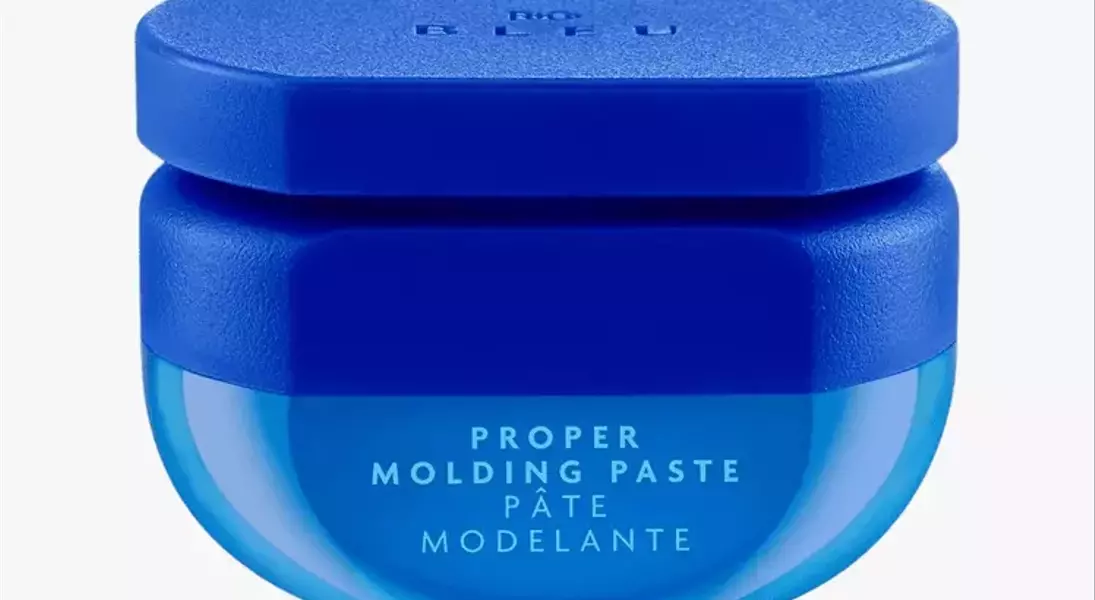
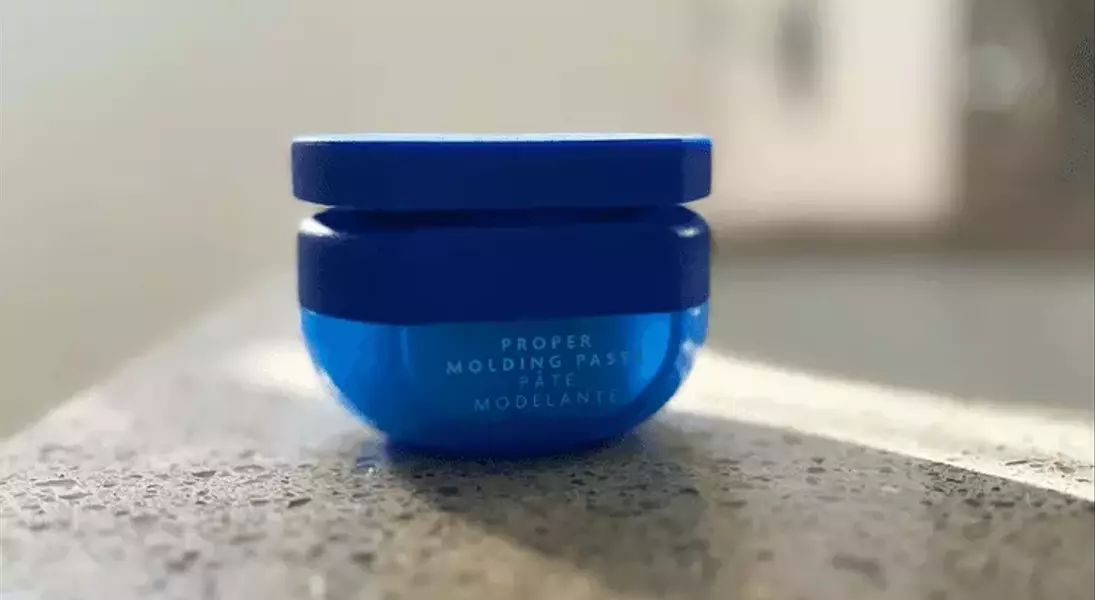
Maintaining the Edgar haircut’s sharp, defined appearance necessitates a commitment to regular upkeep and product use. Despite its seemingly simple aesthetic, the style is quite intricate, demanding frequent visits to the barbershop. A typical Edgar haircut often features a short taper, which requires refreshing every few weeks to prevent a bulky or misshapen look. Even softer-edged variations will lose their intended form within a month, as the fringe begins to separate. Beyond regular trims, styling products are indispensable. The Edgar cut intentionally retains weight around the top sides and below the crown, which can become unmanageable, especially after sleep or in windy conditions. Hunt advises using a small amount of product, such as a paste for smoother looks or clay/hair powder for a choppier texture, worked through the hair and smoothed down with the palms to maintain control and hold. Finally, the inherently round shape of the Edgar haircut can accentuate smaller or rounder faces. While this is a matter of personal preference, individuals with angular or narrow faces and pronounced features may find the style particularly flattering, as it provides a balancing contrast. For those unsure, Hunt suggests embracing the experiment; hair grows, allowing for other styles if the Edgar doesn't meet expectations.
