
The United States Treasury Department recently unveiled a new initiative, "Operation Economic Outcast," aimed at achieving the complete economic isolation of Iran. This ambitious plan seeks to compel Iran to make significant concessions, specifically the reopening of the Strait of Hormuz and the cessation of its nuclear program. The strategy involves imposing secondary sanctions on any nation or entity that continues to provide economic assistance to Iran. This move is poised to intensify geopolitical tensions and could lead to unforeseen global economic and political ramifications.
Details of the "Economic Outcast" Initiative
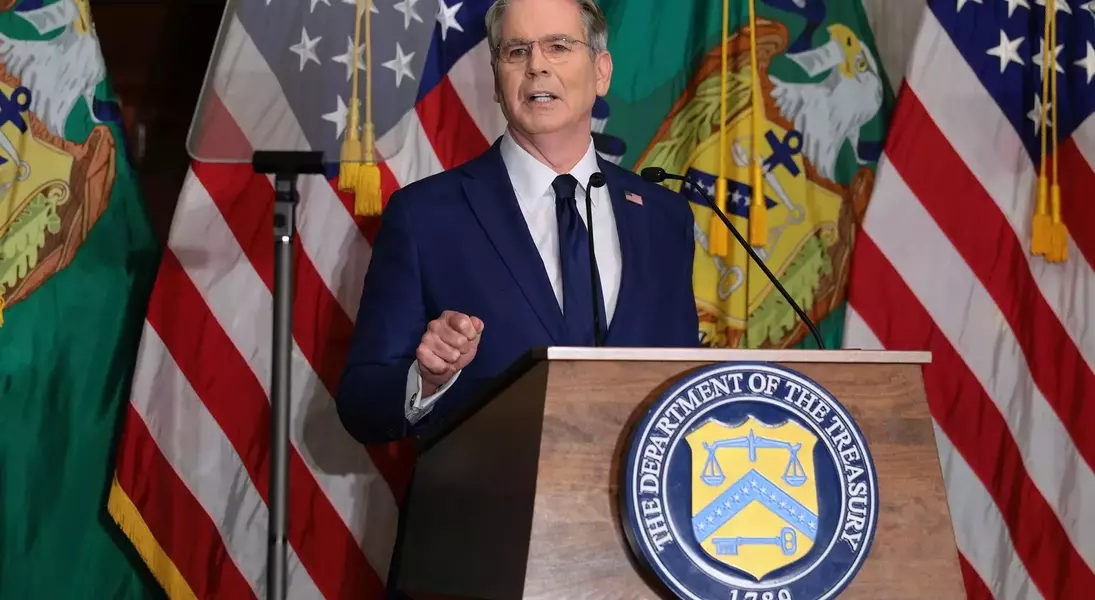
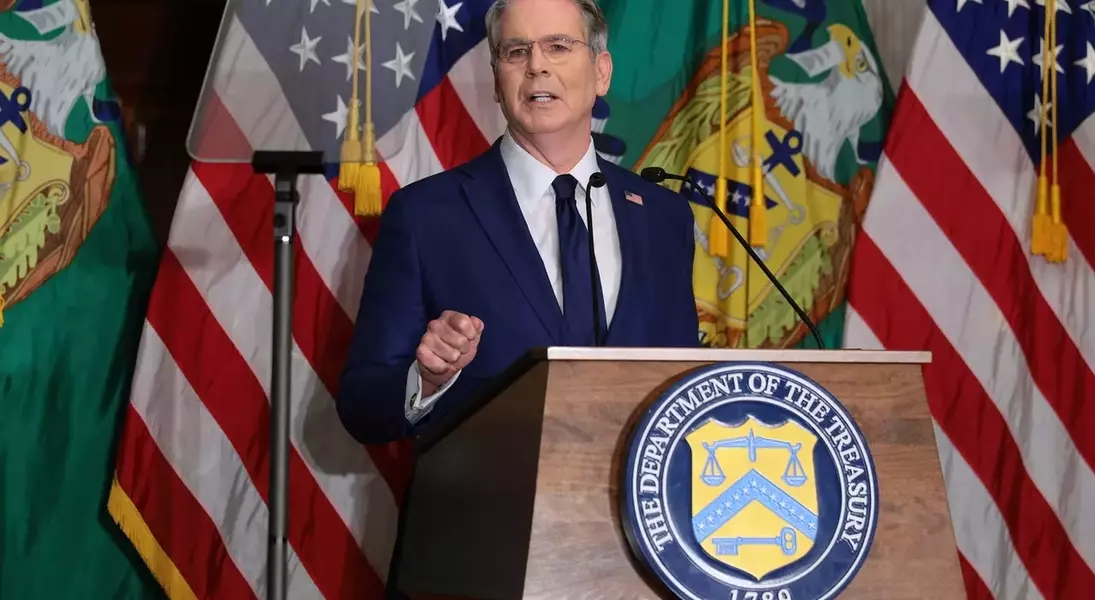
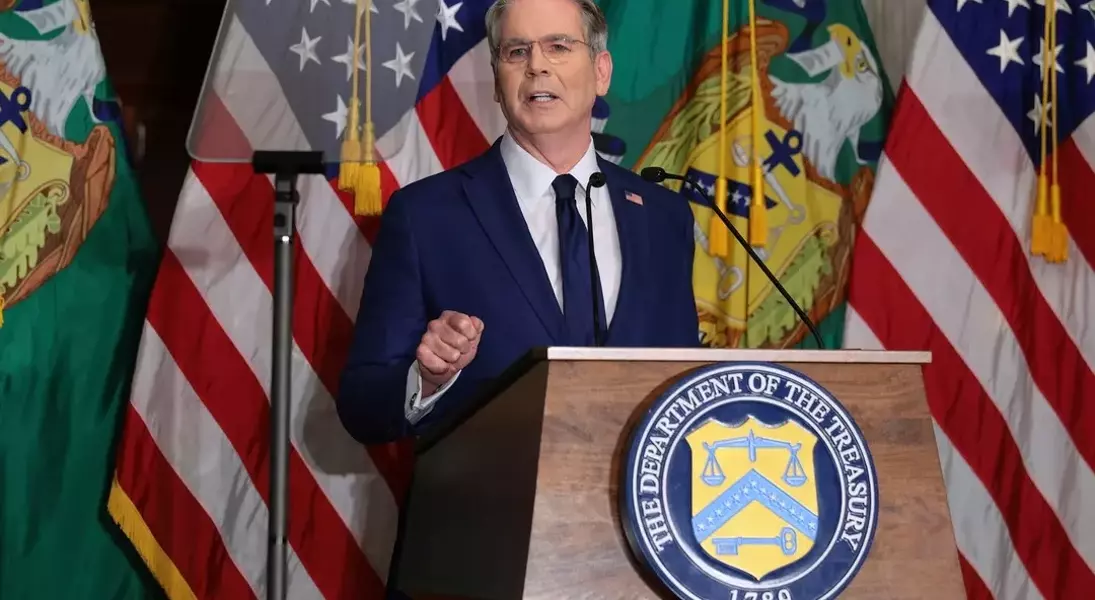
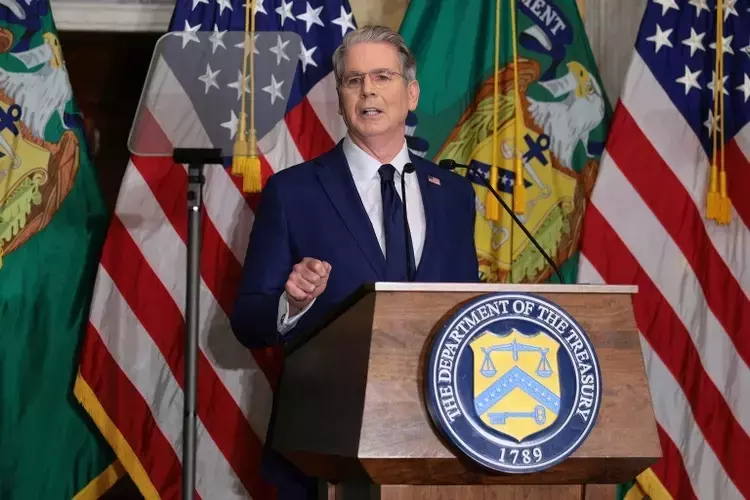
On August 26, 2026, Treasury Secretary Bessent officially announced "Operation Economic Outcast," declaring a comprehensive effort to sever Iran's economic lifelines. The core of this operation involves the application of secondary sanctions, meaning that any country or business found to be financially supporting Iran will itself face punitive measures from the United States. This aggressive stance is designed to create an impossible environment for Iran to conduct international trade, thereby forcing its compliance with American demands.
A key target of these secondary sanctions is China, which has significant economic ties with Iran. However, China's potential response remains uncertain, as it possesses substantial leverage through its control over global rare earth materials. Should China decide not to fully comply with the sanctions, the effectiveness of "Operation Economic Outcast" could be undermined, leading to a complex standoff between major global powers.
The anticipated reaction from Iran is a critical concern. Experts suggest that Iran is likely to retaliate fiercely, potentially by disrupting global oil supplies to trigger a sharp increase in oil prices and unleash a worldwide inflationary shock. Such actions would not only complicate the global economic recovery but also dramatically escalate the already fraught political climate in the Middle East and beyond. The overarching assessment is that this initiative is a precursor to a significant escalation in international relations, with far-reaching consequences for global stability and economic markets.
The initiation of "Operation Economic Outcast" marks a pivotal moment in international diplomacy and economic strategy. It reflects a growing trend towards using economic coercion as a primary tool to achieve geopolitical objectives. However, this approach is fraught with risks, not least of which is the potential for unintended consequences. The global economy is intricately linked, and isolating a nation like Iran, with its significant oil reserves and strategic location, could send ripples across various sectors. The world watches keenly to see how these tensions unfold and what new global order might emerge from this high-stakes economic confrontation.
