

The United States is currently navigating a complex period marked by considerable economic and political challenges. President Trump's economic approval has reached its lowest point in six years, reflecting growing public concern over the financial direction of the country. This comes as Congress faces a crucial decision regarding the expiration of Affordable Care Act subsidies, which could significantly impact healthcare costs for millions of citizens. In parallel, there are ongoing discussions about the accelerated development of new nuclear reactor designs, raising questions about safety and regulatory oversight. Amidst these contemporary issues, the nation also takes time to reflect on historical moments, such as the honoring of civil rights leaders and the quiet but vital contributions of innovations like crash test dummies to public safety. These diverse threads paint a picture of a society grappling with its present while acknowledging its past and planning for its future.
As the holiday season approaches, the political arena remains charged with debates over healthcare, economic stability, and energy policy. The potential expiration of ACA subsidies threatens to exacerbate financial burdens for many families, pushing the issue of healthcare affordability back to the forefront of national discourse. The economic sentiment, as indicated by President Trump's diminished approval, suggests a need for re-evaluation and potential policy adjustments to address public anxieties. Simultaneously, the push for rapid development in nuclear technology, while promising energy advancements, also necessitates careful consideration of regulatory frameworks to prevent future risks. This period is characterized by a dynamic interplay of policy decisions, public opinion, and technological ambition, all set against a backdrop of historical remembrance and ongoing societal change.
Rising Healthcare Costs and Economic Discontent
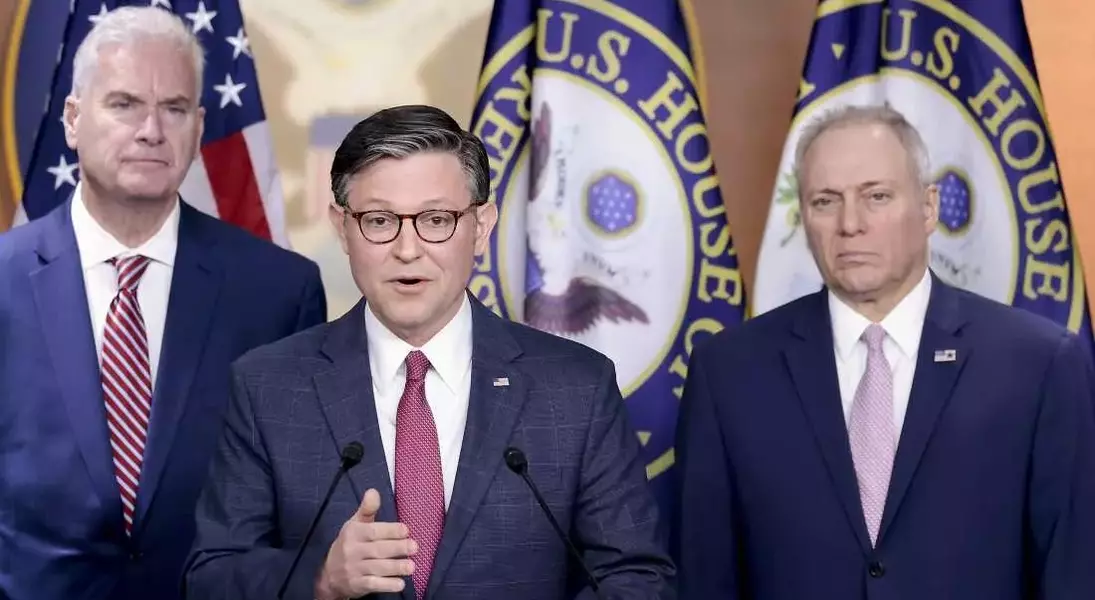
With just days left before the congressional holiday break, lawmakers are set to conclude their session without extending the Affordable Care Act's health insurance subsidies. This impending decision means that the enhanced financial aid for ACA marketplace plans will cease at year-end. Consequently, millions of individuals across the U.S. can anticipate a considerable surge in their insurance premiums, with some potentially seeing their costs double or even triple in the upcoming year. This move is expected to place significant financial strain on households already struggling with economic pressures. The House is also expected to vote on a package of conservative health reform ideas, including association health plans and changes to pharmacy benefit manager regulations, while bipartisan talks on subsidies continue but are unlikely to yield a solution this year.
The cessation of ACA subsidies is poised to trigger a substantial increase in healthcare expenditures for countless Americans, marking a critical juncture in the nation's health policy landscape. As these enhanced subsidies expire, the financial burden on individuals and families relying on ACA marketplace plans will intensify, potentially forcing difficult choices regarding their healthcare coverage. This decision unfolds against a backdrop of declining public confidence in the current administration's economic stewardship, with President Trump's economic approval rating reaching an all-time low. The public's growing unease is further reflected in a notable shift in economic trust, as Democrats now hold a slight lead over Republicans in this crucial area. These converging factors underscore a period of significant economic uncertainty and mounting concern over the accessibility and affordability of essential services.
Nuclear Innovations and Societal Reflections
The current administration has initiated a program to accelerate the construction of novel and unproven nuclear reactor designs. This initiative aims to establish three new test reactors by the nation's 250th anniversary in July 2026. This fast-tracking effort, managed by the Department of Energy rather than the traditionally rigorous U.S. Nuclear Regulatory Commission, has sparked debate regarding the balance between rapid technological advancement and stringent safety protocols. Critics express concern that prioritizing speed over the established regulatory process could compromise safety standards, while proponents argue that the NRC's strictness has hindered innovation.
This push for new nuclear technology comes at a time when society is also reflecting on its past and present through various lenses. Concurrently, the nation observes significant cultural and historical milestones, such as the annual Hanukkah Lights celebration, which brings together stories of faith, family, and community. Furthermore, the installation of a statue honoring civil rights pioneer Barbara Rose Johns in the U.S. Capitol signifies a pivotal moment in acknowledging the struggle against segregation. Even the often-unseen work of crash test dummies, essential for automotive safety, is highlighted, reminding us of the continuous efforts to protect lives through innovation and careful engineering. These diverse narratives, from energy policy to cultural heritage and public safety, collectively illustrate a society in constant motion, confronting complex challenges while honoring its foundational values and pursuing progress.
