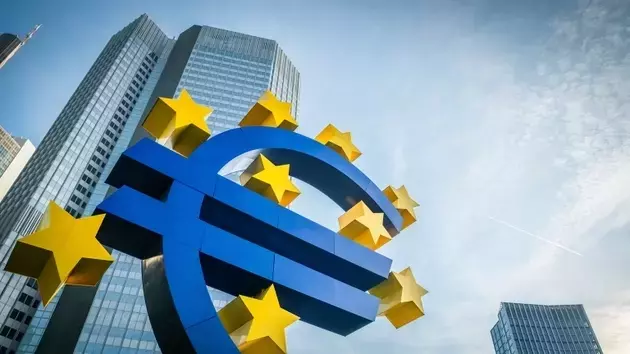
The European Central Bank recently concluded its latest policy meeting, choosing to maintain its current interest rates for the seventh consecutive session. This decision reflects a strategic pause, allowing the central bank to carefully assess evolving economic conditions and geopolitical developments. This cautious approach is particularly pertinent given the current global landscape, which presents both opportunities and challenges for economic stability in the Eurozone. Initially, robust economic projections and inflationary pressures had led some financial observers to foresee an upward adjustment in rates within the year. However, the complex interplay of international events and economic indicators has necessitated a more measured response.
ECB's Strategic Pause and Data-Driven Decisions
The European Central Bank's recent decision to keep policy rates unchanged marks a strategic continuation of its current easing cycle, extending the pause for a seventh consecutive meeting. This cautious stance allows the ECB crucial time to meticulously evaluate incoming economic data and monitor the evolving global landscape, particularly in light of the ongoing Middle East conflict. The central bank's current position enables it to navigate potential economic shocks with greater flexibility, ensuring that any future policy adjustments are well-informed and data-dependent. This measured approach prioritizes stability and aims to mitigate risks associated with both domestic and international economic fluctuations.
Starting from a position of strength, the ECB is well-equipped to assess various economic indicators before implementing any significant policy shifts. This deliberative process is vital for ensuring long-term financial health within the Eurozone, especially given the unpredictable nature of current global events. The ability to pause and observe allows the ECB to refine its understanding of inflationary pressures, growth trajectories, and geopolitical impacts, thereby enabling more effective and appropriate policy responses. This prudence is designed to foster a resilient economic environment amidst prevailing uncertainties.
Evolving Economic Outlook and Market Expectations
At the beginning of the year, there were widespread expectations among market participants of robust economic expansion and increasing price pressures, leading to a prevalent belief that the European Central Bank might consider a rate hike. This anticipation was driven by optimistic growth forecasts and a concern for accelerating inflation, which suggested a need for monetary tightening to maintain price stability. However, the economic narrative has since shifted significantly, influenced by a confluence of new data and unexpected global events that have altered the landscape of financial markets and central bank policy considerations.
The current environment has introduced new complexities, with the ongoing Middle East conflict adding a layer of geopolitical uncertainty that could impact energy prices, supply chains, and overall economic sentiment. This has led the ECB to adopt a more cautious approach, prioritizing the assessment of incoming data and closely monitoring the effects of these external factors. The initial market expectations for a rate hike have consequently been tempered, as the central bank now emphasizes the importance of data-driven decisions to navigate an increasingly volatile and unpredictable global economic climate, ensuring that policy remains adaptive and responsive to emerging challenges.
