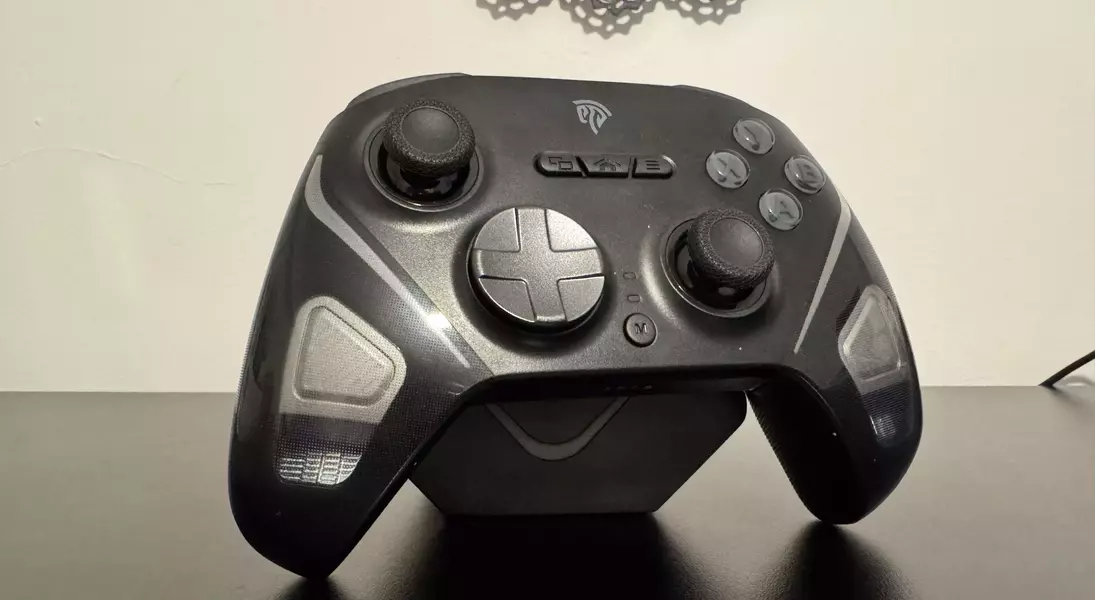
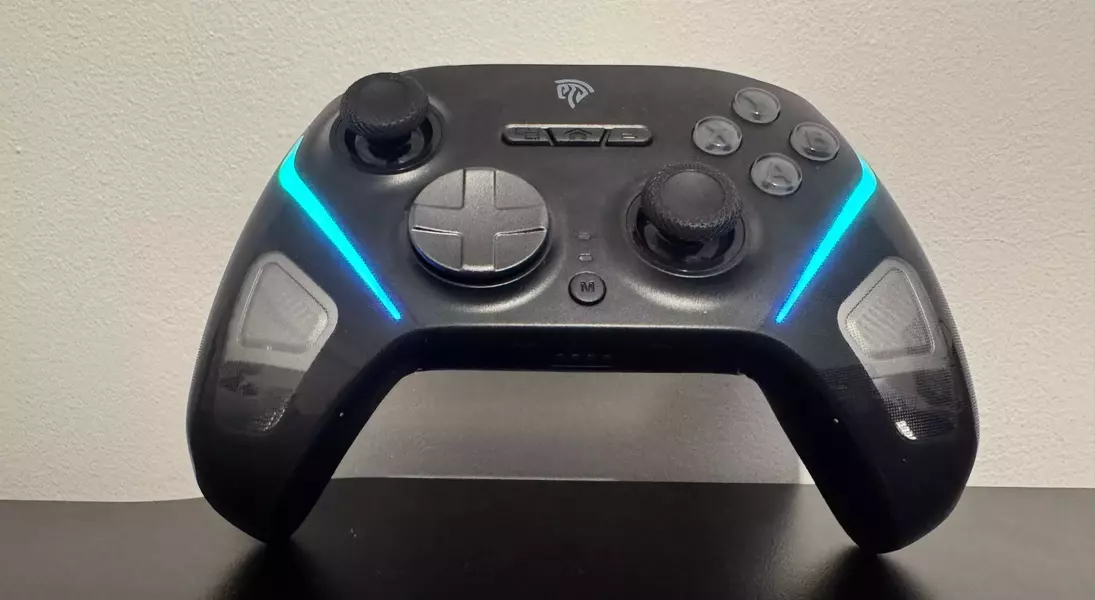
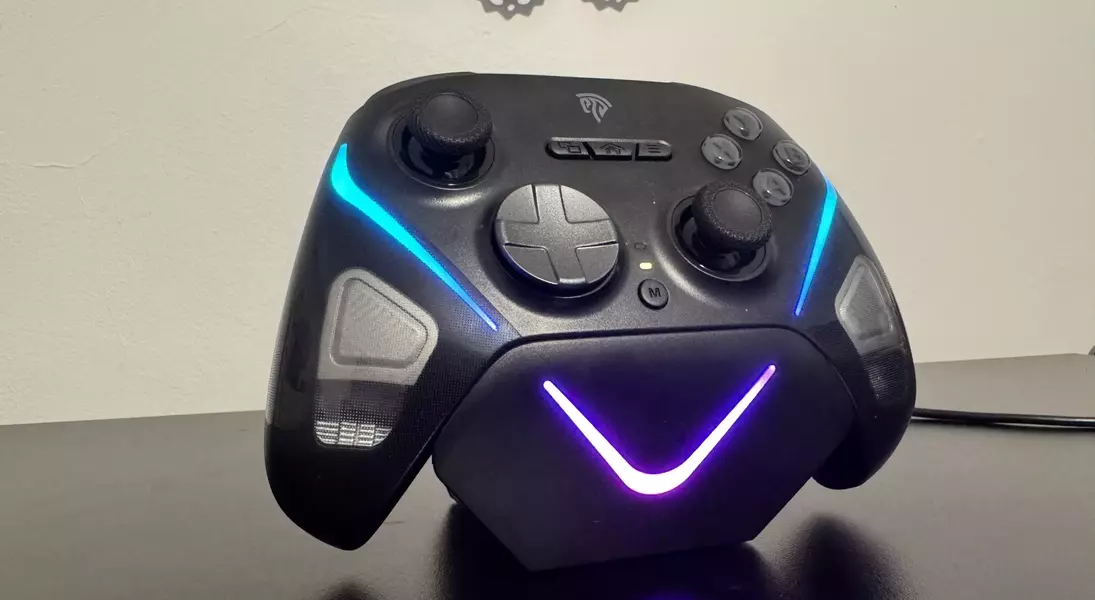

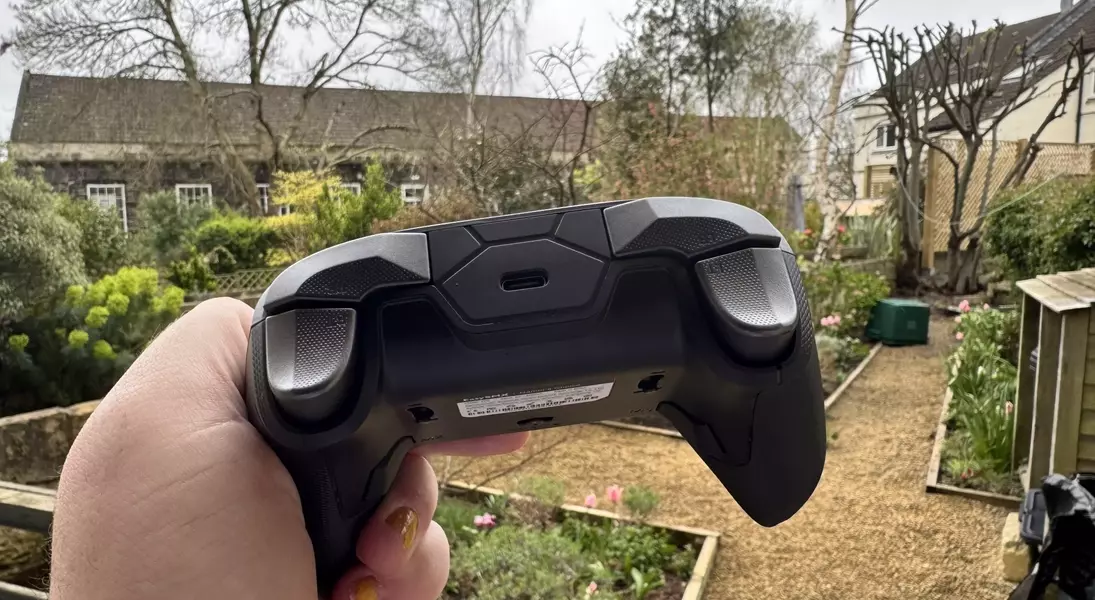
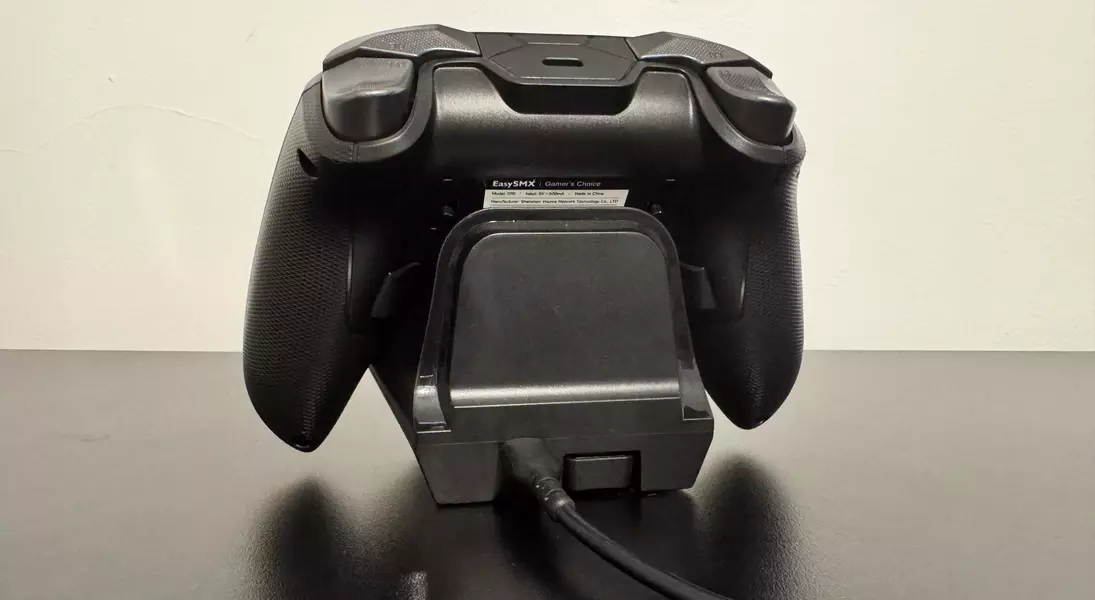
The EasySMX D10 controller stands out as a remarkable option for gamers seeking advanced features without a hefty price tag. It incorporates cutting-edge TMR (Tunnel Magnetoresistance) technology for precise, drift-free control, alongside Hall effect triggers that enhance responsiveness. Coupled with a practical charging dock, these elements position the D10 as a highly competitive choice in the value-oriented segment of the gaming hardware market. While it may not boast the same premium feel or software customization options as more expensive models, its core functionalities and ergonomic design offer a satisfying gaming experience, particularly when purchased at its often-discounted rate.
EasySMX D10: An In-Depth Look at a Value-Packed Gaming Controller
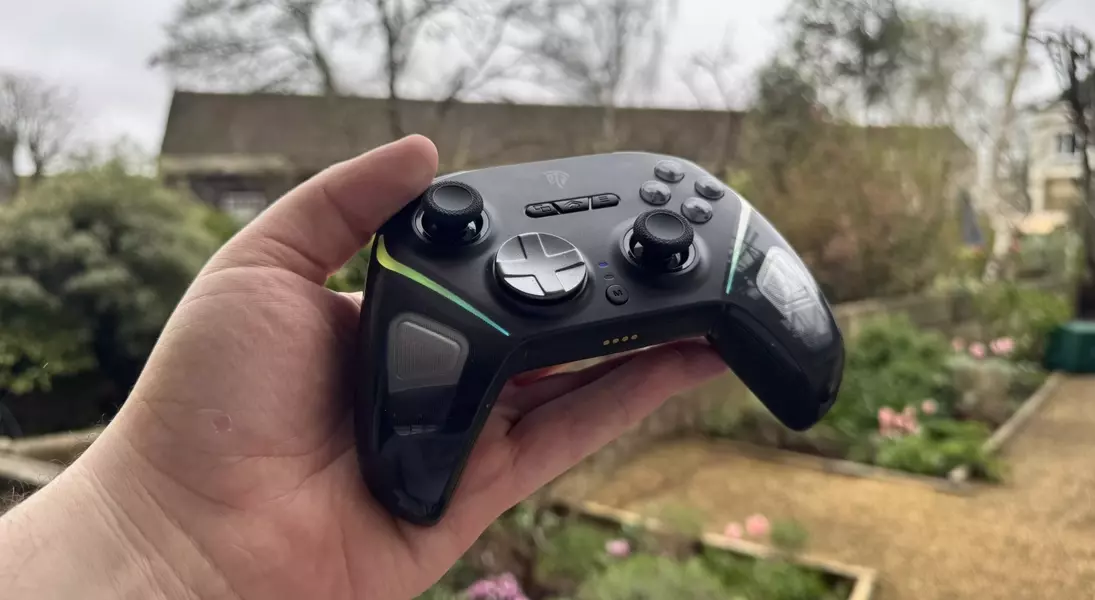
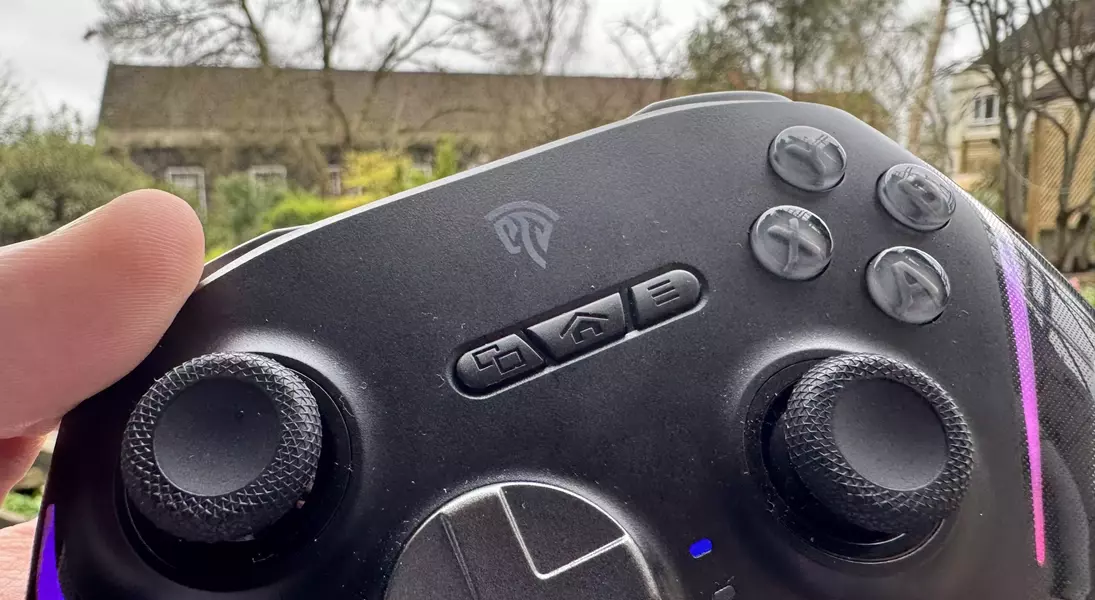
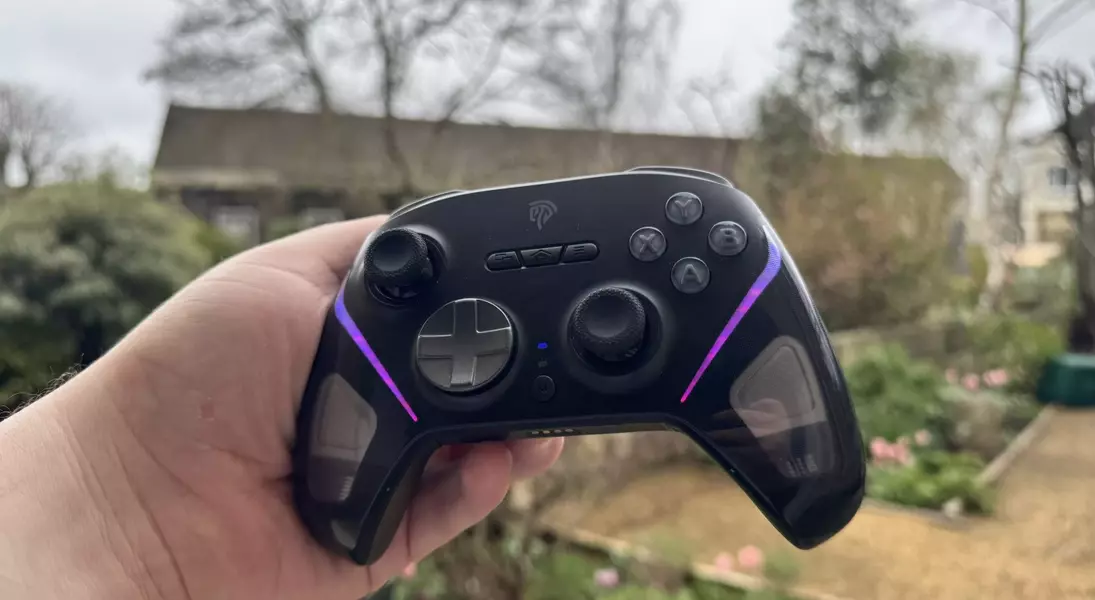
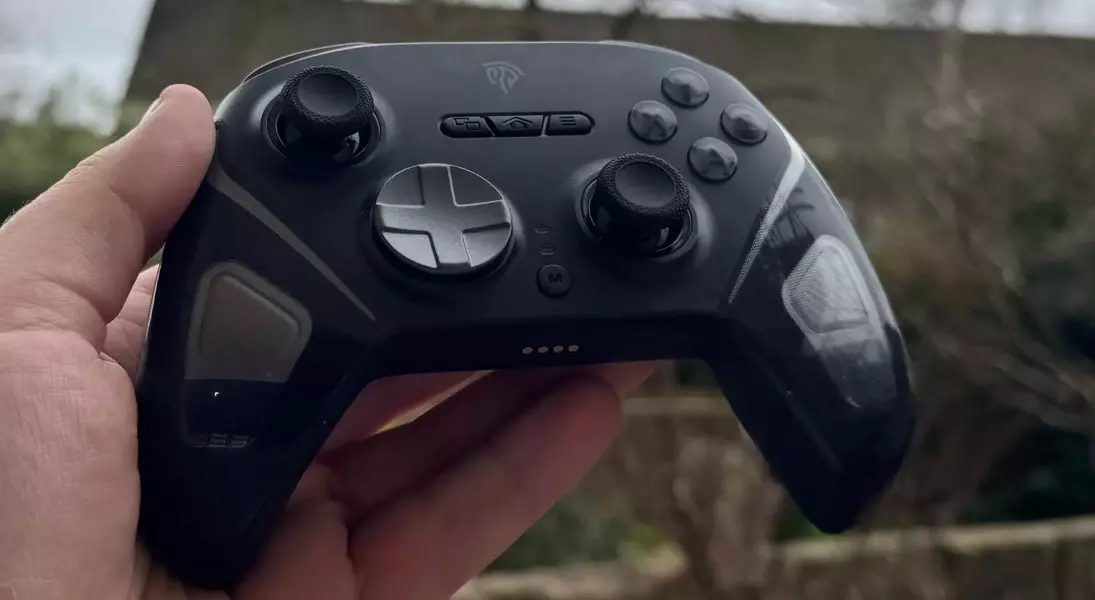
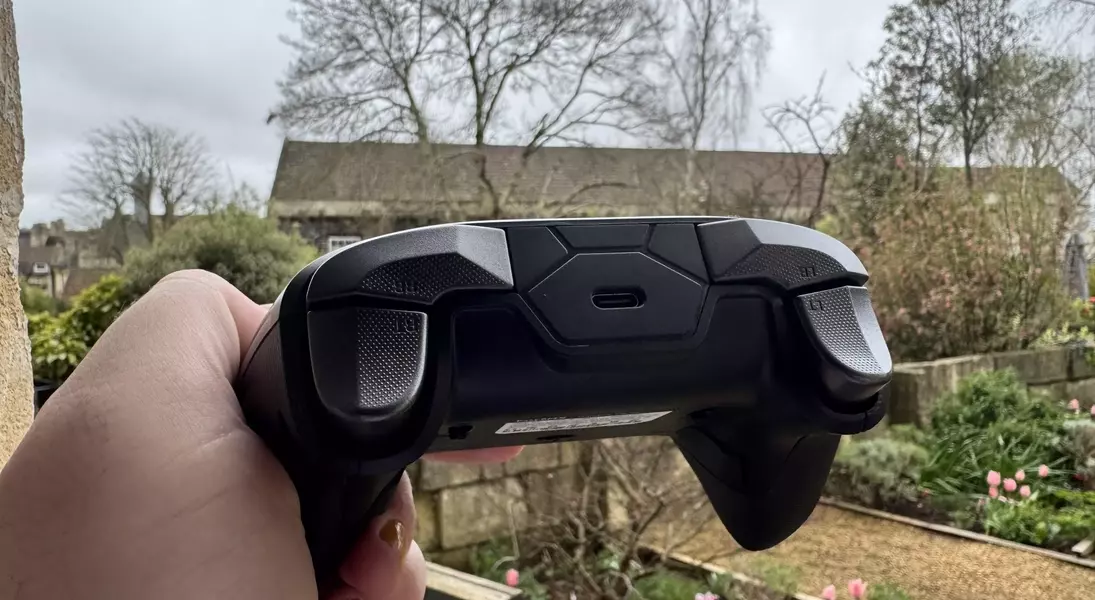
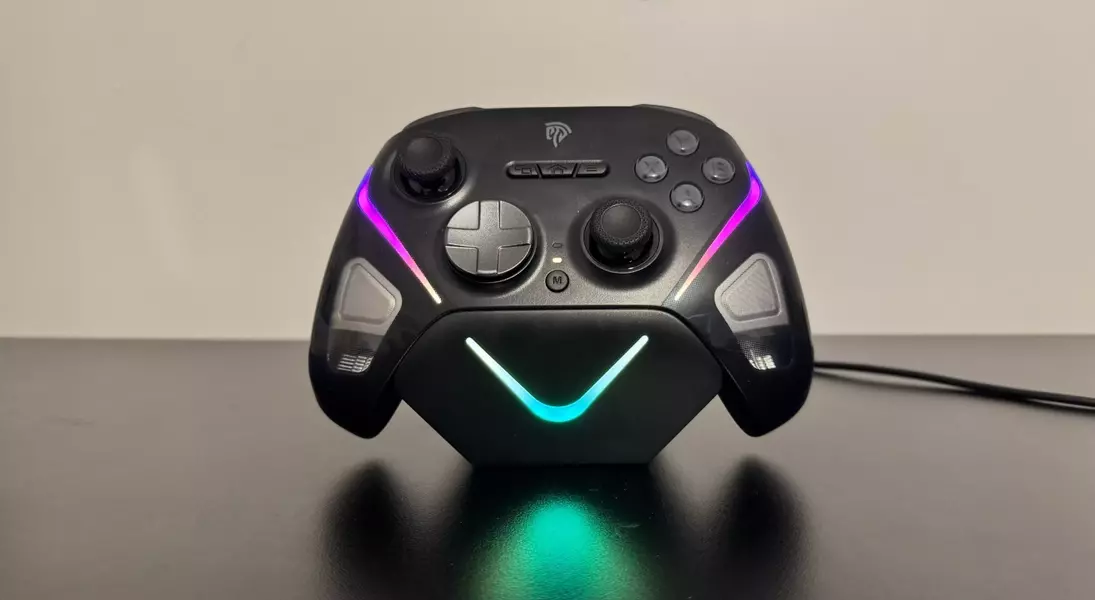
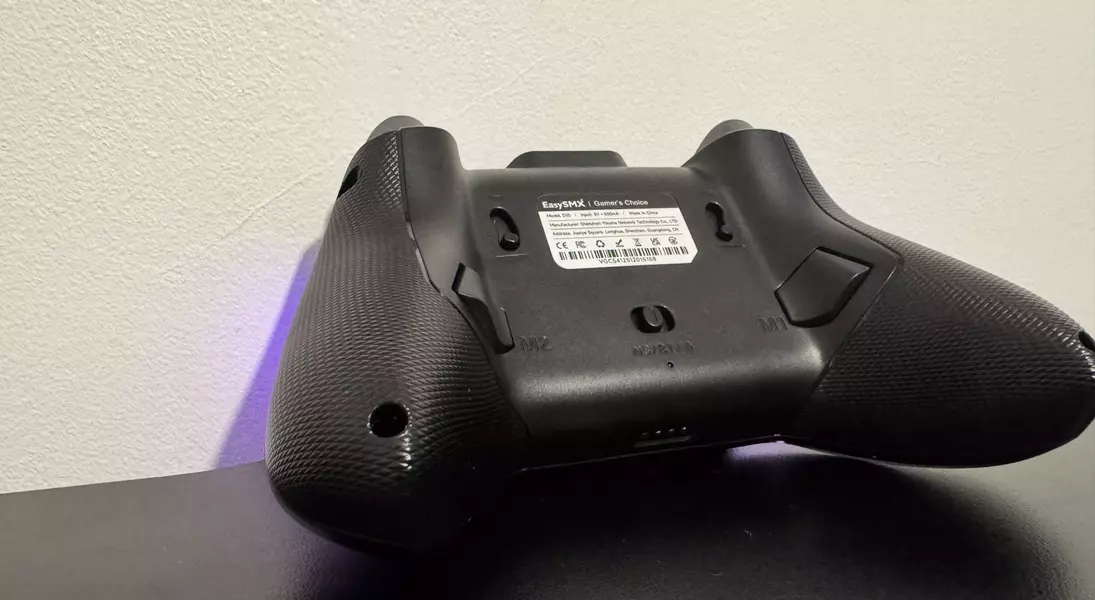
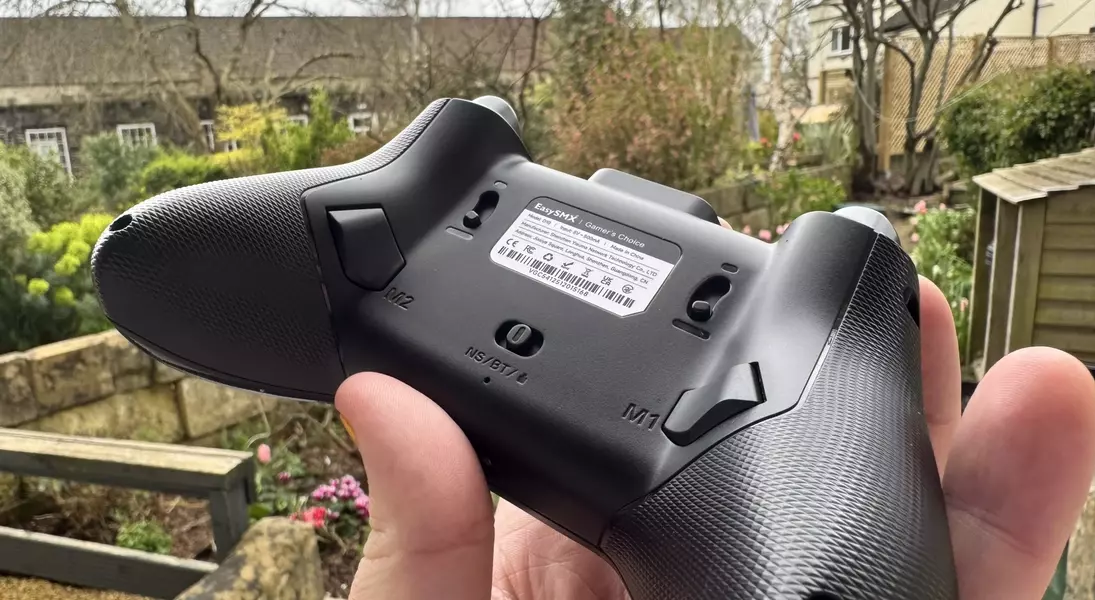
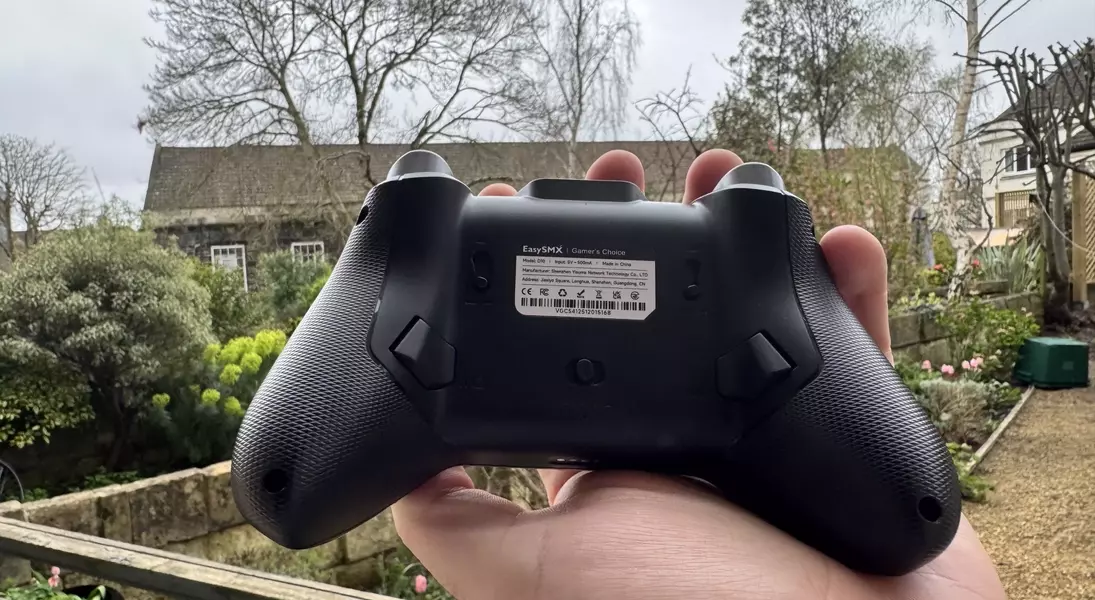
In the vibrant landscape of gaming peripherals, the EasySMX D10 has emerged as a noteworthy contender, delivering sophisticated technology at an accessible price. This versatile controller, featuring advanced TMR thumbsticks and Hall effect triggers, is meticulously designed to cater to a broad spectrum of gamers across various platforms, including Windows, Nintendo Switch, and Android devices. The D10 offers flexible connectivity options, supporting both wireless (2.4 GHz and Bluetooth) and wired modes, ensuring a stable and responsive gaming session with a 1,000 Hz polling rate in 2.4 GHz mode. A standout inclusion is its dedicated charging dock, which not only conveniently recharges the controller but also houses the 2.4 GHz wireless connector, streamlining setup and minimizing clutter. The controller's physical design closely mirrors that of the renowned Xbox Series X controller, providing a familiar and comfortable grip, although with a slightly less refined tactile sensation. Its ergonomic form, coupled with a balanced weight of 256 grams (396 grams with the dock), ensures comfort during extended gaming marathons. Additionally, the D10 is equipped with two reprogrammable buttons and gyro controls, further enhancing its adaptability for different game genres. Users can also switch between linear Hall effect and non-linear micro-switch trigger modes, offering nuanced control for racing games and rapid-fire actions for shooters. Despite its advanced hardware, the D10 foregoes dedicated software, requiring users to rely on manual shortcuts for customization, a minor learning curve for those accustomed to software-driven configurations. When available at its often-reduced market price, typically around $40, the EasySMX D10 presents an unparalleled value, making it an excellent acquisition for gamers seeking high-performance features without a premium investment.
From a journalist's perspective, the EasySMX D10 represents a compelling trend in the gaming hardware industry: the democratization of advanced technology. It highlights how innovations once exclusive to high-end devices are progressively becoming accessible to a wider audience through more budget-friendly brands. This shift underscores a positive development for consumers, empowering more gamers to experience features like drift-free TMR sticks and precise Hall effect triggers without financial strain. While the absence of dedicated software might be a small concession, it also forces a simpler, more direct user interaction with the hardware. The D10's success, particularly at its sale price, challenges established perceptions that quality necessarily equates to high cost, proving that thoughtful engineering and strategic pricing can deliver substantial value and performance to the mass market. This product serves as a reminder that competition and innovation at all price points ultimately benefit the end-user.
